







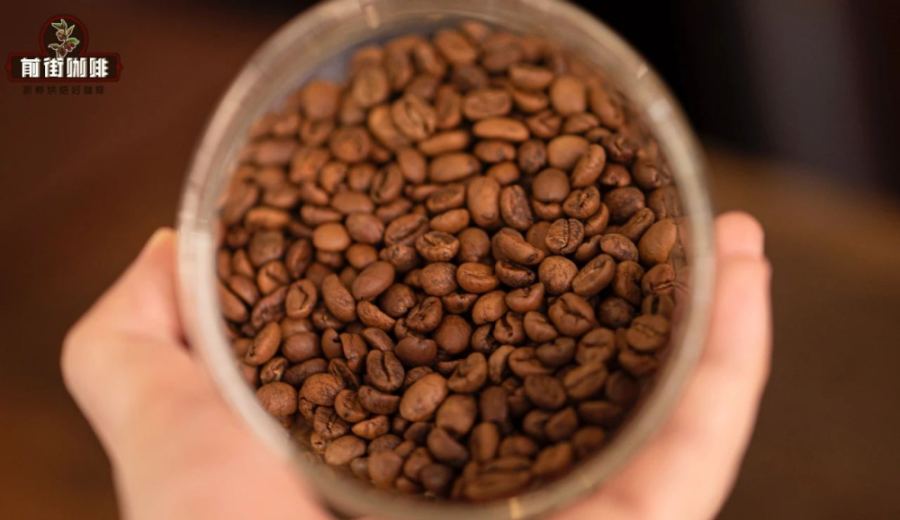
Introduction:In the wave of specialty coffee, single-origin beans have become the key for pour over enthusiasts to explore the world of coffee with their unique regional flavors and processing methods. This article features six representative single-origin coffee beans, ranging from Ethiopia’s Yirgacheffe Natural Red Cherry to Jamaica’s Blue Mountain No. 1, covering both bright fruity acidity and rich full-bodied types. In addition to detailing the geographical conditions, grading systems, and processing techniques of each origin, it also provides tested flavor notes and practical references to help readers find the one that best suits their personal taste preferences.
As specialty coffee culture becomes increasingly popular, single-origin coffee beans have gradually become a medium for coffee lovers to savor terroirs from around the world. Since 2013, the industry has focused on the selection and promotion of coffee beans, offering over thirty single-origin beans in-store. Based on market feedback and professional evaluations, six representative regional beans have been selected, each showcasing different flavor profiles and processing characteristics. These beans are not only suitable for pour over but also help readers gain a deeper understanding of the diverse world of coffee.
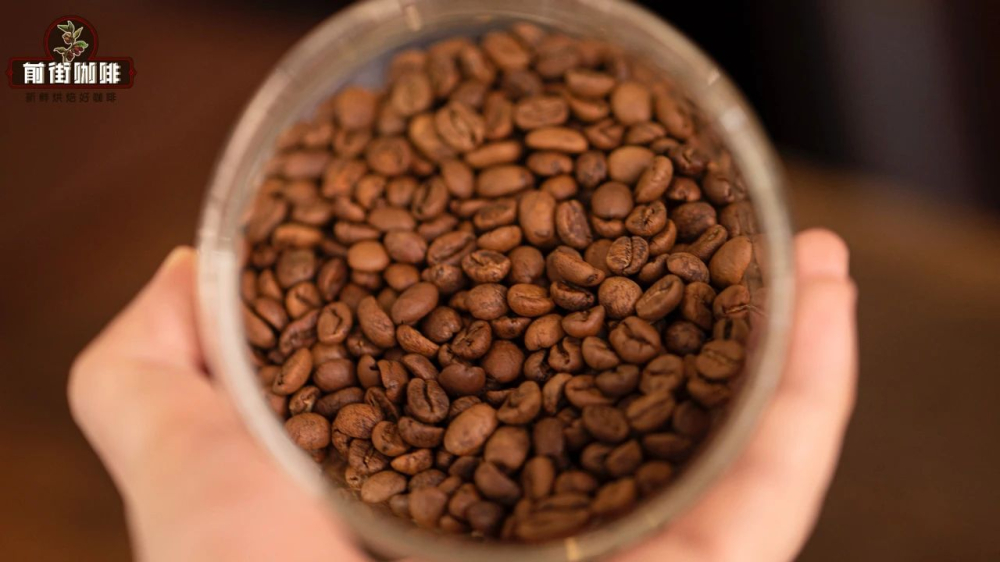
This article divides the six single-origin beans into two major types: the bright acidity-focused vibrant series and the rich-bodied mellow series. By analyzing each origin’s altitude, climate, varietal genetics, and processing methods, readers can more comprehensively grasp the characteristics of each bean and make choices based on their brewing preferences. The following will introduce the unique qualities of these six carefully selected single-origin beans one by one.
Single-Origin Beans Highlighting Acidity
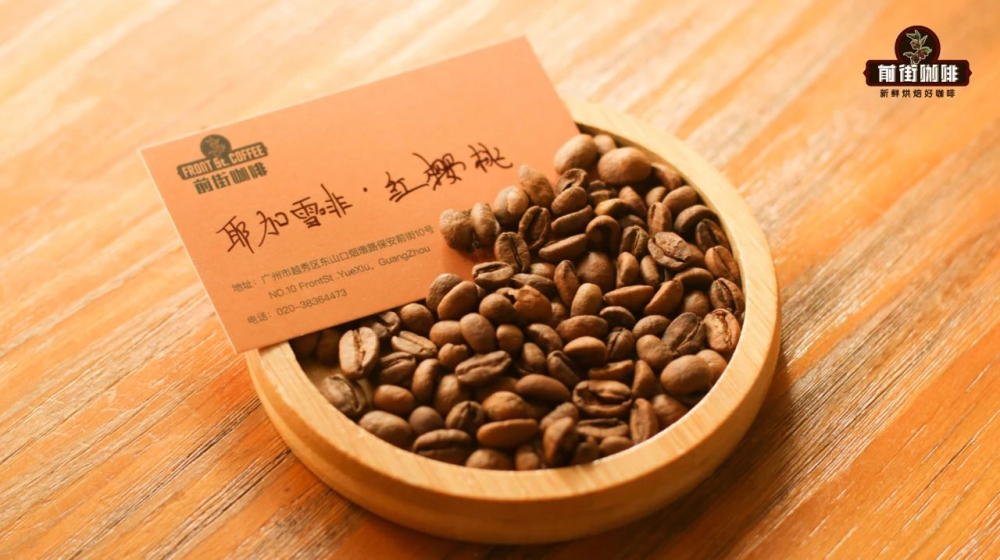
1. Ethiopia Yirgacheffe Natural Red Cherry
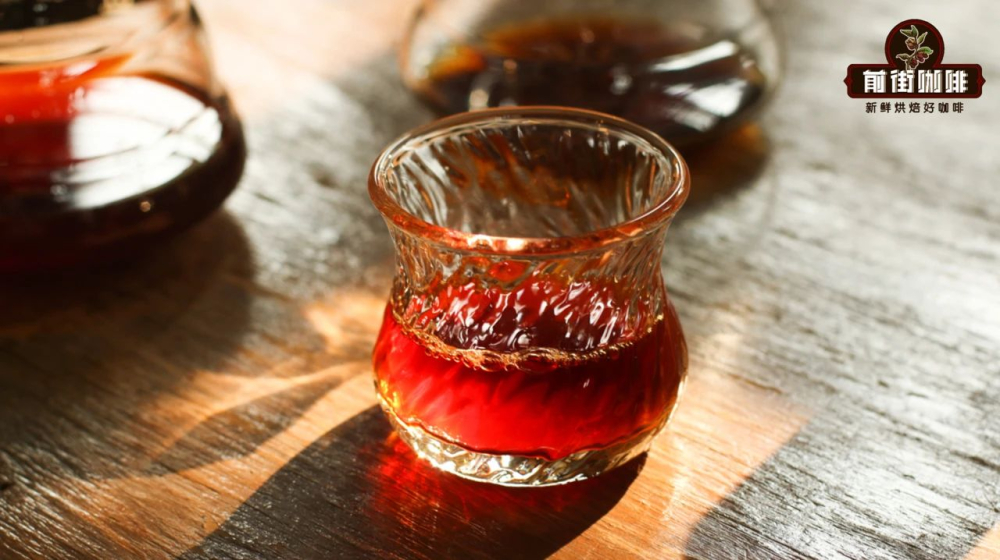
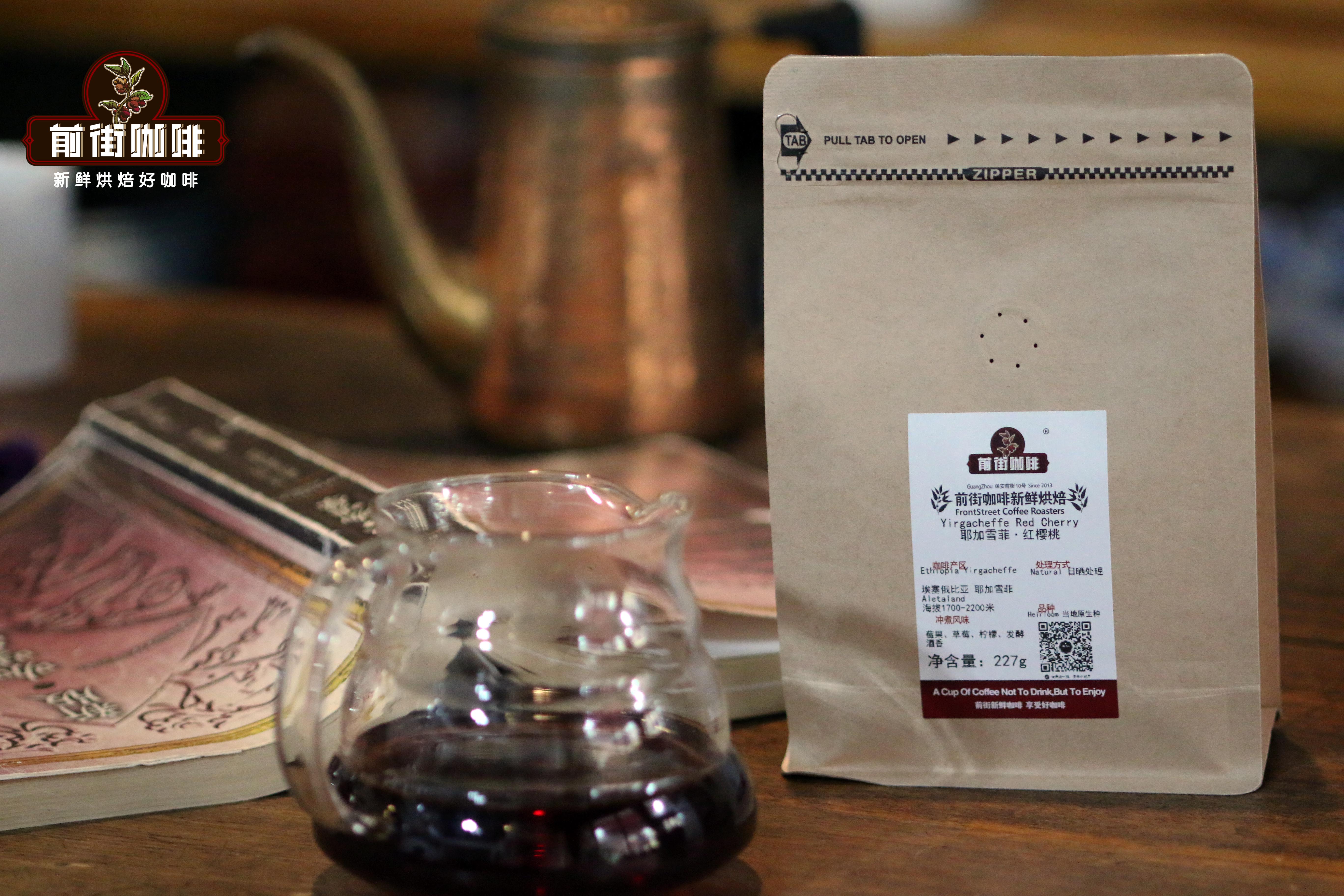
Yirgacheffe in Ethiopia, located in the Gedeb region of the country’s southwest, is one of the world’s renowned high-altitude coffee-growing regions, with altitudes ranging between 1700 and 2100 meters. It benefits from the abundant moisture provided by Lake Turkana, Lake Abaya, and Lake Chamo, creating an ideal environment for coffee cultivation. The coffee from this area is known for its distinctive citrus notes and floral aromas.
[Yirgacheffe Red Cherry Bean Grade]
The Ethiopian Commodity Exchange (ECX) classifies green beans into G1 and G2 grades based on the ratio of defective beans. G1 allows no more than 3 defective beans (in a 300g sample), while G2 permits 4 to 12. This bean belongs to the G1 grade, indicating its very high quality.
[Coffee Bean Variety]
It uses Ethiopia’s unique native varieties. Due to the region’s vast variety and genetic diversity, official specific variety names are not disclosed to protect these precious genetic resources. However, in recent COE competitions, there has been a new trend of numbering-coded naming.
[Natural (Sun-Dried) Processing Method]
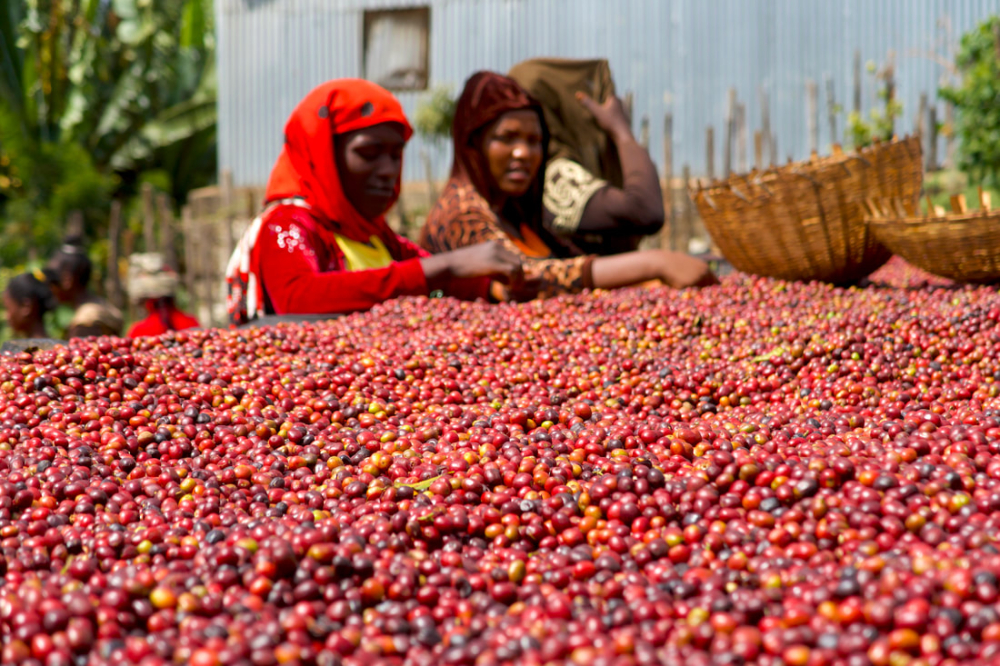
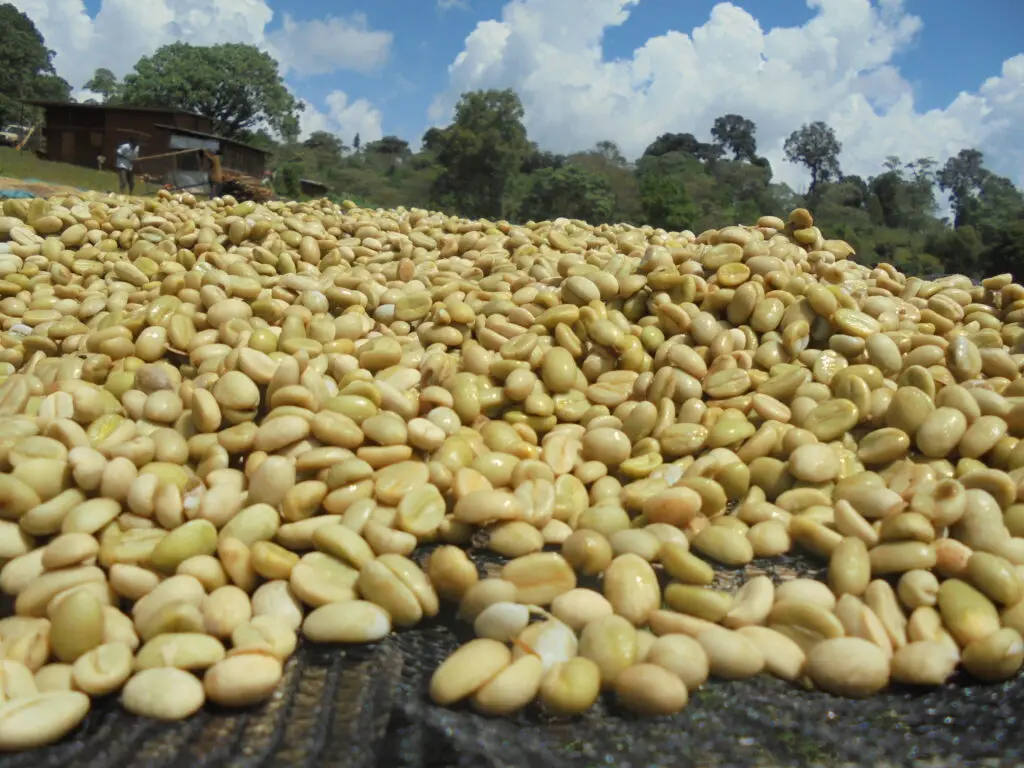
Also known as the natural method, it involves drying fully ripe red cherry coffee fruits directly under the sun, with constant turning to ensure even drying. The entire process takes about 2 to 4 weeks until the moisture content drops to 12%. Later, a hulling machine is used to remove the pulp and skin, leaving the intact coffee seeds.
[Red Cherry Project]
This project is implemented in collaboration between Dutch trader Trabocca and local farmers, aiming to improve the production quality of smallholder farms. Only fully ripe red coffee cherries are harvested, and subsequent processing procedures are strictly regulated, resulting in higher costs but also ensuring more stable and excellent flavor performance. The project covers several well-known origins including Yirgacheffe and Sidamo, and is identifiable by the Trabocca label on the sack packaging.
[Aleltu Farm]
This farm consists of hundreds of smallholder farmers, with an average farming area of about 0.6 hectares. Planted at nearly 2000 meters altitude with large diurnal temperature variations and fertile soil, the green beans naturally possess intense raisin and fermented wine aromas.
[Yirgacheffe Red Cherry Flavor Notes]
In terms of flavor, this bean exhibits distinct notes of lemon, licorice, citrus, berries, and sweet orange. It has a prominent sweetness, with a caramel and creamy smoothness in the aftertaste, accompanied by black tea-like lingering notes. It is very suitable for coffee lovers who enjoy bright acidity.

2. Kenya AAthiopia (likely typo: intended to be "Kenya AA" or "Kenya Ashelya"? Assuming corrected to Kenya AA or representative bean such as “Kenya Ashelya”)
Although Kenya’s coffee industry started relatively late, it established a rigorous breeding and grading system during the British colonial period, securing its place in the global coffee market. Kenyan coffee is known for its bright acidity and complex layered profile.
[Kenyan Coffee Grades]
Kenya grades its coffee based on bean size and cupping results into E, AA (or AA+), AB, PB, C, TT, T grades, among which AA and AB are high-quality grades. There are also unofficial cupping subcategories such as TOP, PLUS(+), FAQ used to further distinguish flavor performance.
[Coffee Bean Variety]
Kenya’s Scott Agricultural Laboratories (Scott Labs) developed the SL28 and SL34 varieties after 1922. The former has bright acidity, while the latter has a softer acidity. Together, they still account for over 90% of Kenya’s coffee production.
[K72 Washed Processing Method]
Kenya’s K72 washed process is renowned for its 72-hour fermentation time, far exceeding the usual 36 hours of standard washed processing. This method first selects ripe fruits, removes the pulp and mucilage, then ferments the beans in tanks for an extended period before drying them to 12% moisture content, resulting in its unique acidity and layered complexity.
[Kenya AAthiopia (Assuming corrected to “Kenya Ashelya” or similar) Flavor Profile]
This bean showcases aromas of cherry tomato and berries, with a clear acidity and juice-like mouthfeel upon entry. The mid-palate offers notable sweetness, and the aftertaste carries a subtle tea note. The overall profile is balanced and layered.
Beans Representing Mellow Style
3. Panama Geisha (likely intended: “Panama Geisha” or “Panama Hua Hudie” as “花蝴蝶”)
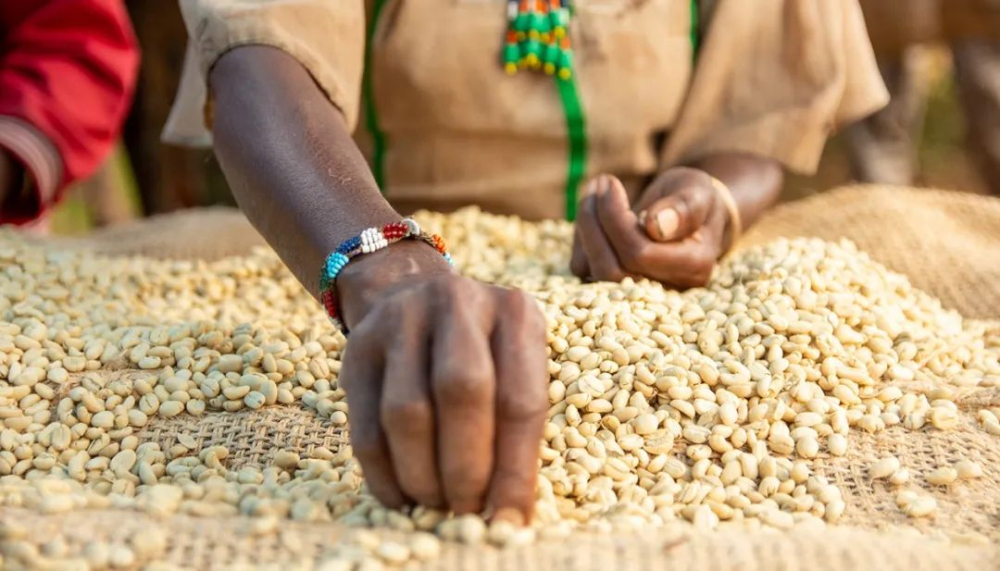
Although Panama’s coffee industry started later, its unique geography and climate have allowed it to rise prominently in the specialty coffee scene in recent years. Processing facilities in the Boquete region are known for producing high-quality beans.
[Panama Coffee Grades]
Panama’s coffee grades are divided into SHG (Strictly High Grown, above 1200m), HG (High Grown, 900–1200m), and CS (Central Standard, 600–900m). Generally, the higher the altitude, the better the flavor.
[Coffee Bean Variety]
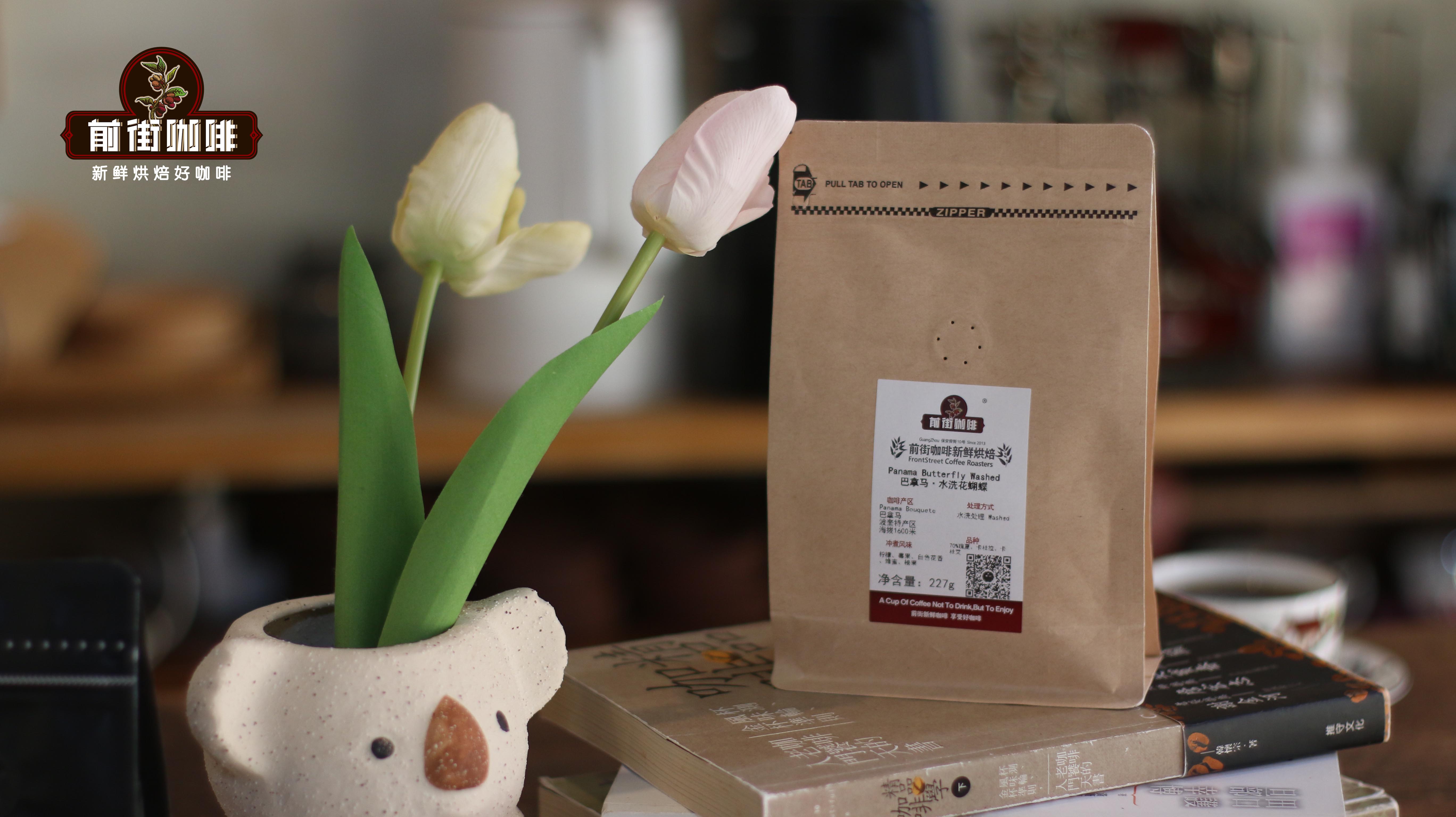
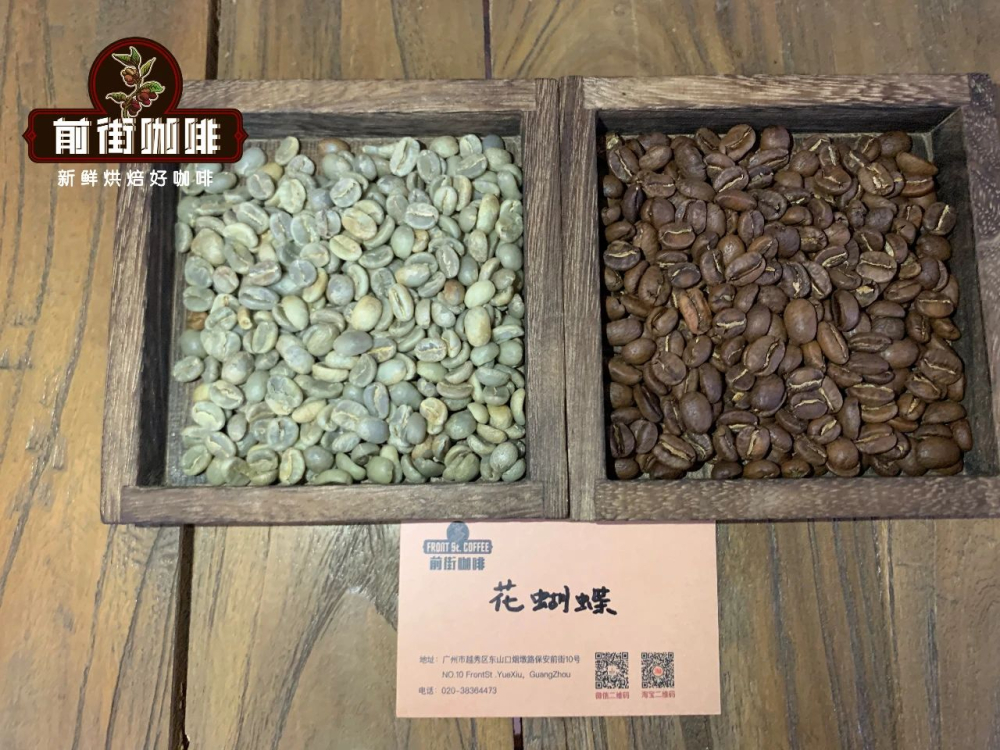
The Hua Hudie (花蝴蝶) bean blend includes 70% Geisha, mixed with other varieties such as Caturra and Catuai, offering both high quality and affordability with great cost-performance.
[Washed Processing Method]
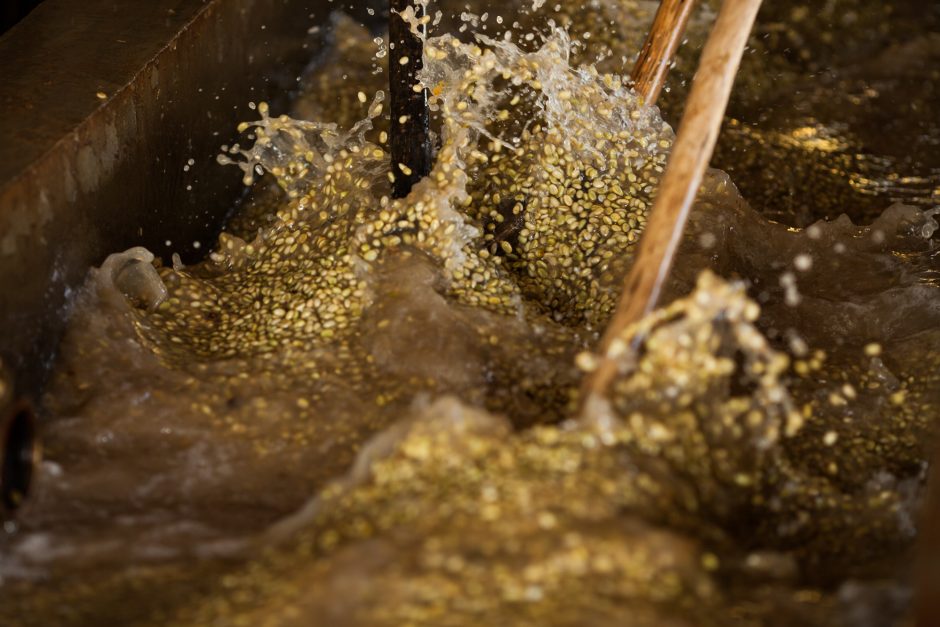
The washed process emphasizes removing the pulp and mucilage, retaining only the coffee seed, thus highlighting acidity in flavor compared to the natural method, with less sweetness but greater clarity. The process involves fermentation, washing, and drying, ultimately presenting a clean and bright flavor profile.
[Panama Hua Hudie (花蝴蝶) Flavor]
This bean shows floral, black tea, berry, and citrus aromas, with a mild nutty aftertaste. The overall mouthfeel is smooth, with a sweet acidity and medium-length aftertaste. It is highly suitable for coffee lovers who prefer balanced flavors.
4. Jamaica Blue Mountain
Jamaica Blue Mountain coffee, blessed with a unique geographical environment and strict production standards, is regarded as one of the highest-quality coffees in the world. The Blue Mountain region, located at 25 degrees north latitude, features fertile young volcanic soil, abundant rainfall, and suitable diurnal temperature differences.
[Jamaica Blue Mountain Coffee Grades]
Blue Mountain coffee is divided into three grades, with Blue Mountain No. 1 being the highest quality. It has few defects and excellent cupping performance, making it the dream bean for many coffee enthusiasts.
[Washed Processing Method]
Blue Mountain coffee uses the traditional washed process to ensure the cleanliness and purity of the beans’ flavor. After fermentation, washing, and drying, the beans present a rich and balanced taste.
[Blue Mountain No. 1 Flavor Profile]
This bean has a strong body with an excellent balance of sweetness, acidity, and bitterness, and outstanding richness. It is the standout of the Blue Mountain series and perfect for coffee lovers seeking ultimate quality.
5. Indonesia PWN Golden Mandheling
Sumatra in Indonesia is the main producer of Mandheling coffee, where the unique wet-hulled (Giling Basah) process creates a rich and heavy mouthfeel. The region’s rainy climate and lack of sufficient sunlight make washed processing difficult, so the wet-hulled method has become the mainstream.
[Indonesia Coffee Grades]
Indonesian coffee is graded from G1 to G6 based on defect rates, with fewer defects indicating a higher grade.
[PWN]
The PWN company’s registered Golden Mandheling is known for its strict selection standards and high quality. The beans undergo multiple hand sorts to ensure extremely low defect rates and pure flavor.
[PWN Golden Mandheling Flavor]
This bean offers a rich and layered profile, with a thick and balanced taste, carrying strong caramel and cocoa aromas and a long-lasting aftertaste. It is the top choice for coffee lovers who enjoy a mellow mouthfeel.
6. Brazil Fazenda Rainha Yellow Bourbon
As the world’s largest coffee producer, Brazil is known for its low-acidity and richly sweet coffee. Fazenda Rainha, located in the Nova Arcadia region at 1310 meters altitude, is famous for producing high-quality Yellow Bourbon beans.
[Brazil Coffee Grades]
Brazil grades its coffee based on bean size, defect rate, cupping results, and flavor performance, with NY.2 being the most common high-quality grade.
[Coffee Bean Variety]
Yellow Bourbon is a Bourbon variety known for its low yield and unique sweetness. When ripe, the fruit turns yellow instead of the common red.
[Natural (Sun-Dried) Processing Method]
The natural process retains the coffee fruit’s pulp and skin, allowing the beans to absorb more fruit aroma, resulting in a rich sweetness and fruity flavor profile.
[Brazil Yellow Bourbon Flavor]
This bean presents intense dark chocolate and fermented fruit aromas, with notable sweetness and a hint of lemon. The mouthfeel is round and smooth, making it highly suitable for coffee lovers who enjoy sweetness and a full body.
In summary, these six single-origin beans each have their own unique characteristics, from the bright acidity of Yirgacheffe to the rich balance of Blue Mountain, to the heavy body of Mandheling. Readers can choose the coffee flavor that best suits them based on personal preference. Whether using pour over or other brewing methods, these beans offer a rich coffee experience.
The above content is compiled by CoffeeHunters, a coffee news website.


