







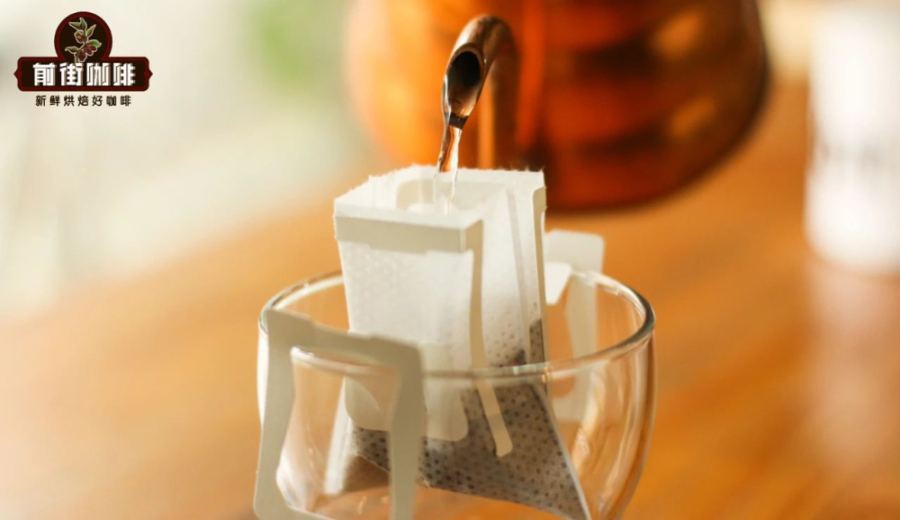
Introduction:Drip bags combine the convenience of pour over with the flavor of freshly ground coffee, making them a daily favorite for many coffee enthusiasts. This article delves into how simple brewing techniques can enhance the aroma and richness of drip bags, and recommends three medium-to-dark roasted drip bags from different regions for those who prefer less acidic or astringent flavors. From the caramel and dark chocolate layers of Indonesia’s Mandheling, to the nutty and creamy profile of Brazil’s Cerrado, to the classic creamy and nutty notes of Jamaican Blue Mountain, this guide helps readers find the drip bag combination that best suits their palate.
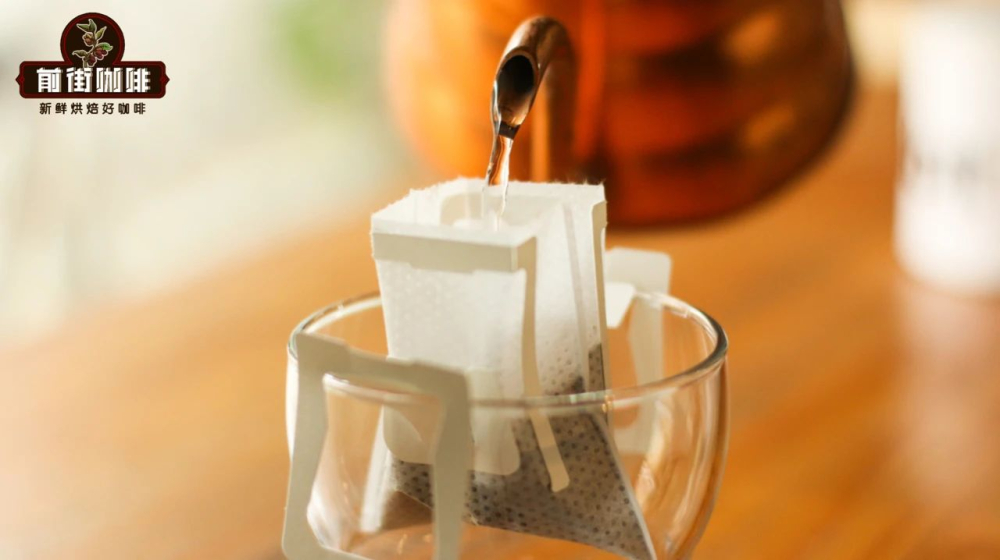
Drip bags originated from an innovative design in Japan. With their clever filter bag and side clip structure, users can enjoy professional-grade freshly brewed coffee at home without complicated equipment. Compared to traditional pour over, which requires managing multiple variables such as water temperature and pouring speed, drip bags significantly simplify the process. However, if you want to fully bring out the potential of the coffee grounds, there are still some key details worth paying attention to.
To brew a drip bag coffee with prominent aroma and a rich, mellow taste, the first step is to choose an appropriate roast level based on your personal taste preferences. For those who dislike acidity and prefer a richer taste, medium-to-dark roasted products are recommended. These coffees typically exhibit more abundant caramel, chocolate, and nutty notes, while acidity is noticeably reduced.
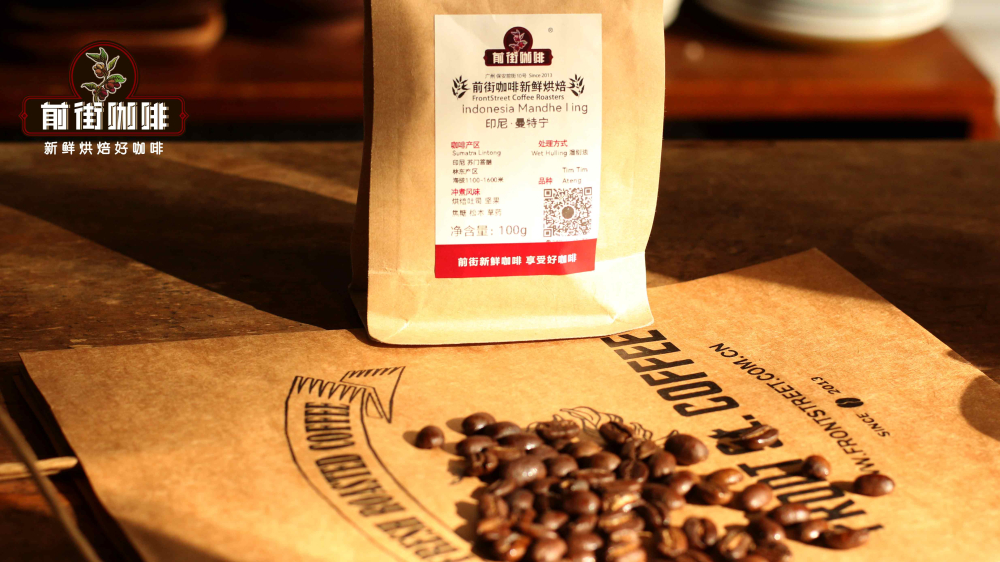
Take the Mandheling variety from Sumatra, Indonesia, for example. Using the unique wet-hulled processing method combined with a medium-to-dark roast enhances the wild and distinctive flavor profile of the coffee. This seasonal drip bag releases distinct aromas of spice, cedar, and hazelnut after brewing. Upon tasting, layers of caramel and dark chocolate intertwine, with extremely low acidity and a full-bodied aftertaste, making it especially suitable for coffee lovers seeking a rich and bold flavor. It is recommended to use water at 90–93°C and a medium-coarse grind to achieve the best extraction balance.
For those new to medium-to-dark roasted drip bags, or those looking for a more balanced option between acidity and bitterness, the Red Bourbon variety from Brazil’s Cerrado region is an excellent entry-level recommendation. This drip bag uses a medium roast to highlight the clean flavor characteristics of the coffee, mainly expressing an aroma profile of nuts, roasted peanuts, and soft cream. Upon tasting, the bitterness is mild and non-aggressive, with low and easy-to-drink acidity, making it a very stable choice for everyday drinking. You may slightly extend the brewing time to 2 minutes and 30 seconds to help bring out a richer nutty character.
For those pursuing a premium coffee experience, the Jamaican Blue Mountain series drip bags are undoubtedly a representative choice. This internationally renowned single-origin coffee exhibits the classic aromas of cream, nuts, caramel, and biscuit upon brewing, along with a delicate chocolate finish. Its flavor profile is balanced and elegant, with soft and layered acidity, making it highly refined whether for personal tasting or as a gift. It is recommended to use fine, detailed water flow at 92–94°C for brewing, and the grind size can be slightly finer than medium-coarse to enhance aroma release.
Mastering the correct brewing parameters is crucial for enhancing the performance of drip bag coffee. It is generally recommended to maintain a coffee-to-water ratio between 1:15 and 1:17, meaning using 150–170 ml of hot water per 10 g coffee packet. When brewing, avoid pouring water from a single point; instead, use a circular motion to evenly wet all the coffee grounds in the filter bag. This helps improve extraction uniformity and reduce off-flavors.
In terms of storage, make sure to keep unused drip bags in a cool, dry environment. Once opened, it is recommended to use them as soon as possible to ensure freshness. If you notice a noticeable pulp taste or uneven extraction after brewing, it may be due to the filter bag material or excessively hard water. In such cases, it is recommended to try brewing with filtered or soft water.
The above content is compiled by CoffeeHunters, a coffee news website.


