







Introduction:Kenyan coffee is renowned for its high acidity, bright profile, and complex fruity aromas, with PB peaberry beans being a particularly rare mutation. This article delves into the regional characteristics of Kenyan PB peaberry, explores the origins of the SL28 and SL34 varieties, and details the unique 72-hour washed processing method used at the Sasicini Estate. It also provides professional pour-over parameters and a three-stage extraction technique to help you fully experience the rich berry notes and long-lasting caramel finish of Kenyan coffee.
Although Kenya is not the birthplace of coffee, its exceptional geographical environment and scientific management have made coffee an important cash crop. In particular, Kenyan PB peaberry, as a special mutation among coffee beans, is widely loved by coffee enthusiasts for its distinctive shape and intense flavor. This article will take you through the cultivation background and variety characteristics of Kenyan PB peaberry, as well as the K72 washed processing method employed by the Sasicini Estate, and share practical pour-over recommendations.
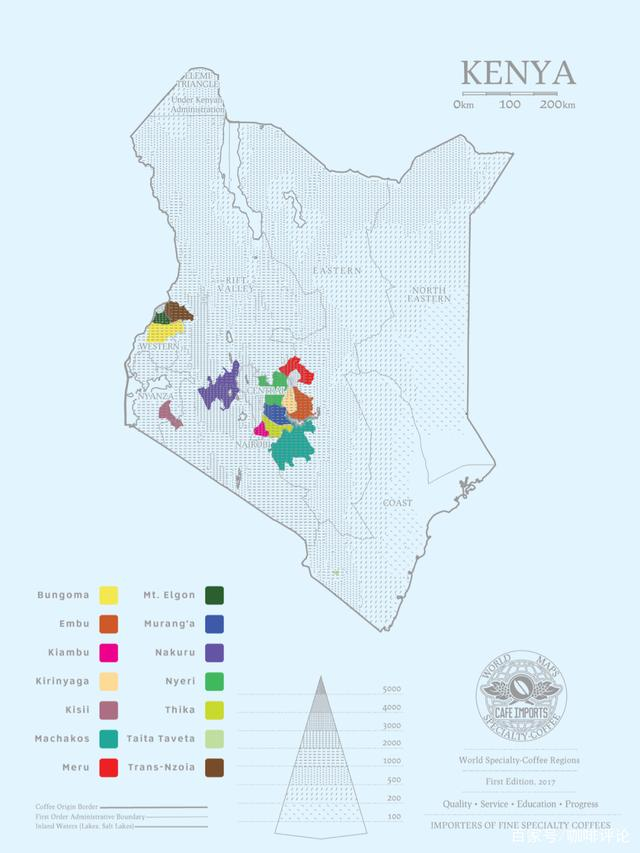
Located in East Africa, Kenya is crossed by the equator and features high-altitude terrain and a tropical savanna climate, with stable rainfall and mineral-rich soil—conditions that provide an excellent growing environment for coffee trees. Especially in certain regions, higher phosphorus content in the soil helps coffee beans develop more pronounced acidity. Generally, Kenyan coffee is grown at altitudes between 1,500 and 2,100 meters, with significant day-night temperature variations: daytime temperatures range from about 22 to 26°C, while nighttime temperatures can drop to 10 to 14°C. This environment helps slow fruit ripening, allowing coffee to accumulate richer flavor compounds.
The history of coffee cultivation in Kenya dates back to 1893, when coffee seedlings were first introduced from Réunion Island. At that time, planting was primarily controlled by the British colonial government. It wasn’t until 1935 that local farmers gradually gained autonomous growing rights. Early plantings mainly consisted of the Bourbon variety, but after 1935, the focus shifted to the SL28 and SL34 varieties developed by the Scott Laboratory. These two varieties are not only highly adaptable and stable in yield but also demonstrate outstanding flavor potential.
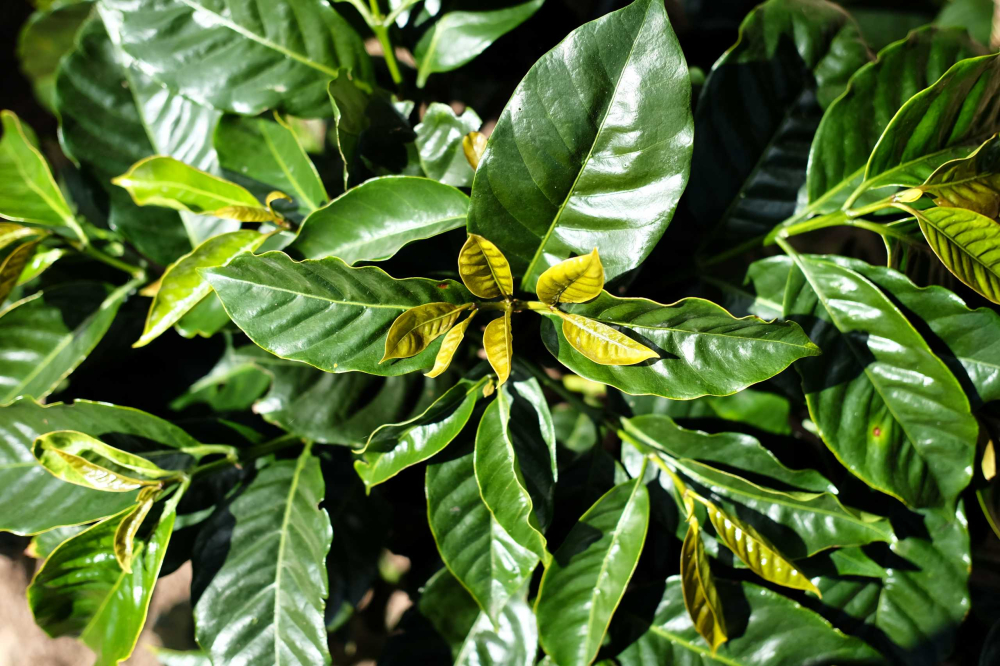
The SL28 variety was developed in the 1930s by the newly established Scott Laboratory, which rigorously selected it from 42 candidate varieties, ultimately choosing SL-28 and SL-34. The genetic lineage of SL28 traces back to Bourbon. Although its yield did not fully meet expectations, its copper-colored leaves and pea-shaped beans produce excellent sweetness and complex acidity, often featuring citrus and dark plum flavors. SL34, on the other hand, combines genetic traits from French Mission, Bourbon, and Typica. It also offers rich flavors but with a relatively softer and cleaner taste, along with stronger adaptability to rainforest environments.
Kenyan coffee grades are primarily determined by bean size, with AA being the highest grade, requiring all beans to be 17–18 mesh, plump, and uniformly sized. AB-grade beans measure between 15–16 mesh, with a small allowance for beans smaller than 15 mesh. Although grade does not always perfectly correlate with quality, higher-grade beans typically have greater flavor potential. The Kenya Coffee Board enforces strict research and quality control, and through a well-established auction system, not only enhances the value of coffee beans but also indirectly safeguards the income of coffee farmers.
So-called PB peaberry beans refer to the rare anomaly where the two seeds normally found within a coffee cherry fail to separate during development and instead merge into a single, round bean. These beans appear oval or rice-like in shape, standing in stark contrast to the common flat beans. This mutation is relatively rare in Kenyan coffee, and after careful manual selection, it becomes a prized delicacy sought after by coffee lovers. The Kenyan PB peaberry introduced in this article comes from the Sasicini Estate, showcasing the unique terroir of the region.
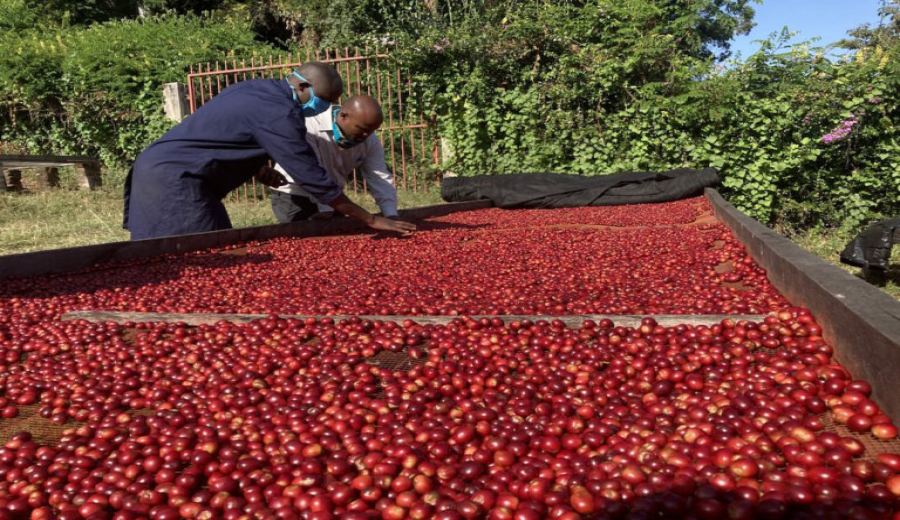
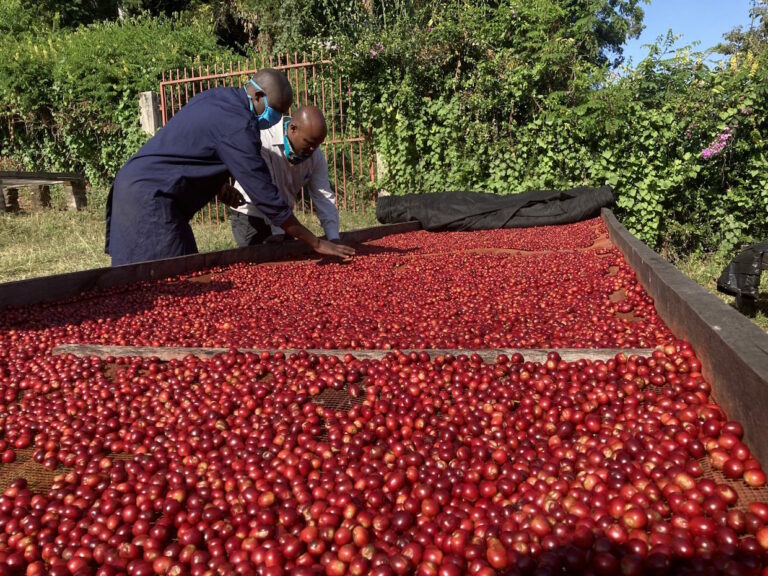
One of the most famous processing methods for Kenyan coffee is the 72-hour washed process, also known as K72. Unlike standard washed processing, this method involves three 24-hour fermentation cycles, totaling 72 hours. First, harvested coffee cherries are carefully sorted to remove defective beans, then depulped, and placed in clean river water for the first 24-hour fermentation before being rinsed clean. This process is repeated three times. Through prolonged low-temperature fermentation, the coffee beans develop a fuller and brighter acidity, while maintaining clarity and layered complexity in flavor.
For this high-acidity, multi-layered Kenyan PB peaberry, it is recommended to use the pour-over method to fully highlight its delicate characteristics. We recommend using a Hario V60 dripper, with a medium-fine grind (approximately 75% passing through a 20-mesh sieve in China), a dosage of 15 grams, a 1:15 coffee-to-water ratio, and a water temperature of 91°C. For brewing, we suggest a three-stage pouring technique: begin with a 30-second bloom using 30 grams of water; then pour 95 grams of water over approximately 1 minute to reach a total of 125 grams; finally, pour 100 grams of water over 1 minute and 45 seconds to achieve a total extraction volume of 225 grams, with the overall brewing time around 2 to 2 minutes and 10 seconds. Once finished, gently swirl the dripper to ensure even coffee liquid distribution before serving.
After pour-over brewing, Kenyan PB peaberry often exhibits a bright berry acidity, reminiscent of the crisp tartness of tomato juice or mixed fruit juice, while the aftertaste carries a smooth caramel sweetness. With its distinct layered profile, clean and vibrant acidity, it is an unmissable choice for coffee drinkers who appreciate a balance of fruity acidity and sweet aroma.
The above content is compiled by CoffeeHunters, a coffee news website.


