







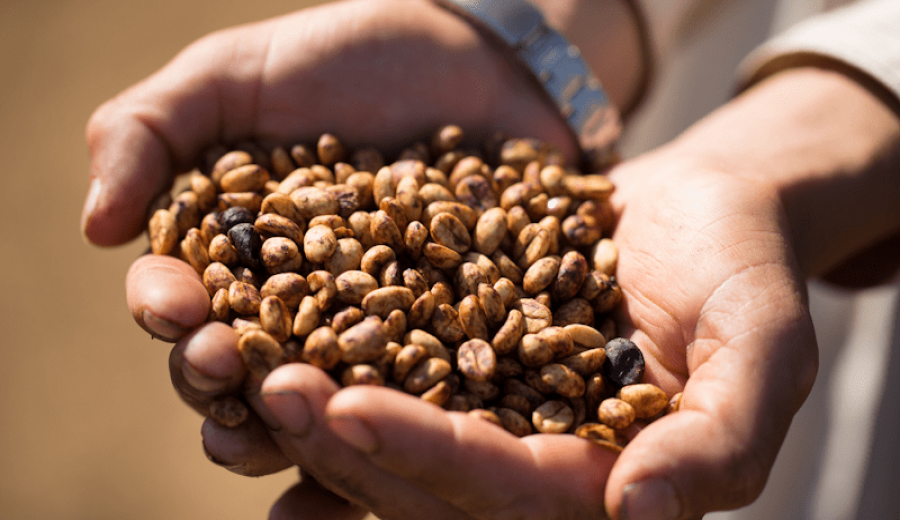
Introduction:Honey processing is a unique technique in coffee post-harvest processing. By retaining the mucilage layer, it imparts a deeper level of sweetness and flavor complexity to the coffee. From yellow honey, red honey, to black honey, and the recently emerging raisin honey process, how do these various methods affect the drying time and flavor profile of the coffee? This article will delve into the differences between honey processing and natural (sun-dried) processing, and introduce the craftsmanship characteristics and practical operational details of different honey processing classifications.
Among the many coffee post-harvest processing methods, washed, natural, and honey processes are the three main streams. Among them, honey processing retains the mucilage layer within the coffee fruit, allowing the coffee to accumulate more sugars and flavor substances during the drying process, thereby forming unique aromas and layers of taste. Depending on the proportion of mucilage retained, honey processing can be further subdivided into yellow honey, red honey, black honey, and even the recently highly regarded raisin honey process.
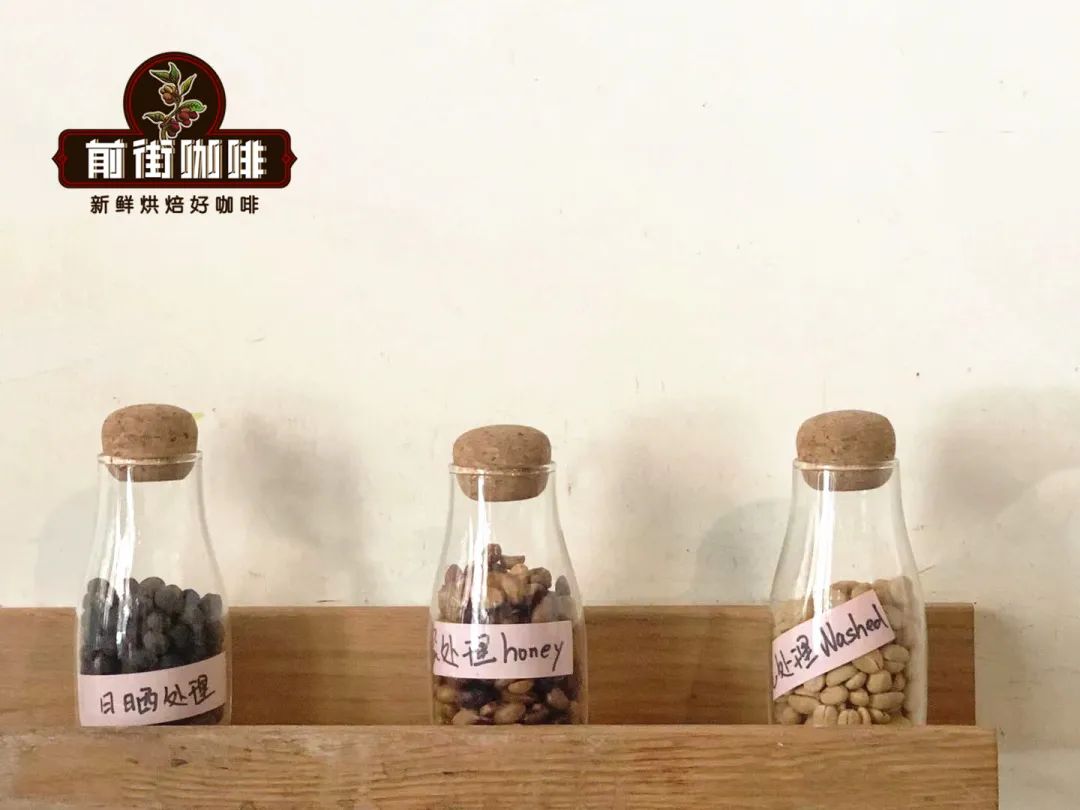
Natural processing is one of the most traditional coffee processing methods. The practice involves laying whole coffee cherries directly on the drying patio to dry naturally until the moisture content reaches about 11%, after which all outer layers—including the skin, pulp, and mucilage—are removed at once, leaving behind the inner green bean. Washed processing, on the other hand, is the exact opposite: the skin and pulp are first mechanically removed, followed by fermentation to eliminate residual mucilage, and then drying is carried out. Honey processing falls somewhere in between, retaining the mucilage for drying, thus delivering a richer sweetness and fruity character.
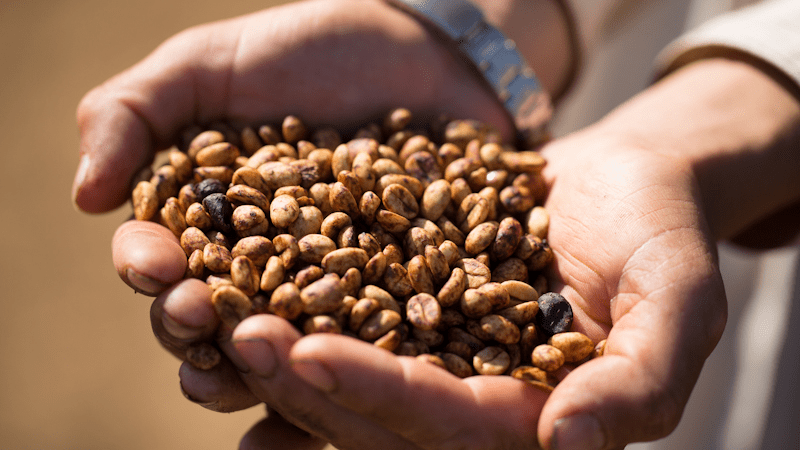
The technique of honey processing originally stemmed from Brazil’s pulped natural method (also known as semi-washed). Due to the region’s dry climate and limited water resources, coffee farmers would often sun-dry harvested coffee fruits directly, but this often led to off-flavors and uneven drying. To improve this, Brazilian farmers began by removing the skin and part of the pulp before sun-drying. This method not only shortened the drying time but also effectively reduced the occurrence of undesirable flavors. For example, the famous pulped natural coffee from Brazil’s Cerrado region exhibits distinct notes of cream, nuts, chocolate, and a hint of peanuts.
As Brazil’s pulped natural technique was introduced to other Central and South American countries, regions like Costa Rica—which primarily used washed processing—adjusted the mucilage retention ratio and drying strategies according to their own climatic characteristics—high rainfall and short sunlight—to gradually develop their own honey processing systems. Depending on the proportion of mucilage removed, honey processing can be categorized into different types, each influencing the final flavor and drying time.
Yellow honey processing typically retains about 40% of the mucilage and requires drying under ample sunlight, usually taking around 8 days. This method emphasizes rapid heat absorption and is suitable for regions with abundant sunshine. The resulting coffee often has a relatively bright sweetness and moderate flavor complexity. In contrast, red honey processing retains about 25% of the mucilage, reduces direct sunlight exposure during drying—sometimes using shaded structures—and extends the overall drying time to about 12 days. This leads to a more concentrated sweetness and a richer layering of flavors.
Black honey processing is the type with the highest mucilage retention ratio, often retaining up to 90% or more, and therefore has the longest drying time, often requiring over two weeks. During this process, intense sunlight is avoided, and shading is commonly used to maintain stable temperature and humidity, ensuring that sugars can fully convert. Black honey processed coffee often features intense fruit aromas such as grape, berry, and blackberry, with a full-bodied mouthfeel and long-lasting aftertaste. For instance, black honey processed coffee from Costa Rica is known for its floral and rich berry notes.
In addition to the common types of honey processing mentioned above, the “raisin honey process” has gradually gained market attention in recent years. The most distinctive feature of this method is that before removing the skin and pulp, the coffee fruit is pre-dried on raised beds for at least three days until the entire fruit shrinks to a raisin-like state. No washing is done at this stage, relying entirely on natural evaporation—a “zero-water process”—which significantly increases the difficulty and risk of processing.
The raisin honey process retains 100% of the mucilage and only separates the mucilage and seed after the fruit has reached a highly concentrated state. As a result, the drying time is even longer, and the control of temperature and humidity is extremely demanding. This method can impart an exceptionally intense sweetness and complex fruit character to the coffee, but it also poses a major challenge to the technical skill and experience of the processing facility. For this reason, raisin honey processed coffee is often seen in the market as a symbol of high quality and rarity.
In summary, the core of honey processing lies in influencing the flavor direction of coffee by retaining the mucilage, and the varying proportions of mucilage retention and drying strategies give rise to the diversity of yellow honey, red honey, black honey, and even raisin honey processing. Whether you prefer a refreshing fruity aroma or a rich berry profile, coffee enthusiasts can find their preferred style among these processing methods. Understanding the differences between these processing techniques not only helps in selecting the right coffee beans, but also allows for a deeper appreciation of the interplay between craftsmanship and natural conditions behind each cup of coffee.
The above content is compiled by CoffeeHunters, a coffee news website.


