







Introduction:Want to brew espresso-like coffee at home without expensive equipment? The Brikka Moka Pot from Bialetti is a top choice for many coffee enthusiasts. However, the extraction principles of the moka pot differ significantly from modern espresso machines. Factors such as water temperature, pressure, and coffee-to-water ratio all impact the final flavor. This article explains the correct operation of the Brikka, analyzes the types of coffee beans suitable for moka pots, and recommends three bean varieties with proven excellent performance to help you master the art of making rich, flavorful coffee at home.
The moka pot is the most common alternative to espresso for many households without a proper espresso machine. Among them, one brand has gained popularity among coffee lovers due to its unique pressurized valve design. However, the extraction pressure of the moka pot is far lower than that of modern espresso machines. Coupled with its higher water temperature and coarser filter, the resulting coffee differs noticeably in crema layer and richness compared to professional machines. This article not only explores the history and origins of the moka pot but also provides a detailed guide on how to use this specific brand correctly, discusses the selection of suitable coffee beans, and recommends three high-performing bean varieties to help you brew a well-balanced moka pot coffee at home.
While the allure of espresso is hard to resist, not every household has the budget or space for a professional espresso machine. As a result, more people turn to the simpler and more accessible moka pot. Just add hot water and coffee grounds, place it on a heat source, and wait — you can enjoy a rich cup of coffee with a relatively low barrier to entry.
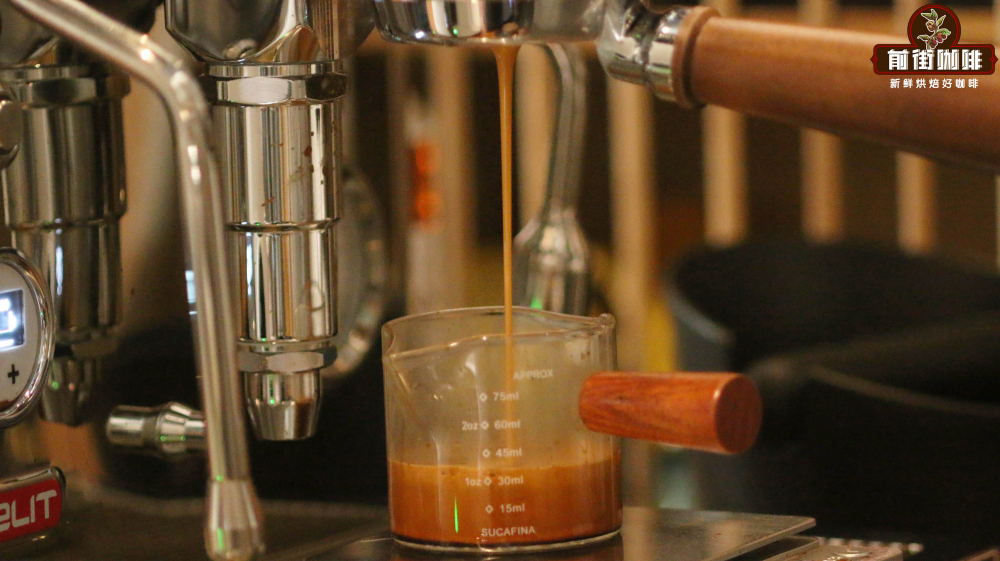
However, coffee made with a moka pot still falls short compared to that produced by modern espresso machines. The moka pot was originally created as a home alternative to espresso machines. Modern espresso relies on extremely high extraction pressure to push near-boiling water through a tightly packed coffee puck — a high-pressure environment made possible only by advancements in espresso machine technology.
To understand the origins of the moka pot, we must look back at the evolution of the espresso machine. As early as the late 19th century, the first espresso machine was invented in Turin, Italy. By 1905, La Pavoni introduced the first commercial espresso machine, allowing baristas to serve espresso quickly to multiple customers. Soon after, coffee shops across Italy began adopting this equipment.
However, early commercial espresso machines were typically large, needed to be heated directly over a flame, and used steam pressure to push heated water from the bottom through a tube to the coffee grounds. These machines were not only expensive but also unsuitable for home use.
It wasn’t until the 1930s that Alfonso Bialetti from Italy’s Piedmont region, inspired by his wife’s laundry process, created what is now the widely recognized moka pot. The washing equipment at the time had two levels: the lower part heated soapy water and produced steam, which sent hot water up through a central tube to wash clothes on the upper level. With the help of Luigi De Ponti, Bialetti designed a moka pot using the same principle, bringing rich coffee to households.
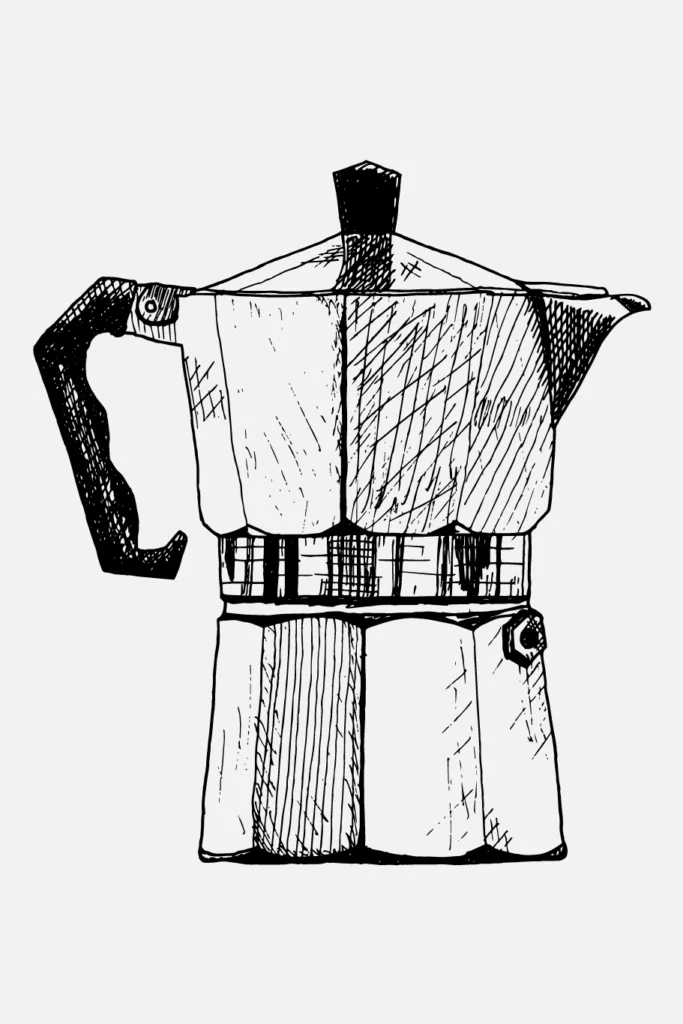
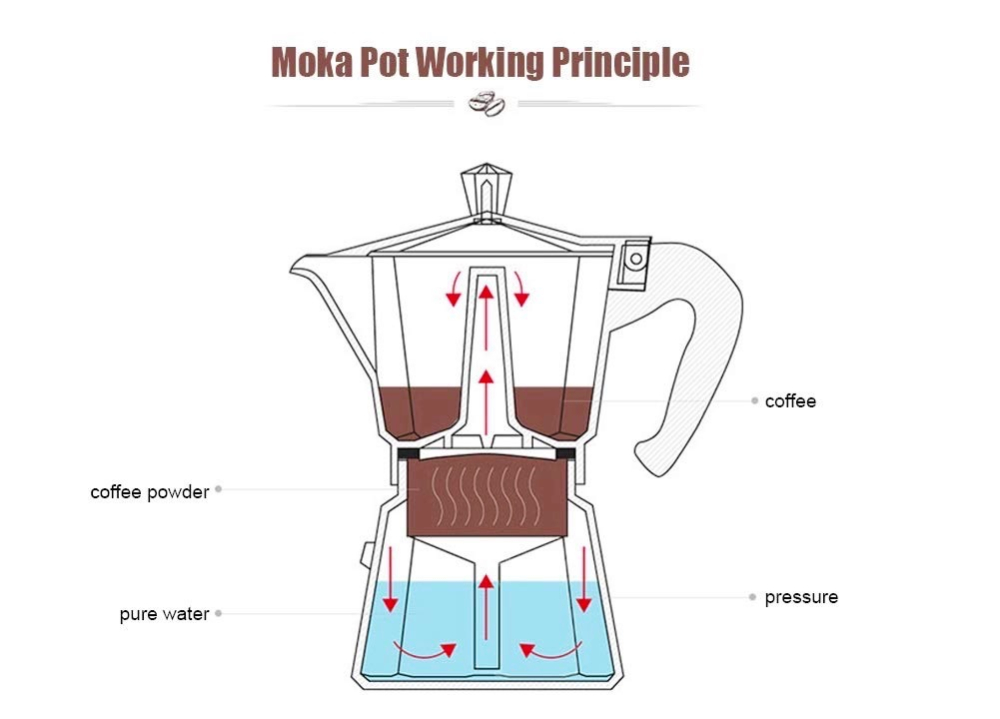
The design of the Bialetti moka pot resembles that of a washing machine. It features an octagonal aluminum exterior with an anti-slip rubber handle. The body mainly consists of three parts: the bottom chamber for hot water, the top chamber for collecting the brewed coffee, and the middle metal filter basket for holding ground coffee.
To use it, first pour the appropriate amount of hot water into the bottom chamber, then fill the middle filter basket with coffee grounds, reassemble the filter and bottom chamber, and finally screw on the top chamber. Place the entire moka pot on a gas stove or induction cooktop to heat. As the water in the bottom chamber boils, steam builds up, increasing internal pressure and forcing the water upward through the central tube, through the coffee grounds, and then through the filter into the top chamber, completing the extraction.
Although the moka pot was designed to simulate early espresso machines, modern espresso machines have advanced significantly, achieving extraction pressures far beyond the moka pot’s approximate 1.5 bars. Additionally, because the moka pot relies on boiling water to generate pressure, the brewing temperature is higher, and its larger filter holes require a coarser grind than an espresso machine. These factors make it difficult for moka pot coffee to match the crema and richness of professionally brewed espresso.
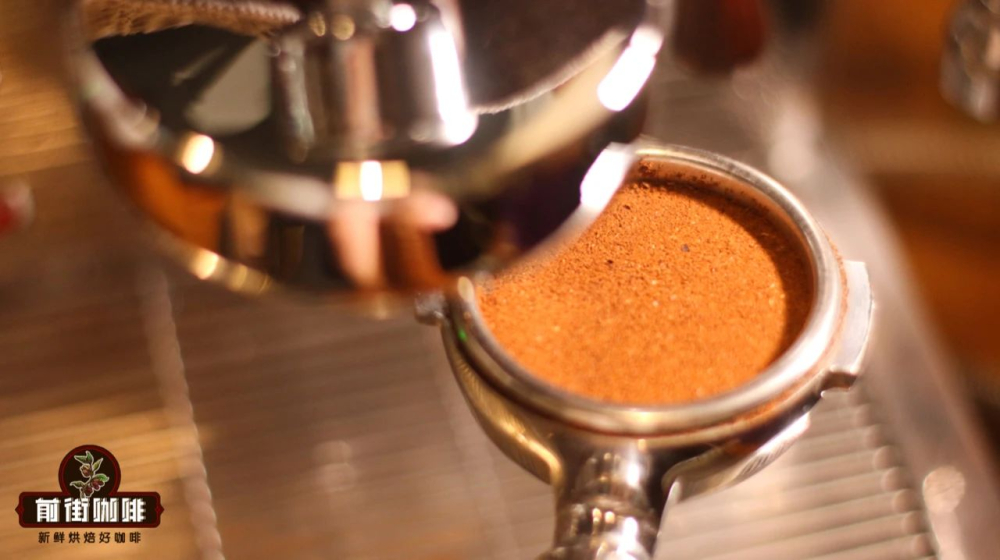
Many coffee lovers purchase a moka pot hoping to replicate espresso-like coffee at home. So, what kind of coffee beans are suitable for use in a moka pot? Since the moka pot is essentially an affordable alternative to early espresso machines, if you’re aiming for a richer, crema-like flavor, it’s recommended to choose darker-roasted coffee beans.
Recommended options include classic Italian blends, as well as two standout single-origin beans: PWN Golden Mandheling and Brazilian Queen Estate coffee beans.
Mandheling coffee beans come from Sumatra, Indonesia, and are of the Arabica variety, grown at altitudes between 750 and 1500 meters in highland regions. Mandheling is known for its bold aroma, full body, and distinctive herbal-spicy notes. These flavor characteristics partially stem from Indonesia’s unique wet-hulling processing method. Due to the region’s humid climate, lack of stable sunlight, and higher costs of washed processing, wet hulling has become the dominant method locally. This technique involves rapid, staged drying and removal of the parchment layer, resulting in Mandheling’s low acidity, thick body, and earthy aroma. For roasting, baristas often opt for a darker roast to enhance its rich characteristics.
Another recommended bean is the Brazilian Queen Estate coffee, grown in the Mogiana region of São Paulo, Brazil, at elevations between 1400 and 1950 meters, with the Yellow Bourbon variety. Yellow Bourbon naturally exhibits more prominent sweetness due to its thicker mucilage layer and higher sugar content. Queen Estate employs traditional sun-drying methods, allowing the coffee beans to ferment within the fruit for extended periods, enabling sugars to fully penetrate and further elevate sweetness and flavor complexity. The estate has received consistent recognition at Brazil’s Cup of Excellence competition since 1999, winning a total of 12 awards over seven years, demonstrating stable and outstanding quality. The sun-drying process is also carried out in small batches with precise control over fermentation conditions to avoid undesirable flavors.
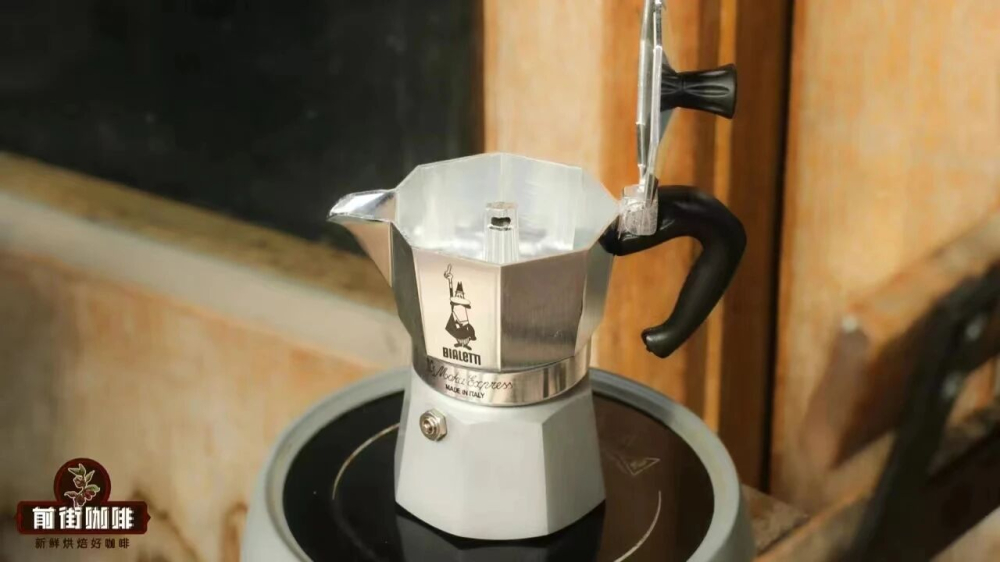
To brew a rich cup of coffee using a moka pot, you’ll need the following basic tools: a moka pot, a gas stove (or induction cooktop), fresh coffee beans, and a grinder.
Below are the tested extraction parameters and steps for the Queen Estate coffee beans. This particular bean is medium-dark roasted, with flavor notes including chocolate, cream, nuts, butter, and caramel, along with rich crema, making it very suitable for moka pot extraction.
[Practical Steps]
(1) Pour cold water into the bottom chamber of the moka pot, ensuring the water level does not exceed the safety valve.
(2) Fill the middle filter basket with coffee grounds to about nine-tenths full, gently tapping the edges to create a level and compact coffee bed.
(3) Assemble the top and bottom chambers and tighten securely to prevent leakage during heating.
(4) Place the moka pot on a gas stove or induction cooktop. Start with medium heat, and once you hear a clear hissing sound, reduce to low heat to allow the coffee to flow steadily.
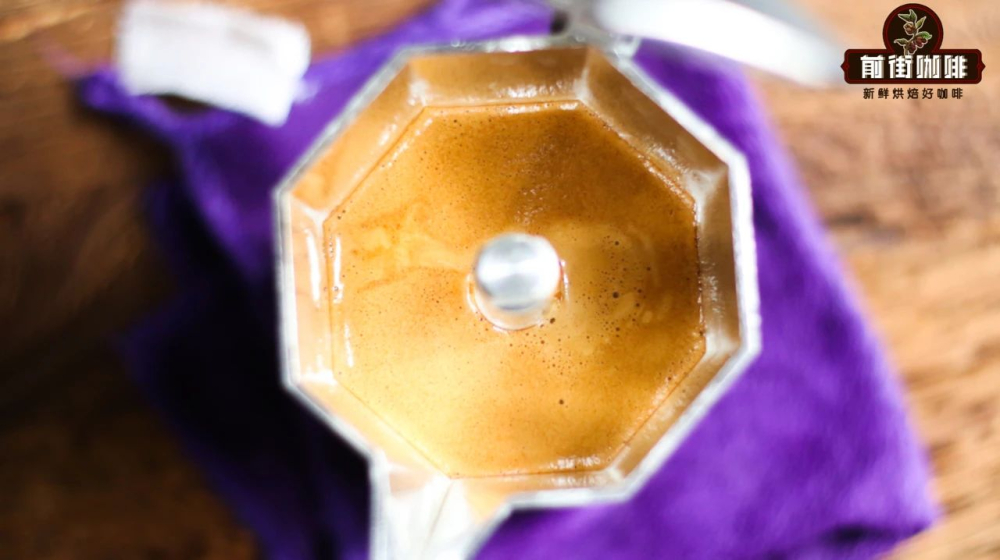
(5) When the sound turns into a faint bubbling noise, it signals the end of extraction — turn off the heat immediately to avoid over-extraction. Your rich espresso is now ready to enjoy. You can also dilute it with hot water to make a moka pot Americano or mix it with fresh milk for a moka pot latte, based on your preference.
The above content is compiled by CoffeeHunters, a coffee news website.


