







Introduction:As an important origin for specialty coffee globally, Indonesia features distinctive offerings from Sumatra’s Mandheling and West Java’s high-altitude Arabica. This article delves into the geographical environments, cultivated varieties, and processing method differences between these two major producing regions. It also provides a clear comparison and practical brewing guide in terms of flavor profiles, roasting performance, and hands-on pour over extraction parameters, helping coffee enthusiasts grasp the characteristics and brewing essentials of these two classic beans.
Indonesian coffee has always held an irreplaceable position in the global specialty market, especially Sumatra’s Mandheling and the Arabica produced in West Java’s high-altitude areas, which are classics in the hearts of many coffee aficionados. From the late 17th century when the Dutch first introduced coffee trees, to the later shift to rust-resistant Robusta due to leaf rust, and up to today’s incorporation of diverse techniques such as wet hulling and aged processing, Indonesian coffee has undergone a rich and complex evolutionary journey.
Among Indonesia’s many producing regions, Mandheling from the Lake Toba and northern Lintong areas is renowned for its intense herbal, nutty, and spicy notes, while the volcanic regions of West Java above 1400 meters altitude produce Arabica with flavors of berries, citrus, cream, and oolong tea — offering distinctly different flavor directions. This article will explore the differences between these two classic coffee beans from the perspectives of regional environment, variety characteristics, and processing technology, and provide practical pour over recommendations and parameter settings.
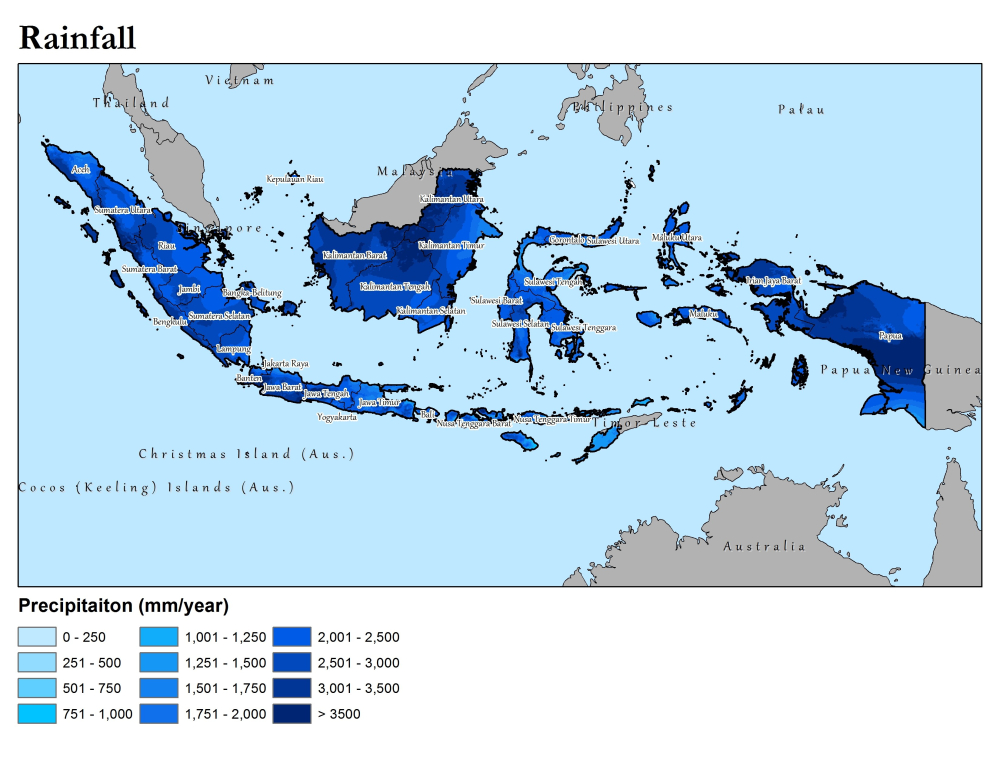
Indonesia is located near the equator and has a tropical rainforest climate, characterized by high temperatures and humidity year-round, with average annual temperatures maintained between 25–27°C and annual rainfall of about 1600–2200 millimeters. Coupled with the widespread volcanic belts across the country, which provide mineral-rich fertile soil, it is highly suitable for coffee cultivation. The main planting altitudes range between 900 and 2100 meters, with the most concentrated cultivation occurring around 1200 meters, capable of producing coffee beans with both complexity and balance.
Indonesia’s coffee harvest season is mainly divided into two periods: the main season falls between September and October each year, and the secondary season is from May to June. The national coffee planting area exceeds one million hectares, accounting for approximately 24% of the total arable land, consisting of about 2.7 billion coffee trees. Of these, 66% come from modernized managed plantations, while the rest are from traditional smallholder farms. Although Robusta accounts for about 90% of Indonesia’s total production, Arabica remains the star of the specialty market, with Mandheling being one of its representative offerings.
The coffee varieties cultivated in Indonesia are diverse, covering the three major categories of Arabica, Robusta, and Liberica. Common sub-varieties include Catucaí, Catimor, Timor Hybrid, Typica, S288, S795, as well as the less common Sidikalang. Among them, Mandheling from Sumatra is predominantly Typica and Catucaí, while the high-altitude areas of West Java commonly feature TIM TIM and Bourbon varieties, the latter of which often exhibit brighter acidity and fruity notes.
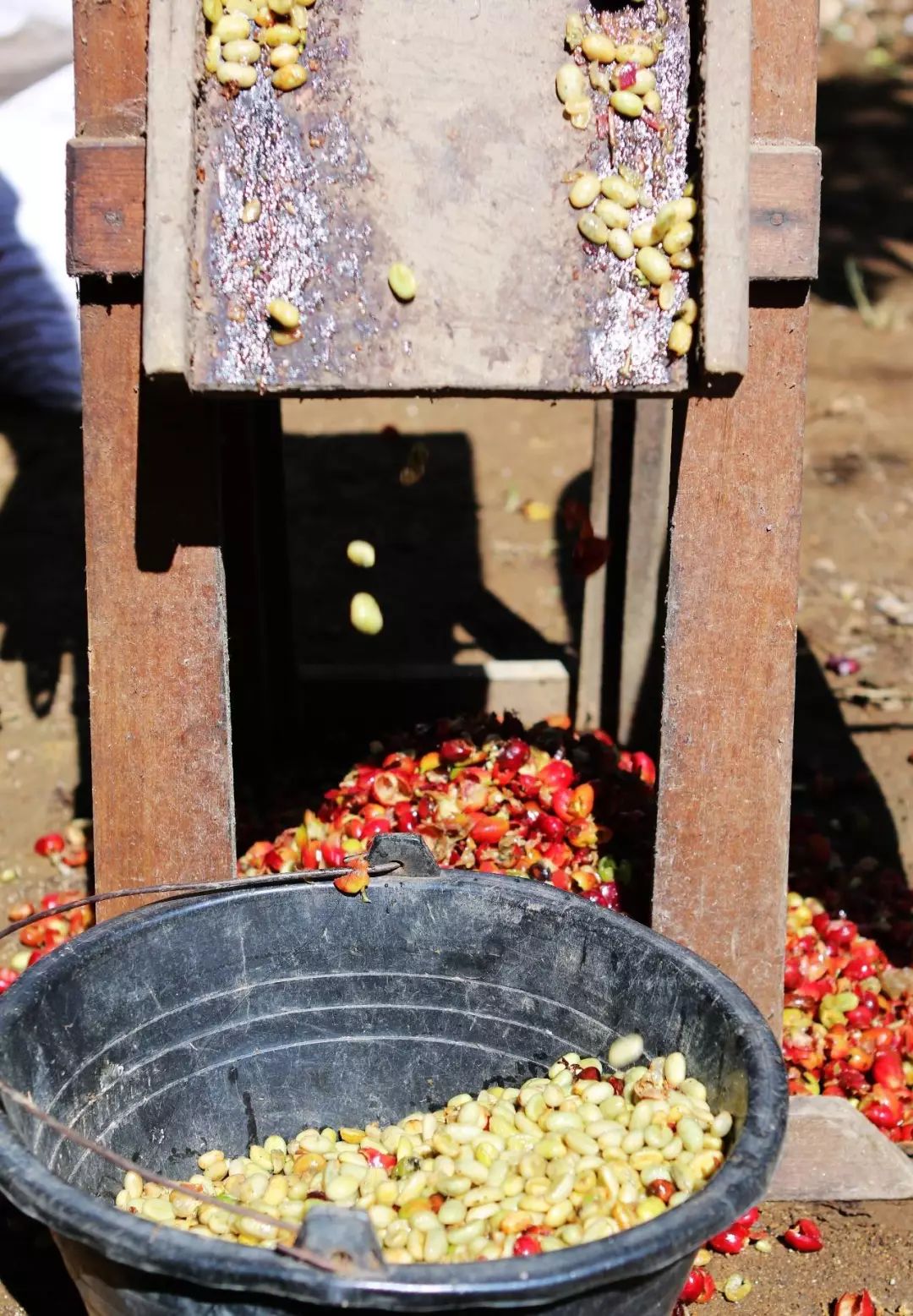
Indonesia’s coffee processing methods are adapted to the humid climate, with mainstream approaches including natural (sun-dried), washed, and the most iconic — wet hulling (giling basah). Wet hulling, which accelerates the drying process while retaining rich flavor compounds, has become the hallmark technique of Sumatran coffee. Its steps include initial removal of the skin and pulp followed by fermentation for about three hours, then partial drying to a moisture content of 30%–50%, subsequent removal of the mucilage and parchment layers, and finally continued drying to a final moisture level of 12%–13%. There is also an aged processing method where wet-hulled beans are sealed and stored for two to three years, allowing the acidity to transform into richer sweetness and spice notes.
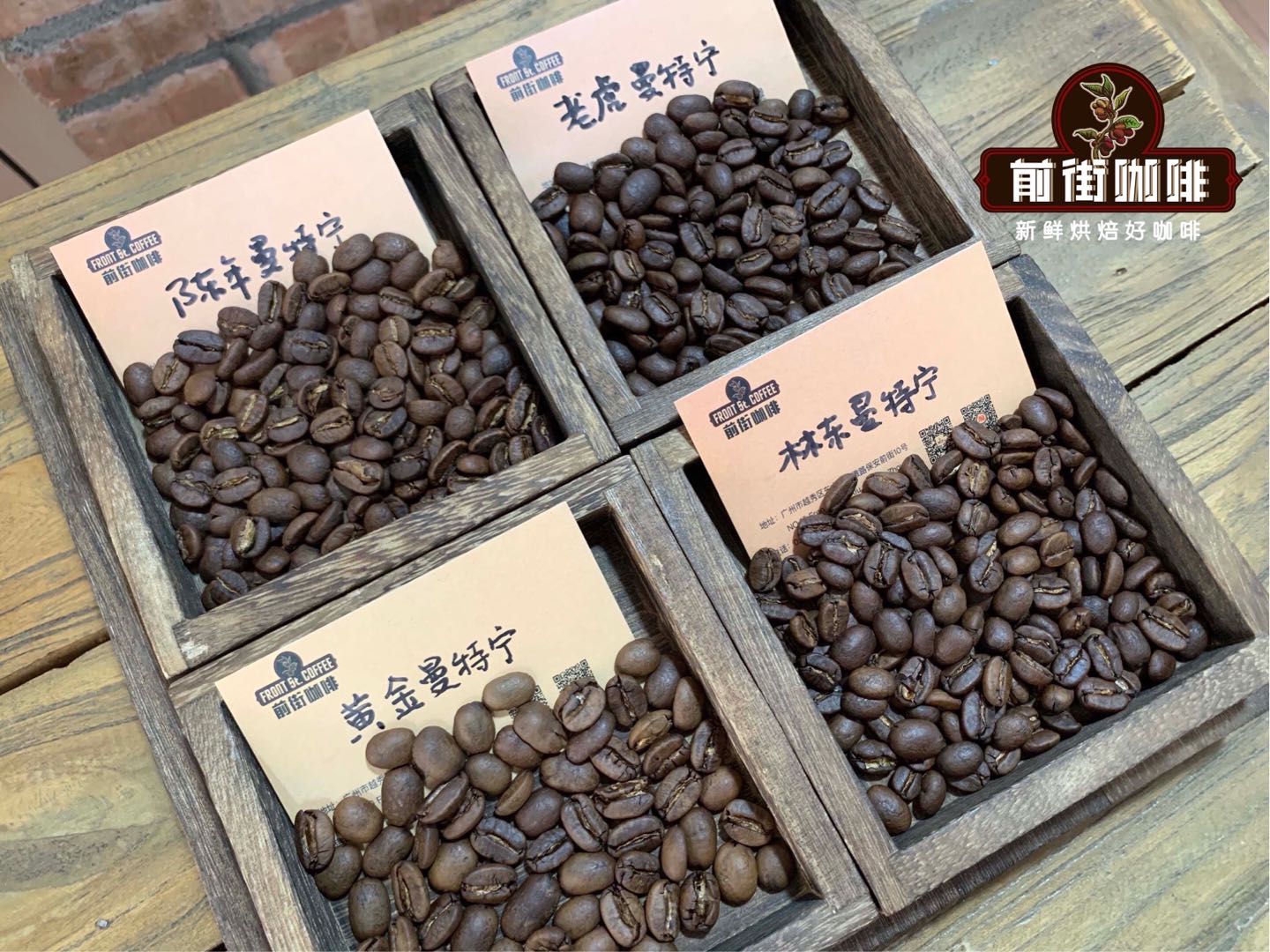
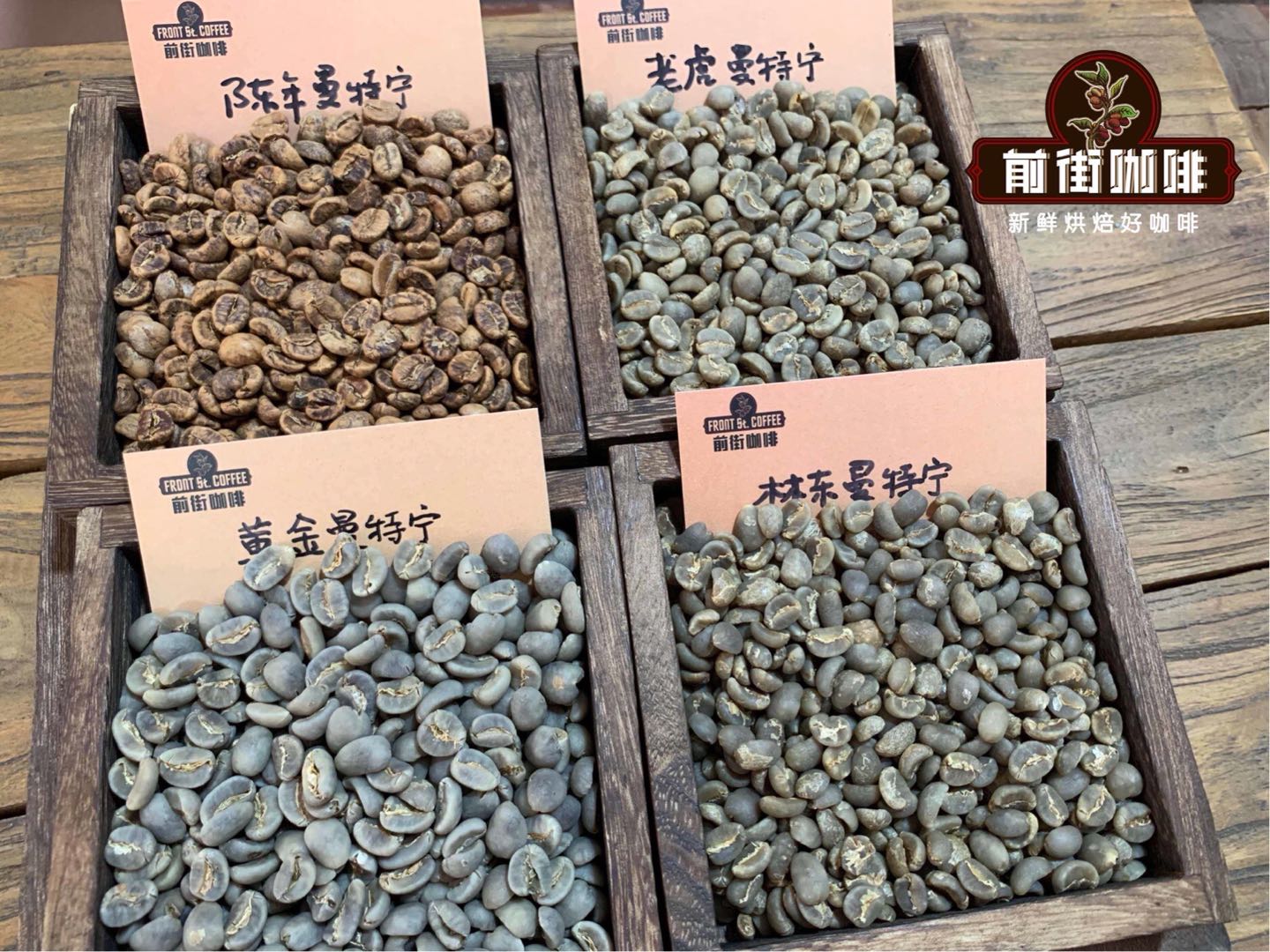
When it comes to Sumatran coffee, Mandheling is undoubtedly the most representative offering. Its main producing areas are concentrated around Lake Toba in northern Sumatra, with common types including Lintong Mandheling, Golden Mandheling, and Aged Mandheling. Lintong Mandheling showcases the most authentic herbal, earthy, and spicy flavors, making it an entry-level choice for many coffee enthusiasts getting to know Mandheling. Golden Mandheling is rigorously selected, with uniform bean size mostly above 18 mesh, resulting in a cleaner, brighter, and more balanced mouthfeel. Aged Mandheling, on the other hand, undergoes long-term storage transformation, developing deeper and more intense flavors, though personal taste preferences may dictate acceptance.
Taking Lintong Mandheling as an example, it is grown at altitudes of 1100 to 1600 meters, with varieties including Typica and Catucaí, and processed using the wet hulling method. Its common flavor profile includes toasted bread, nuts, caramel, pine, and herbs. For pour over brewing, it is recommended to use a Kono filter, with water temperature controlled at 88°C, 15 grams of coffee, a 1:15 powder-to-water ratio, and grind size set to BG#6W (20-mesh sieve, 70%–75% passing rate). The Kono filter, with its rib design concentrated at the bottom, reduces airflow exchange and extends water-coffee contact time, helping to enhance a fuller body. For actual extraction, it is suggested to bloom with 30 grams of water for 30 seconds, then pour in a slow stream until reaching 125 grams for the first pour, and continue pouring to 225 grams just before the coffee bed is exposed, with a total extraction time of about 2 minutes.
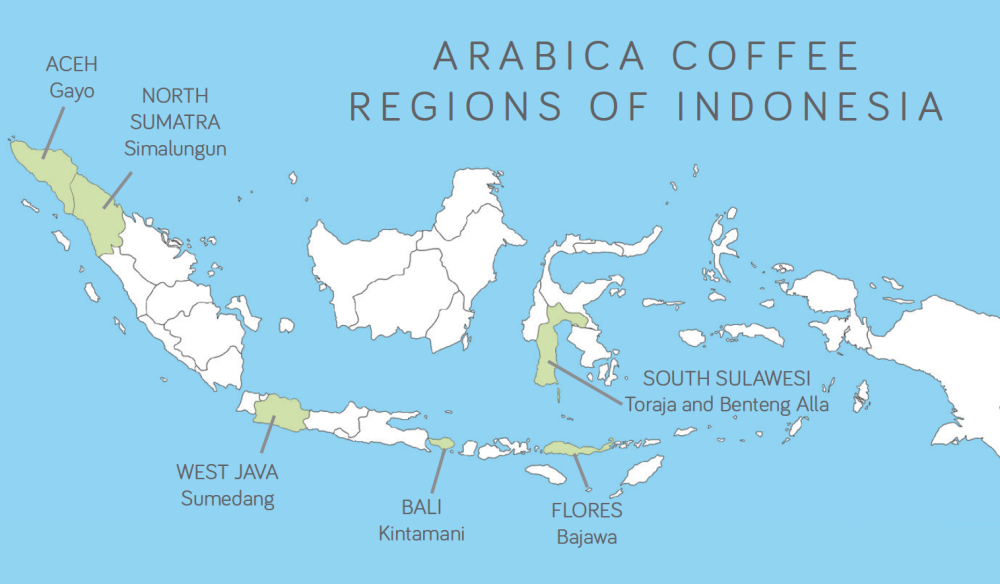
In contrast to the bold and heavy profile of Sumatran coffee, West Java’s high-altitude Arabica presents a completely different flavor spectrum. As one of Indonesia’s primary specialty coffee-producing regions, West Java’s quality estates are mostly concentrated in volcanic areas above 1400 meters altitude, paired with nutrient-rich volcanic soils that yield coffee with soft acidity, delicate aromas, and rich layers.
A notable example is a well-known coffee brand’s West Java Malabar coffee, grown at elevations of 1400 to 1800 meters in West Java, Indonesia, and processed using the natural (sun-dried) method. It is graded as G1 and includes varieties such as TIM TIM and Bourbon. Its flavor profile typically features bright fruit acids such as berries, plums, and citrus, blended with unique notes of cream, hazelnut, cane sugar, chocolate, and oolong tea, resulting in an overall delicate and balanced taste. For pour over brewing, it is recommended to use a V60 filter, with water temperature set at 90°C, the same 15 grams of coffee, a 1:15 powder-to-water ratio, and grind size of BG#6S (20-mesh sieve, 70%–75% passing rate). This grind setting may need fine-tuning based on actual variety, altitude, and processing method, and it is advisable to conduct a screening test upon receiving a new batch.
The pour over extraction also uses a segmented approach: start with a 30-second bloom using 30 grams of water, then pour in a slow stream until reaching 125 grams for the first pour, and continue pouring to 225 grams as the water level drops and is about to expose the coffee bed, maintaining a total extraction time of around 2 minutes. By controlling water temperature, grind size, and pouring rhythm, the fruity aroma and sweet layers of West Java Malabar can be more fully expressed.
In summary, Sumatra Mandheling and West Java high-altitude Arabica each represent two typical profiles of Indonesian coffee: the former excels with intense herbal, spicy, and full-bodied flavors, suiting those who prefer bold profiles; the latter showcases bright fruit acids, delicate aromas, and soft sweetness, appealing more to coffee lovers who enjoy fruity notes and balanced cups. Regardless of which type you choose, mastering the correct background in processing, flavor characteristics, and pour over parameters will allow you to more deeply experience the unique charm of Indonesian coffee.
The above content is compiled by CoffeeHunters, a coffee news website.


