







Introduction:Walking into a coffee shop, are you overwhelmed by the array of espresso-based drink options? From espresso to caramel macchiato, each beverage has its unique flavor profile and brewing method. This article takes an in-depth look at ten popular espresso drinks, covering key details such as recipe ratios, milk foam thickness, and layering techniques—helping you understand the core differences from espresso to caramel macchiato, so you can order with confidence and better appreciate the barista’s craft.
Stepping into any coffee shop, the list of espresso drinks on the menu might leave you unsure where to start. Espresso, Americano, Latte, Cappuccino, Flat White, Mocha, Dirty, Macchiato, Affogato, and Caramel Macchiato—what exactly sets these classic drinks apart, and how do you tell them apart? This article will break down the recipe logic, taste characteristics, and preparation standards of each coffee, from the espresso base to milk ratios, from foam texture to layering skills. You’ll easily grasp the coffee science behind the menu and find your perfect match.
① Espresso (Espresso)
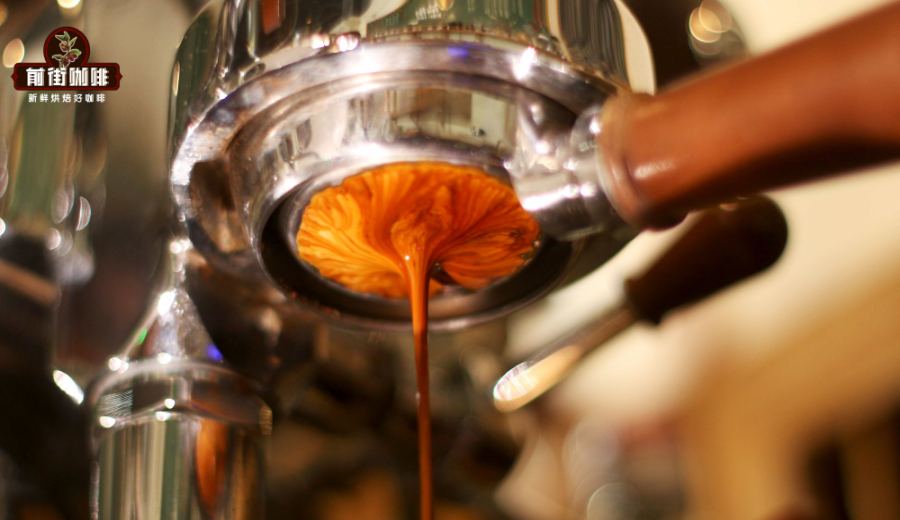
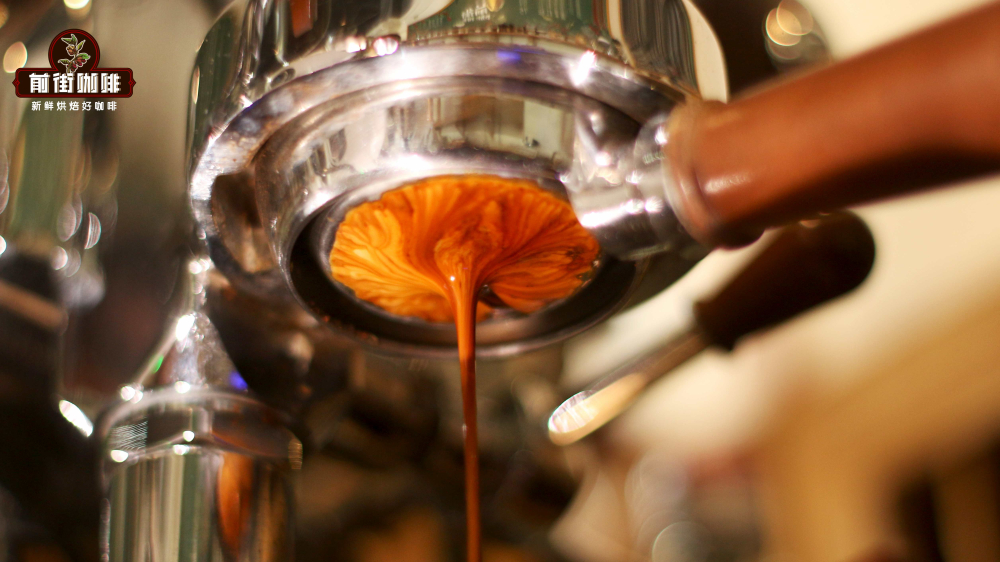
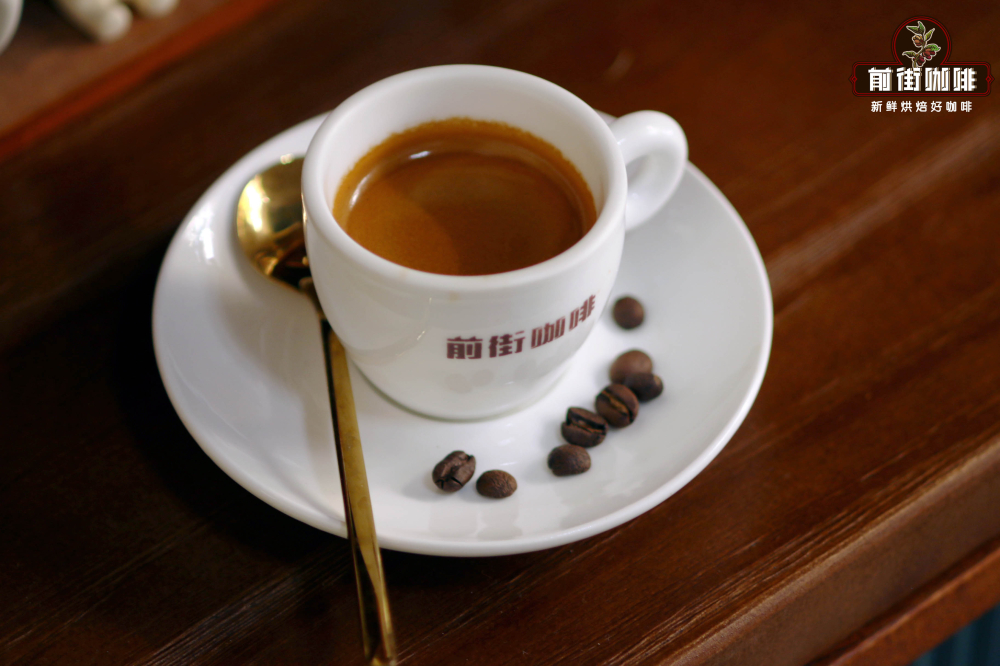
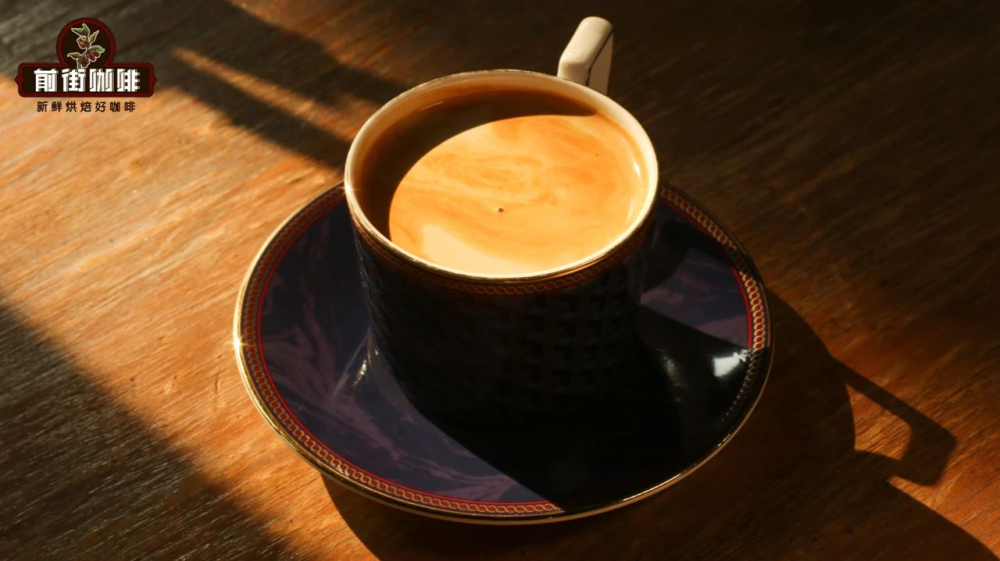
Espresso is the soul of all espresso-based drinks. It’s made by forcing hot water through finely-ground coffee beans under high pressure (about 9 atmospheres), extracting a rich, highly concentrated coffee with a caramel-like finish. The hallmark of this coffee is its fine and abundant crema (coffee foam), usually produced using a double shot (20 grams of coffee grounds, yielding about 40 grams of espresso), with a noticeable and dense crema layer.Note: The water temperature and pressure during extraction must remain stable; otherwise, it will affect the overall flavor.
② Americano (Americano)
The Americano is made by diluting espresso with hot water. It originated during World War II when American soldiers adjusted the intense flavor of Italian espresso. A common ratio is 40 grams of espresso mixed with 180 milliliters of hot water, totaling about 220 milliliters, with a ratio of approximately 1:4.5 espresso to water. This coffee has a lighter, more refreshing taste but still retains the core aroma of espresso, making it suitable for those who aren’t used to strong coffee.
③ Latte (Latte)
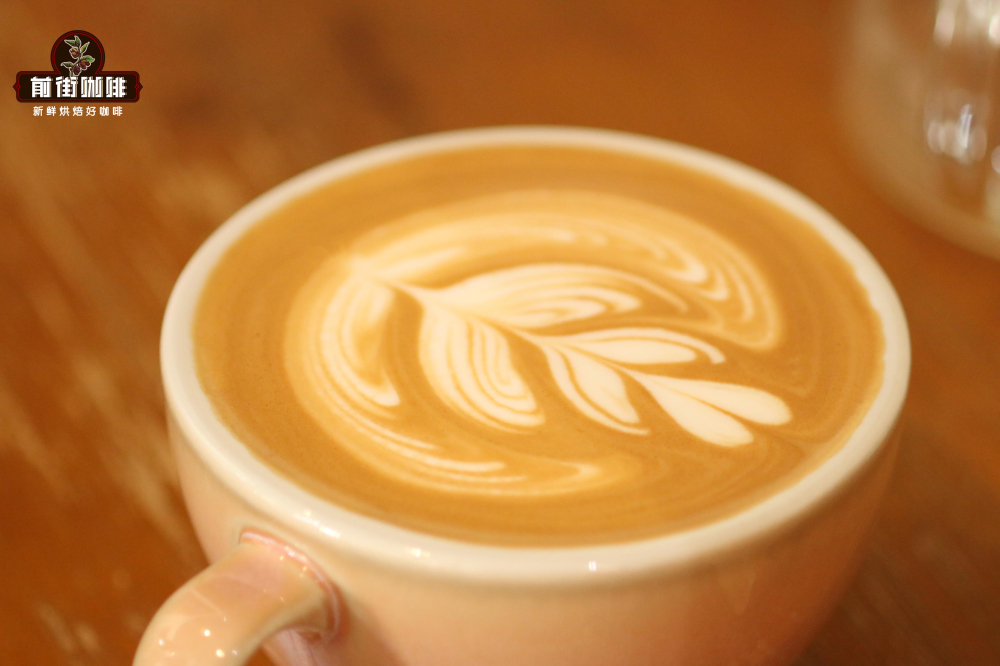
In Italian, “latte” means “milk.” This is a classic coffee made with espresso as the base, paired with a large amount of milk and a small amount of milk foam. A typical recipe includes a double shot (40 grams) of espresso, 260 grams of milk, and about 1 centimeter of milk foam. It’s ideal for latte art, offering a balanced flavor between milk and coffee.The key lies in controlling the thickness of the milk foam—too thick, and it will mask the coffee’s inherent taste.
④ Cappuccino (Cappuccino)
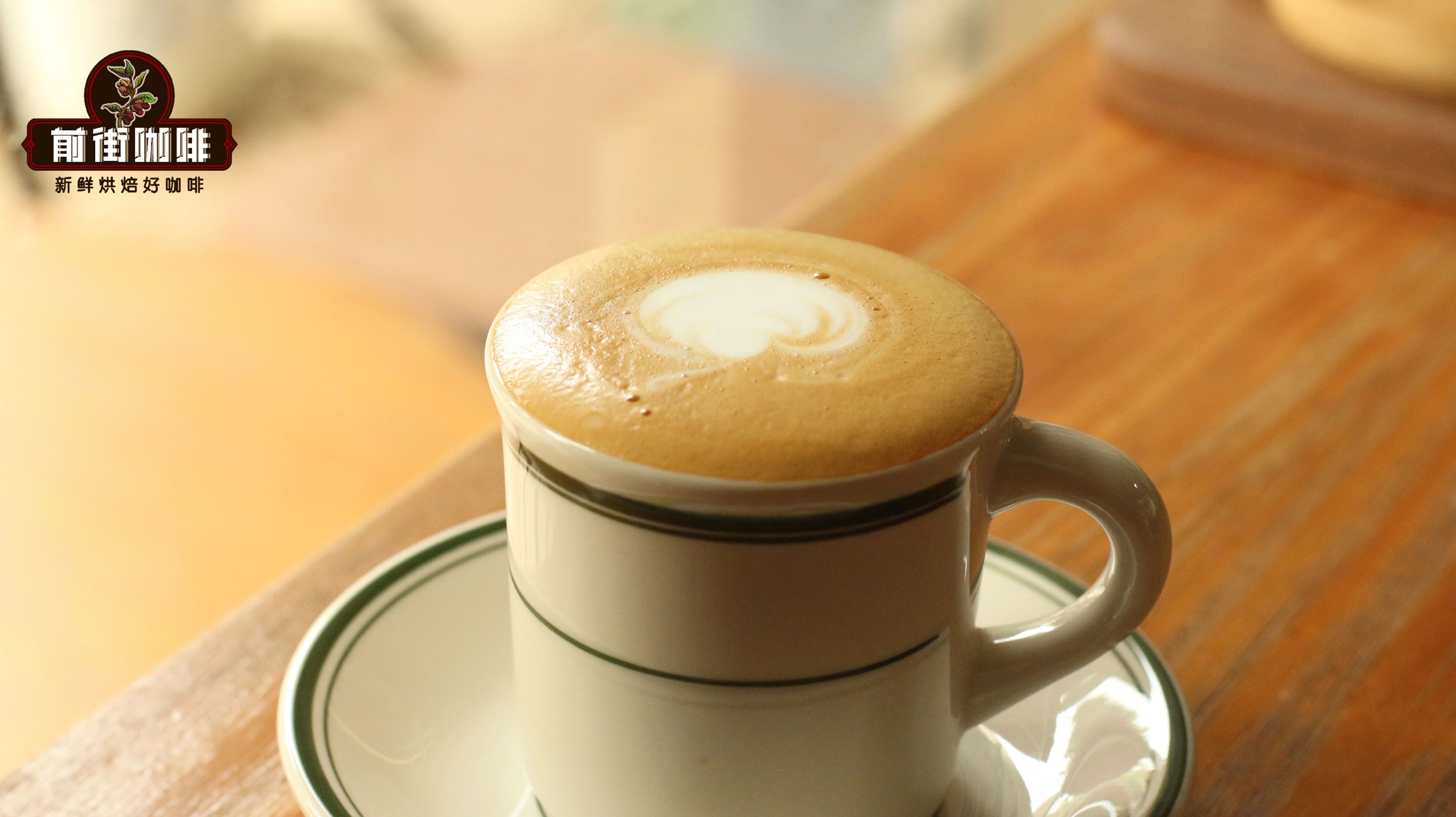
Similar to a latte, but with thicker and fluffier milk foam and a smaller overall volume, the cappuccino follows a ratio close to 1:1:1 (espresso:milk:foam). Traditionally served in a tulip cup, it features a richly layered foam, a more intense taste, and prominent milk aroma. This coffee has the thickest foam among all espresso drinks, delivering a unique mouthfeel.
⑤ Flat White (Flat White)
Originating from Australia and New Zealand, the flat white can be seen as a more concentrated version of the latte. Its defining traits are a smaller serving size (about 220 milliliters), less milk, and extremely thin milk foam (about 0.5 centimeters), allowing the coffee aroma to shine through more prominently.When preparing, pay attention to the fineness of the milk foam—as overly thick foam can hinder the integration of coffee and milk.
⑥ Mocha (Mocha)
Mocha combines coffee, milk, and chocolate for a sweet yet not overly rich classic choice. A common recipe includes 40 grams of espresso, 20 grams of chocolate syrup, and 260 grams of hot milk. It’s perfect for those who enjoy a blend of sweetness and coffee aroma. There’s also a white mocha variant that uses white chocolate instead of dark chocolate, resulting in a smoother flavor.
⑦ Dirty Coffee (Dirty)
Dirty is an iced coffee that emphasizes a visual and temperature contrast. Its highlight is the absence of ice cubes, letting hot espresso pour directly into cold milk to create a distinct layered effect.The key is the distance between the espresso spout and the milk surface (about 1 centimeter is recommended), as well as controlling the flow rate to maintain clear separation between layers.It’s best enjoyed quickly to experience the transition from hot to cold flavors.
⑧ Macchiato (Macchiato)
In Italian, “macchiato” means “marked.” The traditional method involves adding a small amount of milk foam to espresso as a mark, creating a striking black-and-white visual effect. The modern version typically consists of 40 grams of espresso topped with a spoonful of fine milk foam, offering a rich taste with a gentle touch of milk aroma.
⑨ Affogato (Affogato)
Affogato is a creative dessert coffee where espresso is poured over vanilla ice cream, providing a bold hot-and-cold contrast. It’s great for summer enjoyment. Simple to make but uniquely flavorful, the coffee’s aroma blends perfectly with the ice cream’s sweetness.
⑩ Caramel Macchiato (Caramel Macchiato)
Caramel macchiato isn’t a traditional macchiato, but rather a sweet espresso creation by Starbucks. For a medium cup (355 milliliters), it includes about 30 milliliters of espresso, a generous amount of milk, vanilla syrup, and caramel sauce, along with fluffy milk foam. The result is a sweet, rich flavor, perfect for coffee lovers with a sweet tooth.
The above content is compiled by CoffeeHunters, a coffee news website.


