








Introduction:Panamanian Geisha coffee has long held a top position in the specialty coffee market, not only achieving record-breaking auction prices but also winning the favor of numerous coffee enthusiasts with its unique floral and fruity aromas and bright acidity. This article will delve into three renowned Geisha estates — Hacienda La Esmeralda, Ninety Plus, and Finca Sophia — analyze in detail the grading logic behind Emerald, Green, and Blue labels from Emerald Estate, and explore the environmental requirements and challenges of growing Geisha, helping you fully grasp the essence of this top-tier coffee.
In the world of specialty coffee, the Geisha variety is like a shining jewel, especially Panamanian Geisha, which has consistently ranked as the most expensive coffee globally. Since its stunning debut at the Best of Panama (BOP) competition in 2004, Geisha has not only impressed with its extraordinary flavor profile but also maintained exceptionally high market value. When many coffee lovers walk into a café, they often wonder which coffee is the most highly regarded. Though the answer varies — some prefer the bold herbal and dark chocolate notes of Mandheling, others are drawn to the gentle floral aroma and sweet aftertaste of Flower Bomb, and some are especially fond of the intense wine-like fermentation characteristics of Sherry — when it comes to price per unit, Geisha is undoubtedly the most expensive option in the shop.
Although Panama is not among the world's top coffee-producing countries, it has given rise to the most astonishingly priced Geisha coffee on the market today. This article will introduce you to three heavyweight estates closely associated with Geisha: Hacienda La Esmeralda, the Ninety Plus Geisha Estate, and Finca Sophia, while providing a comprehensive analysis of the grading system for Emerald’s Red, Green, and Blue labels. It will also explore the uniqueness and challenges of growing Geisha.

Customers visiting a coffee shop often ask which coffee is most worth trying. However, "the best-tasting" is an extremely subjective experience, as different consumers have varying flavor preferences. Some are captivated by the blend of herbal and dark chocolate notes unique to Mandheling; others are drawn to the gentle mouthfeel and delicate floral aftertaste of Flower Bomb; still others seek out the intense wine aroma and layered fermentation of Sherry. In truth, there is no definitive "ultimate champion," but if we’re talking about price, Geisha is undoubtedly the pinnacle of specialty coffee.
Though Panama is not a global leader in coffee production, its unique geographical environment and high-altitude regions have nurtured the world’s most expensive Geisha coffee. Since the 2004 BOP competition, Geisha has not only taken the specialty coffee world by storm, but its auction prices have repeatedly reached new heights. This article will focus on three top-tier estates closely tied to Geisha, taking you in-depth into their cultivation philosophies, processing methods, and grading standards.
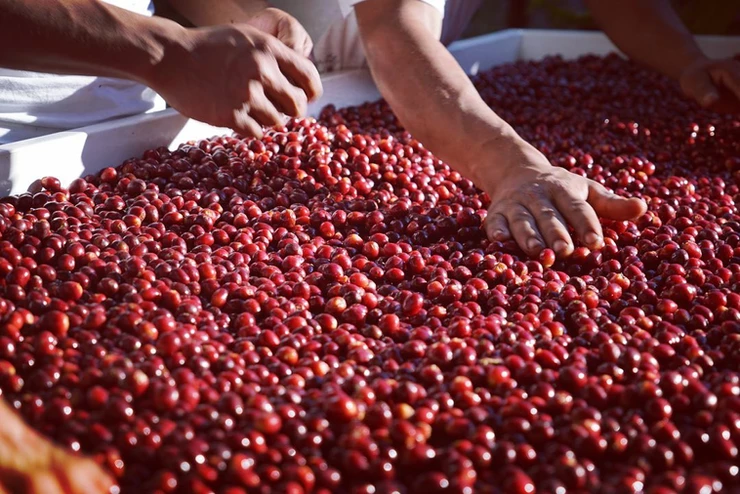
The design inspiration for Ninety Plus (90+) Geisha Estate stems from the natural ecosystem of Ethiopia’s wild coffee forests. The Geisha variety and numerous Heirloom varieties originally come from Ethiopia’s pristine forests. These wild varieties can live for up to a hundred years but are extremely rare and thus highly precious. In 2009, founder Joseph Brodsky acquired approximately 200 hectares of land and began planting Ethiopian Geisha, which thrives in shaded environments. Starting in 2014, the estate undertook large-scale Geisha cultivation and within just six years, won the World Brewers Cup championship five times.
It is understood that Ninety Plus currently offers five major series: Signature (Signature Series), Innovation (Innovation Series), Founder’s Selection (Founder’s Selection Series), Limited Edition (Limited Edition Series), and Ascent (Ascent Series). The Signature Series includes five single-origin beans — Nekisse, Lycello, Juliette, Perci, and Lotus — plus one Heirloom blend. The Innovation Series features five products: Ruby, Carmo, Tigre, Yuzo, and Kule. Founder’s Selection has so far launched three Geisha lots (#0602, #0526B, #0317), with a starting price of $200 per 10 grams. The Limited Edition Series currently includes only one mixed Geisha coffee, with the website specifically stating that each serving contains only 1 gram of Geisha. The Ascent Series includes three Geisha varieties — Drima Zede, Kemgin, and Kambera — priced at $19, $21.85, and $24.70 per pound, respectively.
It should be noted that Ninety Plus does not mean that the cupping score must reach 90 or above. Instead, it represents the brand’s commitment to selecting the world’s finest coffees, personally participating in every step from planting, harvesting, processing to cupping. The beans are meticulously processed based on variety, climate, and ripeness, and are finally released under the Ninety Plus brand name. Additionally, Ninety Plus actively promotes sustainable agriculture and ecological conservation, undertaking coffee forest restoration projects spanning over 1,500 hectares in Panama and Ethiopia. Through technology transfer and economic support, the brand improves the livelihoods of local coffee farmers and maintains ecological balance, making it a luxury representative in the coffee industry.

Among the regular offerings at a certain coffee shop, Hacienda La Esmeralda’s Geisha has long held a place. The estate dates back to 1967, when it was purchased by Swedish-American banker Rudolph A. Peterson. Originally used only for grazing, with sporadic coffee plantings. In 1997, the Peterson family expanded their territory by acquiring the higher-elevation Jaramillo farm, focusing on cultivating high-quality coffee.
It is said that Geisha was initially planted only as a windbreak until 2004, when a chance cupping session revealed its astonishing potential. Thanks to its outstanding flavor performance, it won the BOP championship that year, setting a historic high price. Notably, Hacienda La Esmeralda pioneered the zoning auction system that year, independently processing and auctioning Geisha from different plots, thus establishing the auction model for Red Label Geisha in the future.
Emerald Selection (Red Label Geisha) strictly selects Geisha beans grown at elevations of 1,600–1,800 meters with cupping scores of 90 or above, and is limited to the two high-altitude regions of Jaramillo and Cañas Verdes. These beans must be part of the independent auctions hosted by Hacienda La Esmeralda, with specific lots chosen through competitive bidding to qualify as Red Label. Currently, non-auction Red Labels are also available on the market. Though sourced from the same plots, they do not go through the auction process, making them relatively more affordable, yet maintaining a high level of quality and flavor.
Private Collection (Green Label Geisha) differs from the Red Label in that it is not from auction lots but is composed of blends from multiple micro-regions. It is sourced from areas such as Jaramillo and Cañas Verdes, also at elevations of 1,600–1,800 meters. Because specific plots are not meticulously labeled, the Green Label often shares a high degree of similarity in flavor with the Red Label, showcasing classic Geisha traits such as floral, fruity, citrus acidity, and rich mouthfeel. It is a popular entry-level choice for many Geisha enthusiasts.
Additionally, Geisha has an interesting characteristic: the more extreme or demanding the growing environment, the better its flavor performance tends to be. However, this also makes harvesting much more difficult and yields extremely limited. This is why only estates with ideal altitude, microclimate, and meticulous management conditions can produce high-quality Geisha, and Hacienda La Esmeralda is among the best.
Geisha 1500 (Blue Label Geisha) was discontinued after 2021, but it is still important to understand its background. The Blue Label uses a blend of beans grown at elevations of 1,400–1,500 meters from three regions — Jaramillo, Cañas Verdes, and El Velo. Compared to Red and Green Labels, it has a lighter body but still retains the classic flavor characteristics of Geisha. A certain coffee shop purchased Blue Label green beans from the 2020 harvest, offering consumers a more diverse Geisha experience.
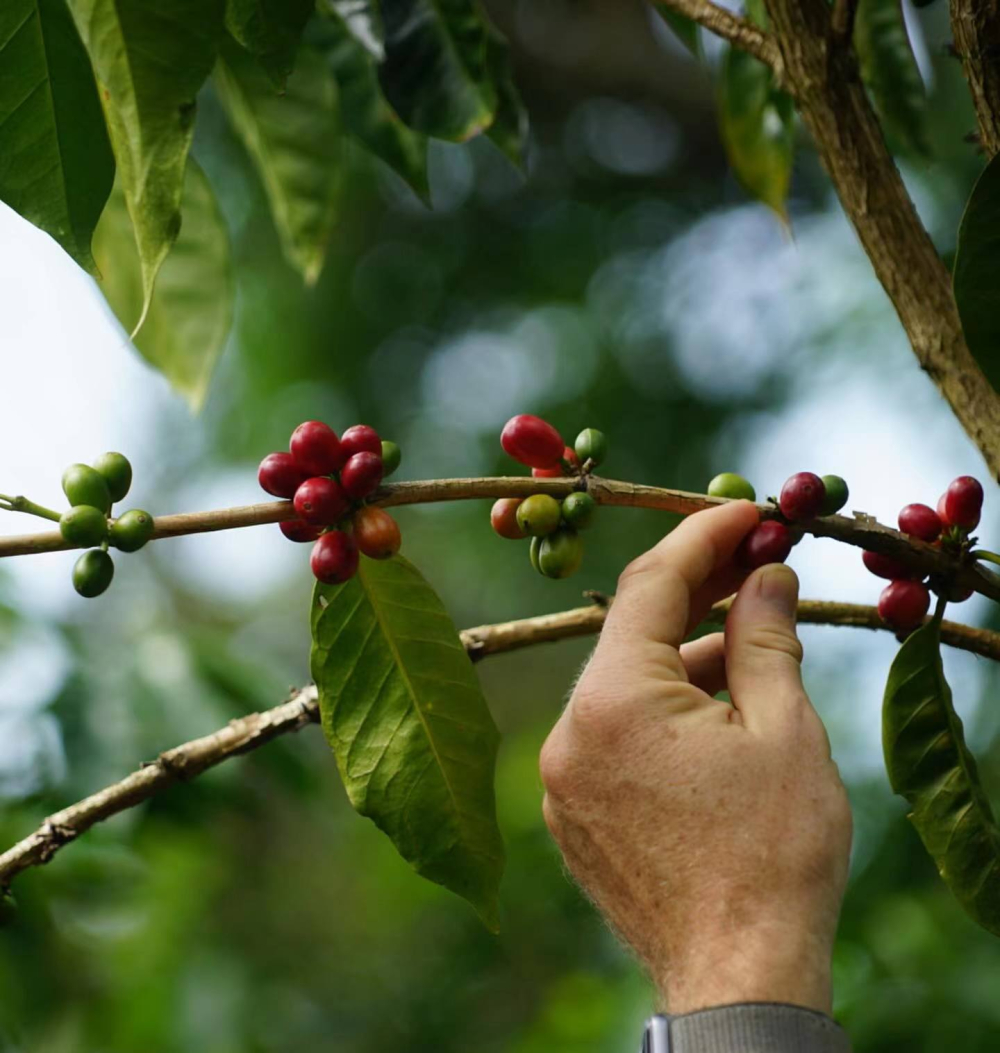
In addition to Emerald and Ninety Plus, another noteworthy Geisha estate is Finca Sophia. Established in 2008, this estate is located in the Panamanian highlands near Nueva Suiza, boasting magnificent views of Cerro Punta and Volcán Barú, as well as dense tropical forests. Known for its experimental cultivation, Finca Sophia is dedicated to exploring the limits of coffee growing in Panama. In 2016, it won the Good Food Awards, placed first in the washed category of the BOP competition in 2017, and took second place in the natural category in 2020, showcasing its exceptional processing techniques and varietal potential. In the future, we will also provide more in-depth special features on the major Geisha estates.
The above content is compiled by CoffeeHunters, a coffee news website.


