







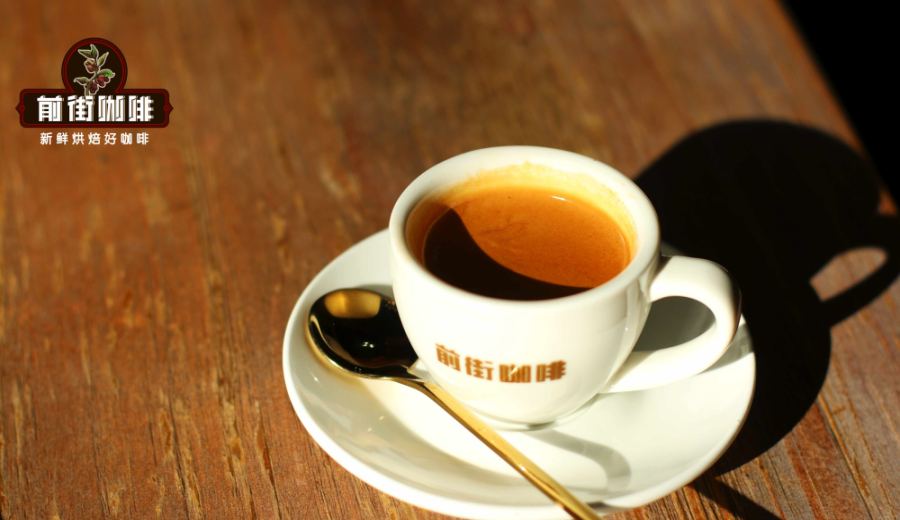
Introduction:Espresso is often seen as a test of a barista’s skill and a deep experience for coffee enthusiasts. This article delves into the methods of evaluating espresso, from its basic purpose of drinking, how it differs from pour over coffee, to practical steps such as pairing with ice water, stirring techniques, and segmented tasting. It helps readers grasp the texture, aroma, and aftertaste of espresso. It also explains whether sugar can be added to espresso and the beans and brewing conditions required to make a good shot.
On the hidden menus of many coffee shops, espresso is often the go-to choice for advanced coffee lovers, yet it can be unfamiliar to many beginners. This quick-to-serve, intense coffee was originally created in Italy for a caffeine boost, but today it has become an important vehicle for appreciating the depth of coffee flavors. However, for first-timers, common questions arise: “How do you drink espresso?” and “How do you evaluate it?”

In fact, the charm of espresso lies not only in its concentrated essence but also in the delicate experience of drinking it. Compared to pour over coffee, where you can distinctly perceive the evolution of flavor across high, medium, and low temperature stages, espresso—due to its high coffee-to-water ratio and high-pressure extraction—has a more concentrated flavor and is usually consumed in one go, making it difficult to discern subtle changes. Additionally, its unique body and crema (coffee foam) offer a distinctive texture and aroma structure.
So, what exactly are we tasting when we drink espresso? The focus isn’t on a single flavor, but rather on the overall balance and cleanliness. A high-quality espresso should have clear yet not muddled aromas, a balanced acidity, sweetness, and bitterness, and a lingering aftertaste that leaves a lasting impression. The body (texture) and the fineness of the crema layer are also important indicators of its quality.
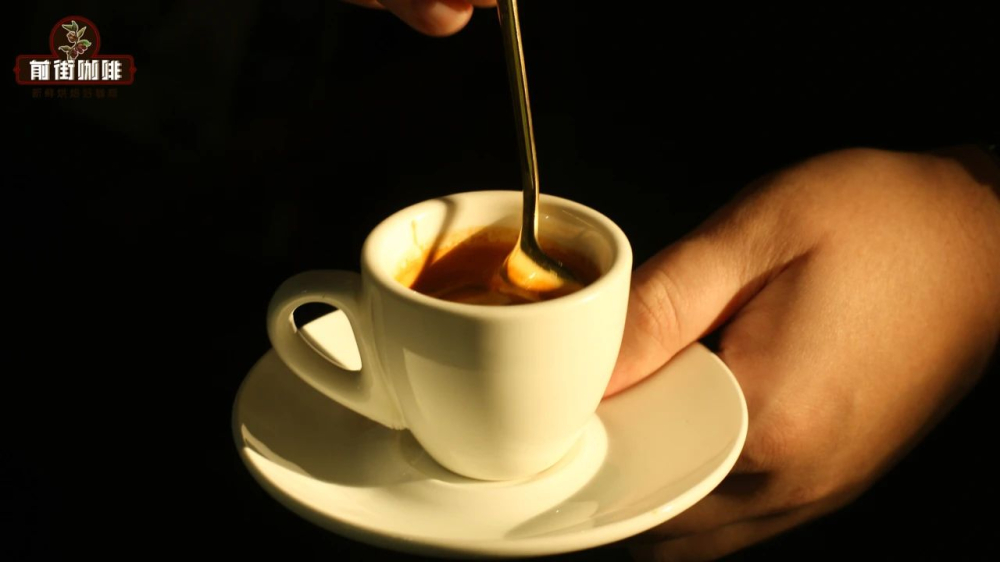
Many regular espresso drinkers may notice that baristas often serve a glass of ice water alongside. This isn’t just a thoughtful service detail—it serves a practical purpose. First, taking a sip of ice water cleanses the palate and resets the taste buds, helping you capture the delicate flavors of the espresso more keenly. Next, many people use the provided coffee spoon to gently stir the espresso, mixing the thinner top layer with the denser bottom layer for a more complete flavor profile. Of course, if you want to experience the natural layering of the espresso, you can choose not to stir and instead take a few sips to enjoy it as is.
It’s recommended to drink the espresso in three to four sips, using the tip of your tongue to feel its smoothness or heaviness, while the sides of your tongue can more acutely detect acidity. After drinking, close your mouth and gently exhale to further perceive its aroma and aftertaste. Overall, evaluating espresso is not just a taste enjoyment, but a comprehensive experience involving touch, smell, and mouthfeel.
As for the common question “Can you add sugar to espresso?”, the answer is yes. Especially for those new to espresso, adding a moderate amount of granulated or brown sugar can not only soften its intense flavor but also help bring out the coffee’s inherent caramel notes, making the overall flavor rounder and more approachable. However, if you want to truly experience the essence of espresso, it’s recommended to try it without sugar first, then adjust according to personal preference.
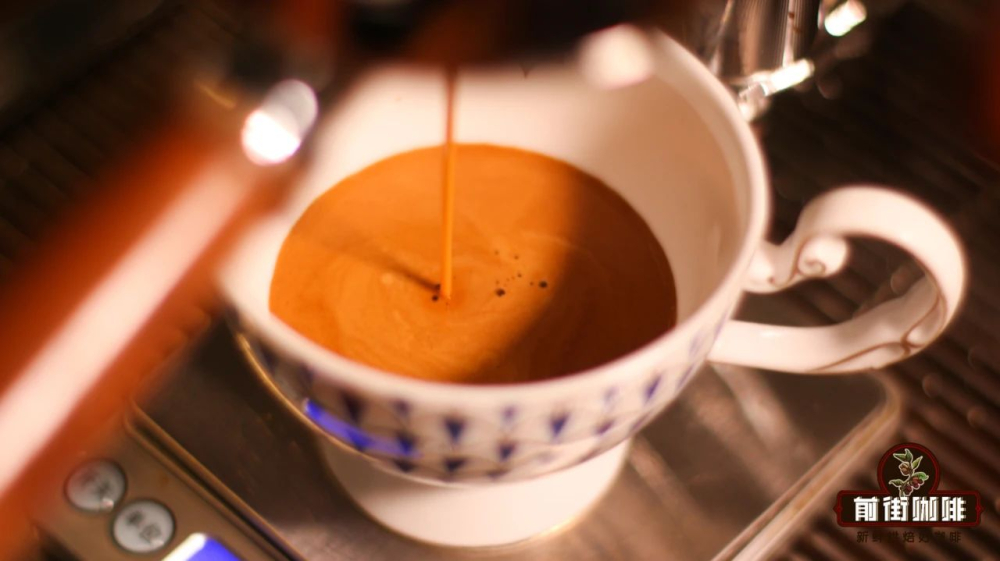
An outstanding espresso is inseparable from high-quality coffee beans and precise extraction techniques. Generally, espresso uses a high coffee-to-water ratio (about 1:2), extracted under high pressure (9 bar) for a short time (25–30 seconds) to produce a small volume (about 30 ml) of concentrated liquid. These extraction conditions fully bring out the essence of the coffee while forming a fine and persistent crema, adding layers to the mouthfeel.
In terms of bean selection, common espresso blends are mostly dark roasted, combining beans from different regions to balance flavors. For example, blending the sweetness and richness of Brazilian beans with the boldness and earthy characteristics of Indonesian and Vietnamese beans can create a rich and layered coffee base. This not only suits pure espresso but also serves as an ideal choice for milk-based coffees like Americano and latte.
In summary, evaluating espresso is an art that combines technique and sensory perception. From cleansing the palate with ice water, appropriate stirring, segmented tasting, to feeling the body and aftertaste, each step allows you to better understand the exquisite craftsmanship and rich expression behind each shot. Whether you’re a beginner or an experienced coffee lover, mastering these details will bring you a fresh experience with every cup of espresso.
The above content is compiled by CoffeeHunters, a coffee news website.


