







Introduction:Jamaica Blue Mountain coffee has long been hailed as the pinnacle of the coffee world, with its rarity and unique flavor profile captivating coffee enthusiasts worldwide. This article delves into the history, market positioning, and methods for authenticating Blue Mountain coffee, as well as providing an in-depth look at its grading system and the characteristics of each grade. It also offers expert pour-over brewing recommendations — including suitable filter cones, water temperature, grind size, and coffee-to-water ratio — guiding you step-by-step on how to properly bring out the rich complexity and delicate flavors of Jamaica Blue Mountain No. 1.
In the era when specialty coffee was not yet widely embraced, dark roasted beans with intense bitterness often dominated the market. However, Jamaica Blue Mountain coffee, with its irreplaceable flavor profile, has long secured its place among the world’s top-tier coffees. Both professional judges and coffee aficionados praise its balanced acidity and sweetness, along with its full-bodied mouthfeel. To truly understand this legendary coffee, we’ll comprehensively break it down from its history, origin, grading, to brewing techniques.
The unique terroir of the Jamaica Blue Mountains provides the exceptional foundation for the flavor of Blue Mountain coffee. As early as the first half of the 20th century, Blue Mountain coffee gained international recognition due to its stable quality and rarity. What truly propelled Blue Mountain to fame was the financial and technical support provided by Japan’s UCC Group after Hurricane Gilbert struck Jamaica in 1969. In return, the Jamaican government signed a 30-year quota agreement with Japan, reserving 90% of its annual production for the Japanese market — only about 10%, or roughly 245 tons, were allocated to other regions globally. This exclusivity further enhanced the rarity, value, and prestige of Blue Mountain coffee.
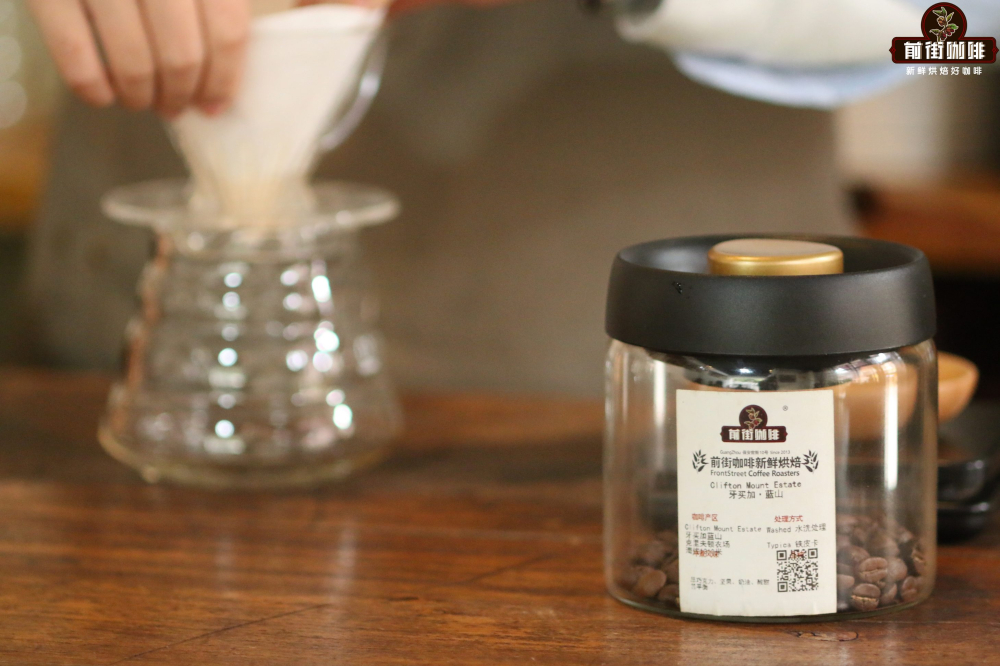
Over time, Blue Mountain coffee gradually entered markets in Singapore, South Korea, Hong Kong, Taiwan, and mainland China. Especially after the year 2000, it became a “dream coffee” for many Chinese coffee lovers. After the 2008 global financial crisis, the quota restrictions were lifted, allowing more Blue Mountain coffee to flow into other markets. Today, consumers can even directly purchase authentic Jamaica Blue Mountain No. 1 sourced from the island’s original production areas, such as the traditionally washed premium beans produced by the Clifton Estate.
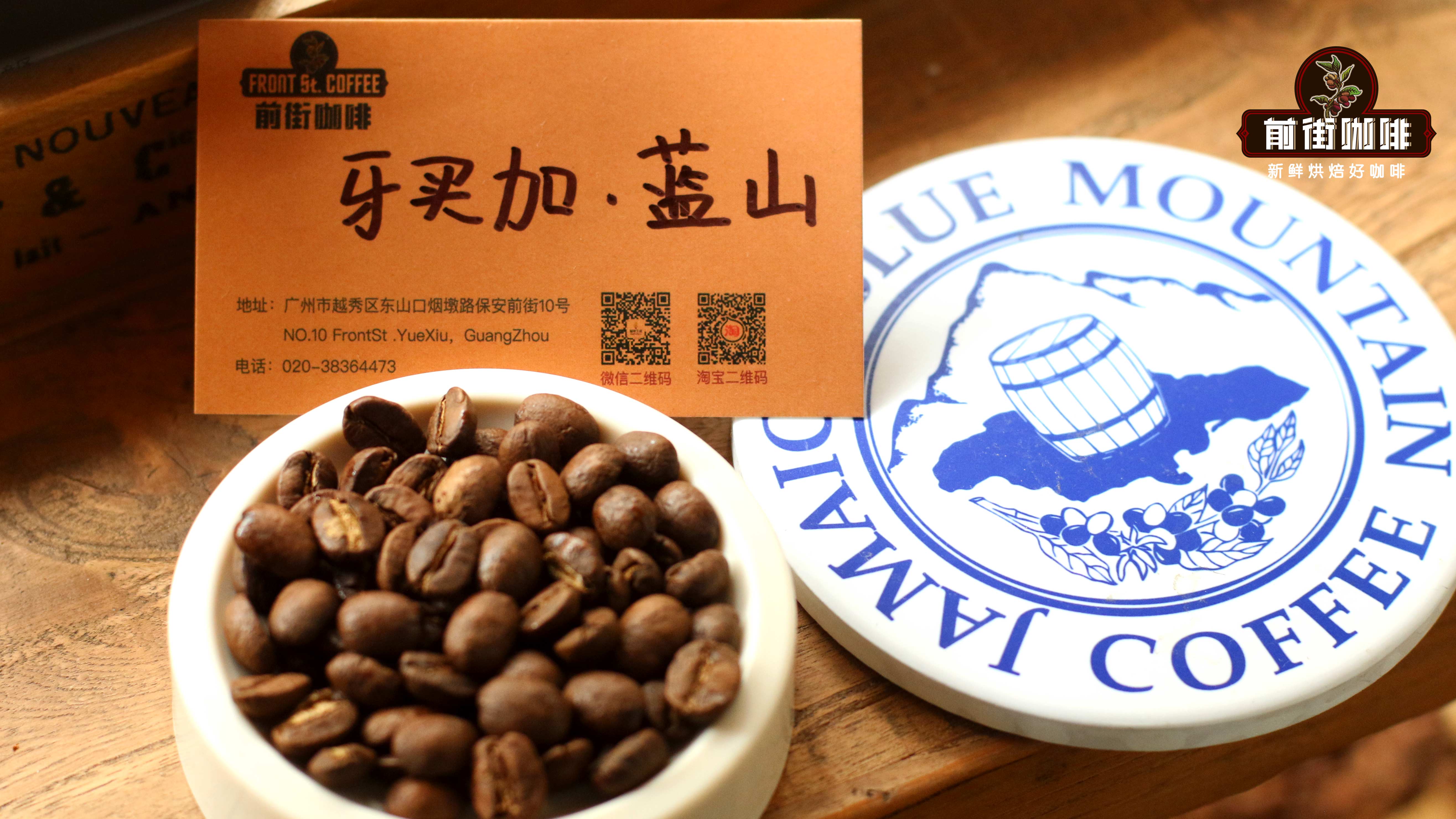
It’s worth noting that many products on the market labeled as having a “Blue Mountain flavor” or being a “Blue Mountain blend” are largely unrelated to genuine Blue Mountain coffee. Some are even low-cost blends or instant coffees that simply borrow the name to attract customers. To identify true Blue Mountain coffee, first check if it is transported in handmade oak barrels — a unique method of coffee transport in Jamaica that helps preserve the moisture content and aroma stability of the beans. Moreover, authentic Blue Mountain coffee must be certified by the Jamaica Coffee Industry Board (CIB), accompanied by a certificate of origin and authorization documents. Consumers can request these proofs from sellers to verify authenticity.
Blue Mountain coffee is divided into four grades according to strict quality standards, evaluated and certified by the Jamaica Coffee Industry Board (CIB). The main evaluation criteria include bean size, defect rate, color uniformity, as well as cupping attributes such as aroma, acidity, body, and aftertaste. Screen size determines the bean specifications, while color is assessed using both professional instruments and visual inspection, where a bluish-green hue is considered the highest-grade indicator.
The grades, ranked from highest to lowest, are: NO.1 (Blue Mountain No. 1), NO.2, NO.3, and PB (Peaberry, commonly referred to as Blue Mountain Peaberry). Among them, the standards for Blue Mountain No. 1 are the most stringent, requiring a screen size of 17 or above, a defect rate below 3%, a moisture content of around 13%, and cupping results that exhibit gentle acidity, rich aroma, and an exceptionally balanced profile to achieve the highest rating.
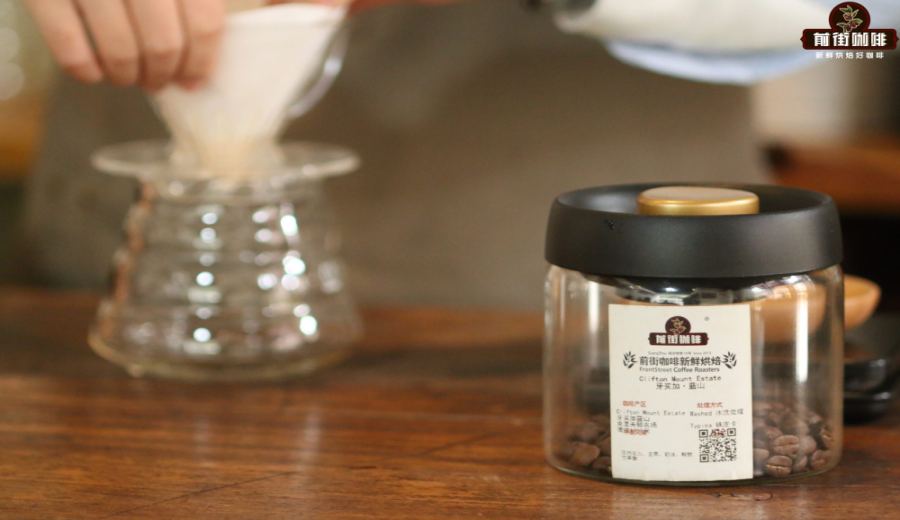
Given the high quality of Blue Mountain No. 1, it would be a shame to waste it due to improper brewing. First and foremost, the freshness of the coffee beans is crucial. It is recommended to choose beans roasted within five days to fully experience their vibrant aroma and layered flavors. This brand also strictly controls shipments, dispatching only freshly roasted batches within five days to ensure that every consumer can enjoy the optimal flavor window.
When brewing Blue Mountain No. 1 via pour over, it is recommended to use a KONO filter cone. Its design enhances extraction stability and coffee concentration, particularly well-suited for medium-dark roasted Blue Mountain beans, helping to deliver a rich and delicate mouthfeel without compromising its uniquely soft tone. Compared to the V60, the KONO leans more towards immersion-style extraction, reducing the risk of over-extraction and resulting in a smoother coffee flavor.
In terms of grind size and water temperature, it is advised to adjust the EK43s grinder to setting 10.5, which is equivalent to approximately 75% passing rate through a standard #20 sieve — a medium-coarse grind that helps avoid over-extraction. The water temperature is set to 88°C, which is the ideal choice for balancing the flavor layers of Blue Mountain coffee. The coffee-to-water ratio is recommended to be 1:15, meaning 15 grams of coffee grounds to 225 grams of water, which fully highlights its aroma and sweetness.
During the actual pour-over process, you can adopt the classic three-pour method: start with 30 grams of water for a 30-second bloom to awaken the coffee grounds; then pour in a small circular motion centered on the grounds up to 125 grams, pause briefly to allow the coffee bed to settle, then pour the second phase up to 225 grams, and finally wait for the dripping to complete. This approach ensures even extraction and avoids localized over- or under-extraction.

The final brewed cup of Blue Mountain No. 1 will showcase the deep richness of dark chocolate, the natural sweetness akin to caramel, and a gentle, refined acidity. The overall mouthfeel is smooth, full-bodied, and layered — a classic representation of the Blue Mountain flavor. With the right knowledge of its origin, grade identification, and brewing parameters, you too can brew a cup of Blue Mountain No. 1 at home that rivals the quality found in top-tier cafés.
The above content is compiled by CoffeeHunters, a coffee news website.


