







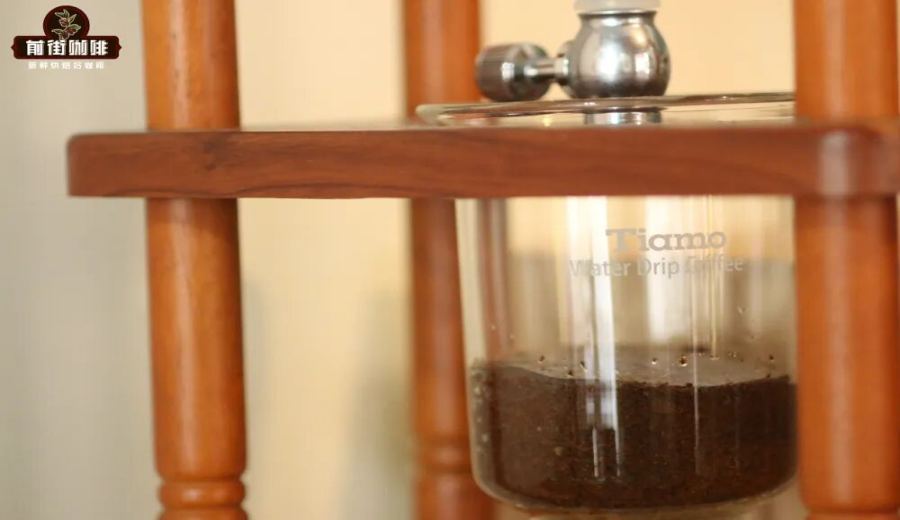
Introduction:Want to brew a refreshing and complex cold drip coffee at home? This article will explain in detail the ideal coffee bean types for cold drip, optimal grind size, coffee-to-water ratio, and drip rate, along with key technique details such as tamping, pre-wetting, and filter paper use. Whether you're new to cold drip or aiming for a more refined extraction, you’ll find practical advice to craft your own signature cold drip coffee.
Brewing an elegant cup of cold drip coffee involves mastering many details, including coffee bean selection, grind coarseness, coffee-to-water ratio, drip rate, and storage methods. Cold drip is a low-temperature extraction method—compared to hot water, the water temperature typically stays between 0 to 7°C. This extraction approach minimizes the release of large, bitter molecules, resulting in a brew that often tastes clean, vibrant, and sweet with a long aftertaste.
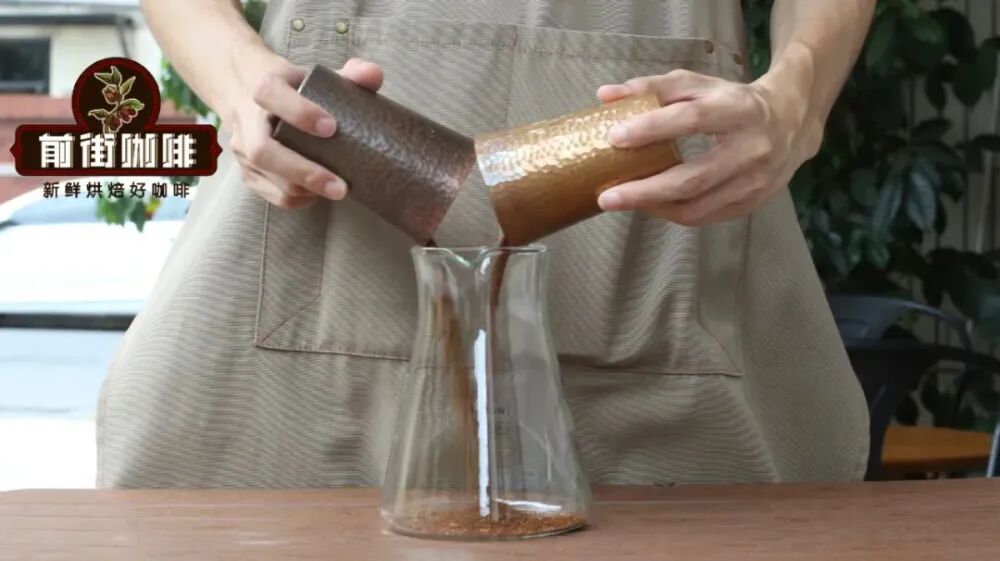
Since low temperatures are not conducive to releasing highly volatile aromatic compounds—especially the intense roasted or chocolatey notes common in medium to dark roasts—these characteristics are less prominent in cold drip. Therefore, it’s recommended to choose beans with a fresh, bright acidity or natural fermentation aromas.Light to medium roasted coffee beans, such as single-origin beans with strong fruitiness or floral-fruity notes. If you prefer sweet fruit flavors, go for beans with pronounced ripe fruit notes; if you enjoy bright acidity, beans with citrus or berry characteristics are also great choices. Many coffee enthusiasts experiment with blending two different flavor profiles to create richer layers—for example, combining sweet orange and rose notes can often yield surprisingly delightful results.
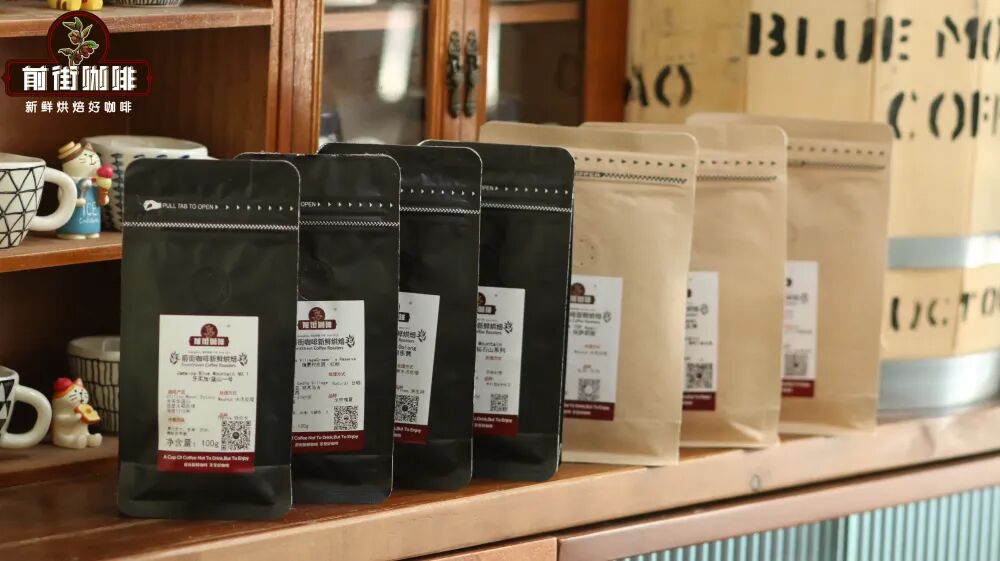
Additionally, it’s recommended to use beans roasted within45 daysof roasting. During this period, the beans’ aromas are the most vibrant, which helps them express a rich flavor profile even under low-temperature extraction.
When making cold drip coffee, while you don’t need to tamp as firmly as with espresso, a moderate “tamping” step is still important. The main goal is to distribute the coffee grounds evenly in the filter, helping the ice water permeate uniformly and improving overall extraction consistency. To do this, gently tap the coffee bed so the grounds settle and spread naturally, then use a flat tamper to lightly press the surface—avoid applying too much pressure. If tamped too firmly, the lack of pressure assistance (as in espresso machines) during cold drip can lead to water pooling in the coffee bed, affecting filtration efficiency and causing uneven extraction.
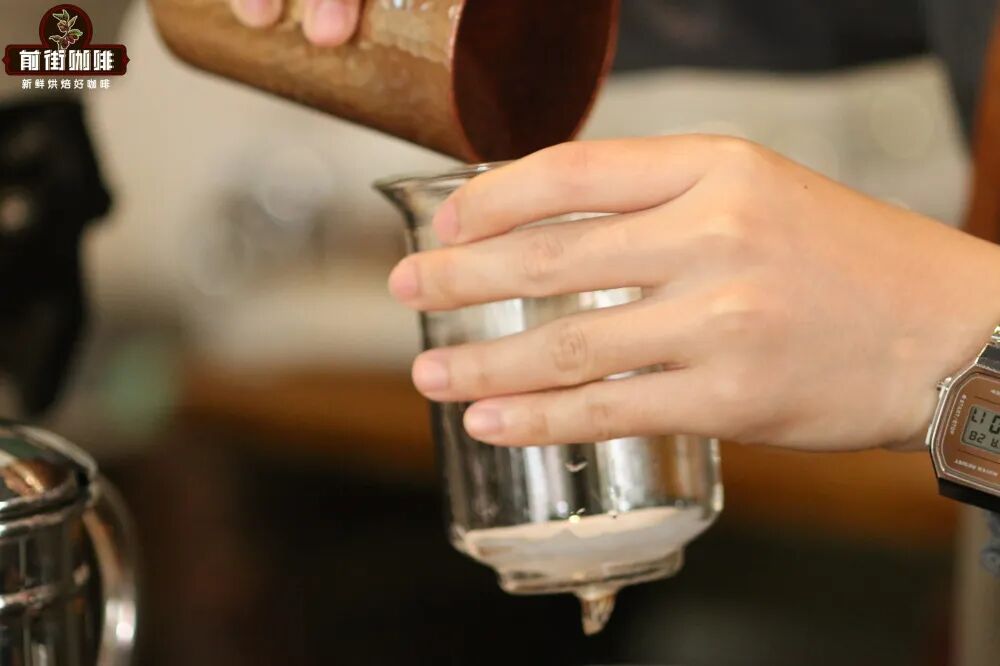
Moreover, because the structure of a cold drip filter differs from that of a pour over dripper—its bottom lacks ventilation grooves around the filter paper or plate—once the coffee grounds absorb water and expand, improper handling may hinder gas release, leading to under-extraction in certain areas. Therefore, tamping should always be very gentle, just enough to flatten the coffee bed.
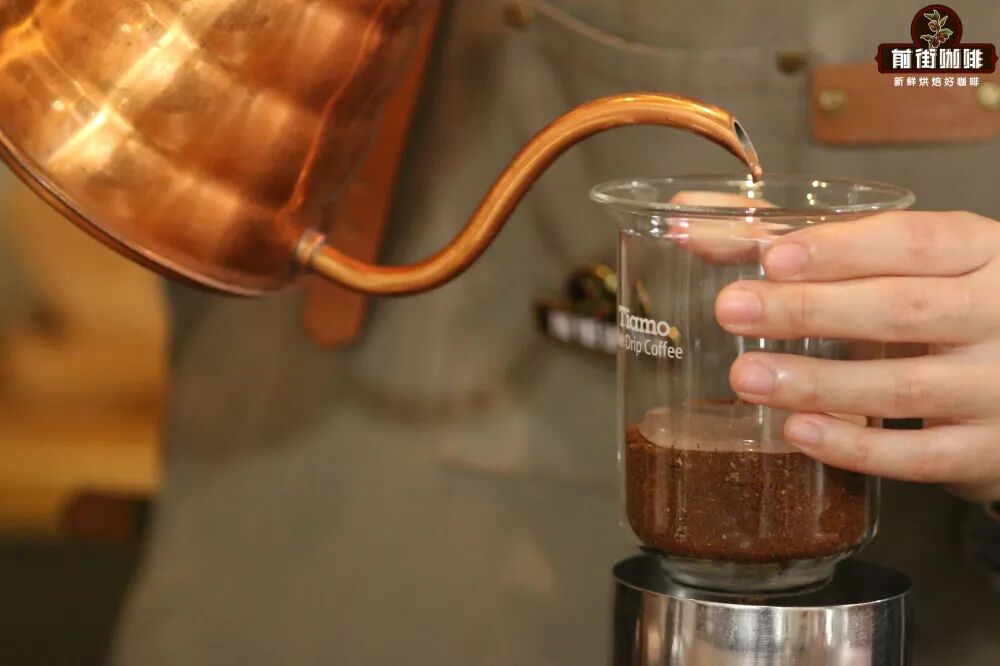
Before starting the drip, it’s recommended to pre-wet the coffee grounds with ice water. This helps establish good contact among the coffee particles, allowing subsequent ice water droplets to penetrate each particle more evenly via capillary action, thereby improving extraction stability and consistency.
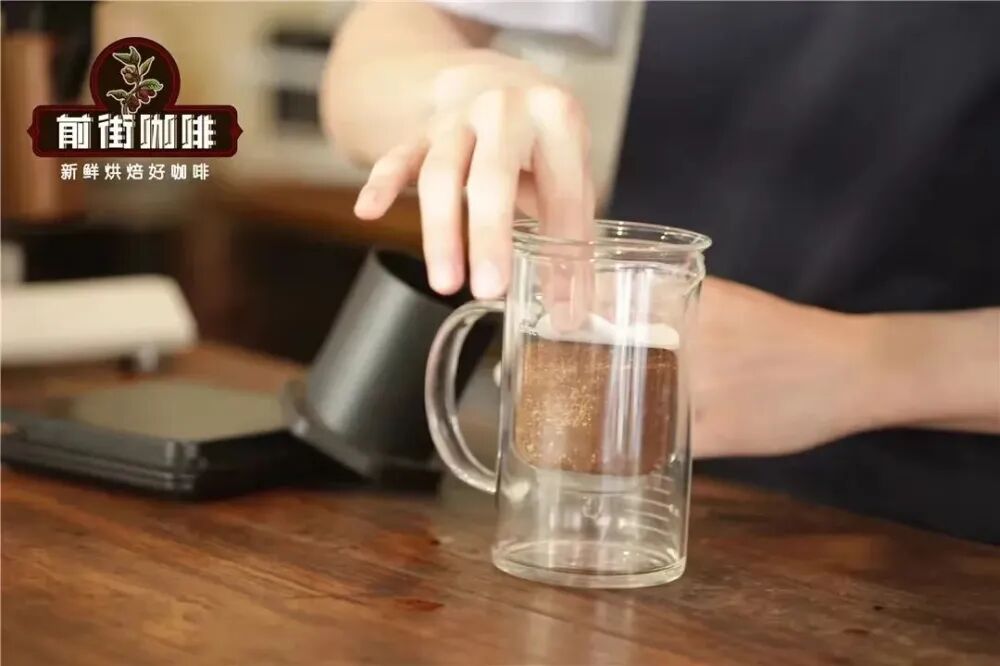
To further ensure uniform extraction, you can place acircular filter paperon top of the pre-wetted coffee grounds. The filter paper increases the contact area between the water droplets and the coffee grounds, preventing the droplets from directly impacting and denting the coffee bed, which could cause uneven flow and under-extraction in some spots. Without a filter paper, water tends to flow quickly along fixed paths, failing to fully saturate all the coffee grounds and leaving parts of the bed under-extracted.
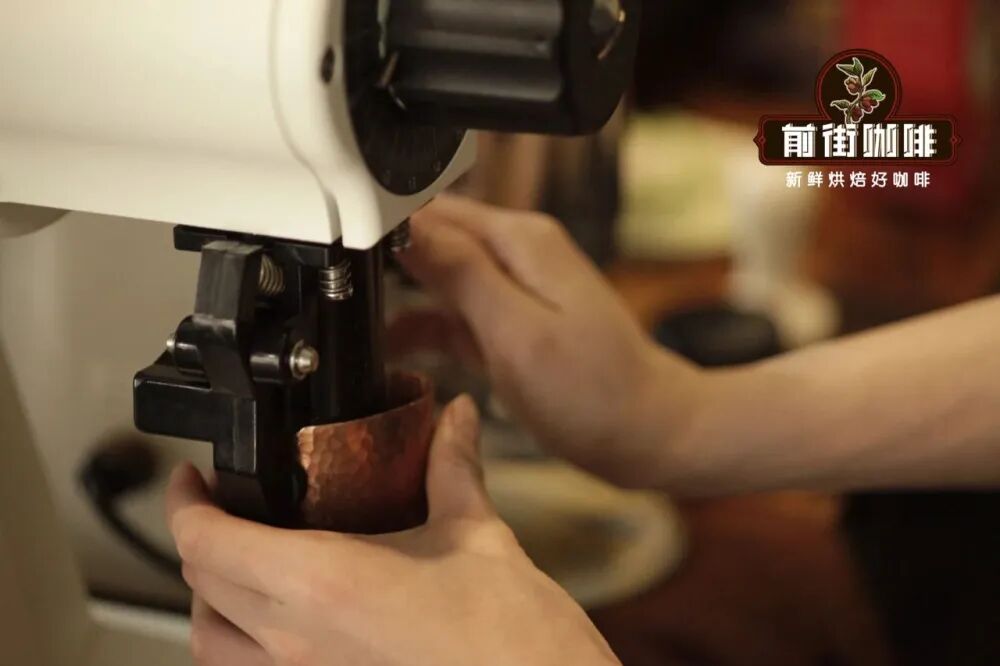
As for grind size, the ideal grind for cold drip coffee typically falls between pour over and French press. Using a standard Chinese No. 20 sieve as reference,a recommended passing rate is 80%–85%, adjustable slightly based on bean characteristics and personal preference. If using beans with slower low-temperature extraction rates—such as certain bright Kenyan beans—you may grind slightly finer, but avoid going too fine to prevent poor drainage, over-extraction, and bitterness.
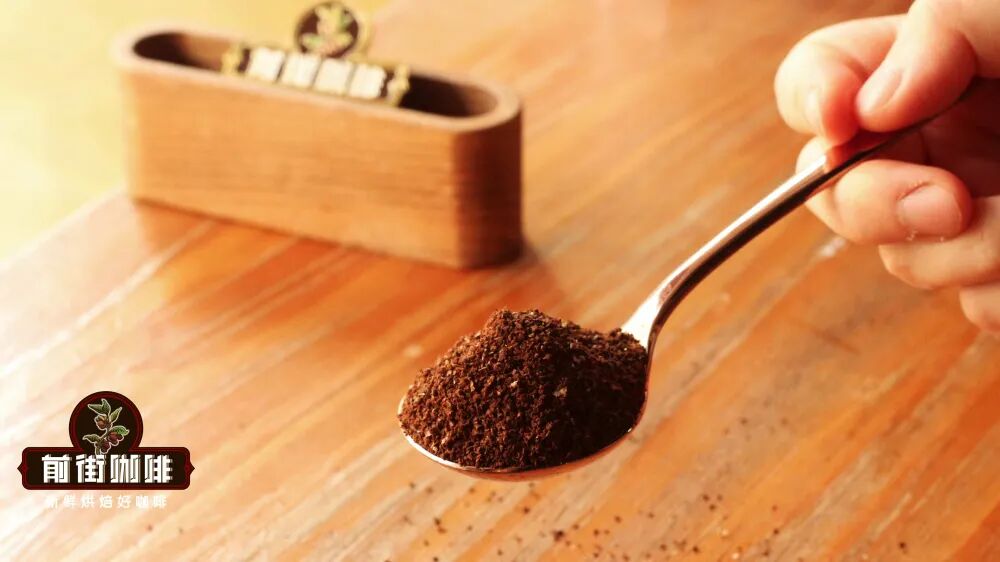
In practice, if using a shop-grade grinder like the EK43s, set the grind setting to 9.5; for handheld grinders like the C40, aim for a setting between 20 and 22. This grind size ensures that coffee flavors are appropriately released in a low-temperature environment without compromising taste balance due to over-extraction.
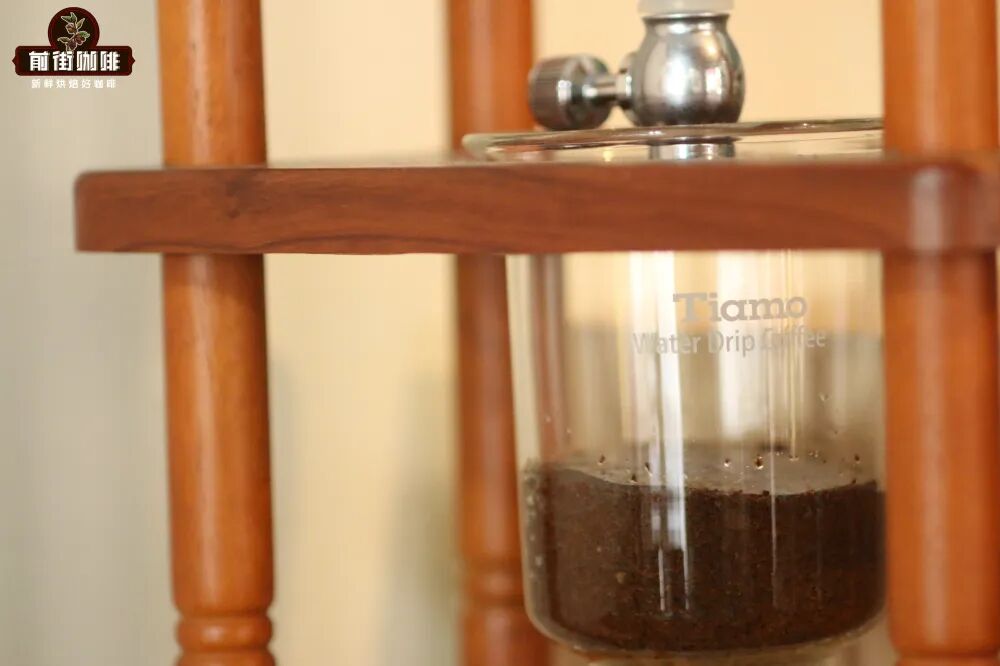
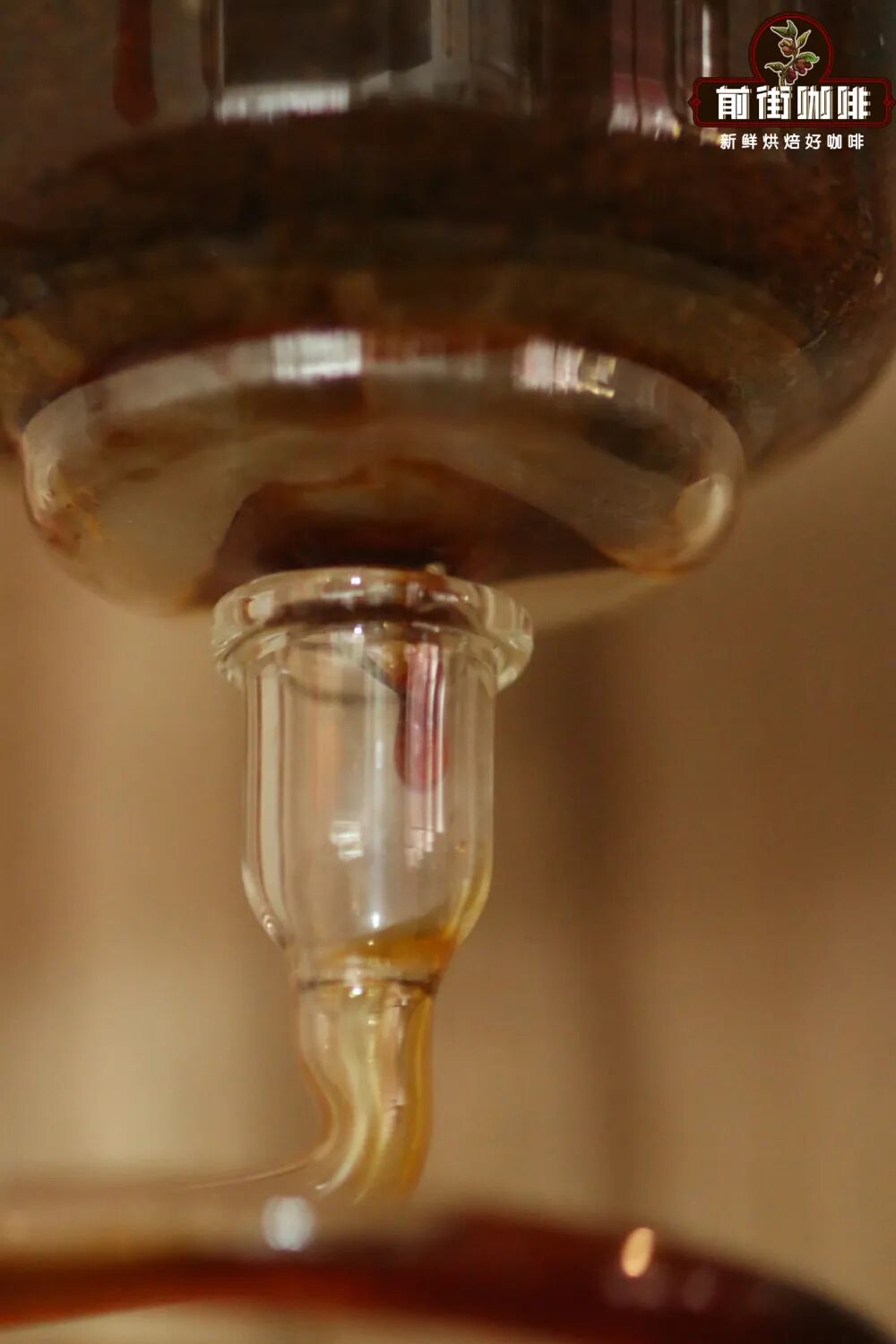
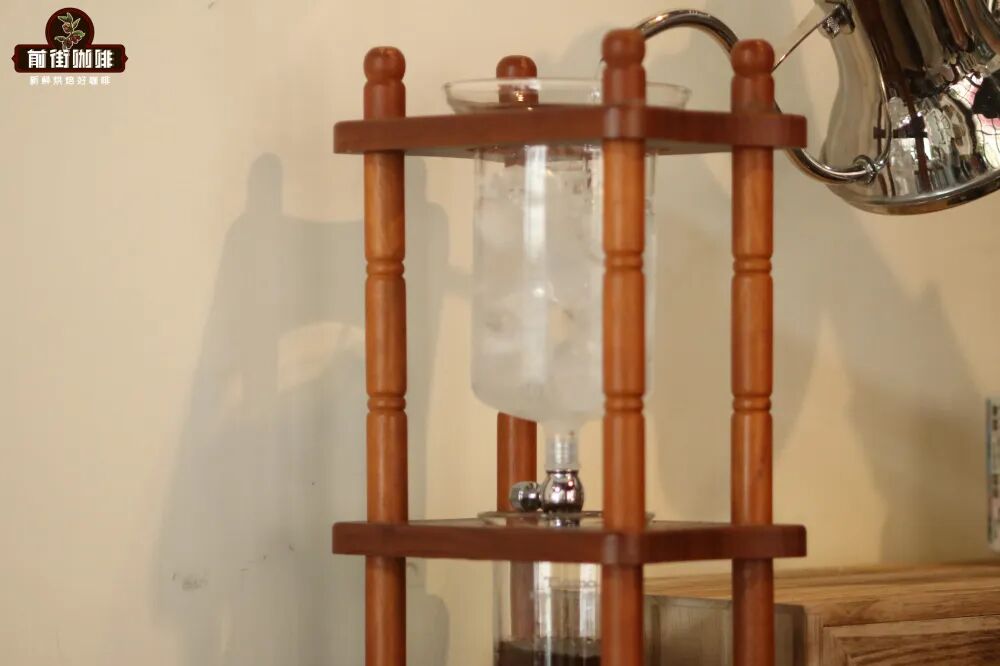
Controlling drip rate and coffee-to-water ratio are also crucial factors influencing final flavor. The general guideline for cold drip flow rate is7 drops per 10 seconds—too slow may lead to over-extraction, while too fast results in under-extraction. A common coffee-to-water ratio is 1:10; if you plan to dilute with ice later, you can increase it to 1:12 or even 1:14. For example, using 60 grams of coffee beans, place the ground coffee in the filter cup, add a filter paper, fill in the coffee, gently tamp, then cover with another filter paper, and finally pour in an ice-water mixture (recommended ice-to-water ratio of 1:1). The total extraction yield should be about 600 grams, yielding a well-balanced cold drip coffee.
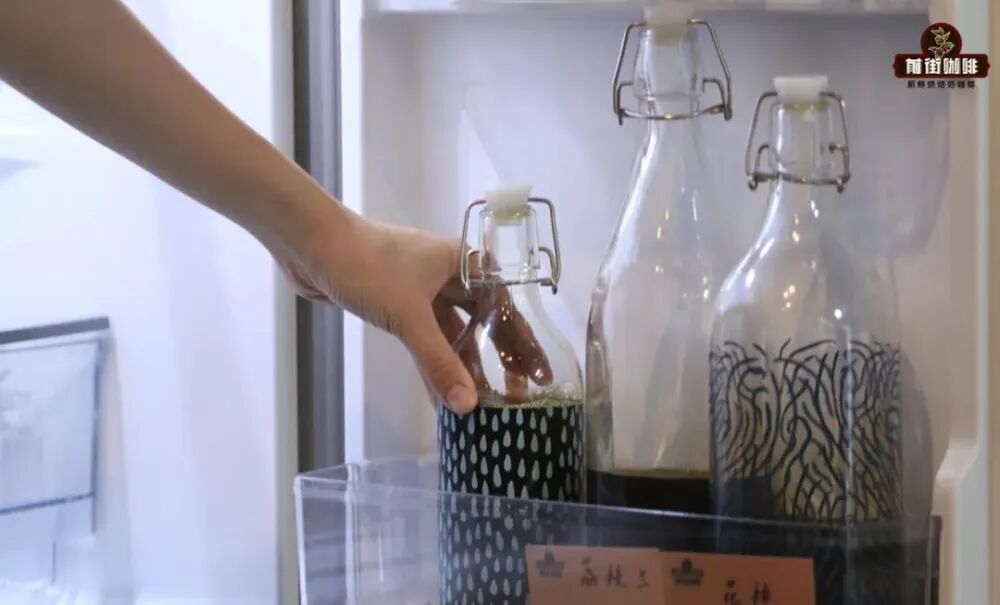
After dripping is complete, it’s recommended to transfer the cold drip coffee into a glass container with a sealed gasket and let it rest in the refrigerator forat least 12 hours. This low-temperature maturation process allows the coffee flavors to meld better and brings out subtle fermented aromas, enriching the overall profile. Refrigeration also inhibits the growth of unwanted microbes, ensuring safe consumption. Before drinking, gently shake the container to mix any settled particles with the upper layers, and enjoy the captivating layers and aftertaste of your cold drip coffee.
The above content is compiled by CoffeeHunters, a coffee news website.


