







Introduction:Drip bags are popular for their convenience in quickly brewing a great cup of coffee, but have you ever wondered why it’s not recommended to brew them more than once? This article delves into the optimal brewing methods and limitations of drip bags, explaining the science behind single-use brewing based on the proportion of soluble substances in coffee. We also recommend three drip bag products with distinct flavor profiles—including Panama Geisha-lineage Hua Hudie, well-balanced Costa Rica Tarrazu, and Yunnan small-bean coffee that showcases local characteristics—to help you enjoy high-quality black coffee in various settings.
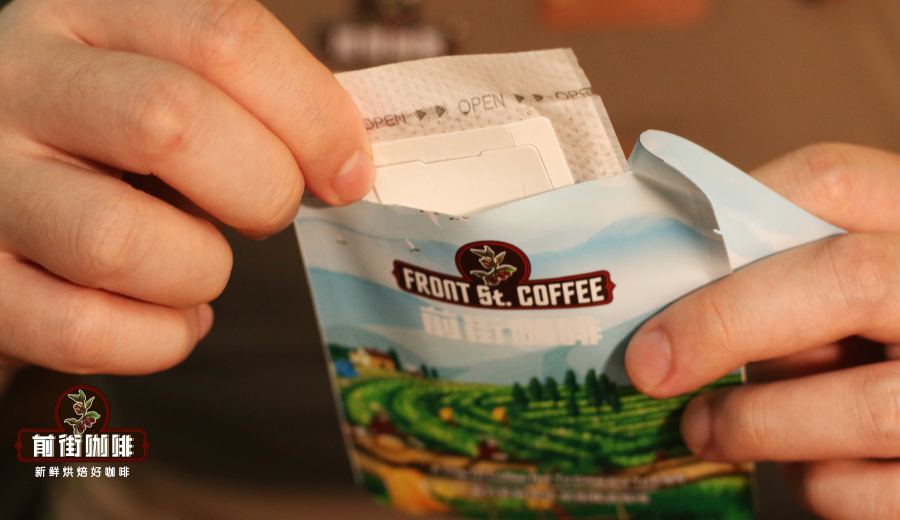
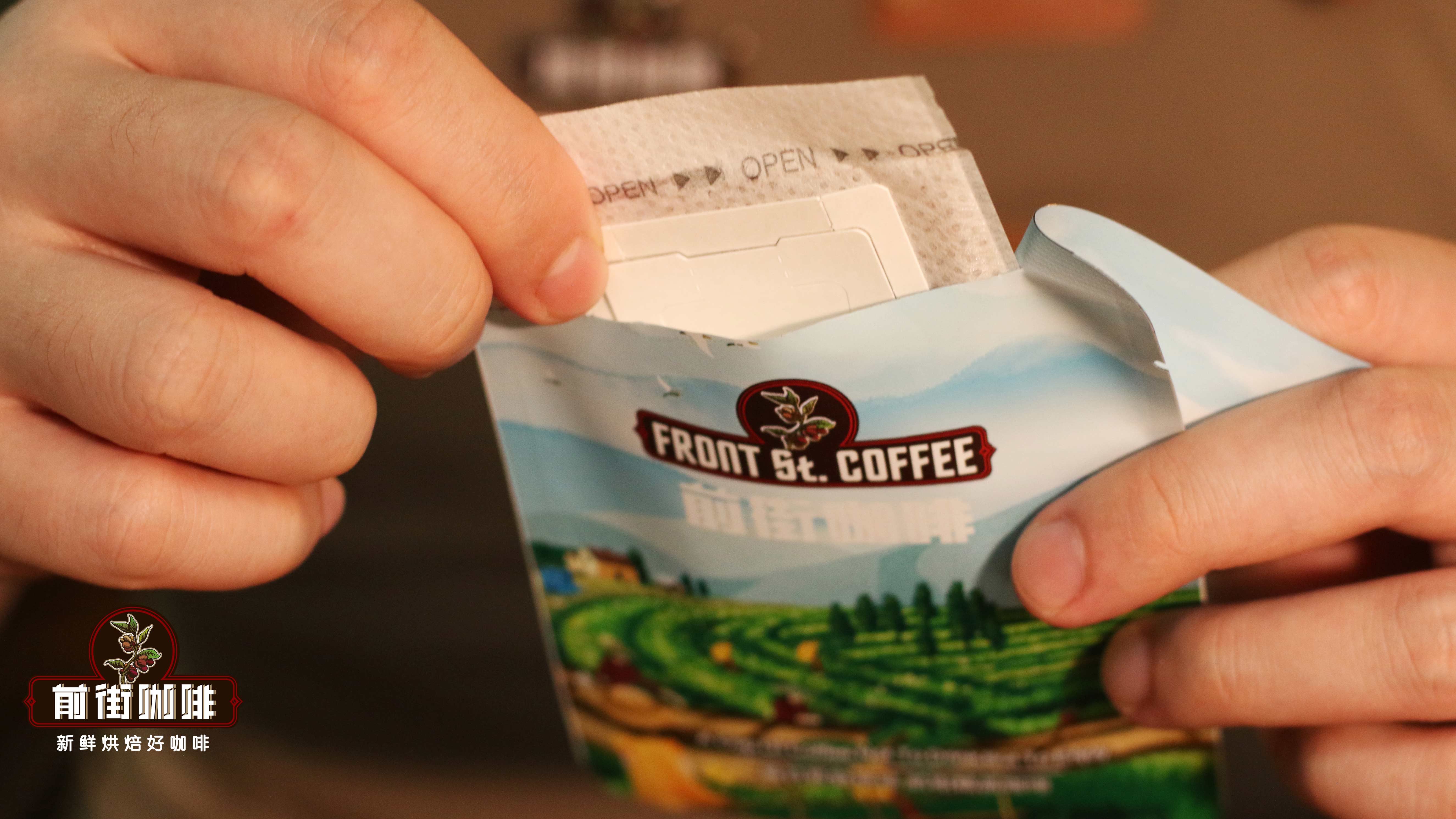
Thanks to their ease of use, drip bags have become the go-to choice for many coffee enthusiasts in the office, while commuting, or during travel. They contain pre-ground coffee sealed in a filter pouch, which is secured to the rim of a cup using the “little ears” on either side. Simply pour hot water to complete the extraction quickly. However, many users wonder: since drip bags are like tea bags, can they be reused and brewed multiple times like tea? The answer is no.
From the perspective of extraction principles, only about 30% of the compounds in coffee beans are water-soluble flavor substances, while the remaining 70% consist of insoluble fibers. The generally recommended extraction yield is around 18% to 22%, which is the ideal range recognized by the Specialty Coffee Association of America (SCAA) and can fully showcase the aroma, acidity, sweetness, and body of the coffee. If you proceed to a second or even multiple brews, although some substances can still be dissolved, they are mainly inferior components with diluted flavors or even off tastes, which can negatively affect the overall taste.
In practice, when brewing a drip bag, you may notice the coffee liquid changing color from dark brown to light yellow. This color shift is a clear sign that the soluble flavor substances are gradually decreasing. By the later stages of brewing, what’s left is mostly just watery with almost no trace of the original rich coffee flavor characteristics.
So, what is the correct way to brew a drip bag? Taking a common 10-gram drip bag as an example, it’s recommended to use hot water at about 90°C. Start by pouring a small amount of hot water (about 20 grams or enough to wet the coffee grounds) and let it bloom for 30 seconds to awaken the aromas of the coffee. Then, slowly pour about 130 milliliters of hot waterin portions. This water volume can be adjusted according to personal taste—reduce the amount for a stronger brew or increase it slightly for a lighter one. Throughout the process, maintain a steady water flow and avoid directly hitting the center of the filter pouch to ensure even extraction.
It’s worth noting that although drip bags are simple to use, they still retain flavor characteristics similar to pour over coffee, making them suitable for those who seek the pure taste of black coffee but don’t have a full pour over setup at hand. However, as their design prioritizes convenience, those looking for more refined extraction control are advised to use basic tools like a grinder and pour over kettle.
When it comes to drip bag products worth trying, the first recommendation is “Panama Hua Hudie,” which has Geisha lineage. This blend consists of 70% Geisha variety along with Catuai and Caturra, grown at an altitude of 1,600 meters in the Baru Volcano region. The area enjoys large diurnal temperature variations and abundant rainfall, producing a flavor profile with pronounced floral notes, a rich body, and vibrant acidity. Moreover, it’s relatively affordable, making it an ideal entry point for experiencing premium Geisha flavors.
For readers who prefer a balanced and full-bodied taste, “Costa Rica Tarrazu” drip bags are a great choice. Sourced from a renowned producing region in southern Costa Rica, these coffee beans offer intense chocolate and nutty aromas, a smooth mouthfeel, and moderate acidity. They suit users who appreciate stable flavor performance and pair well with desserts or can be enjoyed on their own.
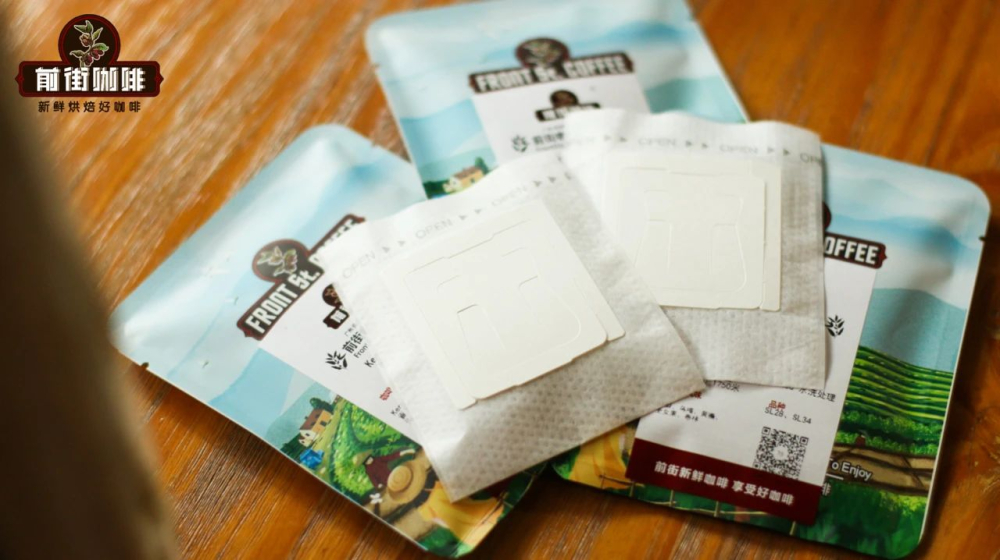
Lastly, if you’d like to explore locally distinctive Taiwanese-style coffee, “Yunnan Small-Bean Coffee” is also not to be missed. These drip bags from Yunnan mostly use washed-process Typica or the commonly seen Catimor variety. With a medium roast, they highlight sweet notes of nuts and brown sugar, coupled with gentle acidity, showcasing the region’s signature steadiness and roundness. It’s a great everyday brew or office companion for many users.
In summary, while drip bags are convenient, to maintain optimal flavor and extraction efficiency, it’s best not to reuse them. Master the correct brewing techniques and pair them with drip bags of diverse flavor profiles, and you can easily enjoy a satisfying cup of black coffee whether at home, in the office, or on the go.
The above content is compiled by CoffeeHunters, a coffee news website.


