







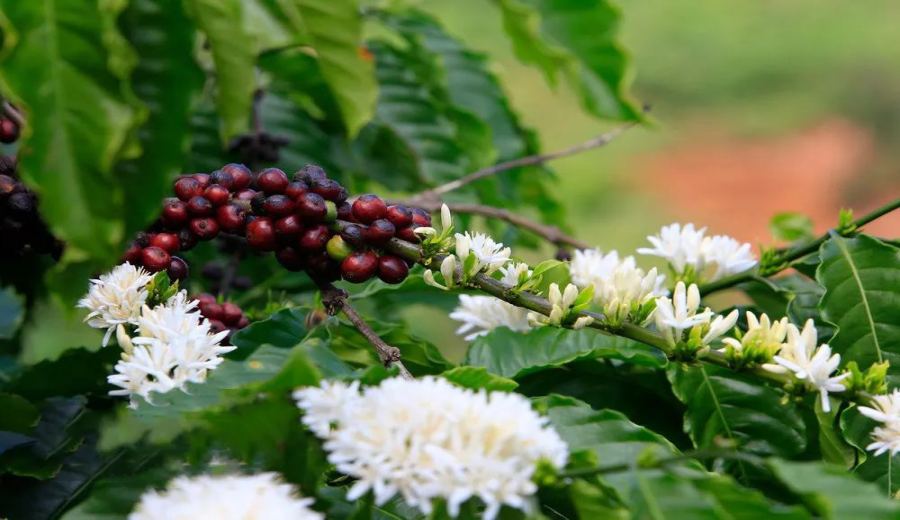
Introduction:Geisha coffee has taken the world by storm, but its origins can be traced back to the Geshia Village Estate in Ethiopia. This article delves into the estate’s grading system—from auction lots to the five-tier CHAKA grade—analyzing the characteristics of each batch and the profiles they suit. It also explores the story behind Lot #94, examines the actual flavor profile of the washed Geshia Village native variety, and provides a CHAKA pour over recommendation. This is an essential guide for both beginners and advanced enthusiasts looking to explore Geshia Village coffees.
Since its meteoric rise to fame at the 2004 Panama Cup, Geisha (Gesha) has become a legendary variety in the specialty coffee world. But many don’t know that its genetic roots actually come from the pristine forests of Ethiopia. This article will take you into the Geshia Village Estate in the Bench Maji region, to learn how this large-scale coffee farm rediscovered the original Geisha variety from the Gori Gesha forest and established a clear grading system—from auction grade to CHAKA—that allows consumers to choose different tiers of Geisha coffee based on their preferences.
First, let’s clarify the origins of Geisha. This variety was first discovered in 1931 near Gesha Mountain in Ethiopia’s Kaffa forest, then sent to the Kenya Coffee Research Institute, later making its way through Uganda, Tanzania, and Costa Rica, until it finally took root in Panama in 1963. However, due to its low yield and tall plants that were difficult to harvest, it was long overlooked—until 2004, when Panama’s Hacienda La Esmeralda began cultivating and managing it separately, leading it to shine in international competitions and become one of the representative varieties of specialty coffee.
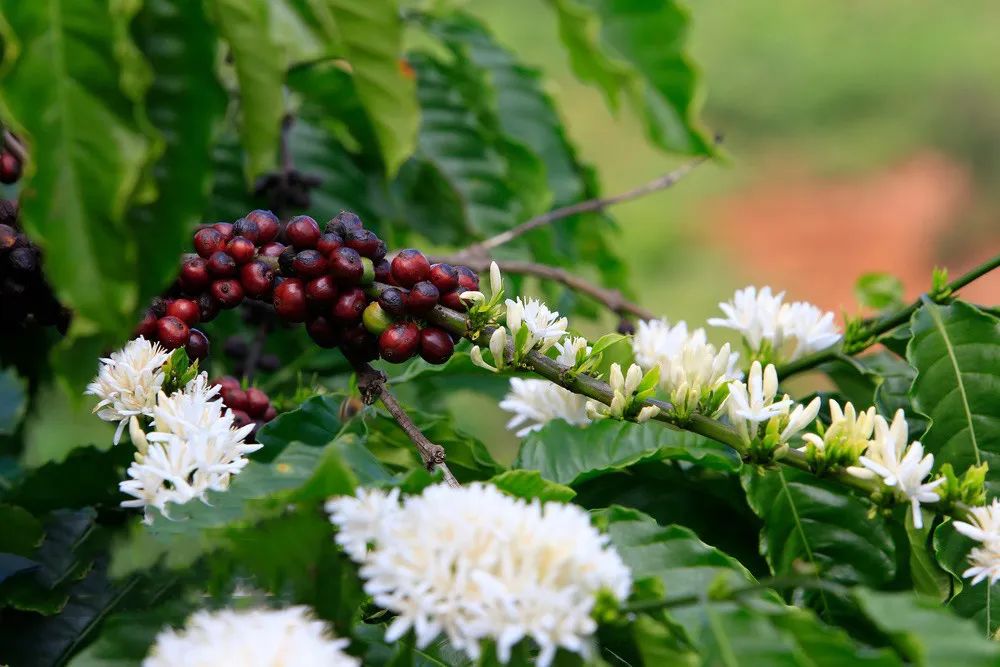
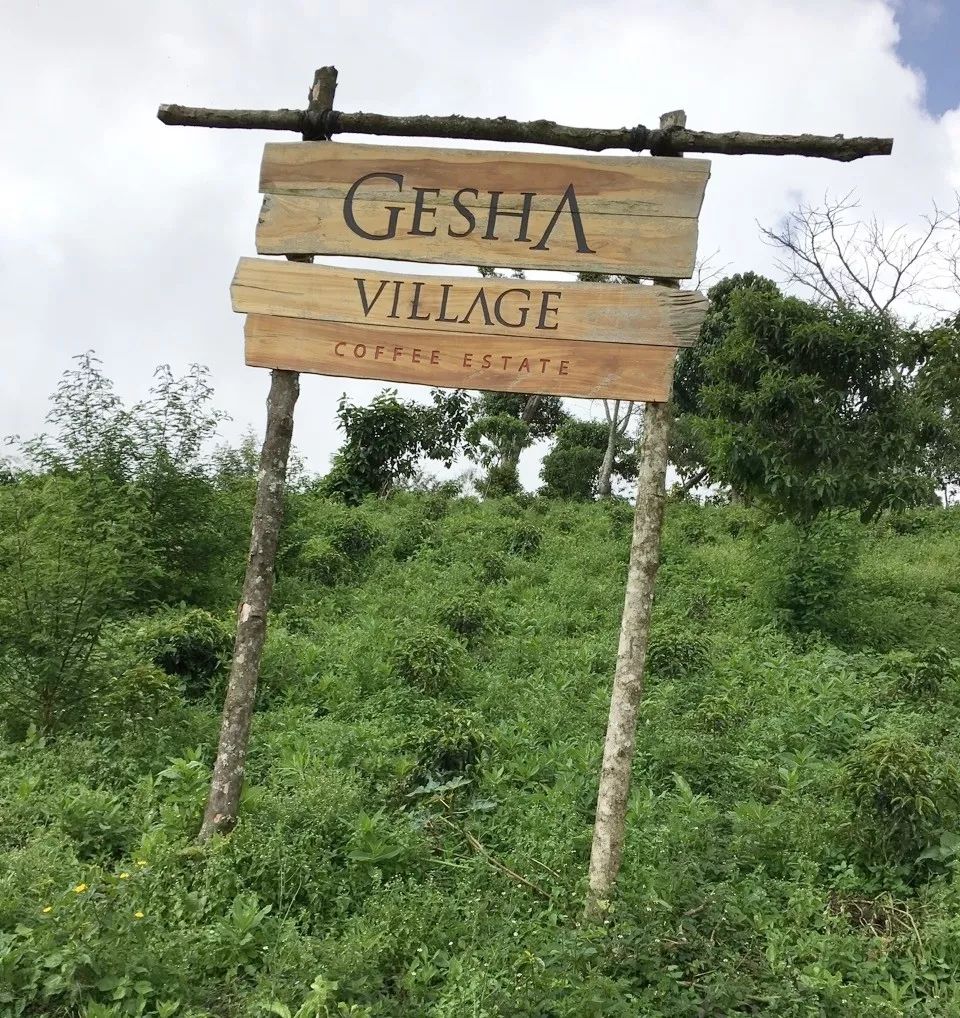
However, the focus of this article isn’t on Panamanian Geisha, but rather on taking you back to its homeland—the Geshia Village Estate in Ethiopia. Established in 2011 by documentary filmmaker Adam Overton and his wife Rachel Samuel, the estate is located in the Bench Maji region. It was created as part of their mission to trace the original flavors of Geisha, after they ventured deep into the Gori Gesha forest, collected seeds from wild Geisha trees, and planted them to establish this large-scale farm.
Unlike the typical Ethiopian smallholder cooperative model, the Geshia Village Estate spans nearly 500 hectares of planted area and is equipped with professional washed processing facilities and a lab, growing only the Geisha variety. Drawing inspiration from the management methods of renowned Panamanian Geisha farms, they have numbered and meticulously documented different plots to track the microclimates and processing variations of each coffee batch, ensuring consistent flavor profiles and traceability.
The Geshia Village Estate divides its planting areas into multiple plots based on altitude, soil, and shade conditions. Among them, the SHEWA-JIBABU area, at an altitude of up to 2069 meters, is the source of many high-quality batches. Based on the microclimate characteristics of each zone, the Adam couple selects suitable varieties for cultivation. As a result, even though the Geisha produced from different plots all undergo washed processing, they still exhibit subtle differences in flavor.
The grading system of Geshia Village consists of five categories: Auction, Gold Label, Red Label, Green Label, and CHAKA, each representing a different quality level and origin. The auction lots are the highest grade, accounting for just 3.7% of the annual production. They go through multiple rounds of screening and are only available through auctions, making them premium products with great collectible and tasting value.
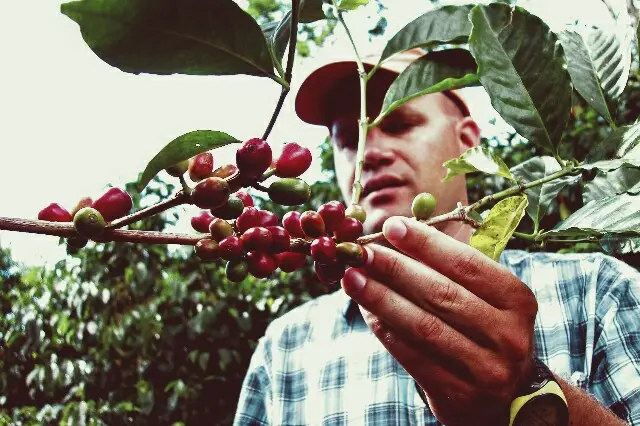
The Gold Label Geisha accounts for about 10% of the annual production, typically sourced from specific high-quality plots such as the Oma plot (altitude 1900–2040 meters), primarily featuring the Geisha 1931 variety. These beans are processed via washed or natural methods and offer complex flavor layers, often showcasing notes of citrus, berries, honey, cream, and melon. Ideal for coffee lovers seeking intricate flavor profiles. We once imported a batch of Gold Label Geisha from the Oma plot; its dry fragrance was pronounced, while the cup featured an interplay of fruity aromas and sweetness, with a long-lasting finish—a favorite among competition-level roasters and cuppers.
The Red Label Geisha makes up around 15% of total production, with cupping scores generally reaching SCA 88 or higher. The variety is mostly Gori Gesha, and the processing method is commonly natural. Mainly sourced from high-altitude plots like Shewa-Jibabu (altitude 1973–2069 meters), the flavor is slightly more straightforward than Gold Label, but still delivers classic notes of citrus, plum, tropical fruit, and floral-tea tones. With great value, it’s highly suitable for daily enjoyment by Geisha enthusiasts.
The Green Label is an entry-level option featuring single-plot, single-variety offerings. While not required to achieve high cupping scores, each batch comes with complete traceability information, such as plot name, variety, and processing date. For example, the Green Label Geisha from the Bangi plot (altitude 1911–2001 meters), usually processed naturally with Gori Gesha, showcases bright acidity and a fresh profile—perfect for those just beginning to explore the flavors of Geisha.
Lastly, there’s CHAKA, a blended offering from Geshia Village that combines beans from all plots and three main varieties: Gori Gesha, Geisha 1931, and Illubabor, processed using both washed and natural methods. We tried brewing a naturally processed CHAKA using a medium-light roast to preserve the fruit acids. For pour over, we recommend using a V60 filter, water temperature at 91–92°C, a brew ratio of 1:15, and a grind size close to fine sugar (80% passing through a #20 sieve). Use a three-stage pouring method: first bloom with 30g water for 30 seconds, followed by slow pours of 95g and 100g water, for a total extraction time of about 2 minutes. In terms of flavor, CHAKA presents bright acids of tropical fruit, bergamot, and lemon, paired with creamy sweetness and subtle fermentation notes. Upon cooling, jasmine floral and oolong tea tones emerge, resulting in an overall balanced and layered cup.
In summary, the Geshia Village Estate not only preserves the original genetics of the Geisha variety but also, through scientific management and a rigorous grading system, enables consumers to choose the Geisha coffee that best suits their budget and preferences. Whether you’re pursuing the ultimate flavor in auction-grade beans or exploring the entry-level CHAKA, you’ll find your own unique Geisha experience at this estate.
The above content is compiled by CoffeeHunters, a coffee news website.


