







Introduction:As an important variety within the Bourbon family, Caturra is widely cultivated across Central and South America, known for its high yield and strong adaptability. This article delves into the origin and evolution of Caturra, its main growing regions and cupping flavor profiles, compares the flavor differences between sun-dried and washed processing methods, and provides practical pour over extraction parameters to help coffee enthusiasts gain a deeper understanding of the unique charm of this classic variety.
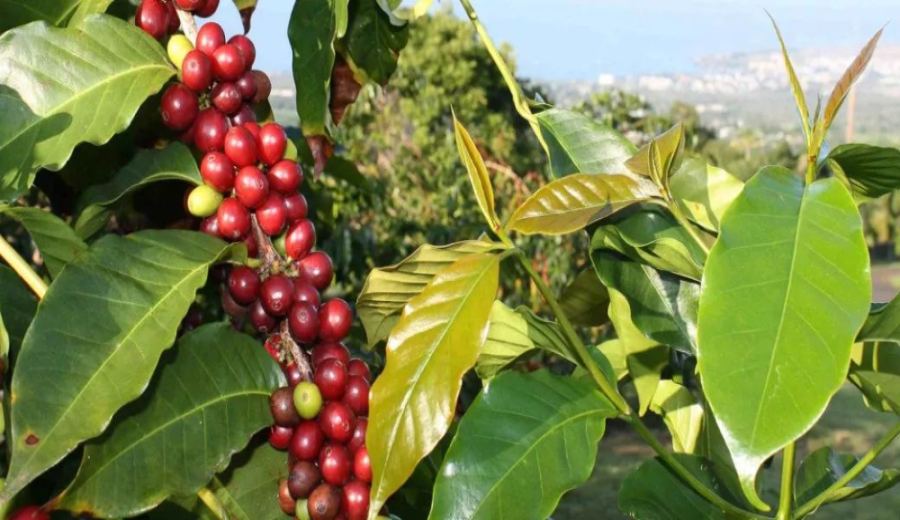
Caturra is a single-gene mutation of the Bourbon variety, first discovered in Brazil in the 1950s. Compared to traditional Bourbon, Caturra has stronger adaptability and disease resistance, and its shorter plant height makes harvesting easier, which is why it quickly spread across Central and South America—becoming one of the dominant varieties especially in Colombia and Costa Rica.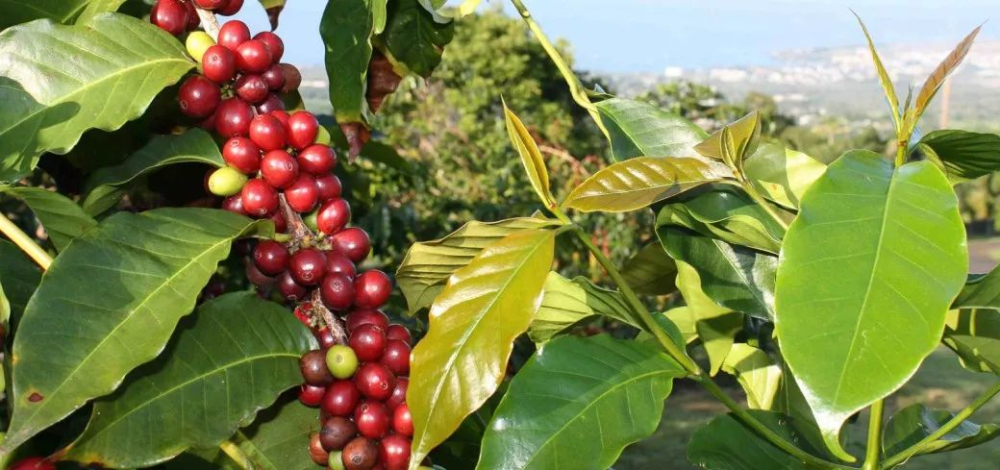 In addition, Caturra can grow under high-density planting but relatively requires more fertilizer and management input. These characteristics make it a preferred choice for farms aiming for high yield and efficiency.
A key advantage of this variety is its ability to grow under direct sunlight without the need for shade trees, hence it is also called "sun coffee." Although Caturra is slightly less complex in flavor than Bourbon, its bright acidity, ease of management, and wide adaptability to altitude—from around 700 meters up to 1700 meters—allow it to perform steadily under various microclimatic conditions. Especially above 1500 meters, Caturra often exhibits richer layers and more expressive aromas.
Originating in Brazil, Caturra gradually spread to Guatemala, then expanded to Costa Rica, Honduras, Panama, and other regions, becoming one of the key varieties in Central America’s coffee belt. It can be found in many renowned microlot blends, such as Colombia’s Rose Valley, Panama’s Geisha floral butterfly, and Honduras’ Lishilan, where it may be blended to enhance overall flavor clarity and acidity brightness.
In terms of processing methods, Caturra shows considerable flexibility. Sun-dried Caturra typically features pronounced berry-like acidic notes, with the sweetness and vibrancy reminiscent of fresh berries, delivering bold and tropical fruit-forward flavors. Washed Caturra, on the other hand, highlights a clean citrus acidity—refreshing like lemon or orange—while maintaining good sweetness and a clean finish. Cupping data from one brand indicates that washed Caturra, when roasted at a medium-light level, more easily expresses layers of citrus, honey, and stone fruits.
If you’d like to try the Caturra variety, washed Caturra from Colombia’s Huila region is a representative choice. These beans are grown at altitudes between 1500 and 1800 meters, within the mid-to-high elevation range, capable of producing richer aromas and mouthfeel. Processed using traditional washed methods and medium roasted, its flavor profile is grounded in notes of nuts, dark chocolate, and caramel, accompanied by soft citrus acidity. The overall cup is balanced and suitable for everyday drinking.
For this Colombian Huila washed Caturra, the following pour over parameters are recommended to fully bring out its characteristics: Use a KONO filter, with a grind size of 75% passing through a 20-mesh sieve (approximately medium-fine), a 1:15 coffee-to-water ratio, a total of 15 grams of coffee, and water heated to 90°C. The specific steps are as follows: First, place the ground coffee into the filter, pour in double the coffee weight (around 30 grams) of water for blooming, lasting about 30 seconds, allowing the coffee grounds to fully expand and release aroma. Then pour water in small streams in circular motions from the inside out. When the total water volume reaches 125 grams, perform the first pour break. Once the bed slightly settles, continue pouring until reaching 225 grams to complete the extraction, keeping the total brew time around 2 minutes.
This brewing method effectively balances the coffee’s body and acidity, avoiding over-extraction that could lead to bitterness. The brewed coffee offers distinct notes of nuts and chocolate upon entry, followed by slowly unfolding caramel aromas, with a gentle fruity acidity in the aftertaste that becomes even more refined as it cools. Whether as a daily drinker or an entry-level choice to experience the flavor of Caturra, it’s highly recommended.
The above content is compiled by CoffeeHunters, a coffee news website.


