







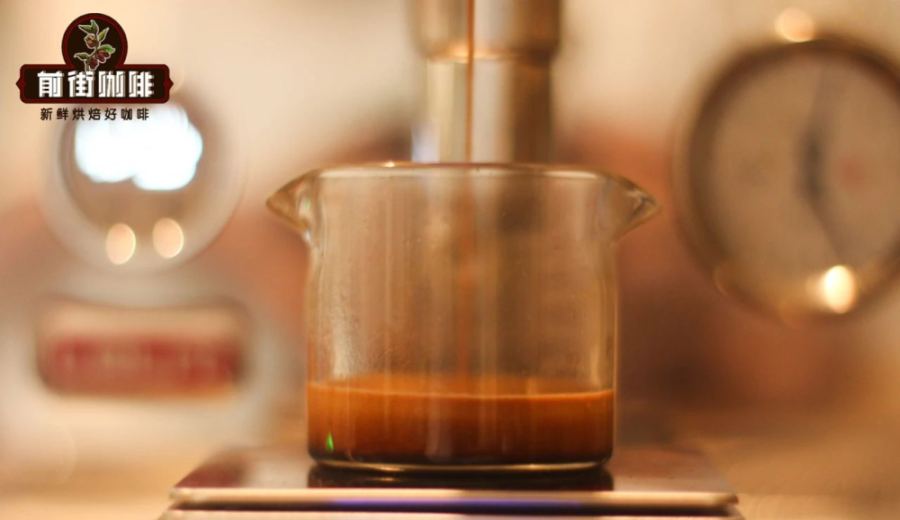
Introduction:Although an espresso shot is only about 30 milliliters, it serves as the soul base of many specialty coffee drinks. With its golden crema and intense flavor, it showcases the most essential characteristics of coffee beans. This article delves into the extraction principles of espresso—from key parameters such as dose, brew ratio, and extraction time, to the reasons behind crema formation and flavor variations—offering a practical guide to help you master this concentrated art. Whether you’re making it at home or professionally, you’ll be able to handle it with ease.
In the world of espresso coffee, espresso is one of the most iconic beverages. Originating from Italy, this concentrated coffee is known for its small serving size yet extremely intense flavor, and it forms the foundation of many classic coffee drinks such as lattes, cappuccinos, and Americanos. So, why can a drink as small as just a few dozen milliliters possess such rich flavors and layers? The answer lies in its unique extraction process and precise parameter control.
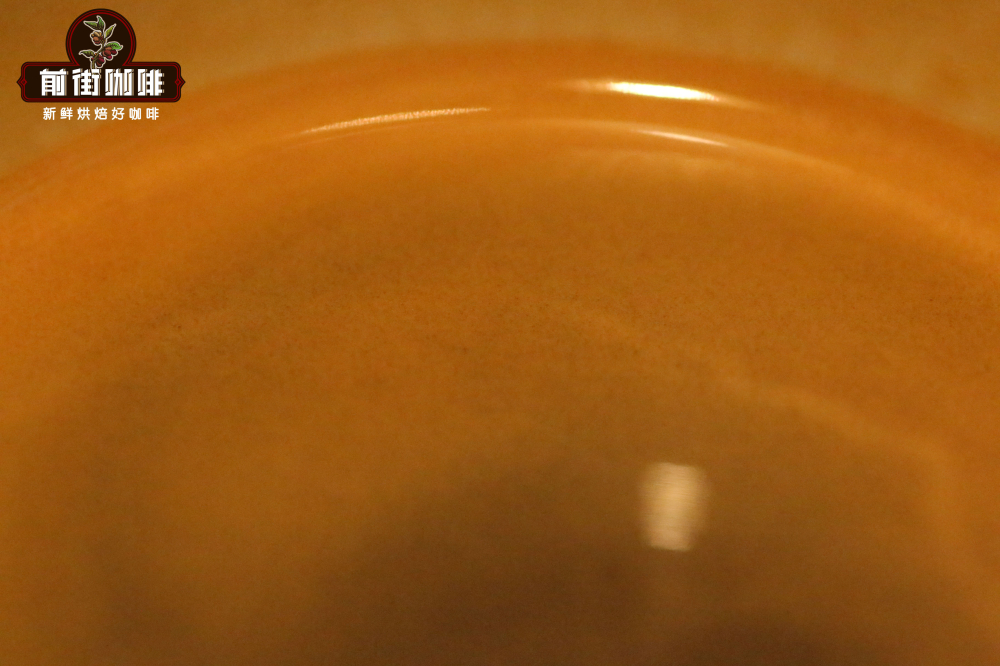
A standard espresso typically has two prominent characteristics: one is the thick, glossy layer of golden foam floating on the surface—known as crema—and the other is the intense mouthfeel brought by the highly concentrated coffee liquid. These two elements not only define the basic appearance of espresso but also reflect the freshness of the coffee beans, the degree of roast, and the level of extraction technique.
The Formation and Significance of Crema
When you order an espresso and the barista serves you the freshly extracted coffee, the first thing you’ll notice is the thick, oily layer of golden foam on the surface—that’s the crema. This foam is actually a collection of tiny bubbles formed when carbon dioxide released during the roasting process of the coffee beans is dissolved under high pressure during extraction, and then released again under atmospheric pressure. The richer and finer the crema, usually indicates a darker roast and higher freshness of the coffee beans, because the carbon dioxide in the beans gradually dissipates over time, leading to thinner or even absent crema during extraction.
Additionally, the color depth of the crema is also closely related to the roast level. Darker roasted beans, due to more pronounced Maillard reactions, often produce darker-colored crema, along with a richer and more full-bodied taste. If you find that the crema on your espresso is thin and dissipates quickly, it may mean the coffee beans are no longer fresh, or the shot has been left sitting for too long after extraction.
The Secret to High Concentration: Brew Ratio and Extraction Time
The reason espresso has such an intense flavor lies in its extremely high coffee concentration. This is achieved by using extremely fine coffee grounds and high-pressure water flow to extract a large amount of soluble substances within a short extraction time. Generally, a double shot of espresso uses about 18 to 20 grams of coffee grounds and extracts 36 to 40 grams of coffee liquid, with a brew ratio roughly between 1:1.8 and 1:2.2, and the extraction time is controlledbetween 20 and 35 seconds.
If the extraction time is too short (for example, less than 20 seconds), the coffee may taste thin, lacking sufficient flavor and body; conversely, if the time is too long (over 35 seconds), over-extraction is likely to occur, resulting in a noticeably burnt and bitter taste. Therefore, precise control of extraction time is a crucial key to making a balanced and flavorful espresso.
Practical Extraction Parameters and Steps
In practice, the pressure of a home or commercial espresso machine usually needs to reach9 barabove a certain level (usually 9 bars), in order to effectively extract the essence from the coffee and form crema. If you are using a commercial-grade machine, such as one with pressure adjustment features, you can further fine-tune the pressure to achieve different flavor profiles.
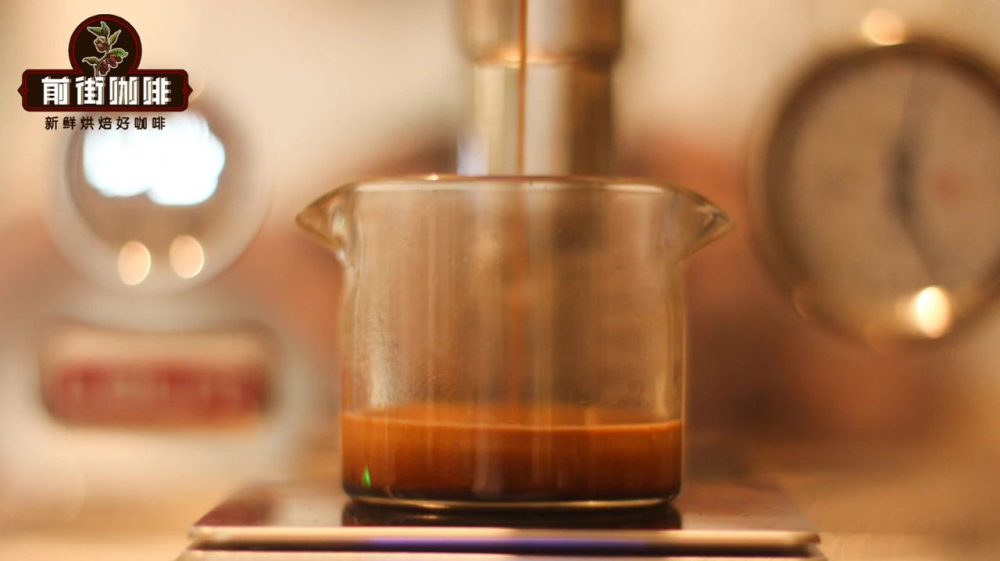
Taking a double basket as an example, it is recommended to fill it with18 to 20 gramsof finely ground coffee, and use a tamper to evenly press the coffee, ensuring consistent puck density, which helps stabilize the water flow and avoid channeling. Next, open the extraction switch to initially run water to wet the group head, clearing out any residual coffee grounds, then securely lock the portafilter in place and begin the formal extraction. When the coffee liquid reaches the target weight (usually 36 to 40 grams), and the time falls within the28 to 30 secondsrange, you can stop the extraction to obtain an ideal espresso.
Coffee Bean Selection and Flavor Profile
The flavor profile of espresso is closely related to the type of coffee beans used, the roast level, and the blend ratio. Generally speaking, darker roasted blends can better highlight intense chocolate, caramel, and nutty notes, and are also more likely to form a thick crema. Meanwhile, medium to light roasted beans may have more fruity acidity and floral notes, suitable for those who prefer a brighter taste.
For example, a common espresso blend might combine beans from Brazil, Indonesia, and Vietnam, using dark roasting to bring out a rich mouthfeel and bold crema, making it very suitable for making Americanos or milk-based lattes. If you prefer fruitier profiles, you can opt for blends based on honey-processed or sun-dried Central American beans. These beans often present soft acidity and sweetness after extraction, showcasing flavor layers such as strawberry and caramel.
Whether you’re new to espresso or already an experienced coffee enthusiast, understanding these basic principles and practical parameters can help you fully grasp this concentrated art—from bean selection, grinding, to extraction—allowing you to brew your own perfect espresso with your unique style.
The above content is compiled by CoffeeHunters, a coffee news website.


