







Introduction:Panama's Janson Estate has consistently ranked among the top of the BOP (Best of Panama) competition, with its Geisha series renowned for its delicate floral and fruity aromas and rich layered complexity. This article delves into a practical cupping session to analyze the key flavor differences between the Janson #364 lot of natural-processed and washed Geisha, while also introducing how this third-generation family-owned estate transformed from dairy farming to becoming a leader in specialty coffee. Explore the unique terroirs of its two core growing regions — “Laguna” and “Alps” — and learn about the estate’s commitment to sustainability and meticulous cultivation. Whether you're a beginner looking for guidance or aiming to refine your pour over bean selection, you’ll find valuable insights here.
Janson Farms is a perennial high performer in the BOP (Best of Panama) competition, with its Geisha coffees celebrated worldwide for their refined and captivating floral and fruity profiles. Take, for example, the Janson #364 lot of natural-processed Geisha that we obtained — this particular batch was grown at an altitude of 1700 meters in the Alps plot, from the renowned Geisha variety, and processed using the natural method, resulting in intense tropical fruit and fermented wine-like characteristics.
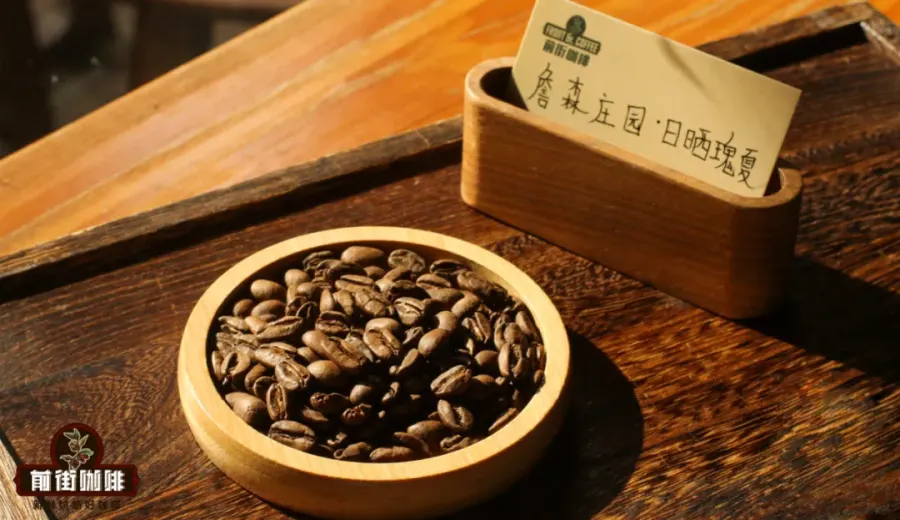
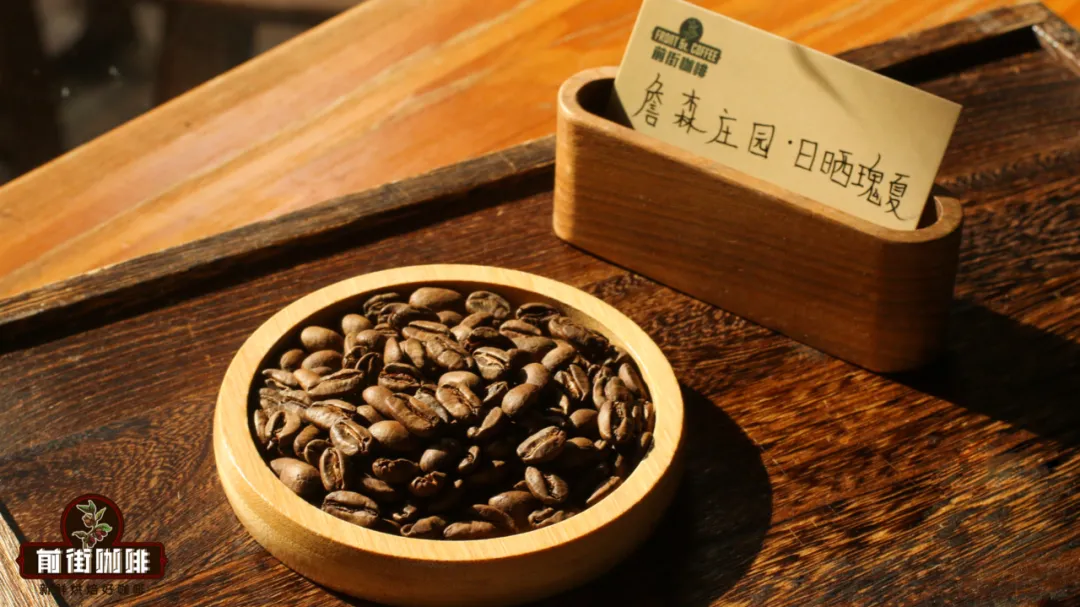
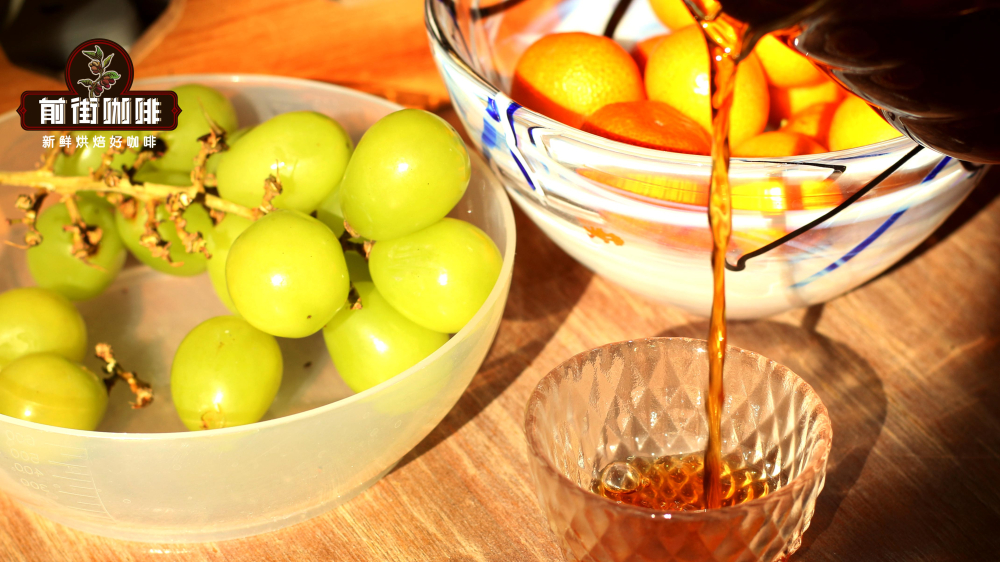
This coffee was roasted to a medium-light level and allowed four days of proper rest before being cupped. The dry aroma already reveals pronounced notes of fermented wine, ripe raisins, and cherries; during the wet aroma stage, the winey chocolate and cranberry scents become even more vivid. On the palate, flavors of pineapple, ripe fruit, dried fruit, elegant floral notes, and berries are distinctively layered, accompanied by a subtle natural fermentation character. The overall flavor profile is bold and the aftertaste is long-lasting.
Since its first BOP entry in 2013, Janson Estate has delivered remarkable results year after year, establishing itself as a name that cannot be overlooked in Panama’s specialty coffee landscape. Its Geisha variety, in particular, stands out frequently being selected for competitions or showcase purposes, and is highly regarded by professional baristas and competition participants. What is the secret behind this estate’s ability to rise above so many other notable farms? Let’s start with its history.
The story of Janson Estate began in 1926, when a 21-year-old Swedish man named Carl Axel Janson, yearning for rural life and natural beauty, crossed the ocean with his wife Margaret to arrive in the Volcán region of Chiriquí Province, Panama. There, they took over an existing cattle ranch and began dairy production. For decades, the family diligently managed the farm and forged a deep connection with the land.
It wasn’t until the mid-1980s, with the help of agricultural experts, that Carl and his family discovered that the region’s volcanic soil, high elevation, and cool climate were exceptionally well-suited for coffee cultivation. In 1989, the Janson family officially founded Janson Coffee, operated jointly by the second generation of owners — Michael, Carl, Ricardo, and Peter — marking their entry into the specialty coffee farming sector. In 1993, they further built a processing facility specifically designed for specialty coffee, gradually establishing a complete coffee production chain — from variety selection and cultivation, to harvesting and post-harvest processing.
In 2003, following the international fame of the Esmeralda Estate’s Geisha (T2722), Panama experienced a surge in Geisha planting. The Janson family also followed suit, introducing the Green-Tipped Geisha, paving the way for their future international acclaim. Today, in addition to Geisha, Janson Estate grows a variety of cultivars including Catuai, Caturra, and Pacamara, showcasing a flexible and diverse planting strategy.
Located in the far western part of Panama, near the Talamanca Mountain Range, Janson Estate boasts two core growing regions — the “Laguna Plot (Hacienda las Lagunas)” and the “Alps Plot (Los Alpes).” Both are situated on the high-altitude slopes of the Barú Volcano and the Tiríríca Volcano, enjoying exceptionally favorable natural conditions.
The Laguna Plot derives its name from the surrounding lakes and is located west of the Barú Volcano, at an altitude of about 1350–1400 meters. It lies within a volcanic soil zone, nourished by multiple natural springs that provide the coffee trees with stable moisture and nutrients. The Alps Plot, meanwhile, lies closer to the northwestern side of the Barú Volcano, adjacent to the Talamanca Mountain Range and the edge of the Tiríríca Volcano, bordering the La Amistad International Park — a UNESCO World Heritage Site. This area not only has higher elevation but also benefits from the interplay of ocean currents, pristine forests, humid air, and volcanic soils, creating a highly biodiverse microclimate that serves as an ideal environment for premium varieties such as Geisha.

Unlike other well-known Panamanian estates, Janson is not solely focused on coffee and livestock; it has also transformed its farm into a nature-friendly tourism destination. Visitors can go canoeing, horseback riding, or even hike through the mountains, experiencing the full journey from coffee planting to the cup. The estate also houses a café where visitors can enjoy a cup of Janson Geisha for just around four dollars, offering an easy entry to premium coffee flavors.
The Janson family’s logo features simple lines that depict a pristine forest and bird habitat, fully reflecting their management philosophy: “Quality production in harmony with nature.” They have long been committed to environmental protection and sustainable resource use, especially in the areas of water conservation and ecological maintenance, setting an industry benchmark.
To prevent pesticides and chemicals from affecting the surrounding ecosystem, Janson Estate deliberately isolates the virgin forest belt from the coffee fields and has abandoned traditional agrochemicals in favor of microbial enzyme technology to maintain soil health. Additionally, they utilize solar energy and recycled water resources, converting the pulp and mucilage left over from washed processing into organic compost, which is then returned to the soil as natural fertilizer — demonstrating a comprehensive approach to sustainability.
In terms of production management, Janson also exhibits extreme precision. Unlike typical farms that transport coffee cherries in sacks, they use crates to package the coffee fruit, significantly reducing impacts and juice loss during transit. After harvest, the coffee cherries undergo rigorous sorting before being evenly spread on drying beds for a natural sun-drying process lasting approximately 27–30 days, until the moisture content stabilizes at 12%. Only then are the beans hulled and stored. To ensure consistent processing, Janson has also added a green bean warehouse equipped with temperature and humidity controls, and closely monitors the pH levels of the coffee cherries, striving for excellence in every batch.
Notably, each batch of coffee beans from Janson comes with a unique numerical code, enabling full traceability from planting to processing — a reflection of their rigorous quality standards. The #364 lot we tasted is a natural-processed Geisha from the Alps Plot, and its flavor performance is particularly outstanding.
If you’d like to brew this vibrant natural-processed Geisha at home, here are our tested recommended parameters: Use a V60 filter, control the water temperature at 92–93°C, use 15 grams of coffee, with a 1:15 coffee-to-water ratio, and grind size similar to fine sugar (about 78% passing through a #20 sieve). We suggest a three-stage pouring method: Start with a bloom using double the coffee weight in water (around 30 grams) for 30 seconds; then pour in a small, circular motion from the center outward until you reach 125 grams, pause until the water level drops to the middle of the filter, then continue pouring to 225 grams. The total brew time should be around 2 minutes, effectively highlighting its fruity acidity and delicate aromatic layers.

The above content is compiled by CoffeeHunters, a coffee news website.


