







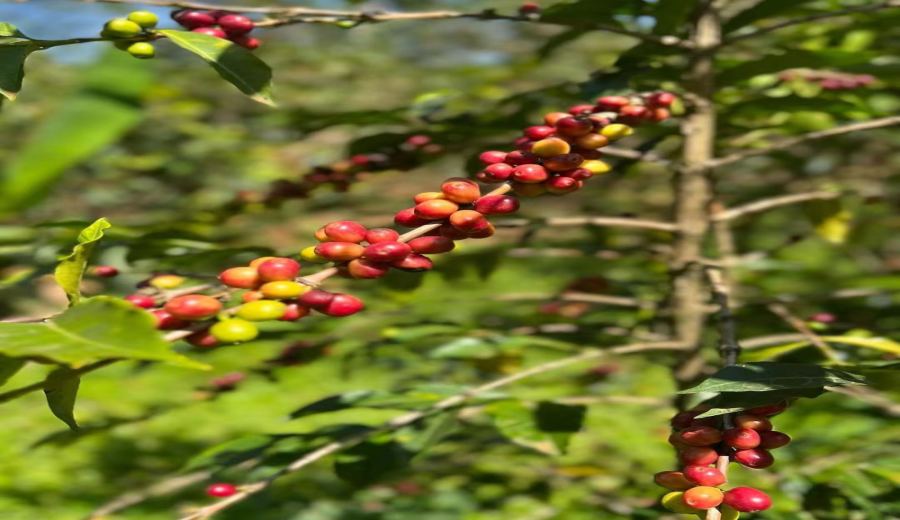
Introduction:As the most representative specialty coffee region in Ethiopia, Yirgacheffe is renowned for its bright acidity, floral notes, and citrus characteristics, making it a top choice for many coffee beginners and enthusiasts alike. This article will delve into the geography of Yirgacheffe, the smallholder farming model, the features of washed processing, and offer recommended parameters for medium-light roasting and pour over brewing to help you select and brew the best-tasting Yirgacheffe coffee.
Yirgacheffe coffee is often hailed as the classic representative of “acidic coffee,” with aromas dominated by bright white floral notes, green tea tones, and citrus fruitiness. Upon tasting, it often delivers a refreshing experience akin to a burst of blossoms. The origin of this coffee is the town of Yirgacheffe in southern Ethiopia, where the altitude reaches nearly 2,000 meters, with some areas even climbing to 2,100 meters. The high-altitude environment allows the coffee cherries to ripen slowly, accumulating richer flavor compounds and creating its unique regional identity.
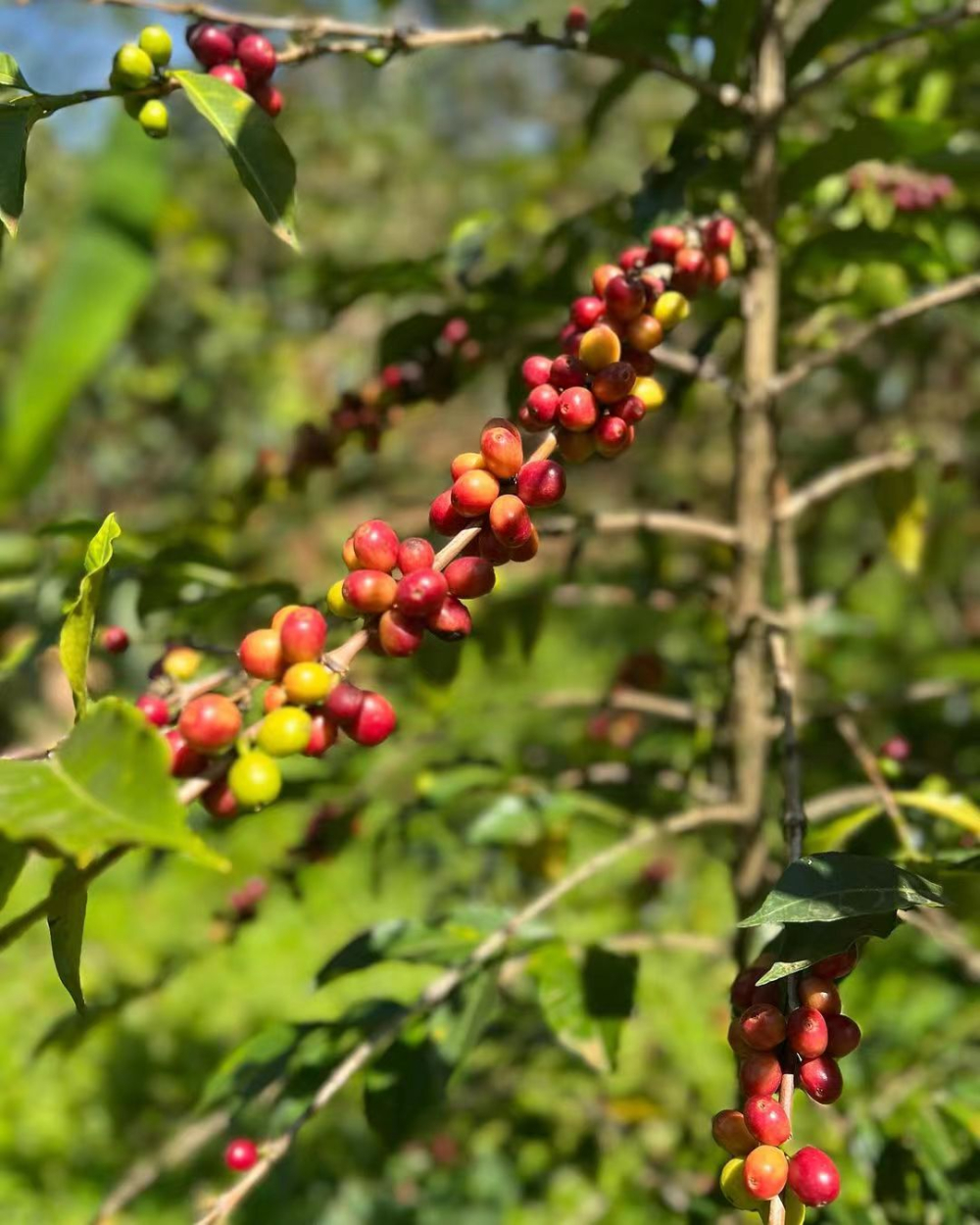
The area surrounding Yirgacheffe is bordered by Lake Turkana, Lake Abaya, and Lake Chamo, providing abundant and clean water resources. Coupled with the region’s cool, moist climate, spring-like seasons year-round, and the frequent presence of light morning mist, these natural conditions foster the distinctive fresh tonality of the coffee from this region. These elements often give Yirgacheffe coffee flavor profiles reminiscent of fruit-infused tea.
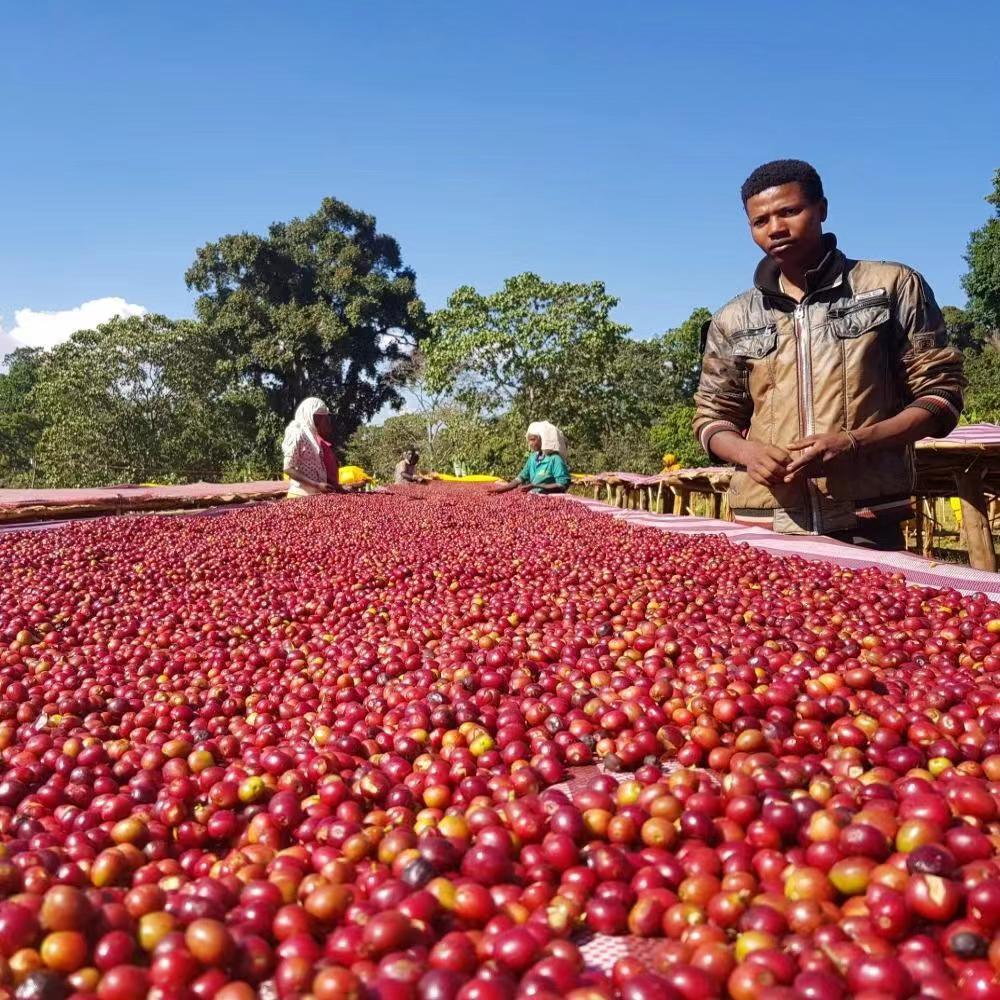
Unlike many South American countries that rely primarily on large-scale plantation production, most Ethiopian coffee is cultivated by smallholder farming families, with each household typically farming just about one hectare, resulting in limited yields. Therefore, these coffee cherries are usually sent to local cooperatives for unified processing to ensure stable quality and to increase farmers’ income. Each batch of Ethiopian coffee beans often comes with detailed origin information on the packaging, including the cooperative name, processing method, variety, and grade. Well-known and well-regarded processing units on the market include Gotiti and Adado.
The Gotiti Cooperative, located in the Wolkite region at the southeastern edge of Yirgacheffe, was established in 2012 and is composed of around 300 farmers, representing a significant local production group. The Yirgacheffe coffee produced by this cooperative is beloved in the market for its vivid flavors and bright acidity. The Gotiti Cooperative mainly employs the washed processing method, which preserves the coffee’s fresh characteristics while removing the pulp and mucilage, resulting in citrus and lemon acidity, along with delicate jasmine and honey aromas—making it highly suitable for those new to specialty coffee.
To protect the region’s unique characteristics and commercial value, the Ethiopian government registered three renowned regions, including Yirgacheffe, as official trademarks in 2004. As a result, “Yirgacheffe Yirgacheffe®” is not just a geographical name but also a specialty coffee label with identifiable flavor traits. Therefore, when we talk about Yirgacheffe coffee, we are essentially savoring a uniquely protected flavor profile.
For consumers who are just beginning to explore specialty coffee, it is recommended to start with a medium-light roasted Yirgacheffe washed bean. These beans typically use Ethiopian native varieties, not only offering good cost-performance but also allowing you to experience the most original flavor characteristics of the region. The small packaging design also helps prevent the beans from losing flavor due to prolonged storage, making them suitable for daily drinking or trying something new.
The charm of Yirgacheffe lies in its explosive fruit acidity and floral-fruity aromas, so it is not recommended to use an overly dark roast, as it can easily mask its delicate nuances. Generally speaking, a medium-light roast is preferred to preserve the coffee’s bright acidity and complex layers of aroma. Due to the medium-light roast level, the coffee beans are harder in texture, so it is recommended to use water at 92°C to 93°C for extraction, which helps bring out the floral and fruity aromatic compounds.
In terms of grind size, it is recommended to choose a medium-fine grind, roughly equivalent to a 78% pass rate through a Chinese standard No. 20 sieve, or a coarseness similar to fine sugar. If the grind is too coarse, it may lead to under-extracted, thin-tasting coffee lacking in layers; if too fine, it can easily lead to over-extraction at high temperatures, producing unwanted bitterness.
Below are the recommended pour over brewing parameters for Yirgacheffe, suitable for use with a V60 filter cone:
- Water temperature: 92°C – 93°C
- Coffee dosage: 15 grams
- Coffee-to-water ratio: 1:15
- Grind size: Fine sugar size (approximately 80% pass rate through a No. 20 sieve)
For the brewing steps, it is recommended to use a three-stage pouring method: first, perform a bloom with twice the amount of water as coffee grounds (about 30ml) for approximately 30 seconds to help release the coffee’s aroma; next, pour water in small streams in a circular motion from the inside out until the total water volume reaches 125 grams, then pause and let the coffee bed settle; continue pouring until reaching 225 grams in total, extracting all the coffee liquid, with the overall process taking about 2 minutes. After completion, let it sit briefly to allow the coffee liquid to blend evenly before enjoying.
Once brewed, Yirgacheffe coffee offers subtle aromas of honey and jasmine upon initial sniffing. On tasting, it reveals bright notes of lemon, citrus, and green tea. As it cools, you can also detect lingering hints of berries, cream, and sugarcane. With a clean and refreshing mouthfeel and a balanced acidity and sweetness, it is a premium coffee that is perfect for slow savoring.
The above content is compiled by CoffeeHunters, a coffee news website.


