







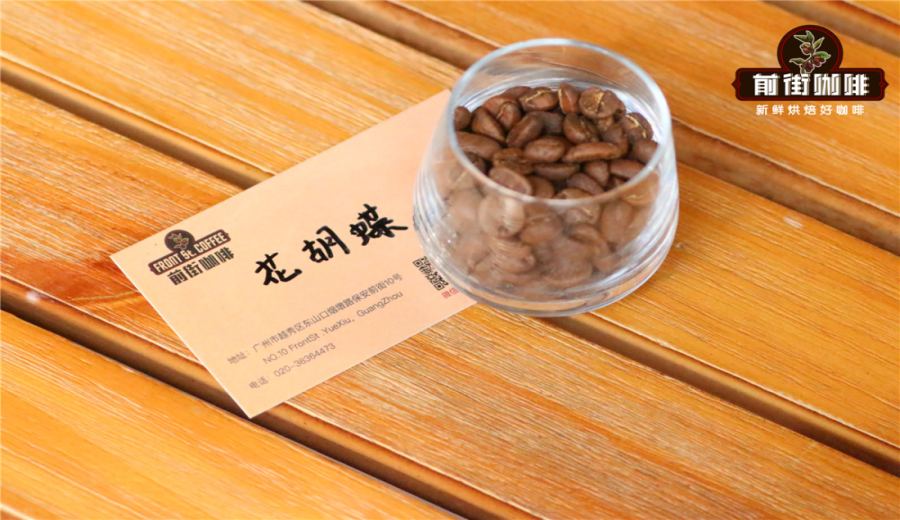
Introduction:Geisha beans are renowned for their unique floral aroma and citrus notes, but when many Geisha blends appear on the market, do they still qualify as single-origin coffee? This article takes an in-depth look at two well-known Geisha blends in the industry — Panama Hacienda La Esmeralda Geisha "Geisha Flower Butterfly" and Costa Rica Strawberry Sugar Geisha Blend — exploring everything from variety composition, regional characteristics, processing differences, to roast profiles and pour over parameters. We’ll show you how these blends balance the distinctive traits of Geisha with the advantages of blending, and provide practical brewing tips to help you fully unlock the potential of each bean.
Geisha (Geisha) coffee, with its delicate floral notes and vibrant citrus character, has secured a notable place in the global specialty coffee market. However, when you come across a Geisha product labeled as a “blend,” have you ever wondered: can such beans still be considered single-origin? In fact, the definition of single-origin coffee emphasizes consistency in region and micro-region, rather than a single variety. This article uses two highly acclaimed Geisha blend beans — Panama Boquete Geisha “Flower Butterfly” and Costa Rica Mirasol Estate Strawberry Sugar Geisha Blend — as examples. We will explore their unique qualities through variety composition, terroir environment, processing techniques, roasting strategies, and practical pour over recommendations.
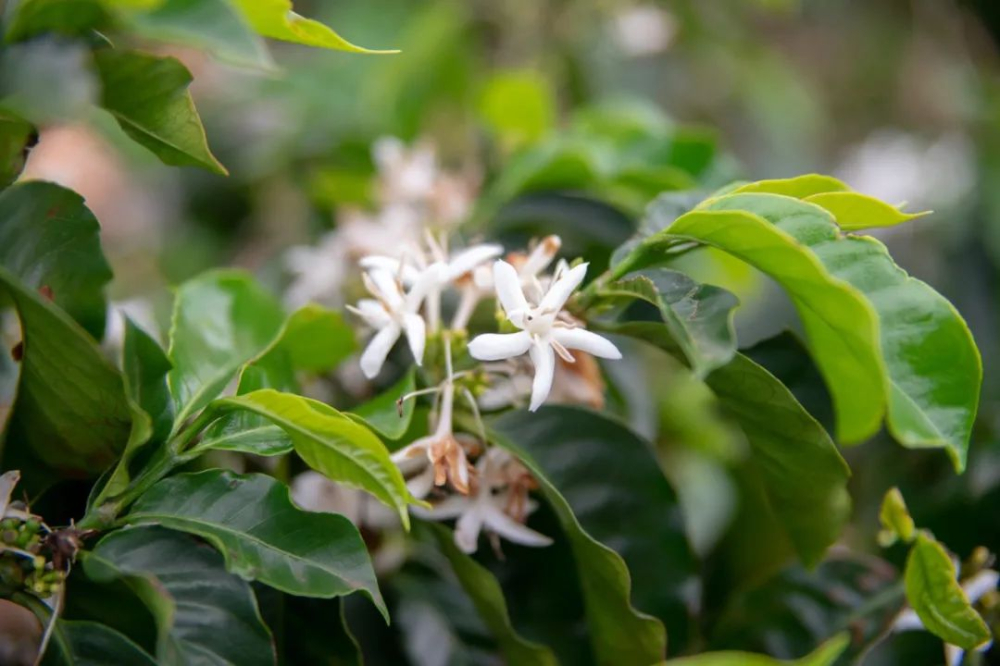
The Geisha variety was first discovered in 1931 in the Gesha Forest of Ethiopia, later introduced by Kenyan coffee research institutions, and subsequently spread to Uganda, Tanzania, and finally arrived in Costa Rica in 1953. In 1963, Don Pachi Serracin brought the Geisha variety to Panama, but due to its low yield, it remained overlooked for a long time. It wasn’t until the late 1990s that Hacienda La Esmeralda in Panama accidentally discovered that Geisha trees planted in high-altitude windbreak areas produced coffee with extraordinary citrus and floral characteristics. This led to its breakthrough success at the 2004 Panama Cupping Competition, thereby establishing Geisha’s top-tier status in the specialty coffee world.
Currently, there are two prominent blends in the industry that feature Geisha as the main component: “Panama Flower Butterfly Coffee” and “Costa Rica Mirasol Estate Strawberry Sugar Geisha Blend.” Although both are labeled as “blends,” these beans originate from a single region or estate, fully meeting the basic definition of single-origin coffee. The term “Geisha blend” refers to blends where Geisha is the dominant variety, complemented by other varieties from the same region to enhance overall flavor complexity and stability.
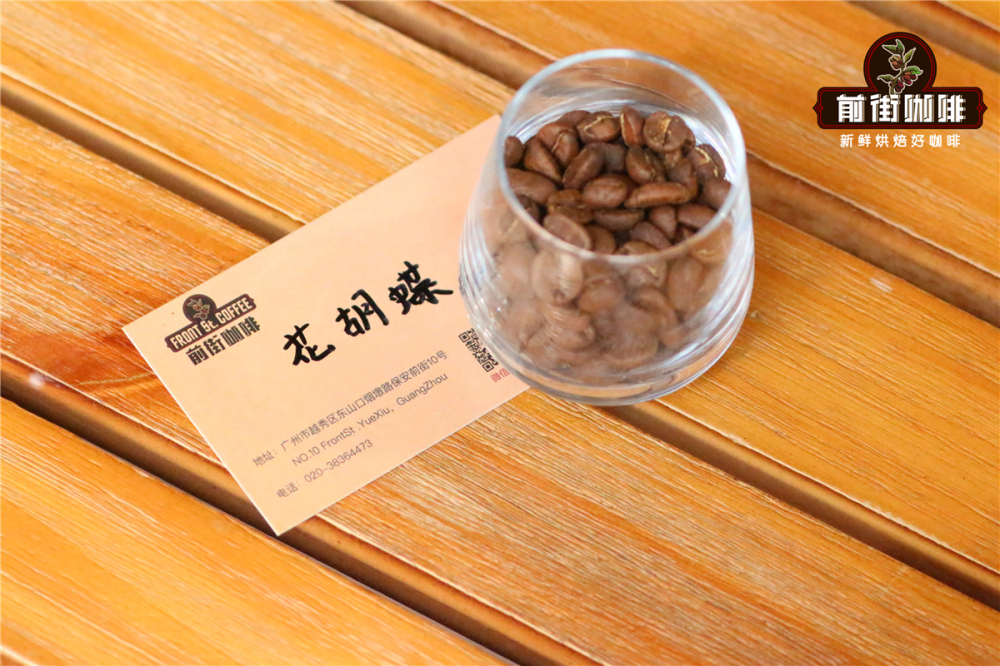
Let’s start with Panama Boquete Geisha “Flower Butterfly” Coffee, which comes from the Baru Volcano region in Boquete, Panama, grown at an altitude of about 1,600 meters. The bean composition is 70% Geisha, blended with Caturra and Catuai, and processed using a meticulous washed method by a local processing facility. The high altitude, dynamic microclimate, and careful harvesting and processing procedures give this Flower Butterfly exceptionally bright acidity, along with the signature Geisha floral notes, white grape, caramel, honey, and black tea aromas, coupled with body and layered complexity.
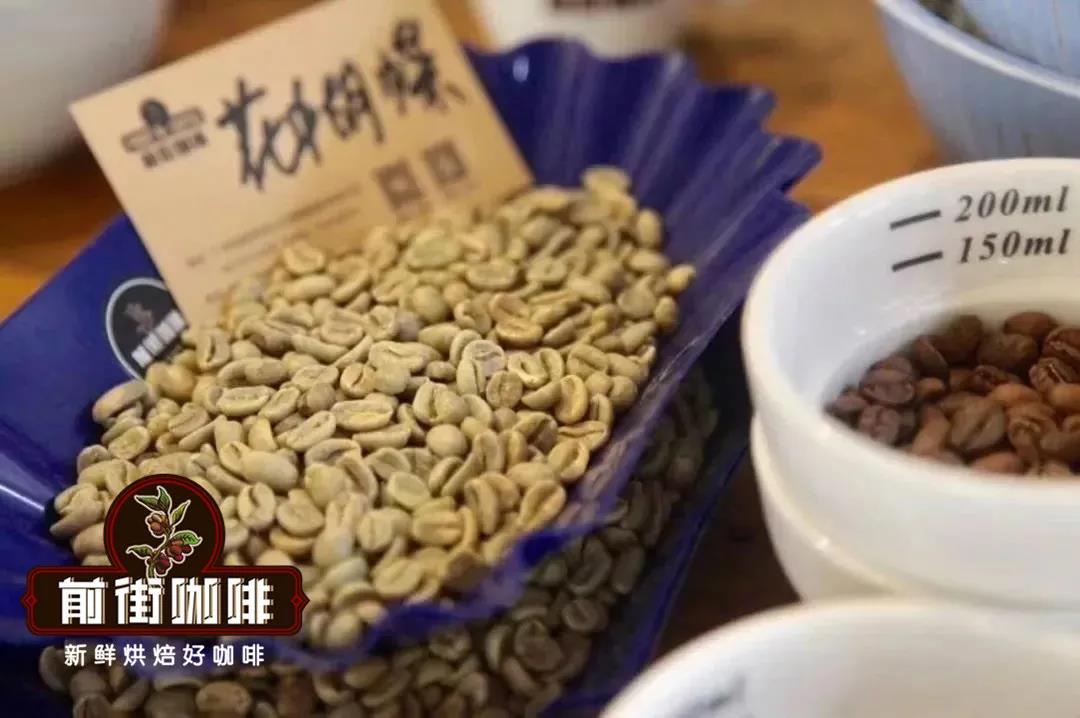
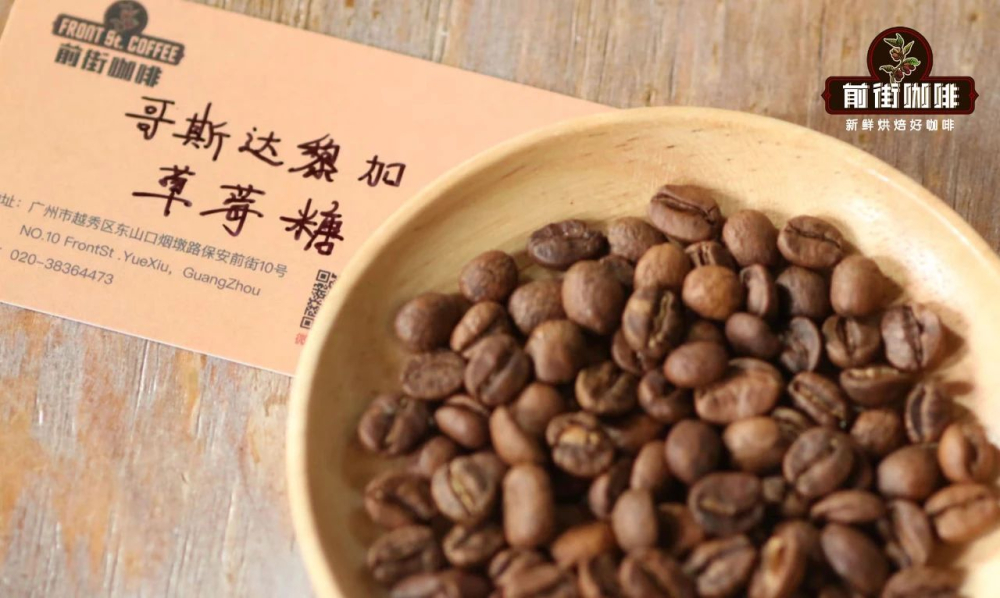
The other blend, Costa Rica Mirasol Estate Strawberry Sugar Geisha Blend, hails from Mirasol Estate in the Tarrazú region of Costa Rica, grown at an elevation of 1,700 meters. This blend consists of four varieties: Geisha, ET47, SL28, and MAICO, all sourced from the same estate, making it a single-region blend. Among them, ET47 is an Ethiopian landrace with good disease resistance and unique aromatic potential; SL28 is celebrated for its high sweetness, complex flavors, and iconic citrus and dark plum notes. Though low-yielding, it has long been a star variety in the specialty coffee scene. This Strawberry Sugar Geisha Blend uses a raisin honey process, fermenting with 100% mucilage retention and zero water addition, significantly enhancing sweetness and fruity notes, resulting in a rich and layered cup.
Regarding processing methods, Panama Flower Butterfly employs traditional washed processing: the outer skin and pulp of the coffee cherry are first removed, then the beans with mucilage are fermented in water for about 24 hours. Afterwards, the remaining mucilage is rinsed off with clean water, followed by drying (either sun-dried or mechanically) until the moisture content drops to around 12%, and finally the parchment is removed. This method highlights the bright acidity and delicate floral notes of Geisha, making it ideal for coffee lovers who prefer a clean and refreshing taste profile.
In contrast, the Costa Rica Strawberry Sugar Geisha Blend uses a raisin honey process — a challenging type of honey process that involves no water addition and retains all the mucilage. After harvest, the coffee cherries are first floated to remove unripe or overripe beans, then dried on raised beds for at least three days before the skins are removed and the mucilage is retained for continued drying. This process requires strict control over temperature and turning frequency to ensure even fermentation without over-fermentation, ultimately imparting intense sweetness and unique fruity aromas to the coffee.
In terms of roast strategy, the industry opts for a medium-light roast for Flower Butterfly. Given its high density and hardness, the roast begins with a high flame to rapidly remove moisture in the early stages, then reduces the rate of temperature rise before first crack to preserve the small-molecule aromatic compounds unique to Geisha, including floral, citrus, and honey notes, avoiding high heat that could damage its delicate flavors. For a batch size of 550g, preheat the roaster to 200°C, reduce the flame to 160 after 30 seconds, set the air vent to 3, and maintain the heat after the turnaround at approximately 1 minute 31 seconds; at 4 minutes 50 seconds, when the beans turn yellow, reduce the flame to 130 while keeping the air vent at 4; at 7 minutes 50 seconds, the dehydration is complete, with wrinkles and black speckles appearing on the bean surface, signaling the approach of first crack; first crack begins at 8 minutes 31 seconds, open the air vent fully to 5, reduce the flame to 70, continue roasting for about 1 minute 28 seconds after first crack, and drop the beans at 193°C.
As for pour over recommendations, both beans are suited to medium-fine grind, suggested to achieve about 80% extraction through a standard #20 sieve (similar in coarseness to fine sugar). Water temperature should be controlled at 90–91°C, with a brew ratio of 1:15, and a recommended coffee dose of 15 grams. The following pour over technique is advised: start with a 30-second bloom using 30 grams of water, then pour 95 grams (total ~125g) followed by another 100 grams (~225g total) around the 1-minute mark, completing the pour at about 1 minute 40 seconds. Aim to finish extraction within 1 minute 55 seconds to 2 minutes, then remove the filter and allow the coffee to drip through.
【Panama Flower Butterfly】Flavor Profile: Prominent floral, black tea, berry, and citrus notes, with a mild nutty finish. The mouthfeel is smooth, acidity is balanced, bitterness is low, and the aftertaste is moderate and lingering.
【Costa Rica Mirasol Estate Strawberry Sugar Geisha Blend】Flavor Profile: Elegant jasmine floral notes, gentle fruit acidity, outstanding sweetness, and a smooth almond-like finish. The overall flavor is rounded and layered.
The above content is compiled by CoffeeHunters, a coffee news website.


