








Introduction:An in-depth analysis of the key differences between washed and natural processing methods in Ethiopia’s Yirgacheffe region—from cupping flavor profiles to optimal roast curve settings—along with practical pour over parameters and flavor characteristic descriptions, helping you fully grasp the multifaceted charm of this classic specialty coffee.
Yirgacheffe, as one of Ethiopia’s most representative specialty coffee regions, owes its fame to its unique geographical environment and refined processing techniques, producing globally renowned washed and natural processed beans. These two processing methods not only create distinctly different flavor profiles but also place varying demands on roasting and extraction strategies. This article will thoroughly examine the differences in their cupping performances, delve into recommended roast curves, and provide beginner-friendly pour over tips and flavor descriptions to help you more comprehensively appreciate the diverse excellence of Yirgacheffe.

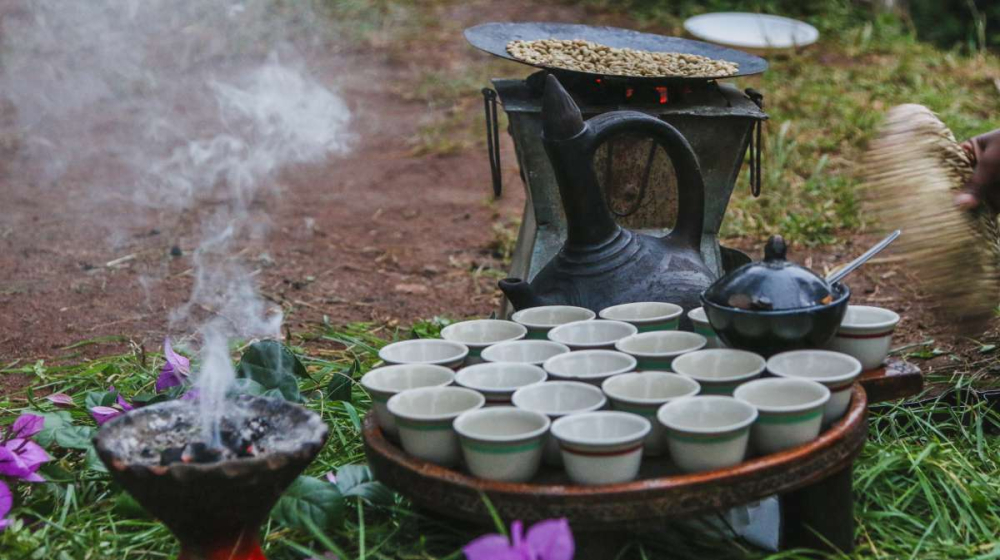
As the birthplace of coffee, Ethiopia boasts extremely rich planting resources and cultural heritage. The Kaffa region in the country’s south alone is home to over five thousand native coffee varieties within its pristine forests, showcasing astonishing biodiversity. Although approximately sixty percent of the nation’s coffee beans are exported, coffee remains an indispensable part of local social ceremonies and daily life. Whether at wedding celebrations or family gatherings, the traditional Coffee Ceremony serves as a vital emotional bonding ritual. This tradition typically lasts about ninety minutes, from the careful roasting of coffee beans to the gradual release of aroma during brewing—not only carrying cultural memory but also becoming an important medium for community interaction.
Coffee cultivation in Ethiopia is primarily concentrated in the western and southern regions, managed collectively by over 1.2 million smallholder family farms with an average farming area of no more than four hectares. Planting altitudes generally range between one thousand and two thousand three hundred meters. Among these high-altitude areas, Yirgacheffe stands out with its unique flavor characteristics. Currently part of the Gedeo zone, its traditional altitude range is one thousand eight hundred to two thousand meters, cultivated using the typical garden coffee system. The coffee here is renowned for its delicate jasmine, lemon, peach, and almond aromas, with professional teams describing its flavor profile as “blossoming with diversity” akin to a garden in full bloom.
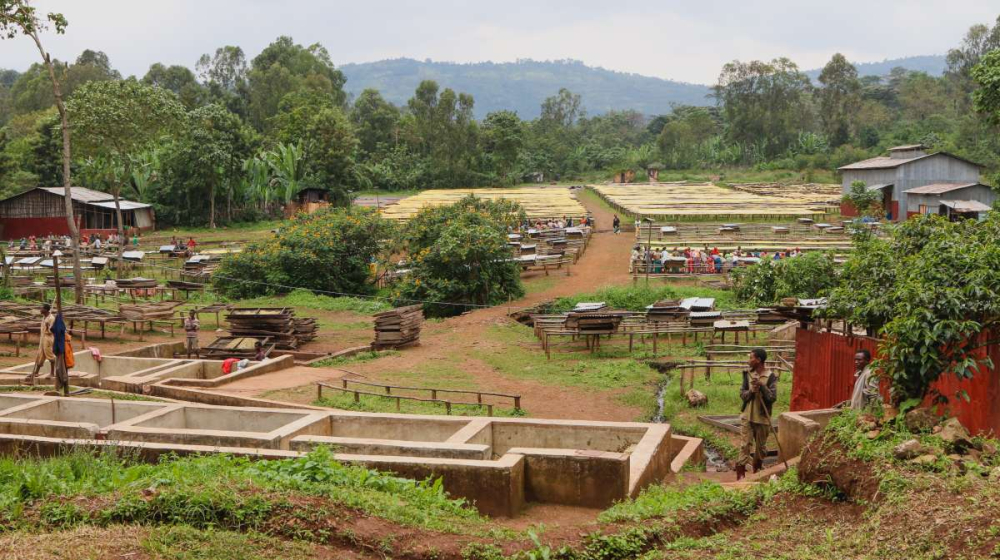
Initially dominated by traditional natural processing, Yirgacheffe saw its citrus aromas and bright acidity presented more delicately after the introduction of Central and South American washed techniques in 1972, rapidly propelling the region to the top tier of global specialty coffee. Washed processing enhances the foundational flavor characteristics of coffee through pulp removal and fermentation, while natural processing retains the original flavors while adding more sweetness and fermentation complexity. In recent years, with continuous advancements in processing techniques, the quality of Yirgacheffe’s natural beans has significantly improved, giving rise to notable specialty-grade naturals such as Idido Misty Valley, Beloya, and Aricha.
In terms of processing techniques, the core difference between washed and natural lies in how the fruit is handled. Washed processing involves removing the coffee cherry’s skin and pulp, followed by fermentation and washing before drying to approximately twelve percent moisture content, whereas natural processing involves directly sun-drying the whole ripe coffee fruit until the same moisture standard is reached before removing the outer layers. For consumers new to Ethiopian coffee, it is recommended to start with washed beans, whose more representative bright acidity and elegant floral-fruity aromas can more intuitively showcase the region’s distinctive flavor traits.
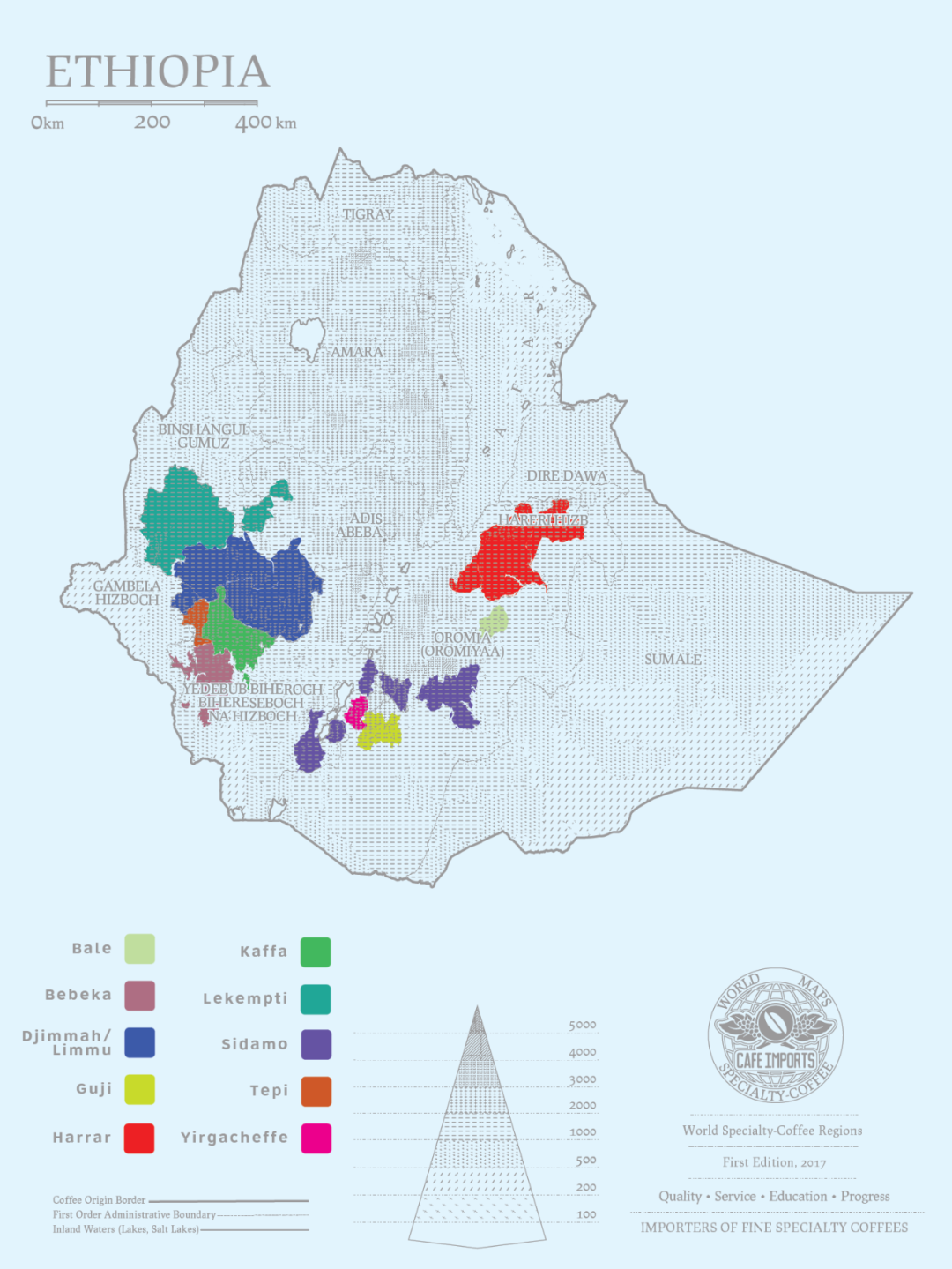
Ethiopia’s coffee bean grading system is primarily based on defect rates and cupping quality scores. The ECX (Ethiopian Commodity Exchange) classifies green beans into two main grades: G1 and G2. G1 allows no more than three defects per three hundred grams, while G2 permits four to twelve defects. Additionally, through the SCA (Specialty Coffee Association of America) cupping score system, beans scoring eighty-five points or above are classified as Q1 grade, while those between eighty and eighty-four point seven five points are Q2 grade, ensuring consumers can choose the appropriate quality level based on their needs.
In terms of roasting strategy, to fully highlight Yirgacheffe coffee’s delicate acidity and rich floral-fruity aromas, light roasting is considered the method that best accentuates its characteristics. Whether washed or natural processed, light roasting effectively preserves the coffee’s original flavor features. However, there are also many medium and above roasted Yirgacheffe products on the market. While such roasting may weaken acidity, it enhances body. Consumers can choose based on personal preference. Below are reference roast curve settings for both washed and natural Yirgacheffe, to assist roasters and coffee enthusiasts in mastering key parameters.
For lightly roasted Yirgacheffe coffee beans, it is recommended to use a V60 filter for pour over extraction. The ideal water temperature is around ninety degrees Celsius, with a water-to-coffee ratio maintained at 1:15. A coffee dose of fifteen grams is suggested, using a medium-fine grind (approximately 80% passing through a Chinese Standard No. 20 sieve). Specifically, start by pouring an amount of water equal to twice the coffee dose (about thirty grams) for a thirty-second bloom, then continue pouring in small circles until reaching one hundred twenty-five grams for the first pour, followed by a pause. When the water level is about to expose the coffee bed, continue pouring until the total reaches two hundred twenty-five grams, with the overall extraction time controlled to around two minutes.
In terms of flavor expression, naturally processed Yirgacheffe typically exhibits pronounced fermented wine-like aromas, with a rich and layered mouthfeel, accompanied by citrus fruit notes, honey-like sweetness, and a chocolatey finish, leaving a long-lasting aftertaste. In contrast, washed Yirgacheffe presents a brighter acidity, led by citric acid, paired with fresh citrus aromas and a subtle black tea-like finish, resulting in a cleaner and more transparent overall flavor profile. Regardless of the processing method chosen, these two classic coffee beans both offer distinct fruit acidity and a juice-like drinking experience, making them excellent entry points for exploring the charm of Ethiopian coffee.
The above content is compiled by CoffeeHunters, a coffee news website.


