







Introduction:Sidra is a coffee variety that has garnered significant attention in the specialty coffee scene in recent years, having been favored by two consecutive World Barista Championship winners. This article delves into the varietal’s origins, the cultivation story at Finca El Diviso in Huila, Colombia, analyzes its unique processing method and flavor profile, and provides practical pour over parameters to help coffee enthusiasts explore the charm of this high-potential bean.
The Sidra coffee variety has emerged as a standout in the specialty coffee market in recent years, not only for its unique and complex flavors but also because it was chosen by two consecutive World Barista Championship (WBC) champions. This coffee can be traced back to Ecuador, where it was developed through a cross between Typica and Red Bourbon. Genetic research further indicates a certain genetic relationship with native Ethiopian varieties. It is currently mainly cultivated in Ecuador and Colombia, with Finca El Diviso in Colombia’s Huila region gaining particular attention due to the outstanding performance of 2022 champion Anthony Douglas.
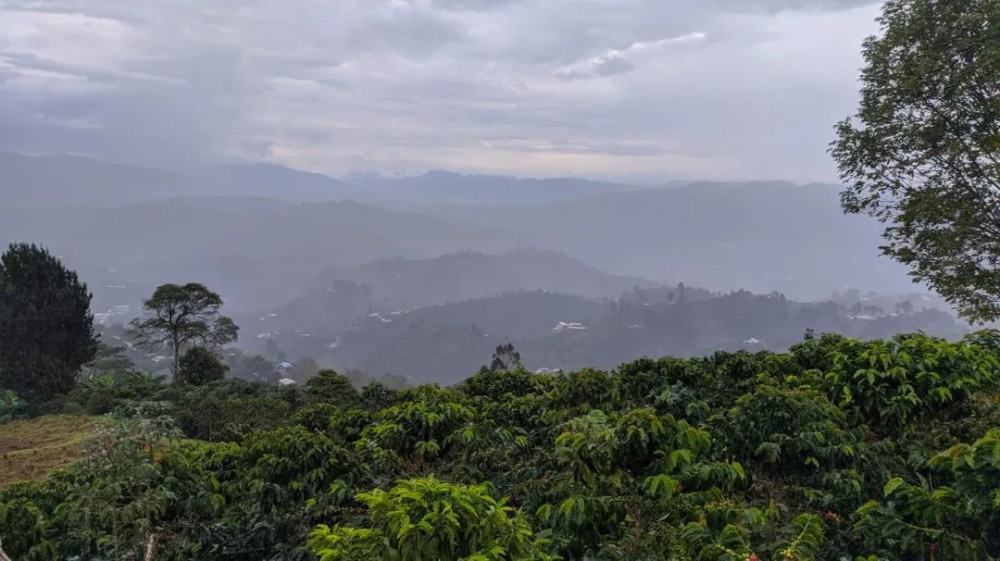
Finca El Diviso is located in Colombia’s Huila region, at an altitude of approximately 2,100 meters, covering an area of 14 hectares. It is a family-run coffee farm. The farm was established by Jose Uribe Lasso in 1996 and has over 25 years of cultivation history. It is now managed by the second-generation owner, Nestor Lasso, who, building on the foundation laid by his grandfather and father, is dedicated to improving coffee quality and processing techniques. The farm grows up to twelve different coffee varieties, including Caturra, Colombia, Sidra, Castillo, Geisha, and Bourbon, showcasing rich varietal diversity and processing potential.
Sidra’s rise to prominence in the specialty coffee world is inseparable from the endorsement of two world champions. In 2019, WBC champion and South Korean competitor Jooyeon Jeon used Sidra from La Palma y El Tucan in Colombia, and that year’s third-place finisher, Cole Torode, also selected a lot from the same farm. Meanwhile, 2022 champion Anthony Douglas opted for anaerobically fermented Sidra from Finca El Diviso in Huila, Colombia, a choice that catapulted both the variety and the farm to fame.

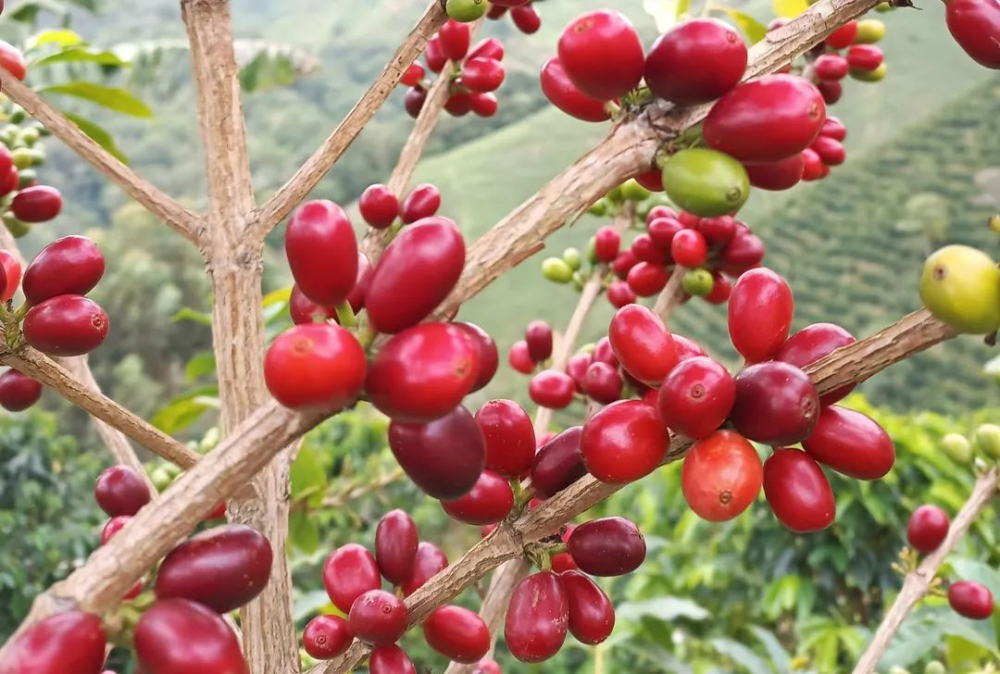
The Sidra variety itself boasts robust growth characteristics, with plants that can grow up to about 4 meters tall and have thick trunks, requiring moderate shading for cultivation. This variety shows some resistance to certain pests and diseases but remains susceptible to leaf rust and coffee berry disease. Its leaves are slender, and its flowers are the typical five-petal type. The fruit is dense, with relatively large and roundish beans. The green beans are slender in appearance, somewhat resembling Geisha. Due to its relatively high yield and the fact that it is primarily grown at high altitudes between 1,650 and 1,800 meters, it has developed a distinctive flavor profile.
The flavor profile of Sidra has long been characterized by pronounced floral and fruity aromas, with common tasting notes including peach, citrus, grape, and honey. It has a bright acidity and a round, balanced mouthfeel. Due to its limited cultivation area and flavor profile that rivals that of higher-priced Geisha, its market price is generally on the higher side. In terms of processing, Finca El Diviso in Colombia employs a double anaerobic washed process, which further enhances its bright acidity and rich fruity character. A medium-light roast level is typically chosen to better highlight its delicate layers and fruity notes.
If you’d like to brew this competition-grade coffee at home, here are professional-level pour over recommendations: Use 15 grams of coffee grounds, with a brew ratio set at 1:15, and water temperature controlled at around 91°C. The grind size should be medium-fine (recommended to use a #20 sieve, with about 80% passing rate). The brewing process suggests a three-stage pouring method: first, pour 30 ml of hot water for a 30-second bloom; then, pour 120 ml using a slow circular motion until the water level drops to about half, followed by another 90 ml poured in the same manner. The total extraction time should be around 2 minutes, which helps fully showcase Sidra’s fruity aroma and balanced sweet-acid profile.
In summary, Sidra is not only a star coffee in championship competitions but also a top choice for many coffee enthusiasts exploring high-altitude, high-quality Arabica beans. From its genetic roots in Ecuador, to the meticulous cultivation and innovative processing at Finca El Diviso in Huila, Colombia, to the clear pour over recommendations, this coffee bean is undoubtedly worthy of in-depth exploration and appreciation by every coffee lover who pursues exceptional flavor.
The above content is compiled by CoffeeHunters, a coffee news website.


