







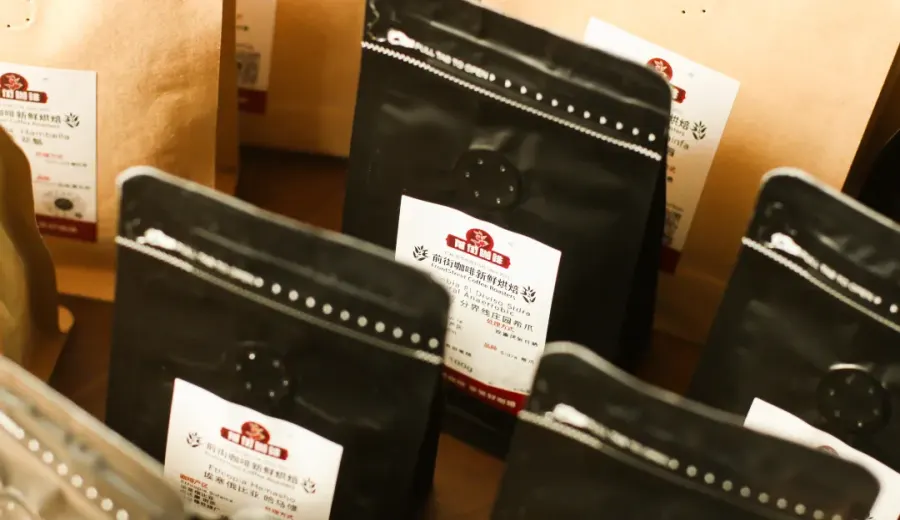
Introduction:Coffee flavors vary widely—some people prefer rich bitterness, others enjoy bright fruit acidity, while many are drawn to balanced sweetness. These differences arise from the interplay of origin, variety, processing method, and roast level. This article delves into the logic behind coffee bean flavor classification, explores how Maillard and caramelization reactions shape aroma, and discusses how roast time influences the balance of acidity, sweetness, and bitterness. We’ve also handpicked several market-proven dark roast beans, offering practical pour over and espresso extraction references to help you find your perfect match by taste.
Coffee beans from around the world exhibit distinctly different flavor profiles—some boast intense roasted bitterness, others burst with vibrant citrus acidity, and some shine with rich sweetness and layered complexity. These characteristics aren’t accidental but are shaped by the coffee’s growing environment, varietal genetics, post-harvest processing techniques, and most crucially, the roast level.
During roasting, the Maillard reaction and caramelization are the core chemical processes that create aroma and color. These two reactions not only influence the final shade of darkness but also determine the direction of the cup’s flavor. The balance among acidity, sweetness, and bitterness is closely tied to roast duration.
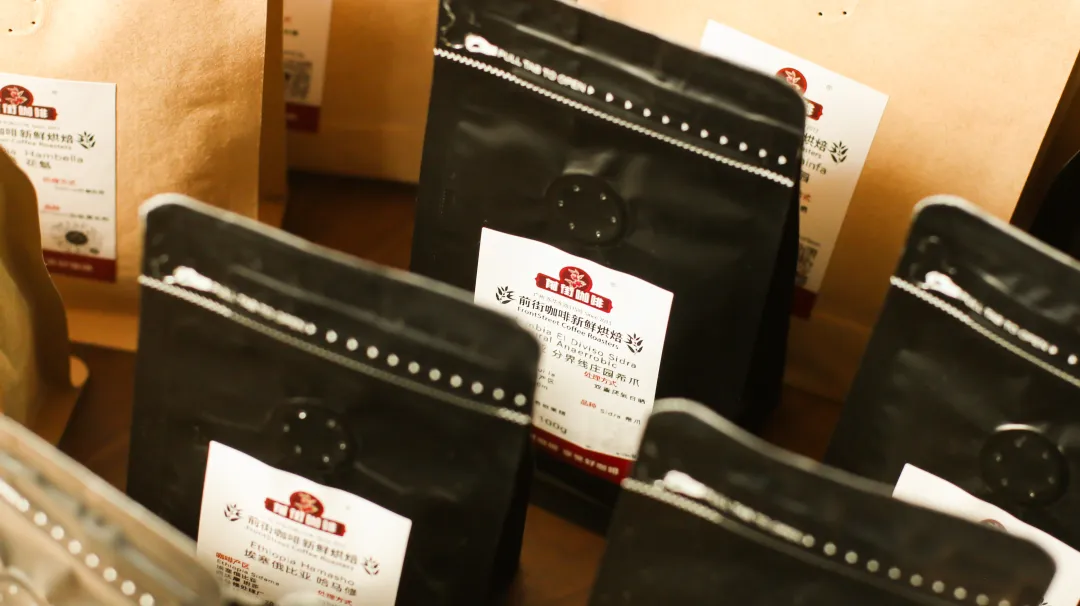
Generally speaking, the longer the roast time, the more the internal acidity of the beans breaks down, while bitter compounds increase with rising temperature. In other words, dark roasted coffee often delivers a stronger bitterness, with acidity relatively subdued, but it also brings more pronounced caramel, chocolate, and nutty aromas. Understanding these fundamentals is the first step in selecting beans that suit your taste.
If you prefer pour over and have a high tolerance for bitter notes, consider classic medium-dark roast options. These beans are typically rigorously selected with uniform bean size, which helps extract more stable flavors. After roasting, they often emit complex notes of spice, caramel, wood, and dark chocolate, with a full-bodied mouthfeel and oily richness—especially friendly to those unaccustomed to prominent acidity.
For those using espresso machines, medium-to-dark blend beans are recommended. These beans are rich in crema, with prominent roasty aromas, making them ideal for espresso bases. When brewed as Americano, they showcase a sweet and mellow taste; paired with milk for lattes, they deliver silky, intense layers with a long finish. Whether for home use or café service, they’re a reliably consistent choice.
In summary, understanding the key to coffee bean flavor classification lies in grasping the interplay of origin characteristics, roast level, and brewing method. From bitter-leaning to mellow and aromatic, each style has its unique charm. With deeper insight into these elements, you can more precisely select the coffee beans that best suit your preferences and enjoy the distinctive flavor experience of every cup.
The above content is compiled by CoffeeHunters, a coffee news website.


