







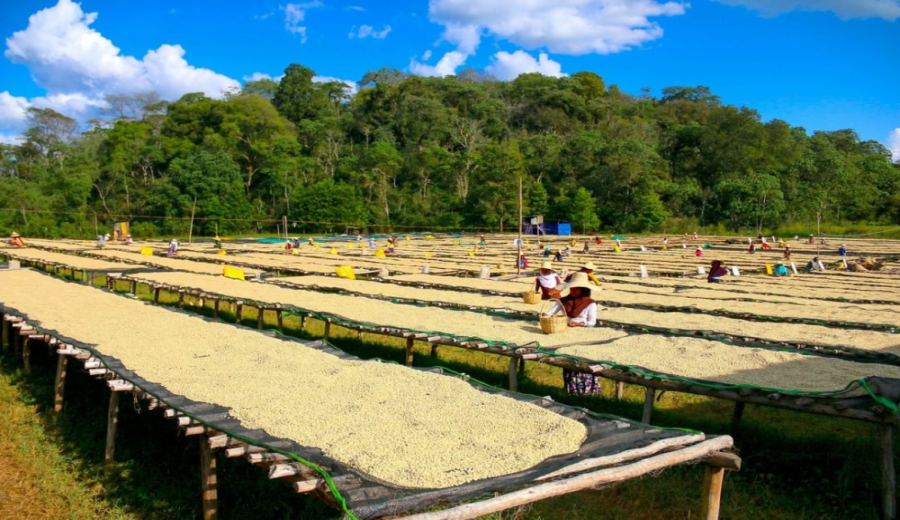
Introduction:Although Tanzanian coffee may not be as well-known as Ethiopian or Kenyan coffee, the specialty beans grown in its high-altitude volcanic regions also boast captivating flavors. This article delves into the cultivation background, variety characteristics, processing techniques, and grading standards of Tanzanian Kilimanjaro AA-grade coffee beans, offering practical pour-over brewing suggestions and flavor profiles to help you fully grasp the essence of these high-altitude specialty beans.
On the map of African specialty coffee, Tanzania is often overlooked but actually holds considerable untapped potential. This East African country, neighboring Kenya and Ethiopia, shares similar coffee grading systems and also uses bean size as a key criterion for quality classification. The highest grade, AA, represents the largest-sized and highest-quality coffee beans. This article focuses on the AA-grade Typica variety beans from the Kilimanjaro volcanic region in northern Tanzania’s highlands, processed using the washed method to deliver a bright, clean acidity and rich fruity notes.
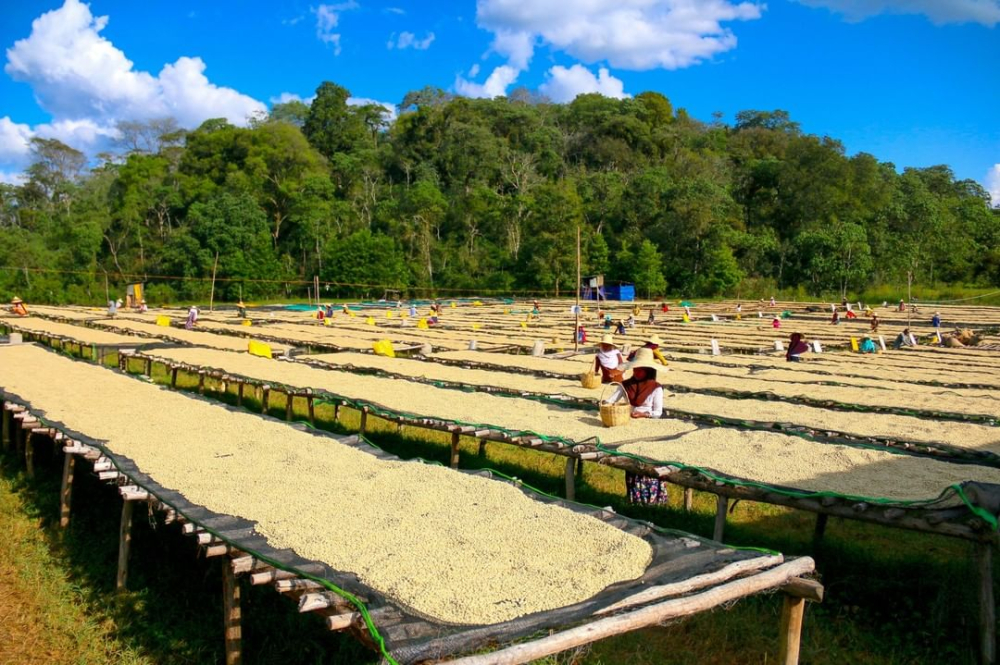
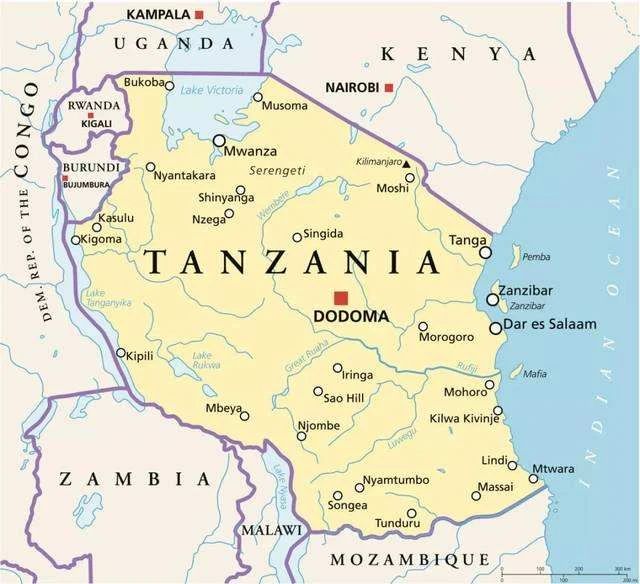
Although Tanzania’s coffee cultivation history is not as long as that of its neighboring countries, it has gradually developed a coffee industry with local characteristics since the introduction of Arabica varieties during the German colonial period in the early 20th century. The Kilimanjaro mountain region is the country’s most renowned coffee-growing area, with plantations generally situated between 1,300 and 2,000 meters above sea level. The fertile volcanic soil and cool mountain climate provide an ideal environment for coffee trees, resulting in the unique flavor profile of the beans.
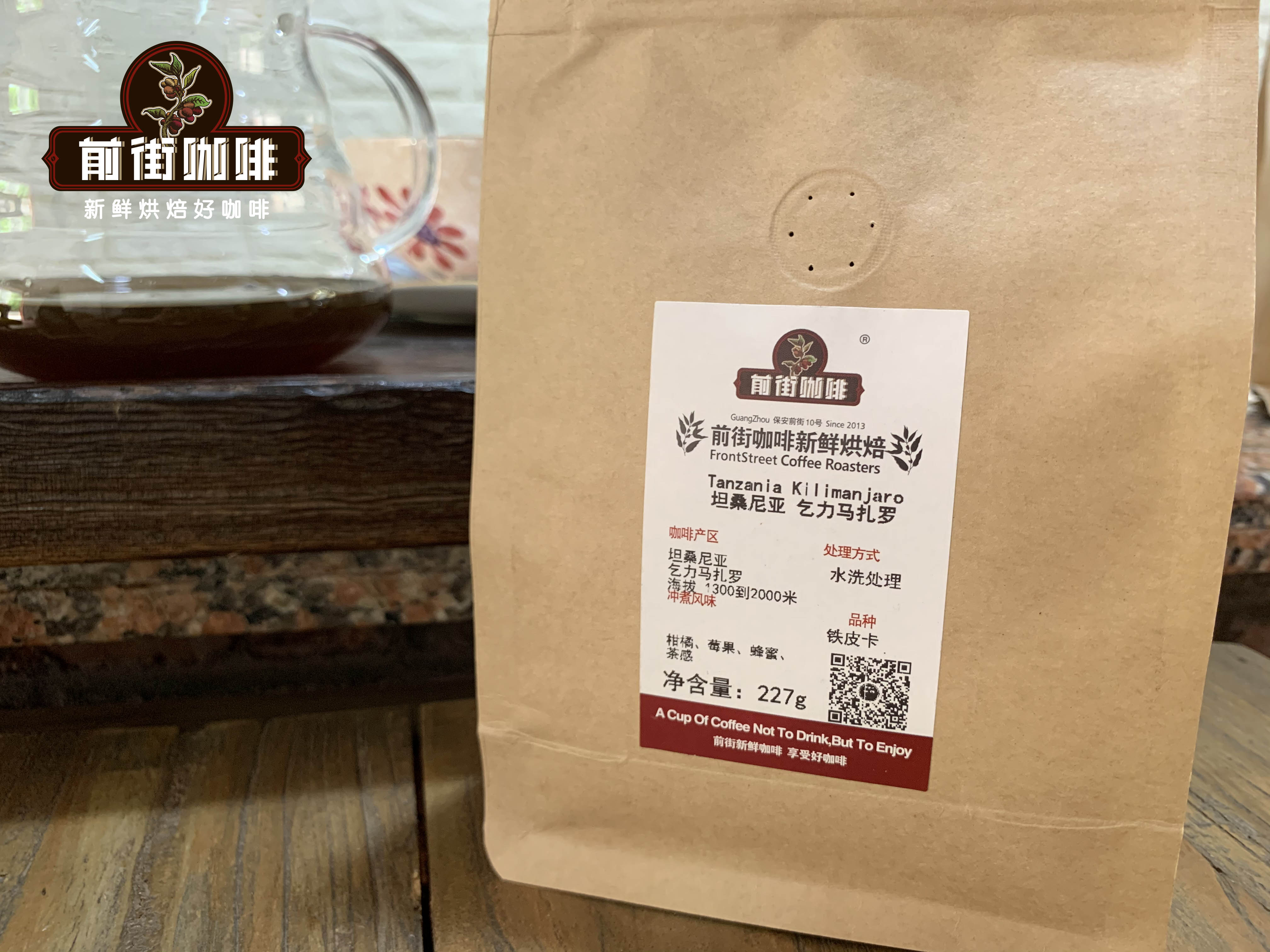
The Tanzanian Kilimanjaro AA coffee beans are of the Typica variety, one of the most original Arabica types. Typica coffee is known for its elegant acidity, bright citrus notes, and tea-like aftertaste. Although its yield is relatively low and it is more susceptible to leaf rust, it remains a preferred variety for many specialty coffee farms. These Tanzanian Typica green beans feature a plump, uniformly sized appearance with the typical long oval shape characteristic of the Typica variety.
In terms of processing, these beans are treated using the traditional washed method, which is the most commonly used technique by Tanzanian coffee farmers. The washed method is characterized by removing the pulp layer through fermentation and washing, allowing the beans to retain a purer flavor while delivering a cleaner, crisper taste. The process includes: initial screening to remove impurities, removal of the coffee pulp and outer skin, fermentation in tanks for 18 to 36 hours to eliminate the mucilage, followed by washing and drying. This method helps highlight the coffee’s acidity and aroma, resulting in a more layered cup.
Tanzania’s coffee grading system is similar to Kenya’s, with grades determined by the size of the beans passing through sieves. The higher the sieve number, the larger the bean size and typically the higher the quality. AA is the highest grade in Tanzania, with a sieve size of 17–18 (approximately 7.20mm), and these beans usually offer richer flavors and better extraction performance. Other common grades include AB (15–16), PB (peaberry, about 10%), and C (12–14). The Kilimanjaro AA introduced here is a top-tier specialty coffee bean.
For this Tanzanian AA-grade coffee, it is recommended to use a V60 pour-over dripper to fully showcase its bright acidity and fruity characteristics. The V60’s wide opening and spiral ribs help enhance airflow and extract a clearer flavor profile. Here are practical pour-over brewing suggestions: water temperature should be controlled at 90–91°C, grind size roughly equivalent to fine sugar, or use a #20 sieve to achieve about 80% of the powder volume. The coffee-to-water ratio is set at 1:15, with a recommended total powder amount of 15 grams.
The pour-over can be done using a staged extraction method: start with a 30-second bloom using 30 grams of water, then slowly pour in a circular motion until reaching 125 grams for the first pause. After the water level drops slightly, continue pouring slowly until the total water volume reaches 225 grams. The entire extraction time is approximately 2 minutes and 03 seconds (including the bloom time). These parameters balance sweetness and acidity with body while avoiding over-extraction that could lead to bitterness.
After brewing, this coffee delivers an outstanding flavor profile: upon opening the bag, a pronounced berry aroma greets you. The first sip reveals a gentle and vibrant citrus acidity, followed by a balanced mid-palate of nuts and dark chocolate, with a honey-like sweetness and tea-like finish lingering on the aftertaste. The layers are distinct and the aftertaste is long-lasting. Whether you prefer bright acidity or fruity profiles, there’s something to enjoy in this cup.
In summary, Tanzanian Kilimanjaro AA coffee beans not only benefit from the natural advantages of their high-altitude volcanic growing region but also, combined with the Typica variety and washed processing, create a well-balanced, aromatic cup with a harmonious sweet and acidic profile. Understanding its cultivation background, grading system, and suitable pour-over parameters will help you better appreciate this East African specialty coffee and elevate your daily brewing experience.
The above content is compiled by CoffeeHunters, a coffee news website.


