







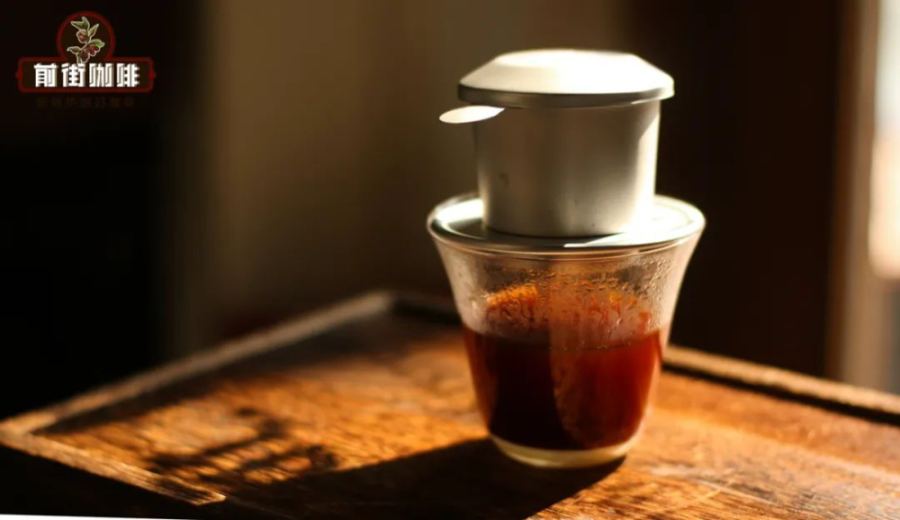
Introduction:Vietnamese drip coffee is renowned for its rich, sweet, and distinctive flavor, making it a classic choice for many coffee enthusiasts trying pour over. This article will delve into the history of Vietnamese coffee, the perfect pairing of Robusta beans and sweetened condensed milk, and provide a step-by-step breakdown of the phin filter’s usage and key extraction parameters—so you can easily brew an authentic cup of Vietnamese-style coffee at home.
What makes Vietnamese coffee truly unique isn’t just the locally grown coffee beans, but also the drinking habits and brewing methods that gradually evolved after French colonialism introduced coffee culture to the region. This beverage, which blends Eastern sweetness with the essence of Western coffee, has now become a cultural icon found on every street corner in Vietnam.
When it comes to Vietnamese coffee, most people immediately think of the strong black coffee brewed using Robusta beans. In fact, Vietnam is the world’s largest producer of Robusta, ranking first globally with about 40% of the total production of this variety. While its overall coffee output still lags behind Brazil, in the Robusta category, it is unmatched.
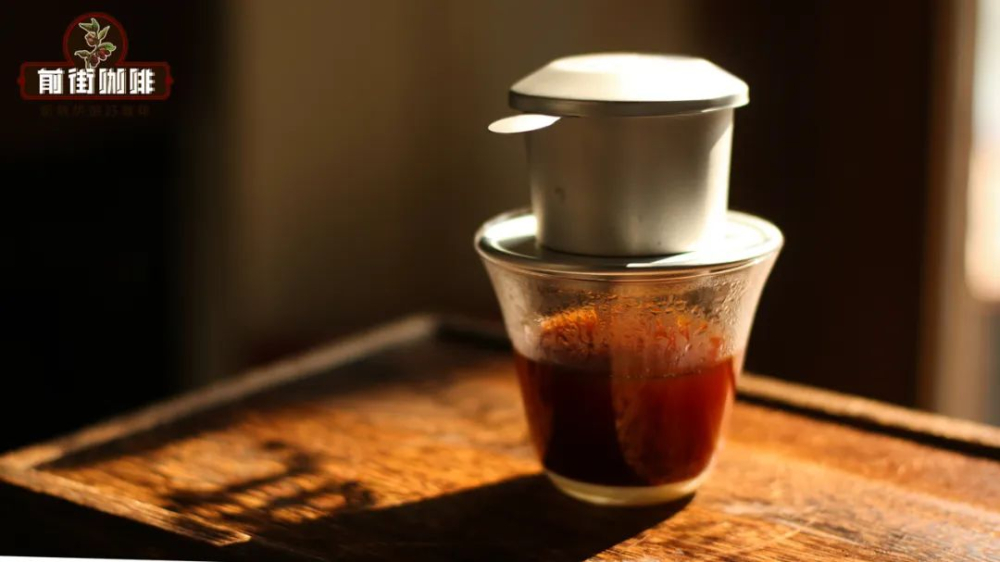
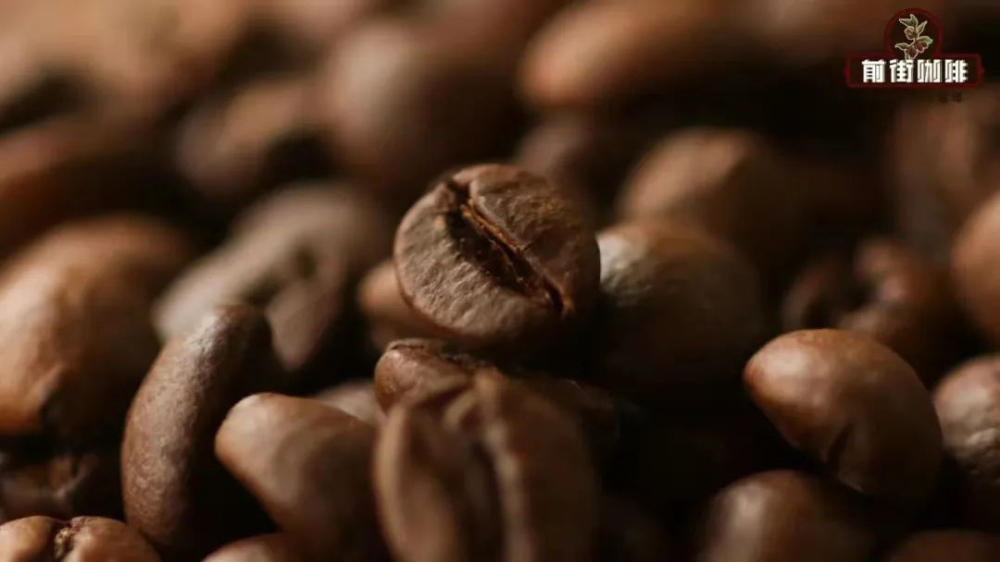
A large part of Vietnamese coffee’s charm comes from its classic “sweet-and-bitter balance” formula. Dark-roasted Robusta beans carry intense bitterness and a rich smoky flavor, but adding sweetened condensed milk with its intense sweetness can effectively buffer that strong stimulation, creating a flavor that is both bold and smooth. This combination is beloved by locals and travelers alike.
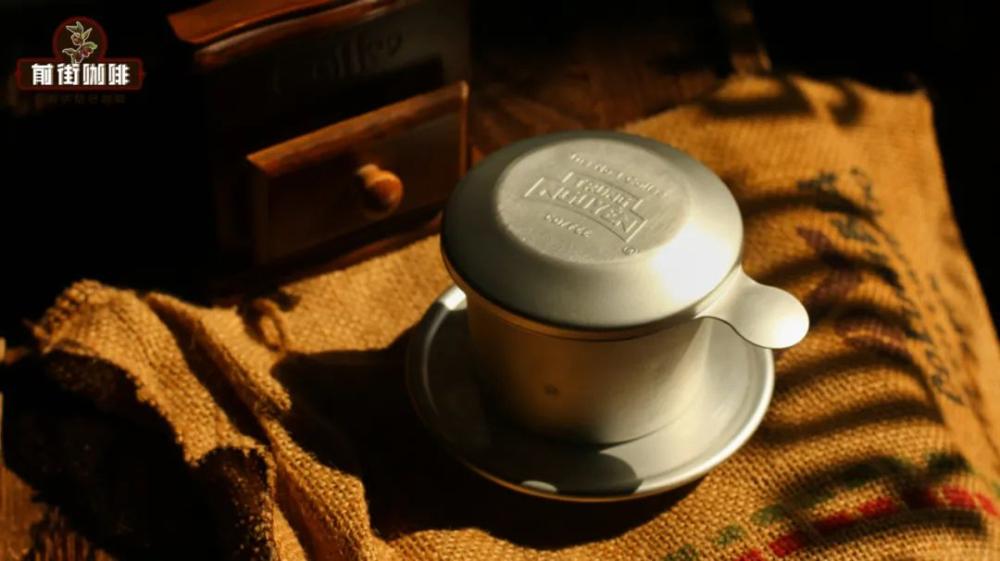
However, what truly sets Vietnamese coffee apart isn’t just the bean variety or sweetener—it’s also the unique brewing tool: the phin filter. This drip device, which resembles a small metal kettle and is also known as a Vietnamese dripper or phin, is the soul of Vietnamese coffee. It’s not only easy to use but also highlights the coffee’s original, rich, and full-bodied characteristics.
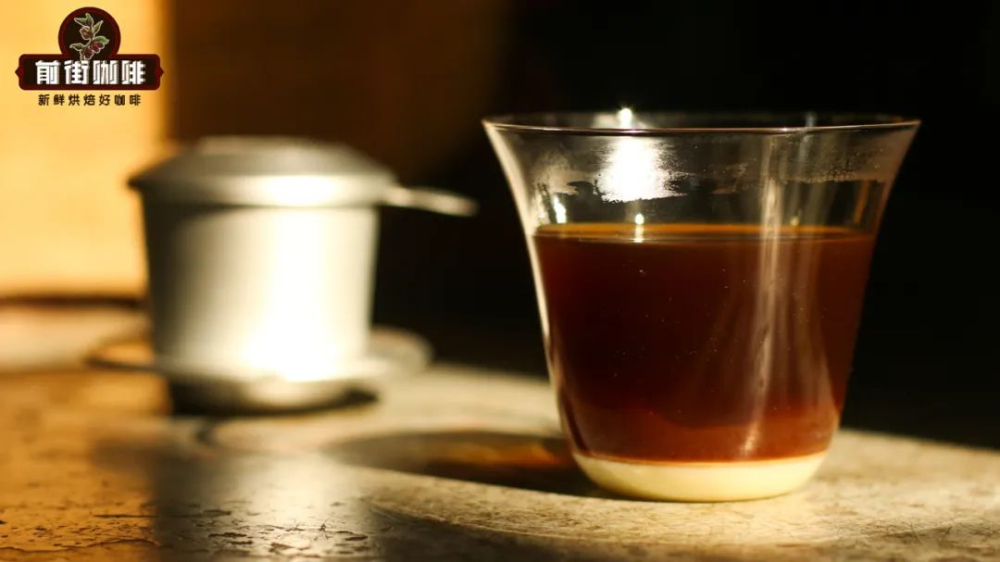
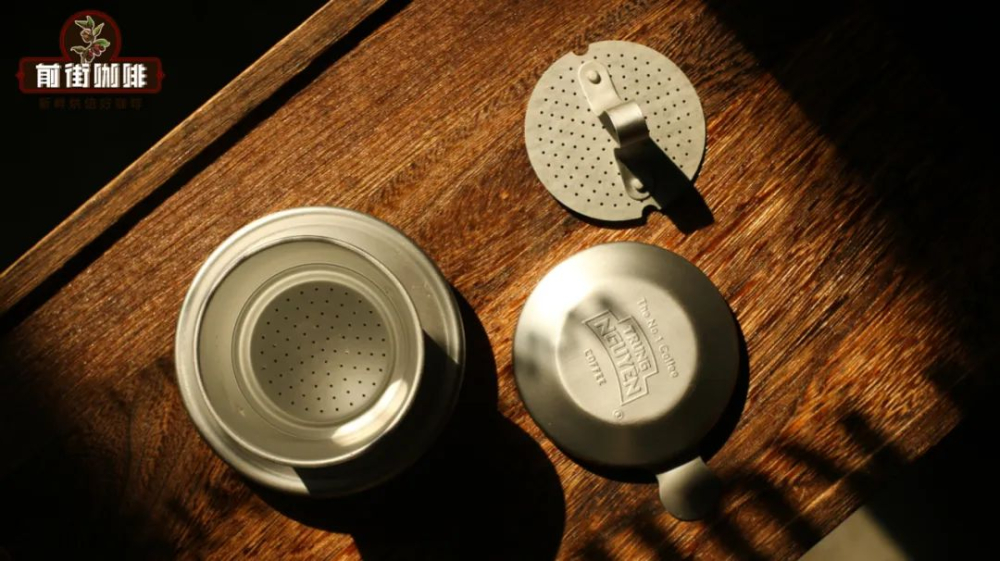
The structure of the phin is relatively simple, consisting mainly of three parts: the main body, the press plate, and the lid. The basic operation process is as follows: place coarsely ground coffee powder into the brew chamber, gently tamp it down, then slowly pour hot water, allowing the coffee liquid to naturally drip through into the cup below. Although this extraction method is not as complex as pour over, it fully showcases the bold characteristics of Robusta beans.
It’s worth noting that the filter holes at the bottom of the phin are usually not very fine, so some extremely fine coffee particles may drip through along with the liquid. However, as long as the coffee is tamped firmly enough, this issue is greatly reduced. Even if some fine particles do get through, they generally won’t noticeably affect the overall taste—in fact, they can sometimes add a touch of richness. The only downside might be that the coffee liquid appears slightly cloudy, which is completely normal.
The following will guide readers step-by-step through the complete process of making an authentic Vietnamese drip coffee, including equipment assembly, coffee-to-water ratio, water temperature control, and how to adjust the amount of condensed milk to suit personal taste.
Before getting started, it’s recommended to confirm the following extraction parameters. These settings have been tested and can consistently produce coffee with balanced flavors and a rich mouthfeel:
Coffee bean recommendation: Sumatra · Golden Mandheling (other dark-roast Robusta beans can also be used as substitutes)
Grind size: Approximately equivalent to setting 10.5 on an Ek43 grinder, similar to coarse sugar in texture. It is recommended to sieve with a No. 20 mesh, aiming for a sieve rate of around 70%
Amount of coffee used: 15 grams
Coffee-to-water ratio: 1:10 (i.e., 15 grams of coffee grounds to 150 milliliters of hot water)
Water temperature: 94°C, which helps fully bring out the aroma and richness of dark-roast beans
Prepare a clean cup or glass server to catch the brewed coffee. You can start by adding about 10 milliliters of condensed milk, adjusting according to your personal preference for sweetness. For first-time brewers, 10 ml is a good baseline—feel free to increase to 15 ml if you prefer it sweeter, or reduce if less sweet is desired.
Place the phin filter on top of the container holding the condensed milk, then add the measured 15 grams of coffee powder. Use your finger or a small tool to gently level the surface of the coffee bed. Once leveled, insert the press plate and apply even pressure to tamp it down. The tamp pressure directly affects the extraction speed: the firmer the tamp, the slower the water flows through, but the more effectively it extracts the coffee’s flavor compounds. It is generally recommended to tamp as firmly as possible to effectively avoid under-extraction.
After tamping, slowly pour 150 milliliters of hot water at around 94°C. It’s advised to pour in a circular motion starting from the center and moving outward to avoid directly hitting the filter holes, which could cause fine particles to flow through too early. Once pouring is complete, place the lid on top—not primarily for heat retention, but to prevent the press plate from floating up due to steam or water pressure, which could disperse the coffee grounds.
Wait for the coffee liquid to naturally drip through. The whole process takes approximately 3–5 minutes (this may vary slightly depending on tamp pressure and water temperature). Once all the coffee has dripped through, you can lift the cup and decide whether or not to stir based on your preference. If you want to experience the layering—from light to strong—you can sip from the top first, enjoying the lighter sweetness before experiencing the deeper, bitter-sweet richness at the bottom. Alternatively, if you don’t mind a uniform taste, stirring everything together before drinking is also common.
By following these complete steps and paying attention to the finer details, you can easily recreate a cup of Vietnamese drip coffee full of street-side charm at home, savoring the unique blend of sweetness and richness from dark-roast Robusta and condensed milk.
The above content is compiled by CoffeeHunters, a coffee news website.


