







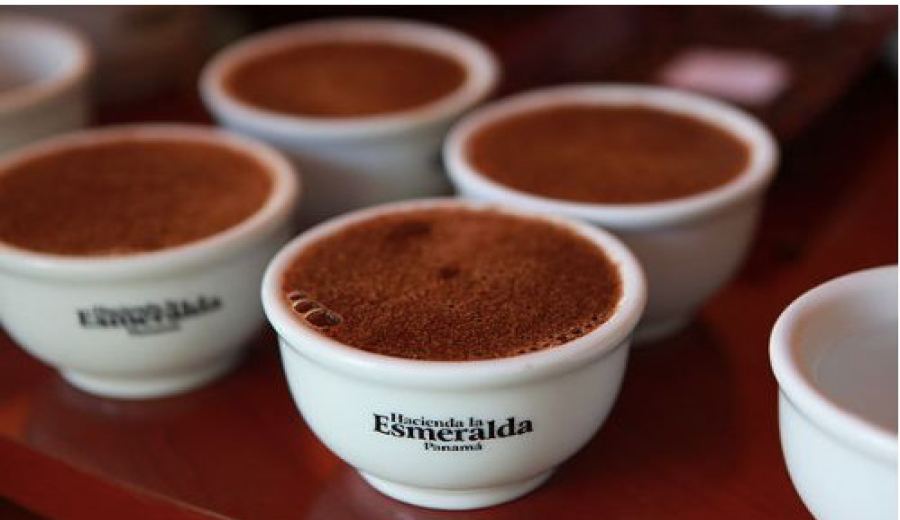
Introduction:Delve into the rise of Panamanian Geisha coffee, from its origins as an Ethiopian heirloom variety to its transformation into a global specialty coffee icon. This article explores the three-tier classification system of Emerald Estate's Red, Green, and Blue Label beans, each with distinct flavor profiles, and provides practical pour over recommendations and parameters to help coffee enthusiasts master the art of appreciating this legendary bean.
The global journey of Geisha coffee began with the discerning eye of Panama’s Emerald Estate. What was once considered an ordinary windbreak variety has now ascended to the pinnacle of specialty coffee. Its name derives from Ethiopia’s Geisha region, and due to its phonetic similarity to the Japanese word for “geisha,” it is also commonly referred to as Geisha coffee.
Tracing back to its roots, the Geisha variety was discovered in the forests of southern Ethiopia in 1931, initially used only as a windbreak. It wasn’t until 1953 that it made its way to Costa Rica, and by 1970, it finally took root in Panama. In 2004, Emerald Estate won the BOP competition with this variety, completely reshaping the landscape of the coffee industry.
Panamanian Geisha exhibits significant flavor differences compared to its native counterpart. The high-altitude environment imparts unique floral notes and delicate acidity, qualities perfectly showcased in Panama’s Boquete region, where the climate is misty and the soil is fertile. In contrast, the Ethiopian native varieties, often generically referred to as “heirloom,” display a more diverse range of flavor expressions.
Currently, the main Geisha-producing regions in the market include: Colombia’s Montebello Estate’s blended lots (with 20% Geisha), Costa Rica’s Miramar region’s 50% Geisha blends, and Ethiopia’s Geisha Village Estate’s large-scale cultivation. Each region presents a unique flavor profile due to microclimate variations.
Overview of Emerald Estate’s Classification System
The estate has established a three-tier system based on altitude and cupping scores (the Blue Label was discontinued in 2021):
• Red Label: Altitude 1600–1800 meters, cupping score 90+, limited to auction lots from the Jaramillo and Canas Verdes regions
• Green Label: Same altitude, micro-lot blends, not auctioned but maintaining high quality
• Blue Label: Altitude 1400–1500 meters, blend from three regions (incorporated into the Volcanic Series in 2021)
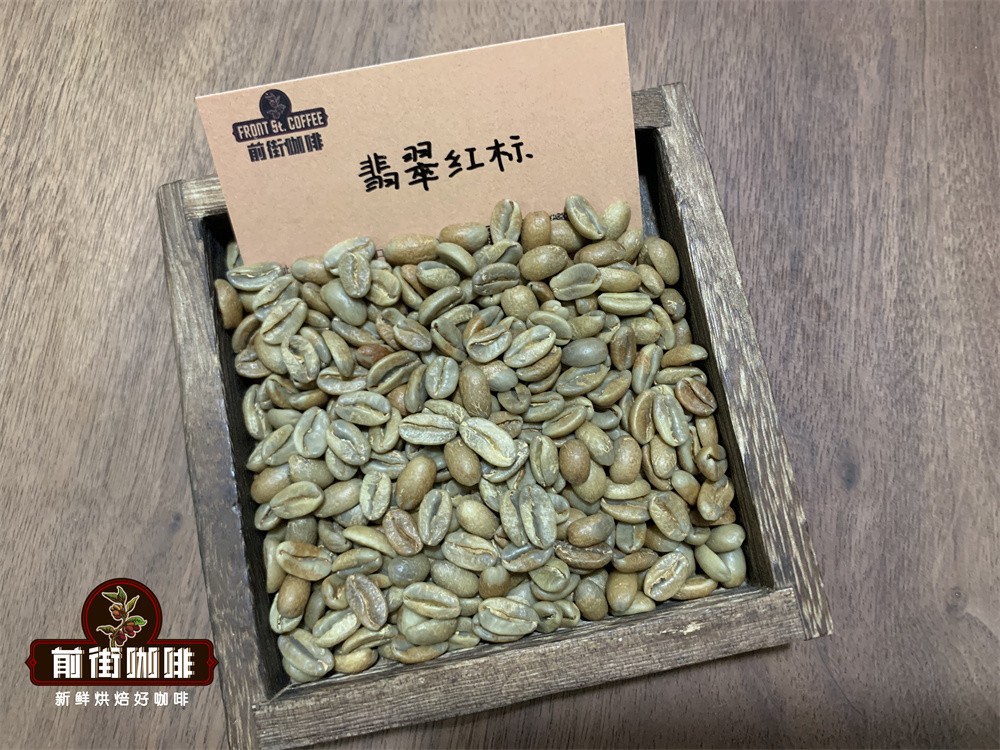
Key Impact of Processing Methods
Natural processing enhances floral and fruity characteristics and sweetness, while washed processing highlights bright citrus and tea-like notes. The Red Label natural version, represented by the Jaramillo plot, showcases complex layers of berries and honey; the Green Label washed version delivers a refreshing aftertaste reminiscent of oolong tea.
Recommended Pour Over Parameters
It is recommended to use a V60 filter cone,with a 1:15 coffee-to-water ratioandmedium-fine grind (BG#6S):
• Water temperature 90°C | Coffee dose 15 grams
• Bloom with 30 grams of water for 30 seconds
• Gradually pour to 225 grams total (total extraction time 2 minutes)
Be sure to widen the pour area after wetting to avoid channeling.
Flavor Profile Comparison
• Natural Red Label: Dominated by rose aroma, accompanied by rich fruit compote notes of citrus, apricot, and honey
• Washed Green Label: Jasmine as the main note, paired with refreshing acidity and sweetness of citrus and cantaloupe
• Washed Blue Label: Lemon acidity as the base, developing into a balance of oolong tea and cane sugar
• Natural Blue Label: Prominent fermented aromas highlighting tropical fruit sweetness
Regional Characteristics Addendum
Colombia’s Hanami lot combines Caturra and Geisha, offering unique notes of red pepper and chamomile; Costa Rica’s Miramar blend, through raisin honey processing, emphasizes berry and nutty creaminess; Ethiopia’s Geisha Village highlights yellow stone fruit notes such as yellow peach and toffee.
It is particularly important to note that the Geisha variety is sensitive to processing methods and roast levels. A medium-light roast is recommended to preserve its active compounds. The 4–7 day resting period is the golden window for flavor development. Use the ground coffee immediately after grinding to maintain aroma integrity.
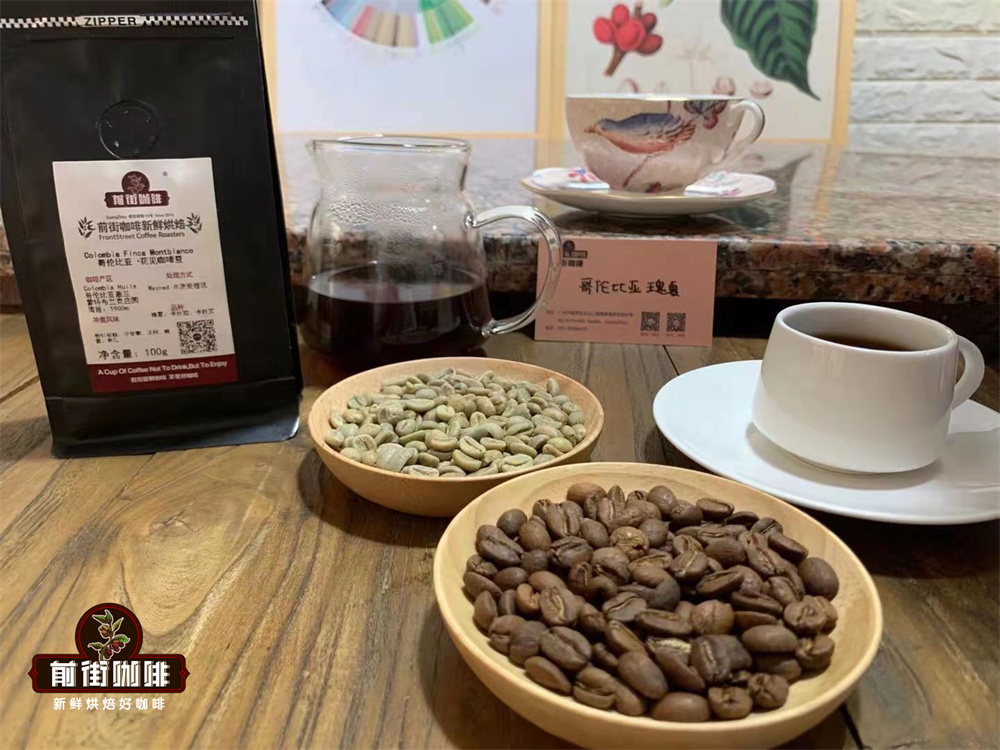
Whether you are pursuing auction-grade top-tier flavors or seeking a high-value everyday option, Panama Geisha’s diverse classification system caters to a variety of needs. Master the correct extraction parameters and tasting essentials, and you can unlock the endless possibilities of this legendary coffee.
The above content is compiled by CoffeeHunters, a coffee news website.


