







Introduction:Delve into Panama’s four core coffee-growing regions, from the grading logic of Hacienda La Esmeralda’s Geisha, the flavor differences between Red Label, Green Label, and Blue Label, to the unique expressions of Don Pachi and Jensen Estates. This guide provides practical insights on altitude, processing methods, and brewing recommendations to help you fully grasp the layered charm of Geisha.
Panama, a coffee jewel nestled in Central America, gained international acclaim through Hacienda La Esmeralda’s Geisha beans. From a professional perspective, this article systematically outlines the geographic characteristics and flavor profiles of Panama’s four regions, details the transformation of Hacienda La Esmeralda from dairy farming to a Geisha sanctuary, and deeply analyzes the key differences in altitude, micro-lots, and processing techniques among Red Label, Green Label, and Blue Label Geishas. It also introduces the distinctive features of Geisha from Don Pachi and Jensen Estates. Whether you’re new to Geisha or an enthusiast seeking to refine your brewing skills, this guide offers a clear flavor map and practical references.
Located at the hub of Central America, bordering Costa Rica and Colombia, Panama’s coffee industry has been built on a foundation of quality since the late 19th century. The construction of the Panama Canal attracted many American elites to relocate south, including bankers and engineers who turned to agriculture. For instance, Rudolph Peterson, the founder of Hacienda La Esmeralda, was originally in the financial sector, and his son Price later abandoned a medical career to manage the farm. These operators introduced refined management practices—from configuring varieties by altitude, carefully selecting ripe fruits, to innovating processing techniques—all of which became cornerstones of Panama’s globally renowned coffee.
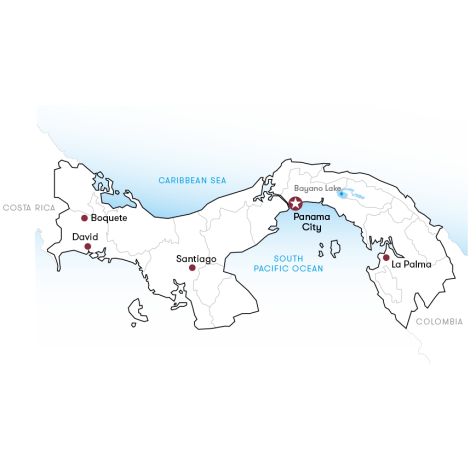
Panama’s four coffee-growing regions each have unique characteristics: Boquete (average altitude 1,450 meters) has the largest output and stable quality; Volcán (2,000 meters) is known for its elegant and balanced flavors; Santa Clara (1,500 meters) is conveniently located near the canal; and Candelaria (1,200 meters) is a rising star with high potential in recent years. Among them, Boquete is the core Geisha-producing region, home to numerous top-tier estates.
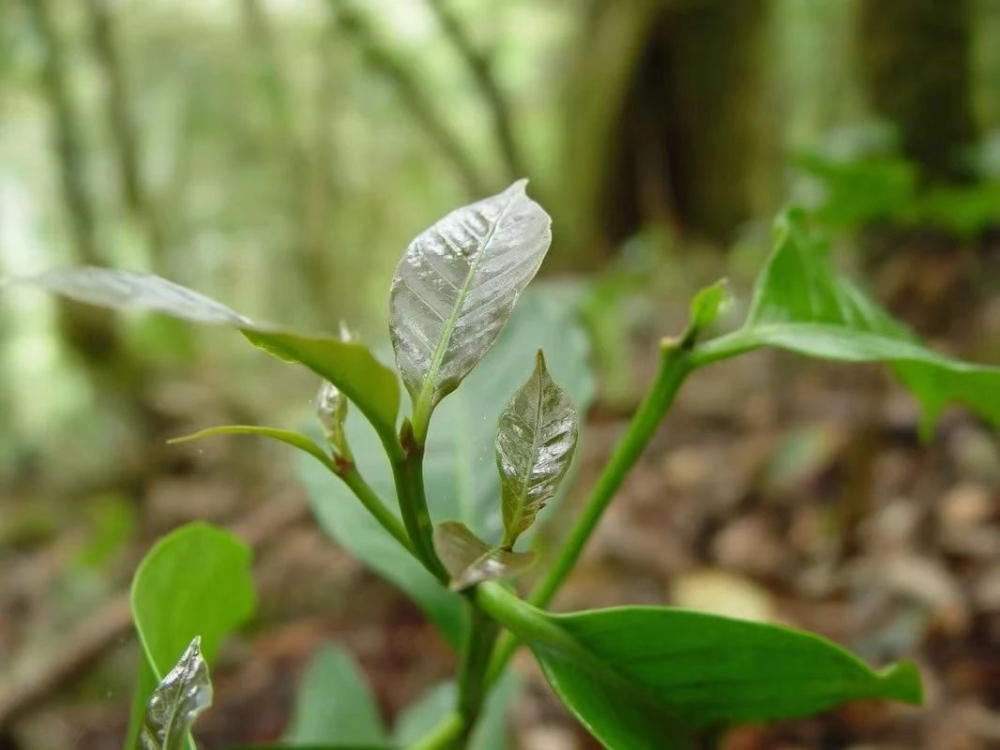
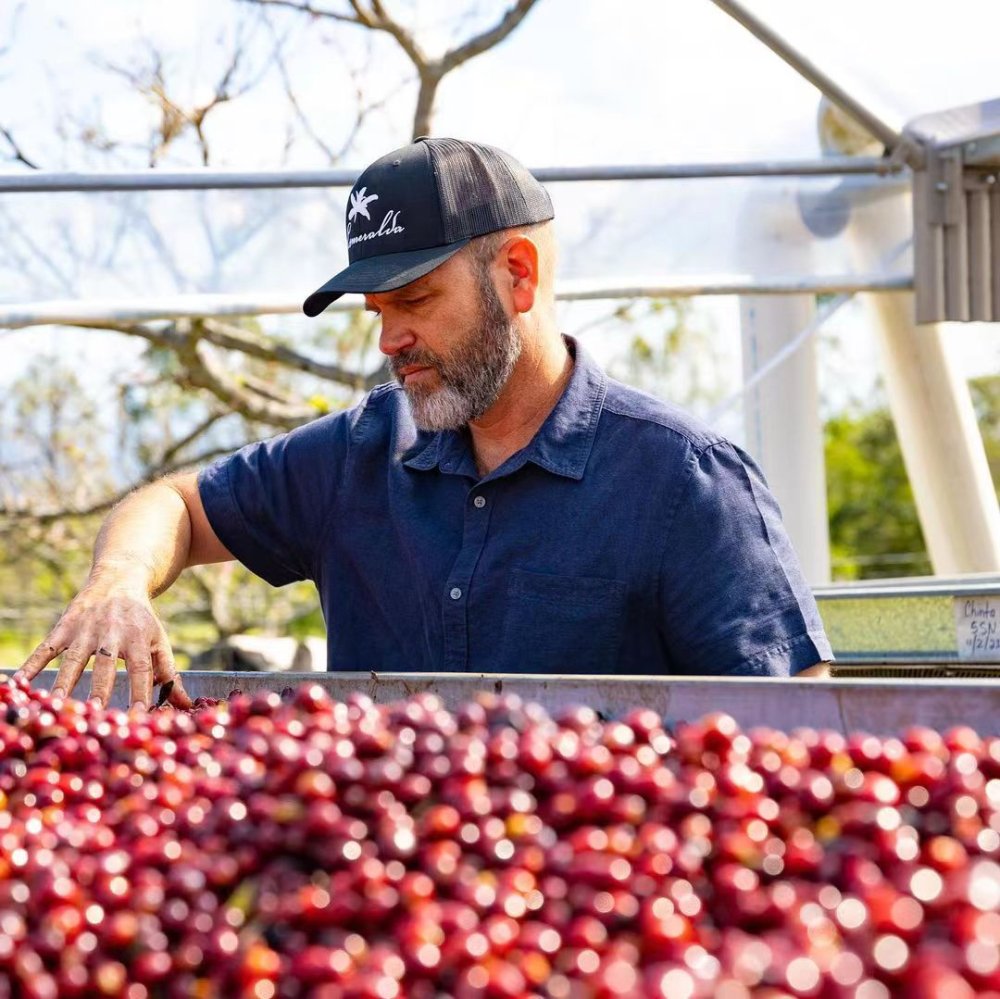
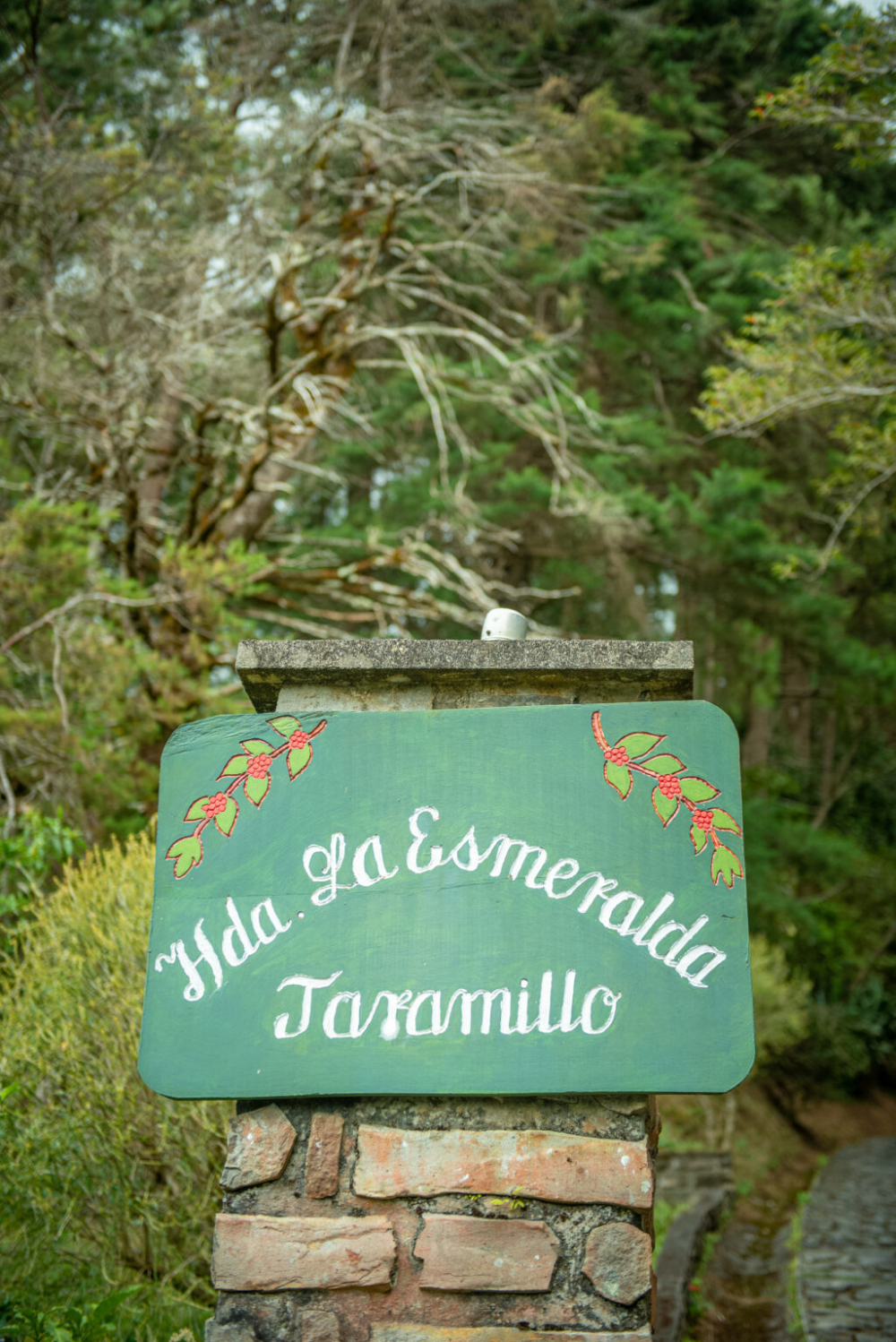
Hacienda La Esmeralda, located in Boquete, was originally a dairy farm when purchased by an American banker in 1964. In 1987, his son Price introduced the Caturra and Catuaí varieties, established a wet mill in 1994, and merged with Jaramillo Estate in 1996—where Geisha originated. A particular plot stood out for its unique flavor, and after multiple cuppings and variety identifications, it was confirmed to be Ethiopian Geisha, thus beginning its legendary journey. The estate has continuously expanded its infrastructure to ensure precise batch separation and processing quality.
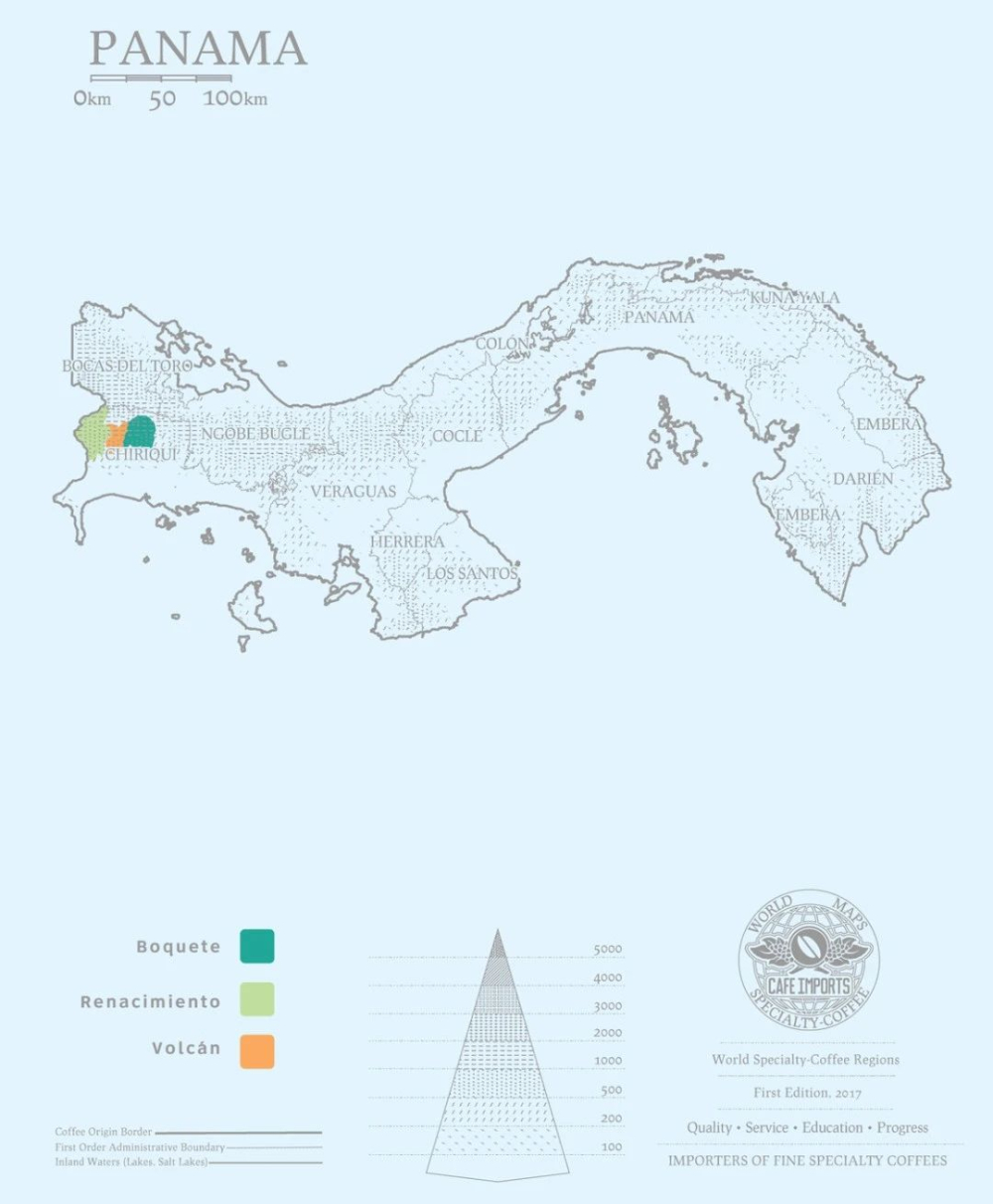
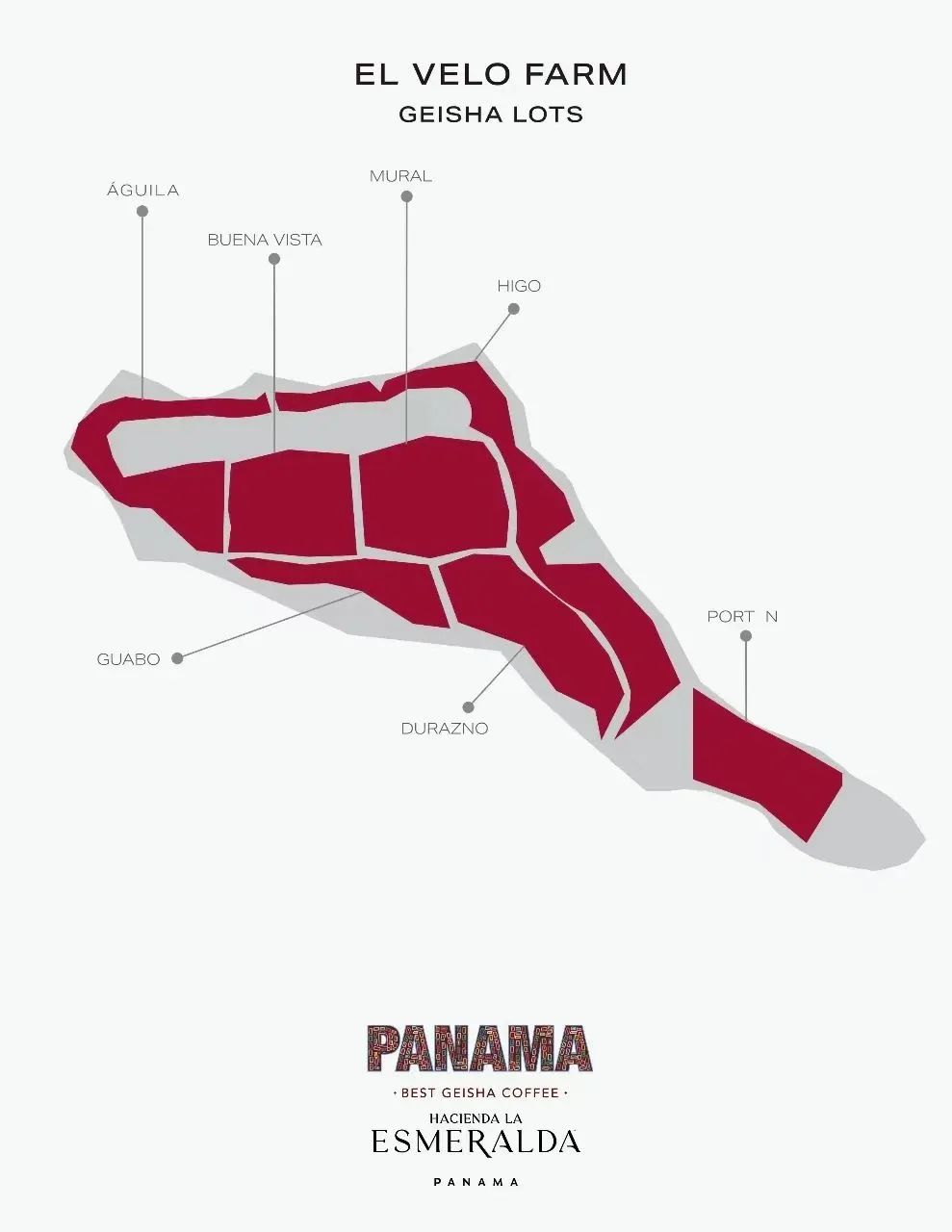
Hacienda La Esmeralda divides its Geisha-growing areas into three major micro-lots based on altitude: Jaramillo (1,600–1,700 meters, annual rainfall 4,000 ml, diurnal temperature variation 8–14°C), Cañas Verdes (1,600–1,800 meters, annual rainfall 3,500 ml, diurnal temperature variation 6–15°C), and the high-altitude El Velo lot added in the 2010s (1,700–1,900 meters, planted with rare varieties like SL28). Jaramillo and Cañas Verdes are the main sources of high-quality Geisha.
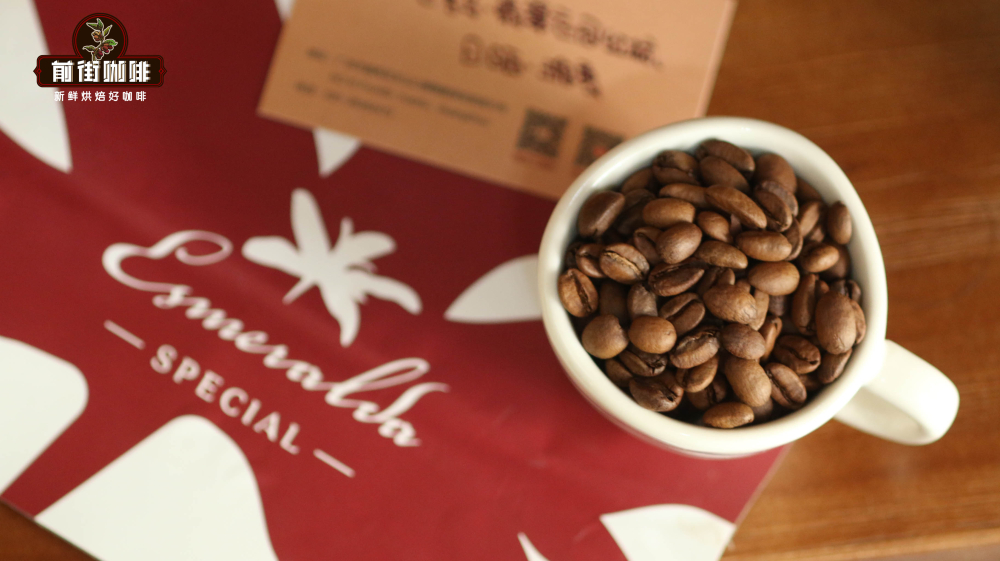
Hacienda La Esmeralda’s Geisha grading system is based on cupping scores, altitude, and plot, primarily divided into five brands: the top-tier Esmeralda Special (Red Label), the high-end Private Collection (Green Label), the entry-level Geisha 1500 (Blue Label), and the Catuaí series Diamond Mountain and Pamela. The Red Label uses Geisha from Jaramillo/Cañas Verdes plots at 1,600–1,800 meters, requiring a cupping score of 90+ and limited to auction lots (similar non-auction quality beans are also available). The Green Label blends micro-lots from the same altitude, offering flavors similar to the Red Label with slight batch variations. The Blue Label combines beans from three plots at 1,400–1,500 meters, delivering a lighter, more refreshing profile.
The Red Label Geisha (e.g., Esmeralda Special) is processed via natural or washed methods, showcasing bright floral and citrus notes. Recommended brewing parameters: 90°C water, 1:16 coffee-to-water ratio, fine sugar grind (80% through a #20 sieve), and step extraction (30g bloom for 30 sec → 125g → 225g, total time 2’00”–2’05”). Flavor profile: rose, citrus, berries, honey, and a rich juiciness. The Green Label Geisha (Private Collection) also uses washed or natural processing, retaining classic floral, fruity acidity, and creamy texture with a long finish. The Blue Label Geisha (Geisha 1500) is primarily washed (with natural added in 2020), offering a lighter profile with lemony acidity and oolong tea finish.
Located on the southern slopes of Barú Volcano, Don Pachi Estate spans just 5 hectares yet boasts 1,700–1,800 meters altitude and fertile volcanic soil. Managed by Wilford Lamastus, the third generation of the Lamastus family, whose grandfather cultivated the land in the late 19th century before selling most of it due to market downturns, Wilford and his brothers insisted on preserving Don Pachi. The volcanic ash soil, rich in potassium, phosphorus, and organic matter, combined with natural shade from the primary forest, fosters Geisha with complex layers. Processing involves an 18–30-day natural method, isolating earthy flavors while preserving intact fruit aromas.
Jensen Estate, located in the Volcán region at 1,750 meters, has been sustainably managed by three generations since Swiss owner Karl Jensen purchased it in 1940. The estate features volcanic soil, 3,000 mm annual rainfall, and an average temperature of 20°C, with 50% of its area planted with Geisha at a density of 2,000 plants per hectare to ensure quality. This natural-processed SHG-grade Geisha offers dry aromas of jasmine, berries, and citrus, with honey sweetness and delicate acidity upon brewing. Recommended brewing: Hario V60, 90°C water, 1:15 ratio, 2’00” step extraction.
The above content is compiled by CoffeeHunters, a coffee news website.


