








Introduction:Colombia is one of the world’s top Arabica coffee-producing regions, renowned for its smallholder-dominated industry structure and consistently high-quality beans. From its early introduction, post-war reconstruction, to the rise of specialty coffee today, Colombian coffee has demonstrated unique flavor characteristics. This article delves into the historical background, major varieties, flavor grade classifications of Colombian coffee, and offers practical pour over brewing parameter suggestions to help you better appreciate the charm of this classic origin.
Colombia is a globally significant Arabica coffee-producing country. Its coffee industry has evolved over centuries, forming a distinctive structure centered on small family farms. Since the early 18th century when coffee was introduced, through wars, reconstruction, and modern development, Colombian coffee has secured a place in the global specialty coffee market with its classic dark chocolate and mild fruity acidity flavors.
The Historical Origins of Colombian Coffee
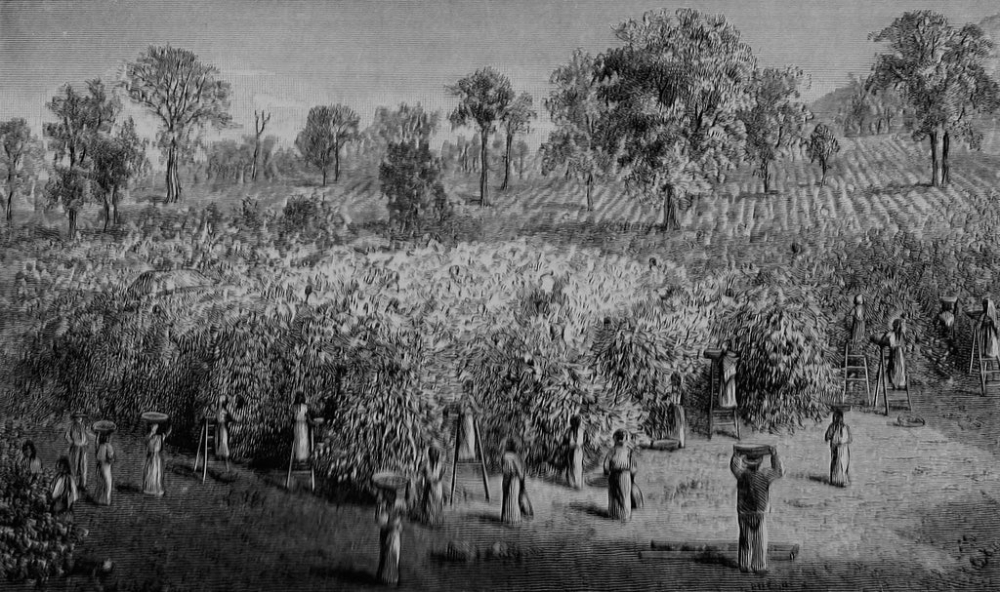
The history of coffee cultivation in Colombia dates back to the early 18th century, reportedly introduced by Spanish Jesuit missionaries. Records show that a missionary named José Gumilla documented coffee cultivation activities along the Orinoco River as early as 1730, proving that coffee was already being grown in Colombia at that time. Over time, coffee cultivation became widespread and by the end of the 19th century, it had become one of the country’s major export commodities.
However, the “Thousand Days' War” in the late 19th century severely impacted Colombia, leading to large tracts of land being abandoned and many large coffee farms collapsing. To revive the industry, the government divided uncultivated land into small plots and sold them cheaply to landless farmers, encouraging them to grow coffee—often intercropped with other crops—which laid the foundation for today’s smallholder farming model.

The Role of the National Organization FNC
To enhance competitiveness in the global market, Colombian coffee growers established the “Coffee Producers Committee” in 1904, which was officially reorganized into the more influential “Colombian Coffee Growers Federation (FNC)” in 1927. The FNC is committed to safeguarding the rights of smallholders, setting industry standards, and vigorously promoting the Colombian coffee brand, successfully positioning the country as one of the world’s top three coffee exporters.
Colombian Coffee Growing Regions and Grading System
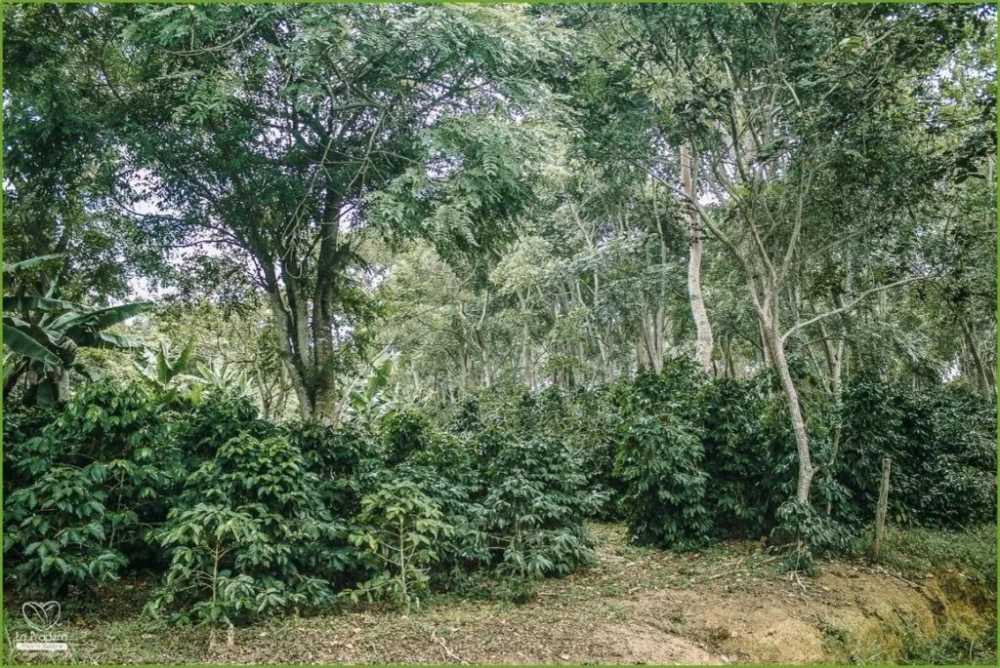
Colombia boasts several well-known coffee-growing regions, including Huila, Cauca, and Antioquia. Each region, due to differences in terrain, altitude, and climate, produces beans with distinct flavor profiles. Generally, the higher the altitude, the brighter the acidity, and the richer the sweetness and aroma. The Colombian government classifies coffee beans into four grades based on altitude and green bean appearance: Strictly High Grown (SHG)/Strictly Hard Bean (SHB), High Grown (HG)/Hard Bean (HB), Medium Grown (MG), and Low Grown (LG). Among these, SHB/SHG is the highest grade, typically grown at altitudes above 1,200 meters.
Classic and Innovative: Flavor Characteristics of Colombian Coffee
Colombian coffee is generally known for its balanced acidity-to-sweetness ratio, full body, and pronounced dark chocolate notes, making it suitable for drinkers who prefer classic flavors. Washed processing highlights the intrinsic characteristics of the region, while natural processing often brings out richer fruitiness and sweetness. Many beginners can quickly grasp the basic flavor profile of Colombian coffee through classic washed beans.
Paradise Estate and the Rise of Innovative Processing Methods
Finca El Paraiso, located in the Cauca region, is one of the representatives of Colombian specialty coffee. With an average altitude exceeding 1,700 meters and some areas reaching up to 2,100 meters, coupled with significant day-night temperature variations, the coffee cherries mature slowly, accumulating richer flavor compounds, especially notable for their acidity and sweetness.
Finca El Paraiso is managed by Diego Samuel, who has been dedicated to improving quality and innovating processing techniques since taking over in 2008. In 2015, the estate achieved excellent results in local cupping competitions, gradually gaining recognition in the specialty coffee scene. The estate grows a variety of cultivars, including Bourbon, Laurina, Geisha, and Castillo, and actively experiments with new processing methods.
Among them, the coffee beans named “Sakura” use the Castillo variety and employ a double anaerobic washed process. This method involves first subjecting the whole coffee fruit to an initial anaerobic fermentation, then removing the pulp and skin, followed by a second anaerobic fermentation of the beans with mucilage. Finally, the remaining mucilage is washed off with water, and the beans are sun-dried. This complex process imparts a richer fruitiness and fermentation aroma, while enhancing the complexity and body of the cup.
Pour Over Brewing Recommendations and Extraction Parameters
For the Sakura coffee beans from Finca El Paraiso, it is recommended to use a Hario V60 filter, with water temperature controlled at around 90°C, a coffee dose of about 15 grams, and a brew ratio of 1:15. The grind size is suggested to be around 80% passing through a Chinese standard No. 20 sieve, equivalent to a medium-fine grind. During extraction, start with a 30-second bloom to release CO₂ from the coffee grounds and improve subsequent extraction efficiency. Then pour with a slow stream from the center, aiming for a total water volume of 225 grams, with an overall extraction time of approximately 2 minutes.
The brewed coffee typically exhibits herbal aromas such as basil and rosemary, with a lingering aftertaste reminiscent of a mild strawberry jam sweetness. It should be noted that the coffee bean name “Sakura” originates from the farm owner’s subjective perception of the green bean aroma, and the actual roasted aroma may transform into other profiles—a common occurrence in pour over coffee.
In summary, Colombian coffee, with its diverse flavors, stable quality, and rich historical background, is a classic origin that coffee enthusiasts worldwide should not miss. Whether you prefer the balanced flavors of traditional washed processing or wish to explore the cutting-edge profiles brought by anaerobic methods, Colombia offers a wide range of options worth savoring and experiencing in depth.
The above content is compiled by CoffeeHunters, a coffee news website.


