







Introduction:Want to explore the unique charm of Guatemalan coffee? This guide will take you deep into the terroir characteristics, official grading system, and flavor profiles of its 8 major coffee regions—including representative areas like Huehuetenango and Antigua. From high-altitude microclimates to classic washed processing methods, we also provide expert pour-over recommendations to help you fully grasp the essence of Guatemalan coffee.
As a key coffee-producing country in Latin America, Guatemala’s over two-thirds mountainous and plateau terrain—paired with active volcanic soils and diverse high-altitude microclimates—produces beans bursting with fruity aromas and rich body. This "fruitiness meets boldness" flavor profile has made Guatemala a classic origin beloved by many coffee enthusiasts.
Natural Advantages of Geography & Microclimate
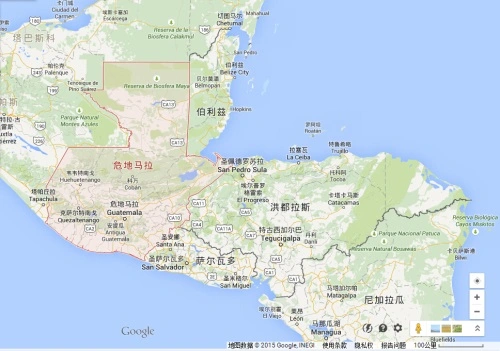
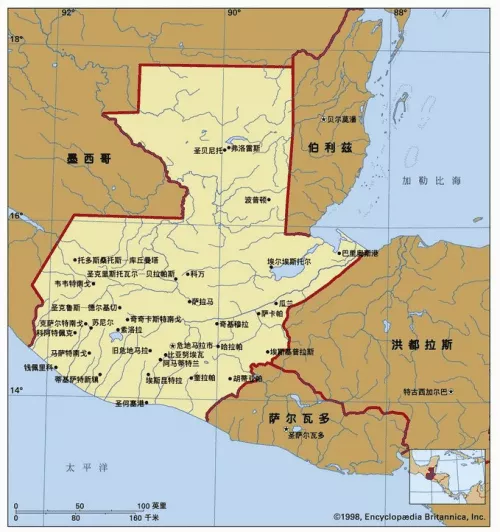
Geographically, Guatemala borders Mexico to the north, Honduras and El Salvador to the south, the Caribbean Sea to the east, and the Pacific Ocean to the west. While the country lies mainly in the tropics, its dramatic elevation changes create varied localized climates: the northern and eastern regions feature tropical rainforests with higher average temperatures, while the southern highlands range between 1300–1800 meters in altitude, maintaining daytime temperatures of 18–28°C. The climate here is mild and stable, complemented by distinct dry and wet seasons (May–October is rainy, November–April is dry), offering ideal conditions for coffee cultivation.
Guatemalan coffee plantations are primarily concentrated in areas above 1500 meters, especially within the 14–16°N latitude belt—the golden zone for growing Strictly Hard Bean (SHB) coffee. Nearly all coffee grown here is washed-processed, with a specialty rate of 45% that’s highly competitive in the global market, alongside a smaller proportion of Robusta cultivation.
Diverse Terrain & Volcanic Soils Create Unique Flavors
Guatemala’s landscape is remarkably distinctive: about two-thirds of the country consists of mountains and plateaus, home to the Sierra de los Cuchumatanes and Sierra Madre mountain ranges. Located along the volcanic belt, it boasts over 30 volcanoes, including Tajumulco Volcano at 4211 meters—the highest peak in Central America—which contributes mineral-rich volcanic soils. These well-draining, nutrient-dense soils provide an excellent foundation for healthy coffee plant growth. Additionally, while the northern Petén lowlands are tropical rainforest, the central volcanic highlands and western water distribution create a coffee-growing environment that’s both diverse and challenging.
Historical Background: From Introduction to Industry Turbulence
Guatemala’s coffee cultivation history dates back to 1747, with early records of coffee introduction and consumption. In 1750, Jesuits formally introduced coffee trees to the country. By 1845, the establishment of an official coffee promotion committee elevated coffee to a primary national cash crop. By 1880, coffee exports accounted for 90% of the country’s total foreign trade, underscoring its importance.
However, the industry’s prosperity also brought social issues. To expand plantation areas, some policies displaced indigenous peoples from their traditional lands. During the 1930s Great Depression, to cut costs, many lands were transferred to large American agricultural corporations, including the United Fruit Company (UFC). Subsequent political upheavals—such as the 1954 coup and the decades-long civil war (1960–1966)—further impacted the stability of coffee-growing regions, with some challenges persisting to this day.
Overview of Eight Major Regions & Flavor Profiles
Guatemala’s coffee regions are systematically categorized, with each area showcasing distinct flavor profiles due to differences in altitude, soil, and microclimate. Below, we introduce two renowned regions: Huehuetenango and Antigua.
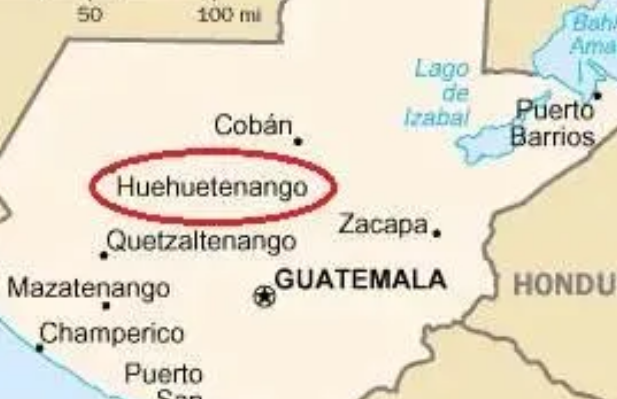
Huehuetenango: The Highest Altitude SHB Origin
Huehuetenango, located in Guatemala’s northwestern highlands, is the country’s highest-altitude coffee-growing region, spanning approximately 1800–2100 meters, enabling the cultivation of premium Strictly Hard Bean (HB) coffee. Though the area has a relatively dry climate, abundant water systems and well-developed irrigation infrastructure mean washed processing dominates, with the harvest season concentrated from January to April.
A certain coffee brand’s Huehuetenango offering includes varieties like Bourbon, Caturra, and Catuaí. After washed processing, brewing reveals bright citrus and berry acidity, complemented by the freshness of lemon peel, with nutty aromas emerging mid-palate and a soft tea-like finish. The name derives from Nahuatl, meaning "land of the ancients," symbolizing the region’s long-standing cultivation history.
Antigua: Classic Representative of Volcanic Soil & Smoky Flavors
The Antigua region lies at the heart of Guatemala’s volcanic belt, featuring the famed Sierra Madre mountain range and active volcanoes. Though summer rainfall is scarce and winter frost is possible, the porous, water-retentive pumice soil left by volcanic eruptions—combined with local shade trees and significant diurnal temperature variations—creates a unique microclimate.
Antigua coffee is primarily washed-processed, with varieties like Bourbon and Caturra grown at 1200–1600 meters. A certain brand’s Antigua Fleur de Café offering, when brewed, exhibits bright citrus acidity at higher temperatures, gradually revealing white floral notes and juicy flavors as it cools, with a subtle smoky aroma and caramel sweetness in the finish. The overall flavor is bold and layered.
Grading System: Altitude Determines Quality
Similar to many Central American countries, Guatemala’s coffee grading is primarily based on altitude. Higher elevations, with cooler temperatures, slow fruit ripening, allowing for greater accumulation of flavor compounds and typically superior quality.
Common grades include:
HB (Strictly Hard Bean): 1500–1700 meters
HB (Hard Bean): 1350–1500 meters
SH (Semi-Hard Bean): 1200–1350 meters
Extra Prime (Premium Washed): 1000–1200 meters
Prime (Washed): 850–1000 meters
Good Washed (Standard Washed): 700–850 meters
Expert Pour-Over Parameter Recommendations
To fully highlight the delicate flavors of Guatemalan coffee, the following pour-over parameters are recommended:
Filter: Hario V60
Water Temperature: 90–91°C
Grind Size: Medium-Fine (approximately 80% through a 20-mesh sieve)
Coffee-to-Water Ratio: 1:15
Coffee Dose: 15 grams
Pour-Over Steps (Three-Stage):
1. Preheat equipment, add 15g coffee grounds, and gently tap to level the surface.
2. First stage: Pour 30g water for blooming, ~30 seconds, forming a "coffee burger."
3. Second stage: Pour 95g water in a circular motion from the center at a 3–5cm water height, reaching a total of 125g.
4. Final stage: Pour 100g water in a slow circular motion until the filter drains, with a total extraction time of ~2:08.
By understanding regional characteristics, grading logic, and precise extraction parameters, you’ll be able to more comprehensively appreciate the diverse profiles of Guatemalan coffee—whether you’re a beginner or an advanced enthusiast, you’ll find your preferred flavor notes.
The above content is compiled by CoffeeHunters, a coffee news website.


