







Introduction:Costa Rica’s honey-processed coffee is renowned for its unique sweetness and fruity aroma. Depending on the amount of mucilage retained, it can be further divided into four grades: black honey, red honey, yellow honey, and white honey. These grades not only affect drying time and flavor expression but also determine the final mouthfeel and aromatic profile. This article delves into the processing differences of each grade, introduces the secrets behind honey processing, and supplements with practical cupping and brewing references to help you better appreciate the charm of Costa Rican honey-processed coffee.
Honey processing is one of the most representative methods of coffee processing in Costa Rica. However, many coffee enthusiasts may not know that honey processing can actually be further subdivided into four grades—black honey, red honey, yellow honey, and white honey—based on the degree of mucilage retention. These grades differ in aspects such as mucilage removal ratio, sun-drying duration, and turning frequency, which in turn influence the final flavor profile. This article will explore the processing characteristics and flavor profiles of these honey processing grades in depth, along with practical cupping and brewing suggestions, to help readers gain a more comprehensive understanding of the diverse facets of Costa Rican honey-processed coffee.
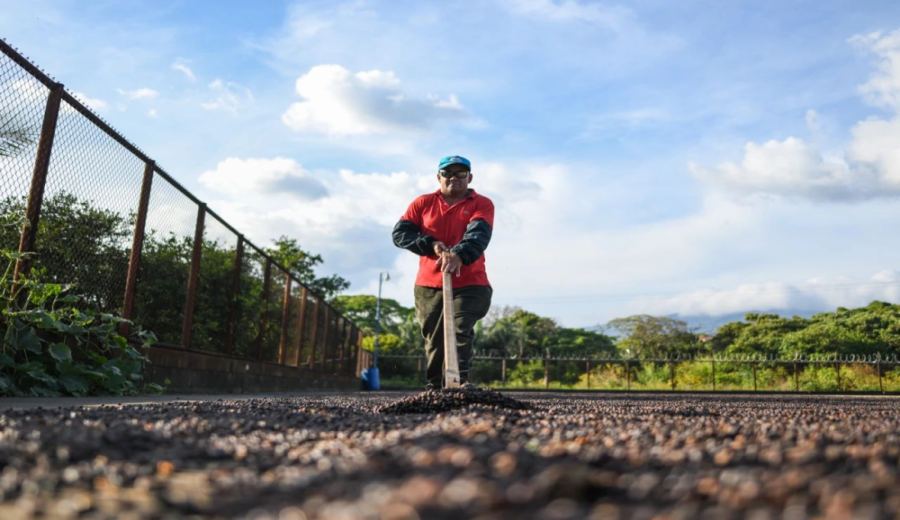
The birth of the honey processing method stems from localized adaptations after Brazil’s semi-washed technique was introduced to Central America. Its basic process is as follows: after harvesting ripe red cherries, the skin and part of the mucilage are first removed. The beans, still coated with sticky mucilage, are then placed on well-ventilated African raised beds for drying. During this period, regular turning is required to ensure even drying. Since the mucilage is rich in sugar and has a sticky, smooth texture, resembling the feel and appearance of honey, it is thus named “honey processing.”
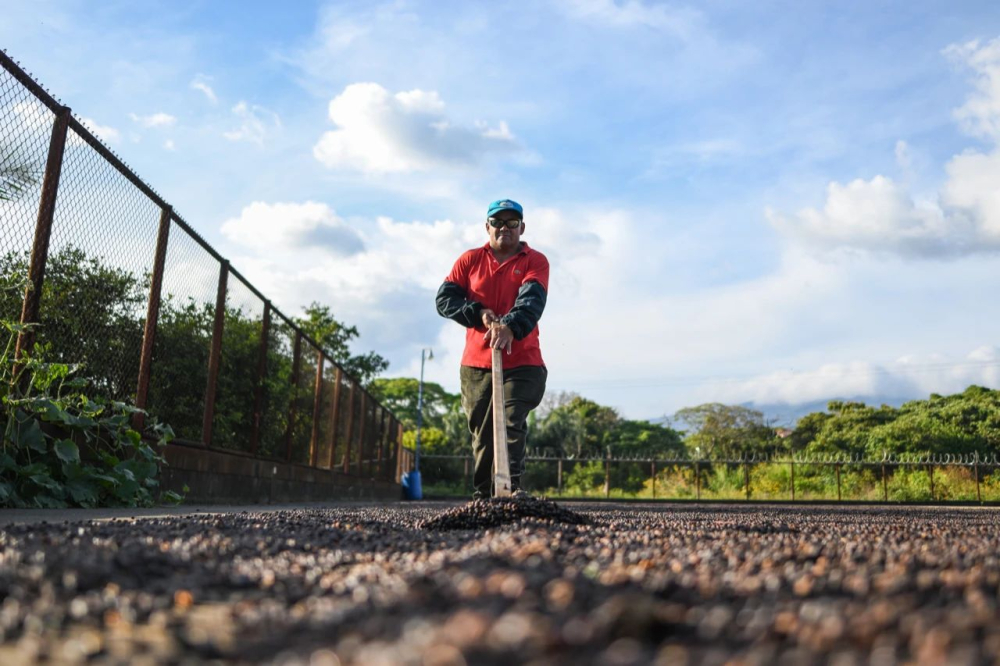
During the honey processing, whether placed on patios or raised beds, regular turning is necessary to maintain consistent drying and allow the sugars in the mucilage to fully convert, imparting sweet aromas and distinct fruit notes such as mango, longan, honey, and hazelnut. The overall mouthfeel is usually fuller, while the acidity tends to be softer and more subdued. Depending on factors such as the amount of mucilage scraped off, the duration of sun exposure, the thickness of the bean spread, and the frequency of turning, honey processing is further subdivided into black honey, red honey, yellow honey, and white honey, each showcasing different flavor profiles.
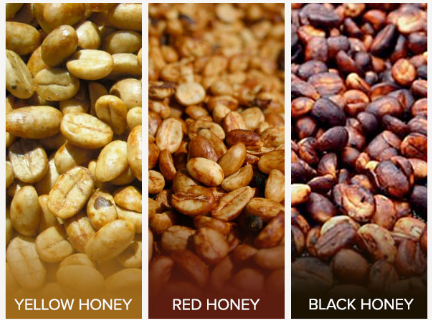
Based on the proportion of mucilage retained, sugar content, and fermentation level, these grades can be summarized as follows:
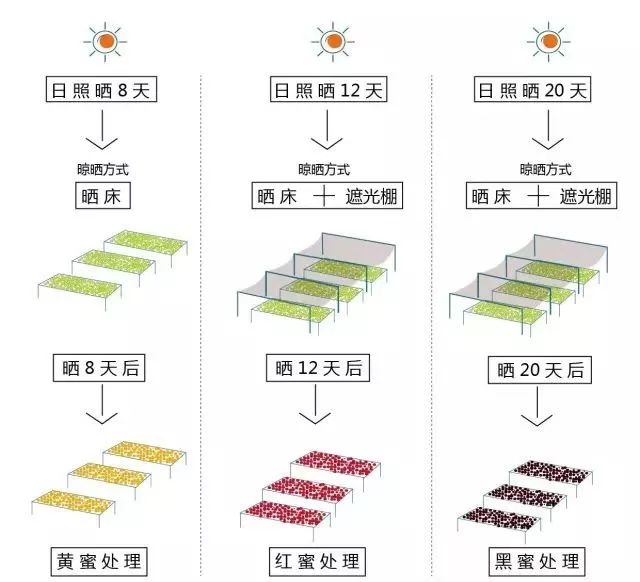
Black Honey: Retains nearly all of the mucilage, with the longest drying time, typically requiring over 14 days. During this period, shading is often used to avoid overly intense sunlight, allowing the sugars to convert slowly. The result is an intense sweetness, a full-bodied mouthfeel, and potentially complex flavors akin to red wine. The balance between acidity and sweetness is pronounced, with a creamy and dense texture.
Red Honey: Removes about 25% of the mucilage (slightly varying by farm), with a drying time of around 12 days. Shading is occasionally used, and the beans are turned several times a day, though less frequently than with yellow honey. Red honey processing sits between washed and natural, making it the most common type of honey processing on the market. It offers balanced and representative flavors.
Yellow Honey: Removes about 40% of the mucilage, receives the most sunlight, and has a drying time of about 8 days. The coffee beans are typically placed on raised racks and turned every hour to ensure even heat exposure. The flavor is brighter, with moderate sweetness and fruit notes, slightly higher acidity but still rounded overall.
White Honey: Retains 40% to 60% of the mucilage, has the shortest fermentation time, and is processed most similarly to traditional washed coffee. Drying is quick and generally doesn’t require much shading. The flavor is cleaner and brighter, with less pronounced fruitiness but still maintaining a basic level of sweetness.
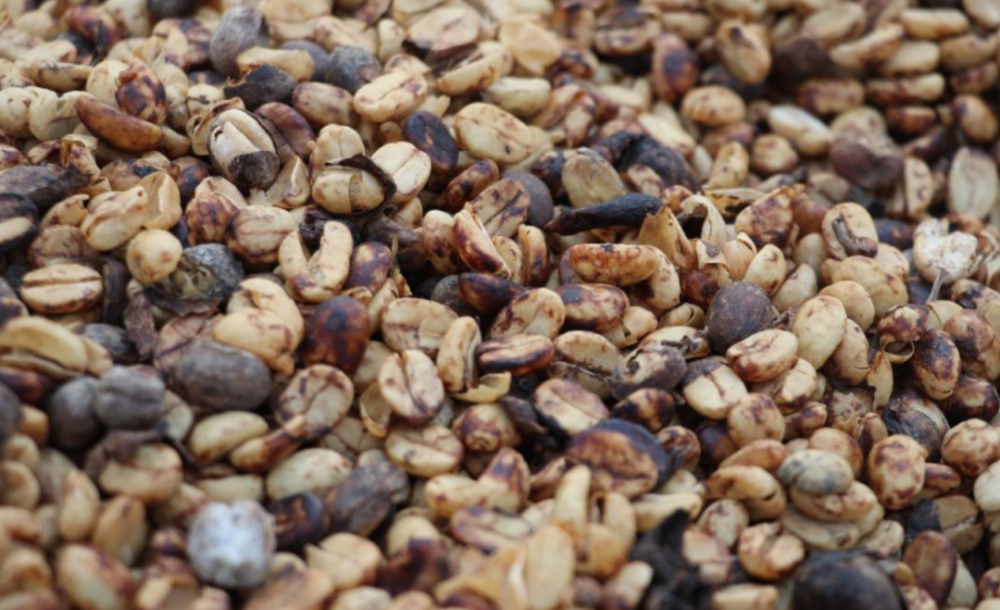
In addition to the above common grades, an innovative processing method has emerged in recent years—raisin honey processing. This method involves first drying the coffee cherries on raised beds for at least three days until they dehydrate and shrivel like raisins, followed by removing the skin and pulp, before proceeding to the honey processing stage. The defining feature of raisin honey processing is “complete mucilage retention” and “no water washing,” requiring extremely precise control over the drying process—its difficulty even surpasses that of black honey processing. As the fruit dries under the sun, aromatic compounds penetrate deeply into the beans, resulting in a final coffee with intense floral notes, clear fruit sweetness, and a clean acidity.
It is understood that some farms in Costa Rica have already adopted this method and successfully produced distinctive specialty coffees. Examples include the Bahia coffee with pronounced floral and fruity notes, and the Geisha blend with berry sweetness, both representing works of this processing method.
In terms of actual brewing and tasting, take the Costa Rica Diamond Series Black Honey as an example. Its recommended roasting profile is as follows: bean inlet temperature set to 180°C, yellowing point around 5 minutes 45 seconds at 152°C, first crack starting at approximately 9 minutes 25 seconds at 184.5°C, continuing development for about 1 minute 50 seconds after first crack, and finally dropping at 197.4°C. During cupping, aromas such as nuts, fermented wine, cream, caramel, and citrus are often discernible, with a balanced and layered overall performance.
For actual pour-over brewing, it is recommended to use a Hario V60 dripper, with water temperature controlled at 88-90°C, around 15 grams of coffee, a 1:15 coffee-to-water ratio, and a grind size suggested as BG 6S. The brewing method can follow: a 30-second bloom with 30 grams of water, then a slow circular pour to 124 grams for the first pour, waiting for the water level to drop just before exposing the coffee bed, followed by pouring to 225 grams before stopping. Total extraction time is approximately 2 minutes 01 seconds. When hot, distinct citrus acidity and fermented wine aromas can be tasted. As the temperature drops, cream-like aromas gradually emerge, with a caramel sweetness in the aftertaste. The overall mouthfeel is clean and the flavors are well-balanced.
The above content is compiled by CoffeeHunters, a coffee news website.


