








Introduction:Want to explore Guatemala, the Central American coffee origin renowned for its distinctive smoky and chocolatey flavors? This article delves into the characteristics of its eight major coffee-growing regions, highlights three renowned areas—Antigua, Huehuetenango, and Nuevo Oriente—and details the flavor profiles of representative coffee varieties along with pour over brewing recommendations, helping you grasp everything from origin to brewing in one go.
When it comes to coffee-producing countries in Central and South America, many people first think of Brazil or Colombia. However, Guatemala, located in Central America, also holds a unique place in the specialty coffee scene thanks to its distinctive flavor profile. The country’s mountainous terrain, formed by over 30 volcanoes, combined with a distinct dry and wet season climate, gives its coffee a rich, smooth mouthfeel often accompanied by complex aromas such as charred notes, chocolate, and even smokiness.

Guatemalan coffee is primarily grown in volcanic soil regions at elevations above 1,500 meters. The cool and stable climate throughout the year is particularly well-suited for cultivating Strictly Hard Bean (SHB) coffee. These high-altitude beans not only boast intense flavors but also relatively bright acidity, making them a popular choice among mid- to high-level home roasters.
Tracing back to the history of coffee cultivation in Guatemala, the earliest written records date back to 1747, but it wasn’t until 1750 when a Jesuit priest introduced coffee plants that commercial cultivation truly began. By 1845, coffee had become a major economic crop in the country, accounting for 90% of exports by 1880. However, the historical pursuit of increased production led to the seizure of large tracts of indigenous land, and to this day, around 60,000 small family farms still rely on coffee as their primary livelihood.
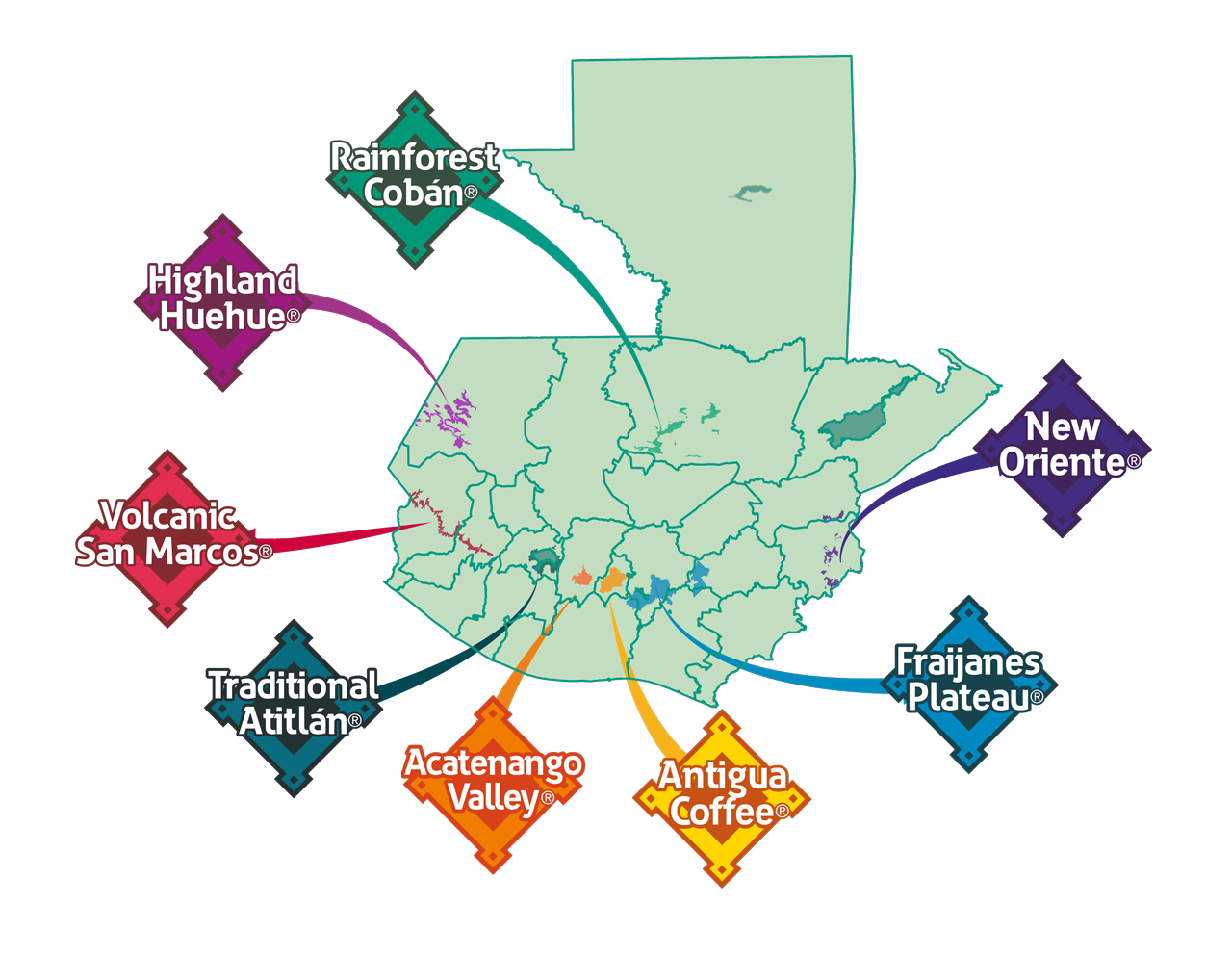
To promote the diverse flavor profiles of its various regions, the Guatemalan Coffee Association has adopted the theme “A Rainbow of Choices,” dividing the country’s coffee-growing areas into eight distinct zones. Each zone, influenced by microclimates, altitude, and soil differences, produces uniquely cupped coffees. Below, we’ll focus on three of the most representative regions: Antigua, Huehuetenango, and Nuevo Oriente.
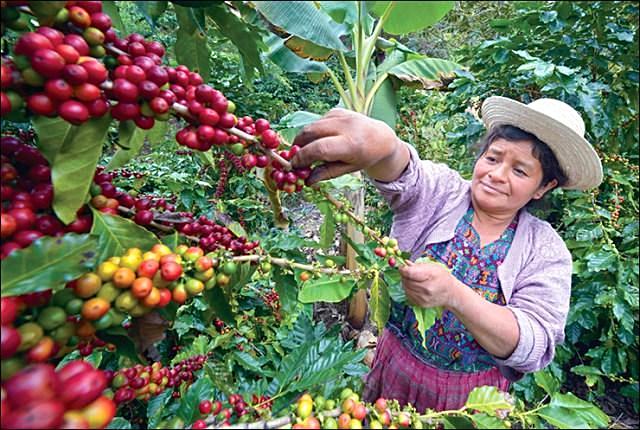
Antigua Region: Classic Flavors Surrounded by Volcanoes
The Antigua region is surrounded by three active volcanoes—Agua, Fuego, and Acatenango—among which Volcán de Fuego remains periodically active, enriching the local soil with natural mineral elements. This valley not only boasts fertile volcanic soil but also retains parts of its original forests. Coupled with a mild and stable climate where humidity and temperature fluctuate little throughout the year, it is exceptionally well-suited for coffee cultivation. The common planting elevation here exceeds 1,500 meters, making it one of the oldest and most prestigious coffee-growing regions in Guatemala.
Coffees from this region are known for their smoky aroma, rich chocolate notes, and soft fruit acidity, often emerging as champions in various coffee competitions. Among them, beans from the La Minita estate stand out as a classic representation in the specialty market, thanks to rigorous agronomic management and environmentally friendly farming practices. The estate precisely adjusts fertilizers through regular soil testing and controls pesticide use, enabling the coffee to thrive healthily even in a pesticide-free environment.
Typical flavor profiles include bright citrus acidity, layered floral notes, pronounced sweetness, and an aftertaste with hints of caramel and subtle smokiness. The overall cup is balanced with fine layers of complexity.
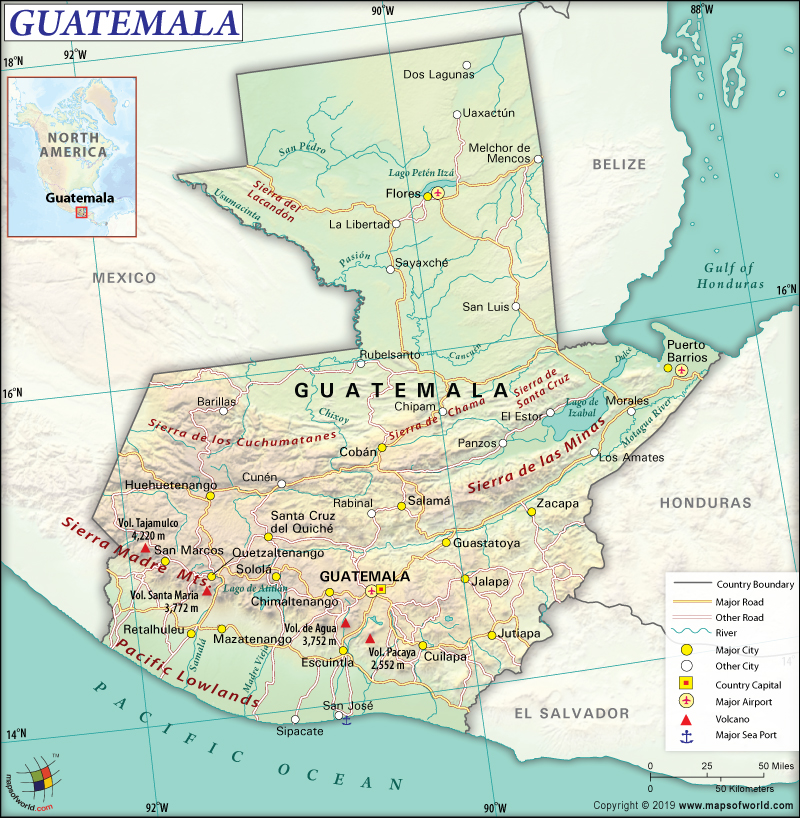
Huehuetenango Region: Bright Fruit Notes Nurtured by Highland Dry Climate
Located in northwestern Guatemala, Huehuetenango features a high-altitude and relatively dry climate. However, situated on the windward side of the central mountain range, it is often influenced by warm, moist air from the Caribbean Sea, along with dry, hot winds from Mexico’s Tehuantepec Isthmus. As a result, even at high altitudes, the area is less prone to frost damage.
The soil here is also rich in volcanic nutrients, with planting elevations typically ranging between 1,500 and 2,000 meters. The variable climate and frequent cloud cover contribute to a unique, fresh fruit character and bright acidity in the coffee. Coffees from this region usually exhibit gentle citrus acidity, delicate floral notes, and accompanying sweetness reminiscent of honey or nuts, making them ideal for coffee lovers who prefer a refreshing flavor profile.
In terms of processing methods, washed processing is predominantly used to enhance cleanliness and highlight layered flavor profiles.
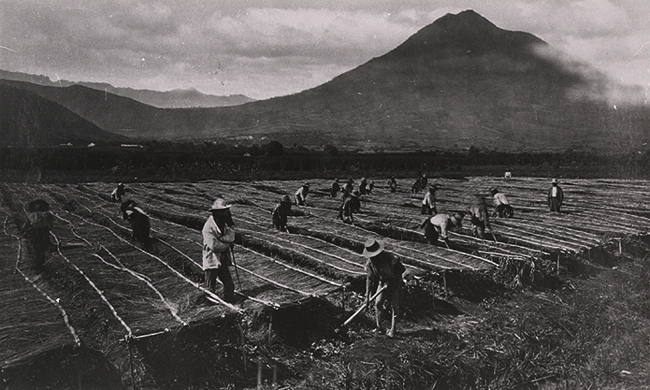
Nuevo Oriente Region: A Newly Emerging Fertile Land
Nuevo Oriente is located in a more remote mountainous area of Guatemala. Historically impoverished due to poor soil fertility, the region actually possesses ancient metamorphic rock-based soil rich in various trace minerals, making it highly suitable for coffee cultivation. Starting in the 1950s, local farmers began clearing land and planting coffee here, gradually establishing it as an emerging premium coffee region.
Coffees from this region feature a full body, balanced richness, and often exhibit pronounced chocolate notes paired with moderate sweetness. They are well-suited for consumers who prefer dark roasts or single-origin espresso flavors. Though a late bloomer, Nuevo Oriente has gradually become one of the important sources of premium coffee in Guatemala.
Brewing Recommendations and Flavor Analysis for Representative Beans from the Three Regions
Take the Flower God coffee bean from Guatemala’s Antigua region as an example. It is recommended to use a pulsed pour over technique: start with a 30-second bloom using 30 grams of hot water, then pour in a thin stream in a circular motion until reaching 125 grams for the first pulse. After the water level drops slightly, continue pouring up to 225 grams to finish. The total extraction time should be controlled to around 2 minutes.
This brewing method fully highlights the balance of citrus acidity, floral notes, and caramel sweetness, resulting in a smooth cup with distinct layers. Common flavor notes include bright citrus acidity, soft floral tones, moderate sweetness, caramel sweetness in the mid-palate, and a finish with subtle smoky and chocolatey undertones.
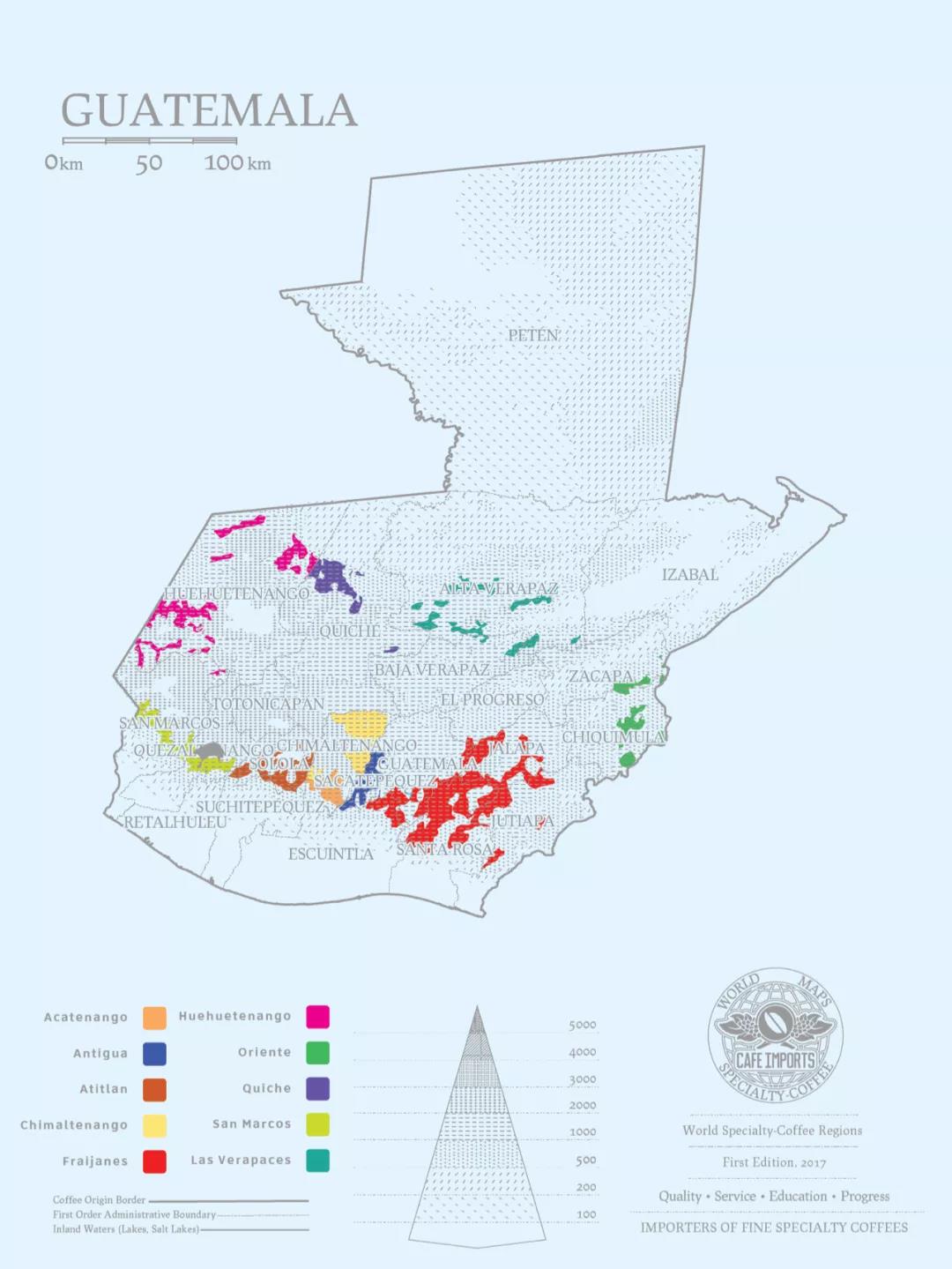
Whether you’re a beginner just starting out or an advanced enthusiast seeking regional characteristics, gaining a deeper understanding of the terroir and unique traits of these three Guatemalan regions can help you more accurately select beans that match your taste preferences. With the right brewing approach, you can savor the natural story and the care of the farmers behind every sip.
The above content is compiled by CoffeeHunters, a coffee news website.


