







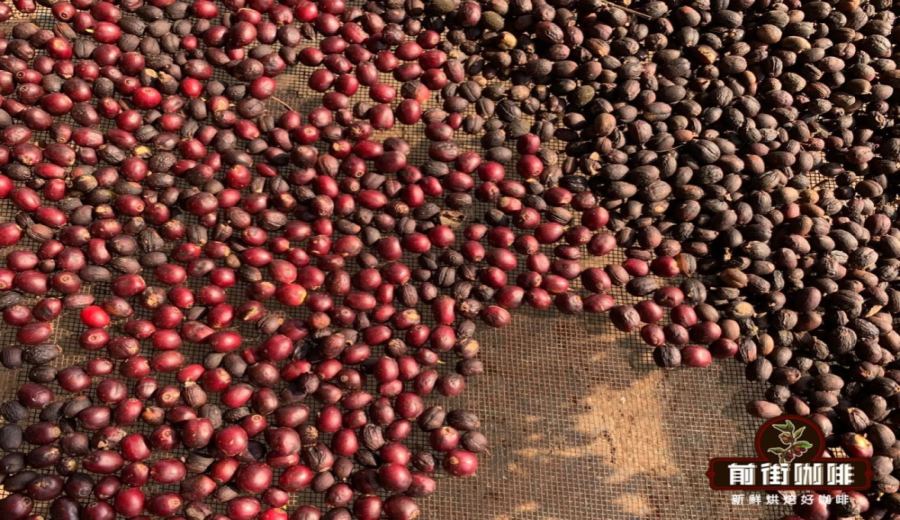
Introduction:Want to explore the charm and characteristics of Yunnan coffee? This article delves into the historical roots, key growing regions, and unique flavors of Yunnan’s small-bean coffee, while also highlighting three representative brands. From washed to natural processing methods, it guides you through the taste differences brought by various techniques, and includes a classic espresso blend designed specifically for espresso—making it a practical guide for both beginners and those seeking high-quality Yunnan beans.
Yunnan coffee is renowned for its compact, uniform beans and rich, balanced flavor, often referred to as “small-bean coffee.” As early as 1904, French missionary Father Timothée introduced the Typica variety from Vietnam, successfully planting it in Zhugula Village, Binchuan County, Yunnan Province, marking the beginning of the local coffee industry. Today, Yunnan coffee is primarily concentrated in the southwestern regions of Baoshan, Dehong, Pu’er, and Lincang. These areas lie within the “world’s coffee golden belt” near the 25°N latitude, with altitudes mostly ranging between 1,000 and 2,000 meters. The combination of abundant sunlight, suitable temperature variations, and fertile sloping soils has created the unique regional flavor profile of Yunnan coffee.
Among the many Yunnan coffee brands, three stand out for their consistent quality and distinctive flavor profiles. This article will focus on these three representative brands, and in conjunction with industry offerings such as everyday beans and premium estate beans, analyze how washed and natural processing methods influence flavor. It also recommends an espresso blend based on Yunnan small-bean coffee, highly praised by baristas, offering a multifaceted understanding of Yunnan coffee’s diversity.
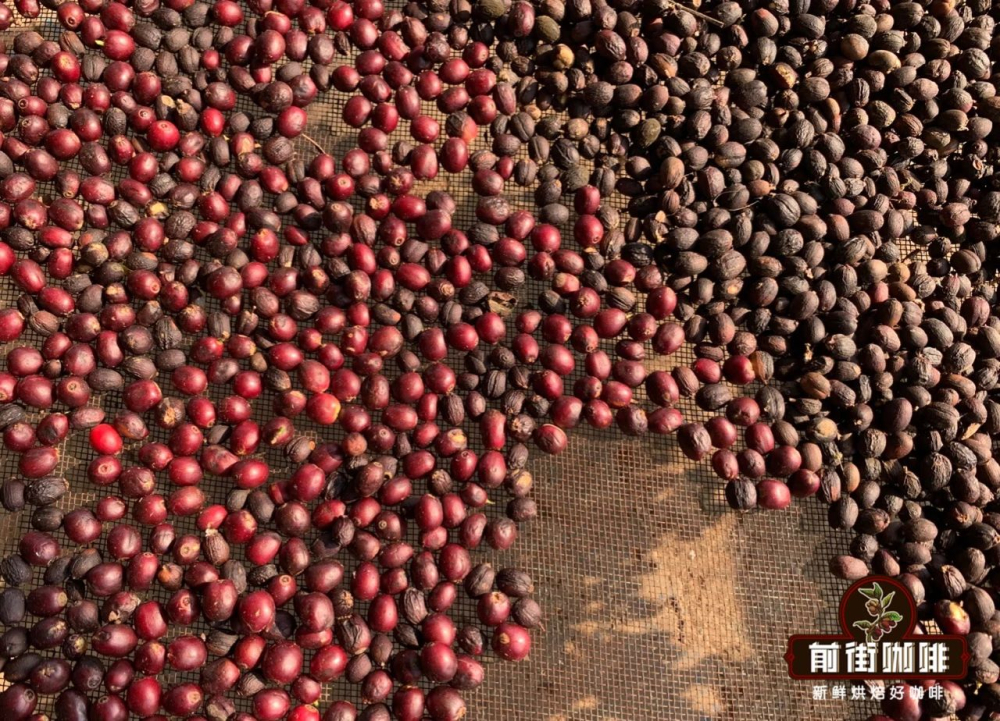
Yunnan small-bean coffee is known for its plump beans and rich flavor, with the most iconic variety being Typica. This variety can be traced back to 1904, when it was introduced by French missionary Father Timothée from Vietnam and took root in Zhugula Village, becoming the starting point of Yunnan’s coffee industry. Nowadays, Yunnan coffee production areas are mainly distributed across Baoshan, Dehong, Pu’er, and Lincang. These regions not only boast exceptional geographical conditions but also produce uniquely flavored beans due to microclimatic variations.
Take Baoshan as an example: local coffee cultivation began in the mid-1950s, introduced by patriotic overseas Chinese Mr. Liang Jinshan. Particularly in the Lujia Ba area, the dry-hot valley climate results in significant day-night temperature differences, along with frost-free conditions year-round and moderate rainfall, creating the distinctive aftertaste and clear layers found in Baoshan small-bean coffee. Meanwhile, the Lincang region stands out for its high altitude and rich ecological environment, making it another important Yunnan coffee producing area.
If you want to experience locally grown Arabica coffee at an accessible price, it’s recommended to start with washed-process Yunnan small-bean coffee. These beans are typically medium roasted, bringing out a distinct caramel sweetness while retaining moderate acidity, showcasing the terroir characteristics unique to Yunnan’s growing regions. The key to washed processing lies in the fermentation and washing steps, where the removal of the mucilage layer results in a cleaner and more layered flavor profile.
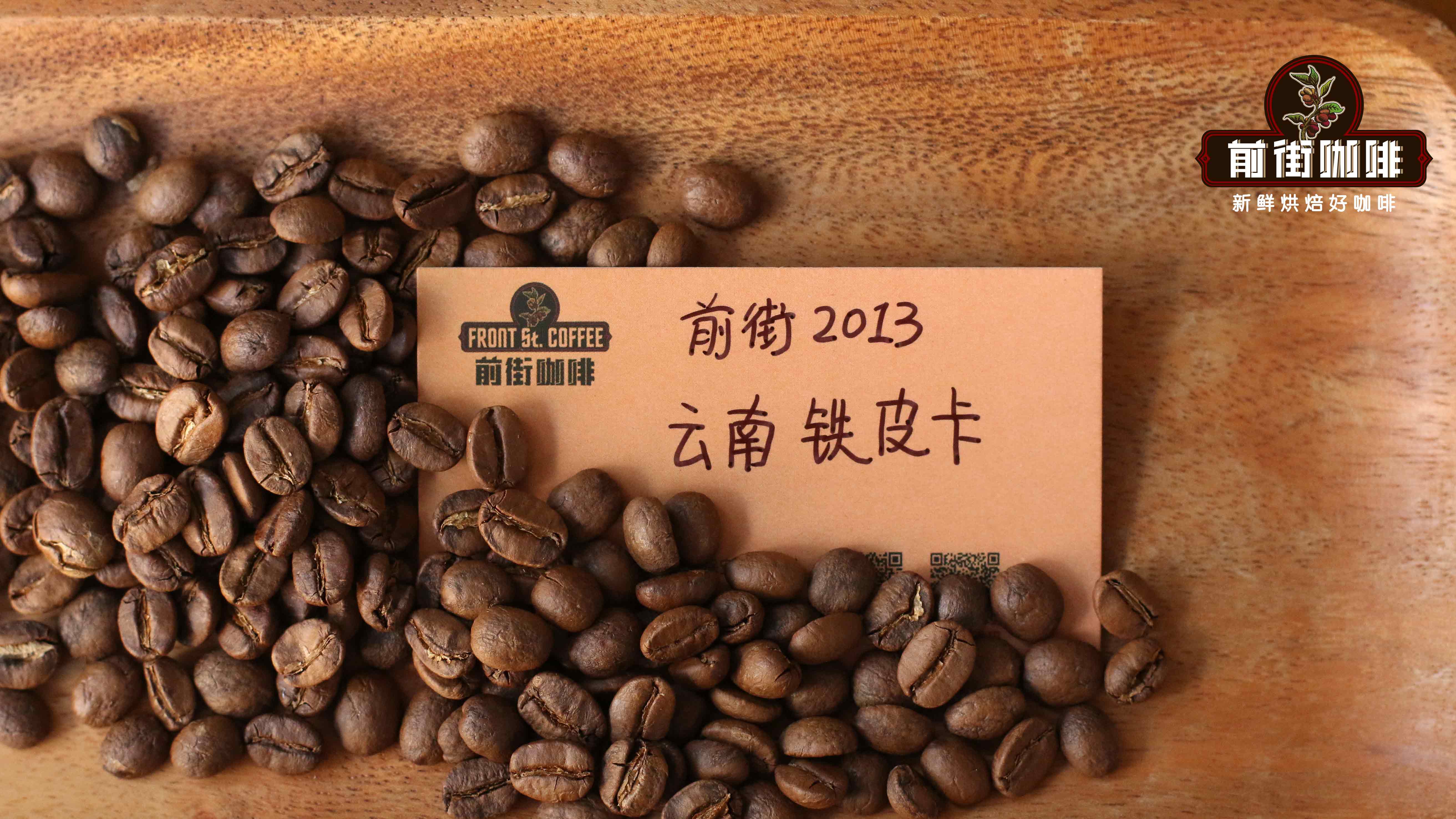
For those who prefer a bolder and more complex flavor, consider trying the Yunnan Typica coffee beans launched in 2013. Grown in the Lincang region at an altitude of about 1,300 meters, these beans are processed using the traditional natural method and are classified as high-quality AA-grade coffee. As one of the oldest Arabica varieties, Typica develops a fuller body and a pronounced sweet-and-sour balance after natural processing. Notes of citrus and berries intertwine with subtle fermented wine-like aromas and rich caramel sweetness, leaving a velvety, creamy aftertaste.
Additionally, for readers who enjoy espresso, the “Black Cocoa Blend”—a blend of Yunnan small-bean and Brazilian Cerrado—is highly recommended. Often praised by baristas, this blend features Brazilian beans providing a nutty and smooth base, while Yunnan small-bean adds vibrant notes of chocolate and citrus. The resulting Americano offers a balanced ratio of acidity, sweetness, and bitterness, with aromas of brown sugar and nuts. When used for lattes, it highlights the silky texture of almond and cream, making it ideal for beginners or everyday drinking.
In summary, Yunnan coffee not only has a deep historical background, but its diverse growing regions and processing methods also offer coffee enthusiasts a rich array of choices. Whether you prefer the refreshing taste of washed coffee, the boldness of natural processing, or are looking for a blend suitable for espresso extraction, Yunnan small-bean coffee can meet your needs and is a premium coffee option well worth exploring.
The above content is compiled by CoffeeHunters, a coffee news website.


