







Introduction:Delve into Colombia’s six renowned coffee-growing regions, from Huila to Cauca, and explore how their microclimates shape distinctive flavor profiles. This article details the characteristics of representative coffee varieties in each area, differences in common processing methods, and provides comprehensive pour-over parameters for competition-level varieties such as Sidra—making it a practical guide for coffee enthusiasts from bean selection to brewing.
Colombia is not only one of the few specialty coffee origins named after a country but also benefits from the favorable environment of the Andes Mountains and the meticulous cultivation by numerous smallholder farmers, producing Arabica beans with rich flavor layers. From Santander in the north to Cauca in the south, each region, due to subtle differences in altitude, climate, and processing methods, fosters uniquely distinct flavor characteristics.
Located in southern Colombia, Huila Province, with its mountain-surrounded highland terrain and planting elevations exceeding 1500 meters, has become a golden zone for cultivating specialty coffee. The area enjoys abundant water sources and diverse microclimates, enabling smallholder micro-lot productions to often possess distinct regional characteristics. In recent years, the international market’s pursuit of coffee detail has led local producers to gradually move away from traditional grading by bean size, instead focusing on refined offerings from single estates or micro-regions.
Take Finca El Diviso as an example. This family-owned coffee farm, established in 1996, is situated on the Huila highlands at an altitude of about 2100 meters. Founded by Jose Uribe Lasso and now managed by his grandson Nestor Lasso, the farm grows over ten coffee varieties, including Caturra, Colombia, Sidra, and Geisha. The Sidra used by 2022 World Barista Champion Anthony Douglas during the competition originated from here, bringing renewed attention to this variety from an Ecuadorian laboratory.
Sidra (Sidra) originally hails from Pichincha Province in Ecuador. Genetic research indicates a high similarity to native Ethiopian varieties, suggesting it is a lab-hybrid that may combine Typica, Red Bourbon, and local Bourbon lineage. Finca El Diviso processes Sidra using a double fermentation natural method, resulting in a flavor profile that bursts with tropical fruits upon entry—such as lychee, passion fruit, and a juice-like smooth mouthfeel—making it a dream choice for pour-over enthusiasts.
For pour-over, it is recommended to use a Hario V60 with a grind size of 80% passing through a Chinese standard #20 sieve, a brew ratio of 1:15, and water temperature controlled at 90-91°C. For step brewing, start with a 30-second bloom using 30 grams of water, then pour in a small circular motion up to 125 grams for the first pour. When the water level is about to reveal the coffee bed, continue pouring up to 225 grams. The total brew time is approximately 2 minutes. These parameters help highlight Sidra’s bright acidity and complex fruity aromas.
Cauca Province, as a certified origin of Colombian coffee, has an average altitude of 1758 meters, with the highest points exceeding 2100 meters. The region, characterized by volcanic soils of the Andes Mountains, significant diurnal temperature variations (averaging 11°C daily, with daytime temperatures around 18°C), and a single rainy season, produces coffee with vibrant acidity and prominent sweetness. The representative processing method is traditional washed, and its flavor profile often features notes of chamomile, spices, and fresh lime.
Nariño Province is located in southwestern Colombia, bordering the Pacific Ocean to the west and Ecuador to the south. The entire region is traversed by the Andes Mountains, with coffee-growing areas distributed within the cloud belt at altitudes of 1600 to 2300 meters. The fertile volcanic soils and high-altitude environment produce coffee beans with tight shapes and vibrant green hues. Although the annual production is mainly composed of commercial-grade beans, carefully selected lots amount to only about 6,000 sacks. The Caturra variety from Finca Fabindazara Farm, processed with washed method at 1900 meters altitude and fermented for 18 hours before drying for 15 days, exhibits a complex layering of creamy sweetness, cherry, and refreshing acidity.
The Santander and Northern Santander regions are located in northern Colombia, with planting altitudes of 1400-1600 meters, known for their grassy freshness reminiscent of plants by the Magdalena River. The representative processing method is anaerobic enzymatic washed, and for pour-over, it is recommended to use a Hario V60 with the same grind size and brew ratio as mentioned earlier, water temperature at 90-91°C. After a 30-second bloom, pour in stages up to 225 grams with a total brew time of 2 minutes, highlighting an aroma combination of peach, rose, and chocolate ganache.
Tolima Province, neighboring Huila and Cauca, is influenced by the north-south oriented Andes Mountains and the Magdalena River. Farms here are slightly larger in scale, and cooperative processing is commonly practiced. The Hope variety winner Margaretta Xia’s coffee beans are sun-dried, offering flavors of cane sugar, licorice, and oolong tea aftertaste. The pour-over parameters are similar to those above and are suitable for drinkers who prefer mellow flavor profiles.
The harvest seasons of each region vary due to geographical location differences. Central areas often have primary and secondary harvest seasons, while the north and south exhibit reverse seasonal distributions, ensuring fresh beans are available year-round. Most Colombian coffee is processed via washed methods, with smallholders commonly operating small Ecomill or Eco-Pulper equipment. Through precise control of fermentation and natural drying (or assisted by low-temperature dryers), quality stability is ensured. In recent years, eco-friendly washed techniques have also been developed, significantly reducing water consumption, although potential impacts on flavor should be noted.
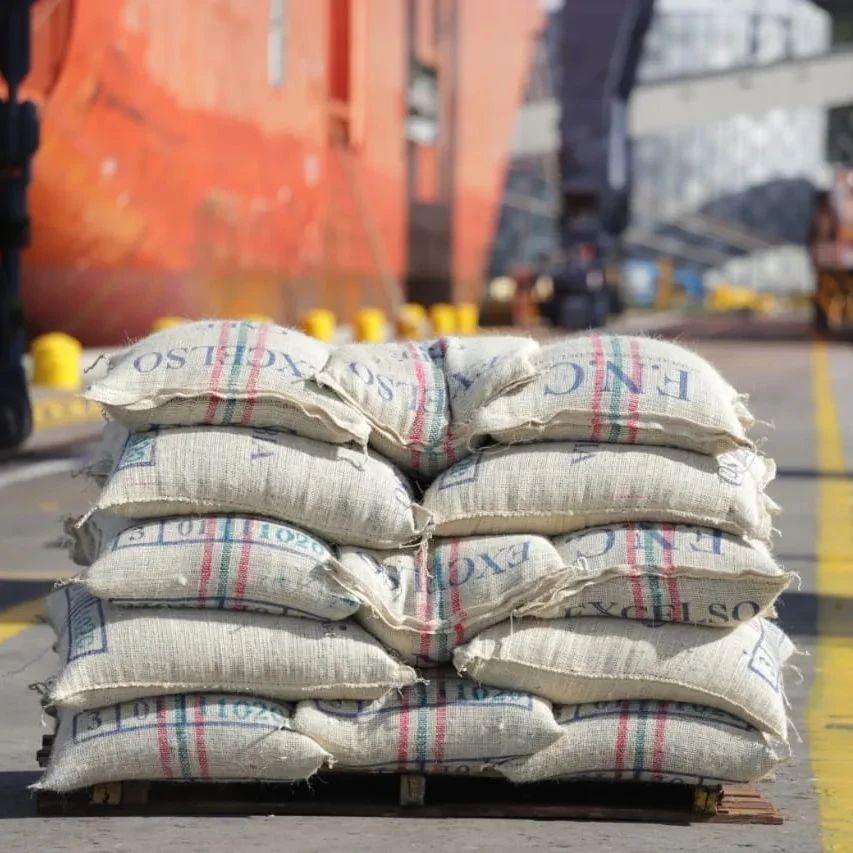
From beginners to advanced enthusiasts, understanding the characteristics of each region and the differences in processing methods will help select coffee beans that suit individual tastes. Whether you prefer bright acidity, rich fruitiness, or mellow sweetness, Colombia’s diverse micro-regions offer abundant choices. Paired with precise pour-over parameters, these can fully unlock the potential of each coffee bean.
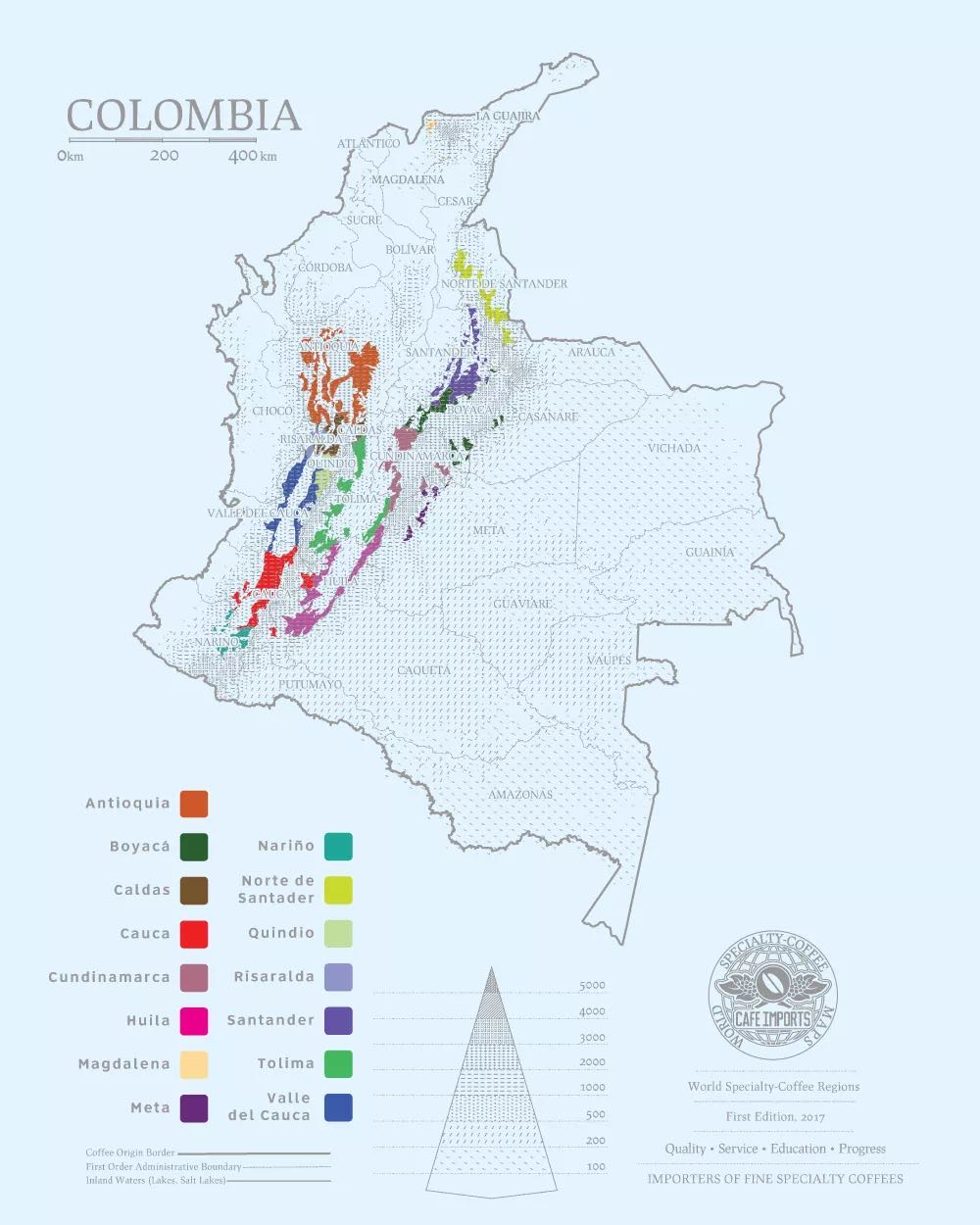
Explore further into Colombia’s other hidden treasure regions, such as the floral notes of Antioquia or the high-altitude complexity of Nariño, to add more surprises to your coffee journey. Keeping a record of each brew’s parameters and flavor experiences, gradually building your own coffee flavor map, is the best way to deeply understand the charm of this country’s coffee.
The above content is compiled by CoffeeHunters, a coffee news website.


