







Introduction:How did the Geisha coffee variety transform from a wild Ethiopian strain into Panama’s top-tier auction lot? This article traces the migration of the Geisha variety, analyzes how the microclimate of the Boquete region influences flavor, introduces in-depth the three growing areas of Hacienda La Esmeralda and its Red, Green, and Blue Label grading system, and compares the flavor profiles of washed and natural Green Label beans through hands-on pour over brewing—taking you from the source to understand the allure of Geisha.
When it comes to specialty coffee, Panamanian Geisha is undoubtedly one of the brightest stars in recent years. But few people know that this highly sought-after variety originally came from the Gesha Forest in southern Ethiopia. In 1931, researchers discovered this coffee tree with unique aromatic potential in the area, which was then introduced to the Kenya Coffee Research Station in 1932. It subsequently spread to Uganda, Tanzania, and Costa Rica, finally taking root in Panama in 1960.
Variety Historical Background: Although Geisha gained international fame through Panama, genetic tracing clearly shows its origin in Ethiopia. This journey spanning over half a century ultimately led to Geisha’s rise as a top auction star, thanks to the cultivation and meticulous processing by Panama’s Hacienda La Esmeralda.
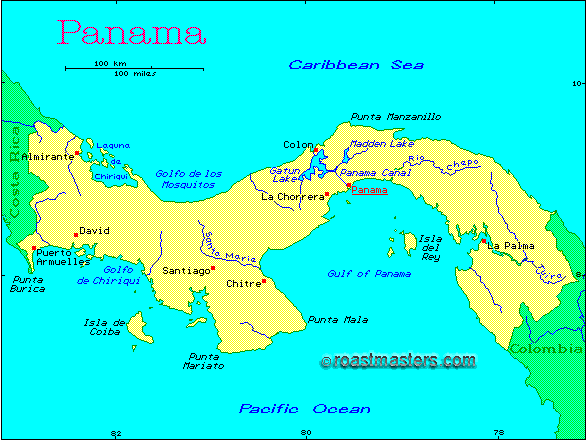
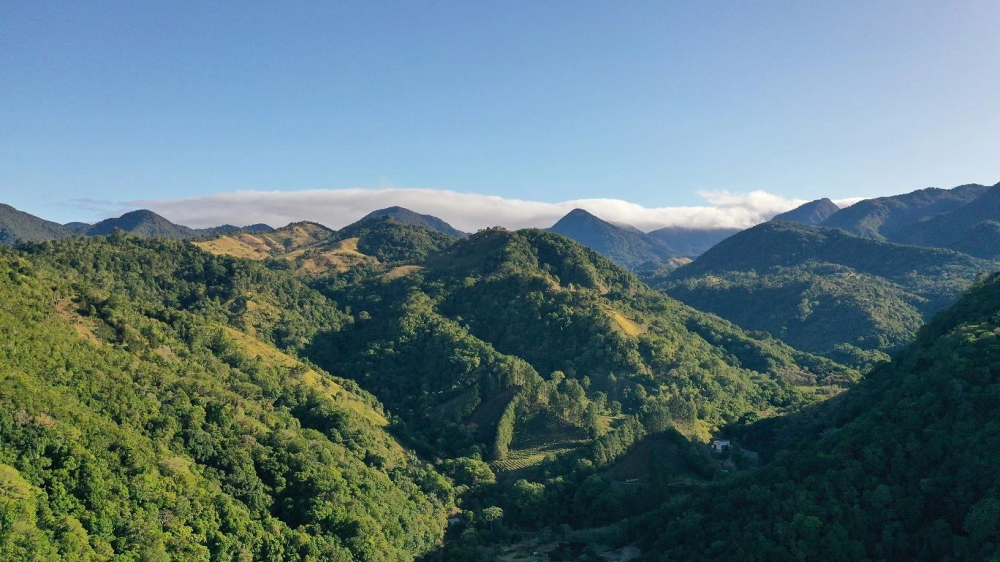
Today, the vast majority of Geisha on the market comes from Panama’s Boquete region. Located in Central America, Panama borders the Caribbean Sea to the north, Colombia to the east, Costa Rica to the west, and the Pacific Ocean to the south. The entire country lies within the golden coffee belt between 7° and 10° north latitude. Especially in the Boquete region, with an average elevation between 1400 and 1900 meters, coupled with volcanic soil and diverse microclimates, it gives rise to the diverse flavor profiles of Geisha.
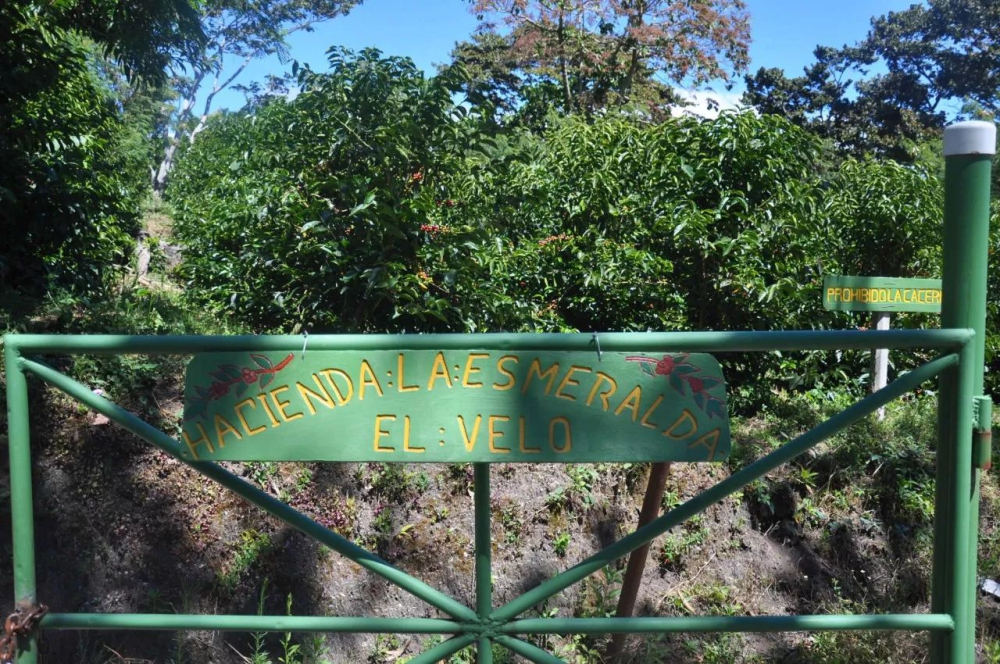
Panama’s main specialty coffee regions include Boquete, Volcán, and Renacimiento, among which Boquete is the most renowned, home to famous estates such as Elida, Don Pepe, and Hacienda La Esmeralda. Founded in 1964 by American retired banker Rudolph A. Peterson, Hacienda La Esmeralda was later managed with the help of his son, who returned after obtaining a PhD in 1973. In 1987, the estate introduced Catuaí and Caturra varieties, built its own washed processing facility in 1994, expanded further by acquiring Jaramillo Estate in 1997, gradually establishing its present prestige.
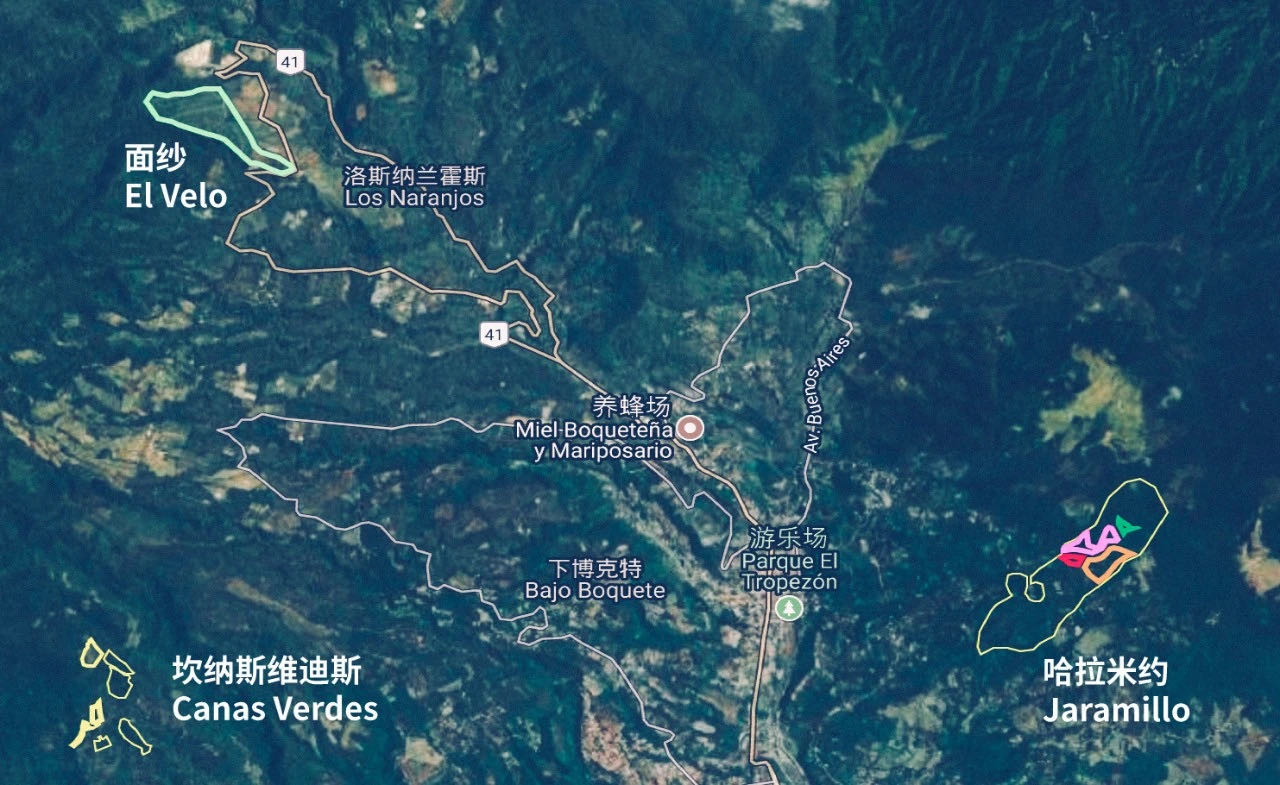
Hacienda La Esmeralda oversees three key plots—Canas Verdes, Jaramillo, and El Velo—each with unique environmental conditions:
Canas Verdes: With annual rainfall as high as 3500mm, significant diurnal temperature variation (daytime 16–23°C, nighttime 10–15°C), and an elevation of 1600–1800 meters, it includes nine sub-sections.
Jaramillo: Receiving about 4000mm of rainfall annually, with slightly higher diurnal temperature variation (daytime 19–25°C, nighttime 11–15°C) at an elevation of 1600–1700 meters, divided into five smaller sub-plots.
El Velo: The newest addition to the estate, with even higher elevation (1700–1900 meters). In addition to Geisha and Caturra, it also experiments with varieties such as Laurina, Pacamara, Mocha, and SL28.
Hacienda La Esmeralda classifies Geisha into three grades based on elevation, microclimate, and cupping scores:
Hacienda La Esmeralda Special (Red Label): Produced in Jaramillo and Canas Verdes at elevations of 1600–1800 meters, with cupping scores above 90. Limited to auction or non-auction distribution, processed via both natural and washed methods, its flavors are highlighted by bright citrus, jasmine, and berries.
Private Collection (Green Label): A blend of micro-lots from different plots, a non-auction product, also available in both washed and natural options, offering rich and balanced flavor layers.
Blue Label (Geisha 1500): Grown at elevations of 1400–1500 meters, it is the most common among the three grades. Production was discontinued starting in 2021, and it was previously offered in both natural and washed versions.
At retail, customers often ask about the difference between the two processing methods for Red Label and Green Label Geisha. Simply put,Washed processingremoves the fruit skin and pulp, resulting in a cleaner and brighter coffee flavor, whileNatural processingdries the whole coffee cherry, bringing out richer and more complex sweetness and fruity notes.
Actual pour over test parameters are as follows:
Brewer: V60 #01
Dose: 15 grams
Coffee-to-water ratio: 1:16
Grind size: EK43s#10.2
Water temperature: 90–91°C
Technique: Fractional brewing (bloom with 30g water → 30 sec, 125g → split pour, then pour to 225g → remove brewer), total brew time 2 minutes 00 seconds to 2 minutes 05 seconds.
[Washed Green Label Geisha] presents clear floral and citrus acidity, with distinct honey-like sweetness in the mid-palate, and a finish that carries an oolong tea note along with brown sugar sweetness. Overall, it has a clean, layered, and bright mouthfeel.
[Natural Green Label Geisha], on the other hand, exudes intense fruitiness and fermentation aromas, with prominent sweet melon and tropical fruit flavors upon entry. The overall profile is juicy, like fruit juice, with high sweetness and a long-lasting aftertaste.
The above content is compiled by CoffeeHunters, a coffee news website.


