







Introduction:Why can Panamanian Geisha coffee repeatedly fetch record-breaking auction prices? What makes it stand out compared to Blue Mountain? This article delves into the geographical advantages of Panama’s Boquete region, analyzes the grading characteristics of Emerald Estate’s Red Label, Green Label, and Blue Label, and introduces the high cost-performance blended beans such as Geisha Flower Butterfly. Whether you’re new to specialty coffee or looking to refine your pour over bean selection, you’ll gain practical insights and recommendations.
In the world of specialty coffee, Panama’s Geisha variety is undoubtedly a star attraction. Many wonder why its price often surpasses that of traditional top regions like Blue Mountain. In fact, Geisha and Blue Mountain have very different flavor profiles—the former is known for its delicate floral notes, bright acidity, and unique citrus tones, while the latter showcases a rich, steady nutty and chocolate character. Both have their strengths, but Geisha, due to its rarity and competition performance, often becomes the spotlight of auction markets.
The origin of Geisha can be traced back to the Gesha Mountains in southern Ethiopia. Originally, due to its tall plants and low yield, it was only used as a windbreak. It wasn’t until the 1930s that these coffee trees were gradually introduced to Kenya, Tanzania, Costa Rica, and other places, and didn’t arrive in Panama until the 1960s. However, it wasn’t until 2004, when Geisha beans from Panama’s La Esmeralda Estate stunned the international competition, that this variety truly rose to global prominence.
Starting in 2004, this Panamanian Geisha won gold medals consecutively at the Best of Panama (BOP) cupping competition, and in 2007, it set a historical record by selling for $130 per pound at an international renowned beans competition hosted by the Specialty Coffee Association of America (SCAA). Since then, Geisha has not only become an iconic variety in specialty coffee but also brought great fame to Panama’s La Esmeralda Estate. Notably, to prevent other competing varieties from being overwhelmingly overshadowed by Geisha, subsequent BOP competitions have grouped Geisha and non-Geisha beans separately for evaluation.
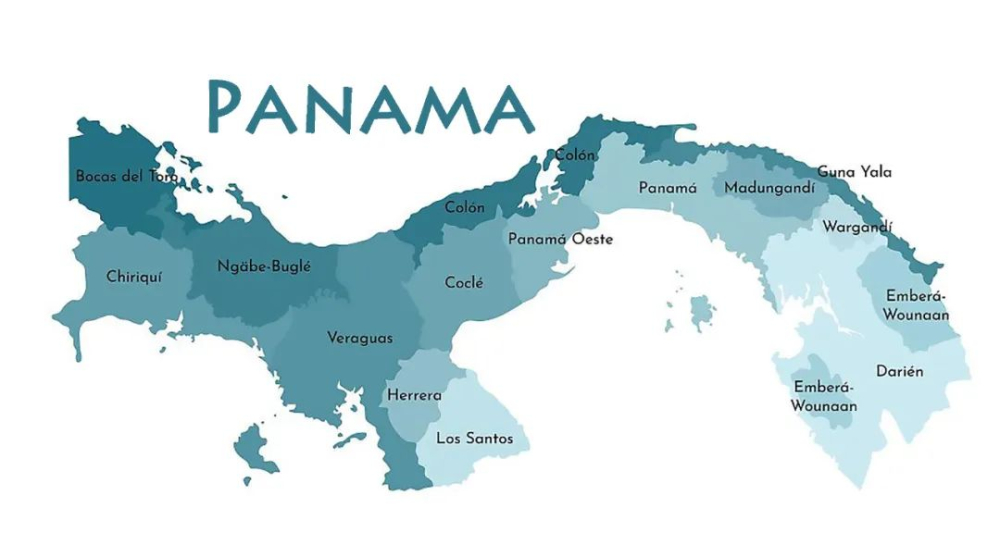
When talking about Panamanian Geisha, one cannot overlook the Boquete region. This small town located in western Panama, near the border with Costa Rica, sits in the high-altitude mountainous area of Chiriquí Province, adjacent to the famous Volcán Barú. The region’s elevation mostly ranges between 1400 and 1900 meters, with a cool climate, significant day-night temperature variation, and fertile volcanic ash soil—creating an ideal environment for coffee cultivation.
In addition to Emerald Estate, Boquete is also home to other well-known estates such as Elida Estate and Catuai Duncan. These farms also produce high-quality specialty coffee thanks to their unique microclimates and refined processing methods. The diversity of microclimates—including mountain fog, variable precipitation, and stable high-altitude conditions—is a key reason why Boquete can nurture many Geisha beans with distinctive flavors.
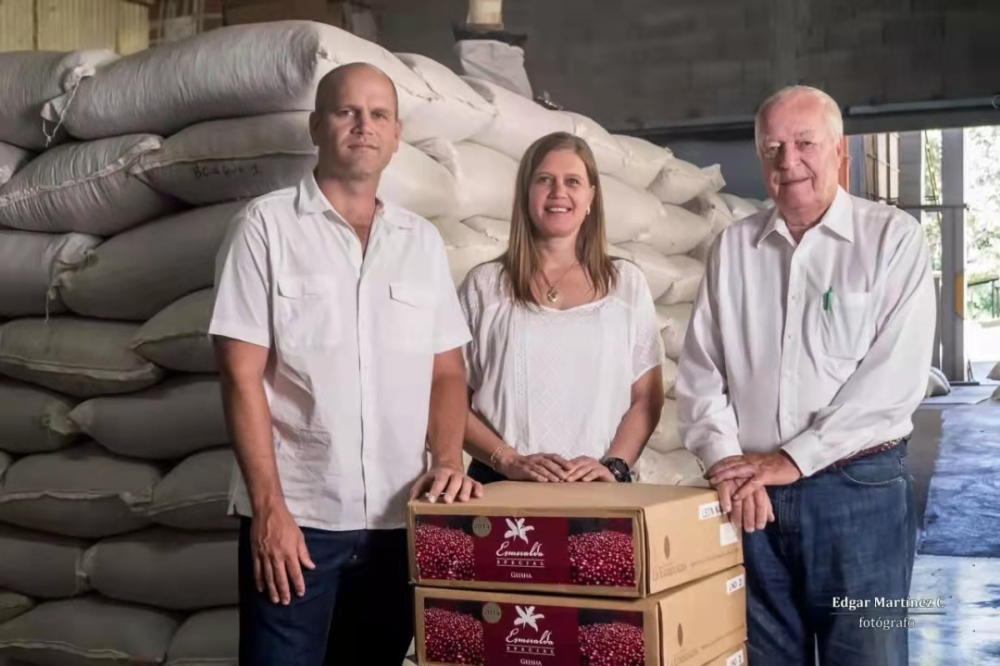
Emerald Estate has a very rigorous grading system for Geisha, mainly divided into three categories: Red Label, Green Label, and Blue Label. Each grade has its specific altitude range, processing method, and flavor profile. Among them, Red Label Geisha, also known as “Esmeralda Special,” is selected only from Jaramillo and Cañas Verdes regions, at altitudes of 1600 to 1800 meters. These beans are usually released in the estate’s independent auctions, processed via washed or natural methods, and often score over 90 points in cupping, with flavor profiles highlighted by intense floral notes, citrus aromas, and delicate acidity.
Green Label, also called “Private Collection,” although not participating in auctions, still comes from high-altitude micro-lots blends, grown at similar altitudes of 1600 to 1800 meters. Its flavor characteristics are similar to Red Label, including floral, fruity notes, clear citrus acidity, and a rich mouthfeel. The difference is that Green Label batches may vary slightly each year and typically do not indicate specific plot origins. Green Label also offers both washed and natural processing options.
As for Blue Label Geisha (Geisha 1500), its beans are sourced from a blend of Jaramillo, Cañas Verdes, and El Velo regions at altitudes of 1400 to 1500 meters. The flavor is more mild, featuring gentle floral notes, fruit acidity, and sweetness, with a relatively lighter body. This grade initially only had washed processing, but starting from the 2020 harvest season, a natural version was also introduced, offering more choices for consumers who prefer different flavor profiles.
If you wish to experience the flavor of Geisha at a more affordable price, consider Panama’s Geisha Flower Butterfly blend. This bean consists of 70% Geisha and 30% Catuaí and Caturra blends, grown in the Boquete Barú volcanic area at an altitude of about 1600 meters. Through meticulous cultivation by cooperative smallholders and washed processing, Geisha Flower Butterfly showcases bright citrus and berry notes, with a honey and nutty aroma in the aftertaste. It has a clean and refreshing taste, excellent cost-performance, and is very suitable for daily drinking or as a gateway to experiencing Geisha flavors.
When brewing Geisha, due to its hard bean density, it is recommended to use a grind size with about 80% passing through a Chinese standard No. 20 sieve (similar to fine sugar), using a Hario V60 size 01 filter cone for pour over. Suggested dosage is 15 grams, with a brew ratio of 1:15, and water temperature around 91°C. These parameters help balance the extraction of flavor layers, avoiding over-extraction or overly thin taste. Pay attention to maintaining even and stable pouring to fully highlight Geisha’s delicate floral-fruity aromas and balanced acidity-sweetness.
In summary, whether you’re pursuing the top-tier auction-grade Red Label Geisha or want to experience Geisha flavors within a reasonable budget with the Geisha Flower Butterfly blend, the diversity and refined processing techniques of Panama’s Boquete region can satisfy coffee lovers at all levels. Understanding the characteristics of each grade and the appropriate brewing methods will allow you to enjoy a richer flavor experience and deeper appreciation when savoring these specialty coffees.
The above content is compiled by CoffeeHunters, a coffee news website.


