







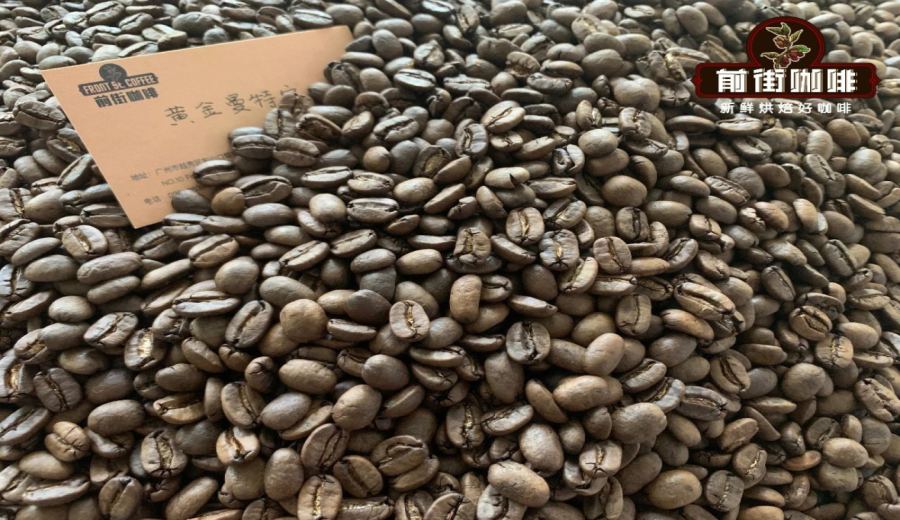
Introduction:Mandheling coffee is renowned for its rich, low-acid flavor profile, making it a popular choice for many coffee enthusiasts just starting their journey. This article takes an in-depth look at Indonesia’s Mandheling grading system and the unique wet-hulling process. From beginner-friendly everyday Indonesian Mandheling beans to premium-grade PWN Golden Mandheling, we’ll explore their origin backgrounds, processing differences, and provide practical medium-to-dark roast pour over recommendations—including water temperature, grind size, filter choice, and pulse pouring techniques—to help you find your perfect cup of bold black coffee.
Before the rise of bright, fruity coffees, Mandheling was often the sole representation of rich, full-bodied flavor in many people’s minds. Today, the market offers a wide array of Mandheling products at varying price points, but selecting a high-quality batch that balances value and flavor still requires some knowledge. This article begins with an overview of Indonesia’s coffee grading standards, first introducing accessible everyday Indonesian Mandheling beans ideal for beginners, then diving into Golden Mandheling from PWN, analyzing the unique regional characteristics brought by the wet-hulling process, and providing useful medium-to-dark roast pour over parameters—so you can brew your own cup of bold, layered black-chocolate and caramel-toned coffee.
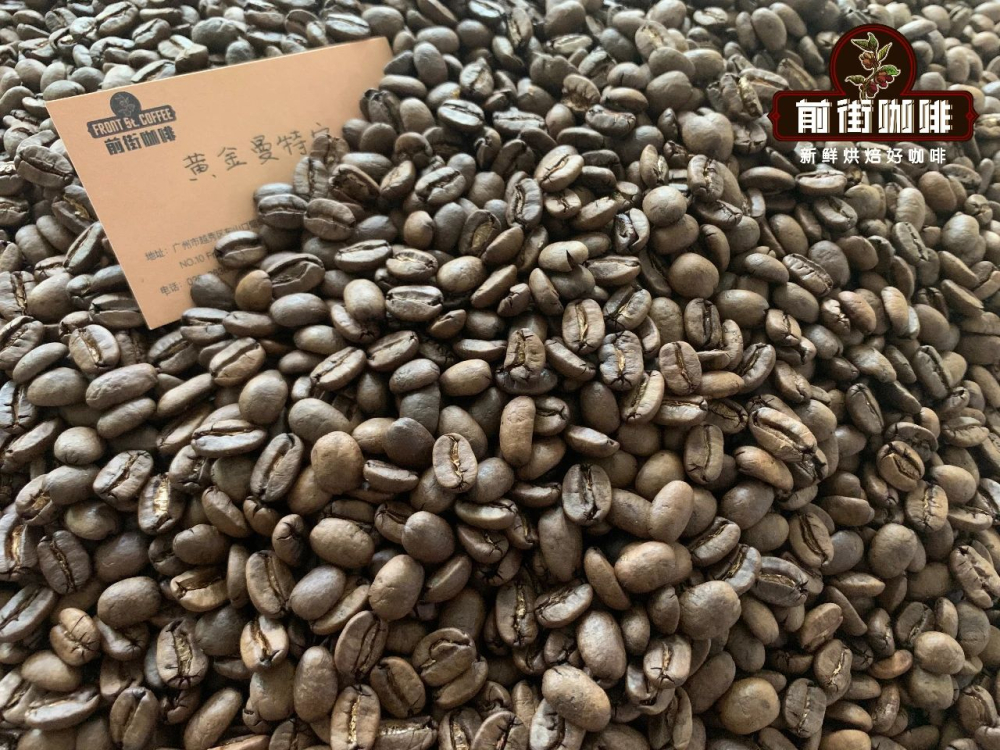
In today’s coffee market, where fruity acidity dominates, Mandheling remains a staple in the cups of many enthusiasts thanks to its low acidity and full body. This Arabica variety from Indonesia’s Sumatra Island, traditionally roasted dark to bring out intense smoky richness and a heavy mouthfeel, was once one of the most beloved single-origin coffees. Even with the abundance of Mandheling options available today, finding truly high-quality beans at reasonable prices still requires understanding the differences in grading and processing methods.
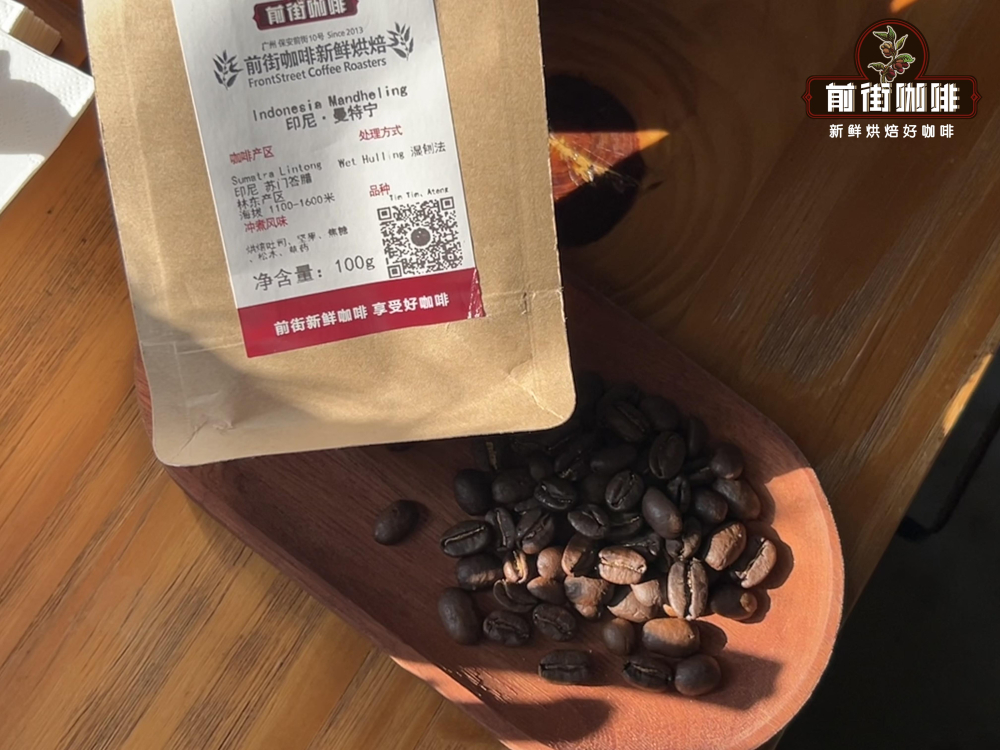
For those new to Indonesian coffee, starting with entry-level everyday beans is recommended—not only are they more affordable, but they also help build a foundational understanding of Mandheling’s core flavors. Indonesian Mandheling is a great choice for practicing pour over and flavor recognition, offering flavor notes of black chocolate, nuts, herbal spices, and caramel. It’s suitable for brewing via pour over, moka pot, or drip methods, making it an ideal starting point for many coffee beginners.
Indonesian green coffee beans are primarily graded based on the number of defective beans, with bean size serving only as a secondary reference. Basic quality requirements include being free of live insects, moldy or foul-smelling beans, with moisture content not exceeding 12.5% and impurity rates below 0.5%. Grading is divided into six levels, with the highest grade, G1, requiring no more than 11 defective beans in a 300g sample. Lintong Mandheling falls under the G1 grade, processed using the wet-hulling method and roasted dark to enhance caramelization, ultimately delivering rich notes of herbs, pine, caramel, and black chocolate, with a heavy body and the distinctive character typical of Asian coffees.
If you’re already familiar with basic coffee flavors and want to explore higher-quality Mandheling, consider PWN Golden Mandheling. This coffee comes from reputable Indonesian green coffee supplier PWN, and is also processed using the wet-hulling method. Wet-hulling involves removing the parchment layer during drying, exposing the beans directly to the external environment and encouraging the growth of unique microorganisms, which contribute complex “regional flavors” such as woodiness, spices, and herbs. Although this method may increase the defect rate, it’s key to forming Sumatra coffee’s unique personality.
PWN Golden Mandheling is also primarily dark roasted, emphasizing flavors of caramel, black chocolate, and nuts. It’s suitable for various brewing methods including pour over, French press, moka pot, and siphon. This coffee is particularly well-suited for those who prefer less pronounced fruit acidity and favor a balanced profile of full body and sweetness. The company rigorously selects green beans, inspecting them both mechanically and manually to ensure uniform density and intact appearance—earning it the title “Golden Mandheling,” and making it a classic favorite among seasoned coffee enthusiasts.
As PWN Golden Mandheling is medium-to-dark roasted, its bean structure is looser and its water absorption rate higher. Using the water temperature and grind settings meant for light roasts can easily lead to over-extraction, resulting in burnt bitterness and astringency. To optimize extraction, it’s recommended to control the water temperature at around87°C, and use a medium-coarse grind (approximately 70% passing through a Chinese No. 20 sieve). For the filter, choosing a slower-flow KONO filter helps extend extraction time, allowing the coffee grounds to fully release their rich flavor compounds, making it more suitable than V60 for highlighting this bean’s bold characteristics.
For actual pour over, a three-stage pulse pouring method is recommended: start with 30g of hot water for a 30-second bloom, then slowly circle water from the center out to 125g. When the water level drops to just about to expose the coffee bed, continue pouring up to 225g, with the total brew time controlled around 2 minutes. These parameters help balance flavors, prevent over-extraction and bitterness, while fully showcasing layers of black chocolate, roasted hazelnuts, caramel, and melon.
The brewed PWN Golden Mandheling delivers an immediate burst of rich black chocolate aroma, accompanied by moderate notes of roasted hazelnuts and caramel sweetness, with herbal and spicy undertones lingering in the aftertaste. The overall profile is bold and deeply layered, making it an excellent everyday drink and sharing coffee. Whether as your personal go-to bean or a thoughtful gift for fellow coffee lovers, it’s a highly tasteful and representative choice.
The above content is compiled by CoffeeHunters, a coffee news website.


