







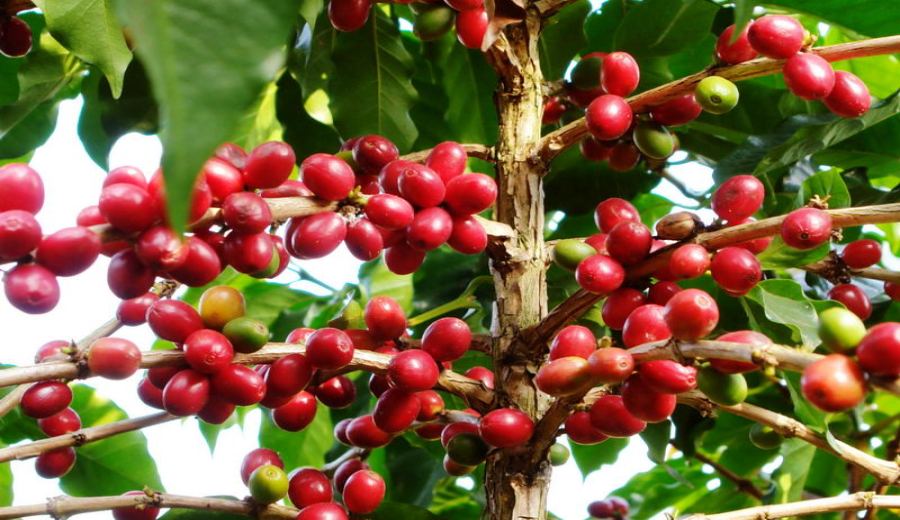
Introduction:Kenyan coffee is renowned for its vibrant acidity, rich aroma, and layered flavor profile, with the SL28 and SL34 varieties being top choices among specialty coffee enthusiasts. This article delves into Kenya’s coffee-growing regions, the unique characteristics of the SL series, the rigorous AA to PB grading system, and the distinctive K72 washed processing method. Discover this African coffee that, while different from Ethiopia’s flavors, is equally remarkable, along with practical brewing parameters and flavor experience insights.
As an important origin for specialty coffee in East Africa, Kenyan coffee is celebrated for its bright acidity, captivating aroma, and balanced, full-bodied taste—most notably for its refreshing acidity and fruity notes reminiscent of cherry tomatoes. This article begins with Kenya’s geography and historical background, then provides a detailed analysis of the most representative SL28 and SL34 coffee varieties, introduces the meaning and significance of common grading categories such as AA, AB, and PB, and takes an in-depth look at Kenya’s globally unique 72-hour fermented washed process (abbreviated as K72). From origin to cup, gain a comprehensive understanding of the essence of Kenyan coffee.
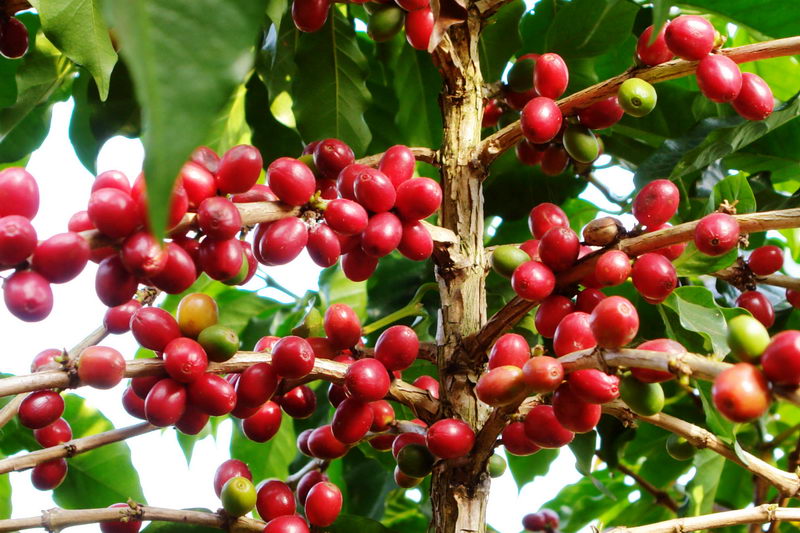
The African continent has long been a vital source of specialty coffee worldwide, often winning favor with its diverse floral aromas and bright fruity acidity. Whether tucked away in small farms deep within the East African Rift Valley or in villages on the edge of the Maasai Mara grasslands, coffee has become deeply integrated into African life and culture. Among the many African coffee-producing countries, Ethiopia is famous for its washed Yirgacheffe, with its clean lemony acidity and delicate floral notes leaving a lasting impression. In contrast, Kenyan coffee showcases a distinctly different charm—the moment it touches your lips, its rich fruitiness bursts forth like cherry tomatoes, complemented by abundant aroma and a full-bodied taste, making it a top choice for many seasoned coffee aficionados.
Although Kenya and Ethiopia are both in East Africa, their coffee flavors are vastly different, primarily due to their unique geographical and climatic conditions. Kenya lies directly on the equator, bordered by the Indian Ocean to the east, Ethiopia to the north, and Tanzania to the south. Much of the country consists of highland areas ranging from 1,600 to 2,100 meters above sea level, particularly around the capital Nairobi and the Kenyan highlands, which are key regions for specialty coffee production. The region features a tropical climate with two distinct rainy seasons each year: one from June to August (accounting for about 40% of annual production) and another from October to December (about 60%). The high altitude results in cooler temperatures, slowing the ripening of coffee cherries and allowing for the accumulation of flavor compounds. This leads to coffee beans with not only bright acidity but also a tighter structure and richer sweetness.
Kenya’s coffee cultivation history dates back to the late 19th century. In 1878, British colonists introduced coffee to Africa, initially establishing large plantations mainly in Kenya. At that time, coffee culture was transmitted via South Yemen through Ethiopia. It wasn’t until the early 20th century, when the Bourbon variety was introduced by the Holy Austin Mission, that Kenyan coffee began moving toward a specialty path. After Kenya gained independence in 1964, the government actively developed the coffee industry and created a unique coffee auction system. This effectively protected the rights of smallholder farmers, prevented exploitation by middlemen, and helped establish the country’s international reputation as a specialty coffee origin.

In terms of varieties, Kenyan coffee is most famous for SL28 and SL34, which were developed by the Kenyan government in the 1930s through research commissioned to Scott Labs, selected from 42 candidate varieties. SL28 originates from the Bourbon family and is distinguished by its outstanding citrus and dark plum acidity, offering a complex flavor profile and long aftertaste. Although its yield is not high, its exceptional flavor performance has made it a benchmark for specialty coffee. SL34 has a mixed heritage of French Mission, Bourbon, and Typica, with similarly complex acidity but a smoother and rounder mouthfeel, delivering an overall clean and clear expression. These two varieties make up about 90% of Kenya’s coffee production and are representatives of its specialty offerings. Additionally, there are hybrid varieties like Ruiru 11, bred to resist leaf rust, but due to their average flavor profiles, they are mostly used in commercial blends and rarely appear in the specialty market.
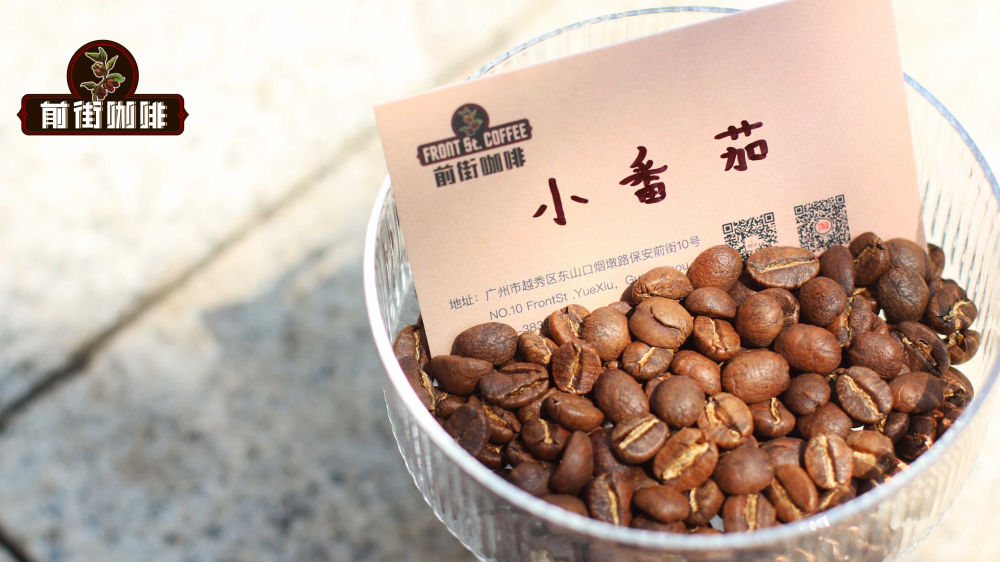
Kenya’s coffee bean grading system is highly stringent, primarily based on bean size, shape, and hardness. The grades, from highest to lowest, include: AA (or AA+), AB, PB, C, E, TT, and T. Among these, AA is the most common and most esteemed grade, with beans typically sized between 17 and 18 mesh (approximately 6.7 to 7.1 mm), usually offering the richest aroma and a well-balanced acidity and sweetness. AB grade consists of beans screened through A (6.80 mm) and B (6.20 mm) sieves, with sizes around 15 to 16 mesh (approximately 6.0 to 6.4 mm). Though slightly smaller in size, their flavor performance remains excellent. PB (Peaberry, also known as small round beans) occurs when only one seed fully develops inside the fruit, resulting in a small, round shape. Making up about 10% of total production, PB beans are often hand-selected for their concentrated flavors, which are favored by some coffee lovers. Grade E consists of defective beans where two seeds are fused due to abnormal development. Though larger in size (over 18 mesh), they are generally not considered specialty-grade.
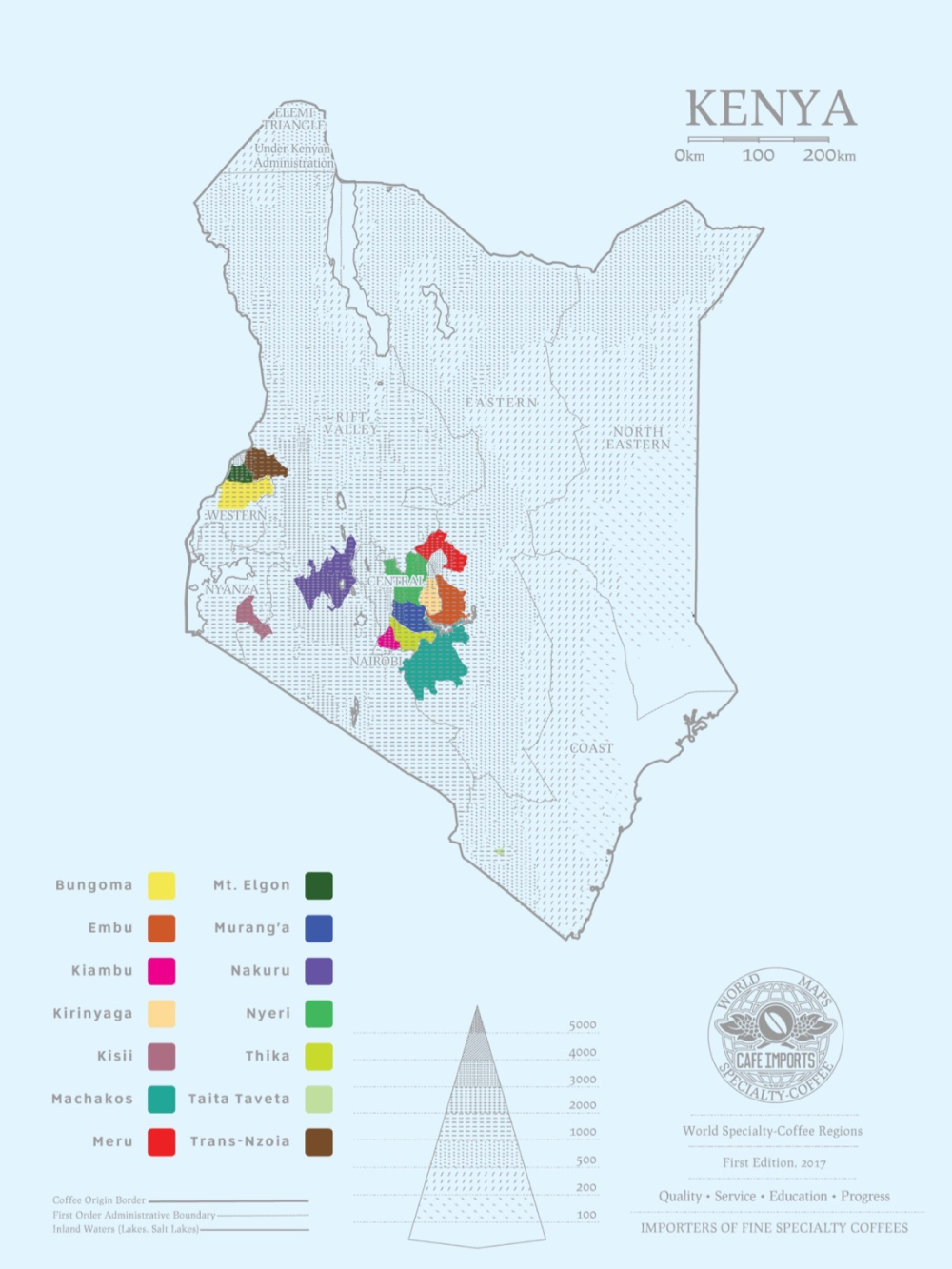
Kenya’s most renowned processing method is undoubtedly the K72 washed process, a technique that enhances flavor purity through multiple fermentations and washes. Take the Asali factory as an example—it is located in Kenya’s central Thika region, where high altitudes and volcanic-rich soils provide ideal growing conditions for coffee. On harvest day, farmers carefully select fully ripe cherries, depulp them, and then undergo the first 24-hour fermentation. The beans are thoroughly washed with clean water, and the fermentation and washing steps are repeated a total of three times, accumulating 72 hours of fermentation—hence the name K72. This process effectively removes impurities and undesirable flavors while highlighting the coffee’s bright acidity and fruity notes, resulting in a final brew that is clean, layered, and boasts a long-lasting aftertaste.
To brew a high-quality Kenyan coffee at home, it is recommended to use a V60 dripper, with water temperature controlled at around 90°C and a water-to-coffee ratio of 1:15. The grind size can be adjusted to approximately 80% passing through a Chinese No. 20 sieve (equivalent to a medium-fine grind). Specifically, start with a bloom using twice the amount of water (e.g., 30 grams of water for 15 grams of coffee beans) for 30 seconds to release carbon dioxide. Then, pour water in small circles up to 125 grams for the first pour, followed by subsequent pours until reaching 225 grams. Once pouring is complete, allow the drip to finish for about 2 minutes before removing the dripper. The brewed Kenyan coffee often carries subtle notes of jackfruit, floral scents, and pine, with a bright acidity reminiscent of dark plum, lemon, citrus, and cherry tomatoes. The finish offers a caramel-like sweetness and a silky, juice-like mouthfeel, presenting a striking contrast to the refreshing style of Ethiopia’s washed Yirgacheffe—truly a cup worth savoring for every coffee enthusiast.
The above content is compiled by CoffeeHunters, a coffee news website.


