







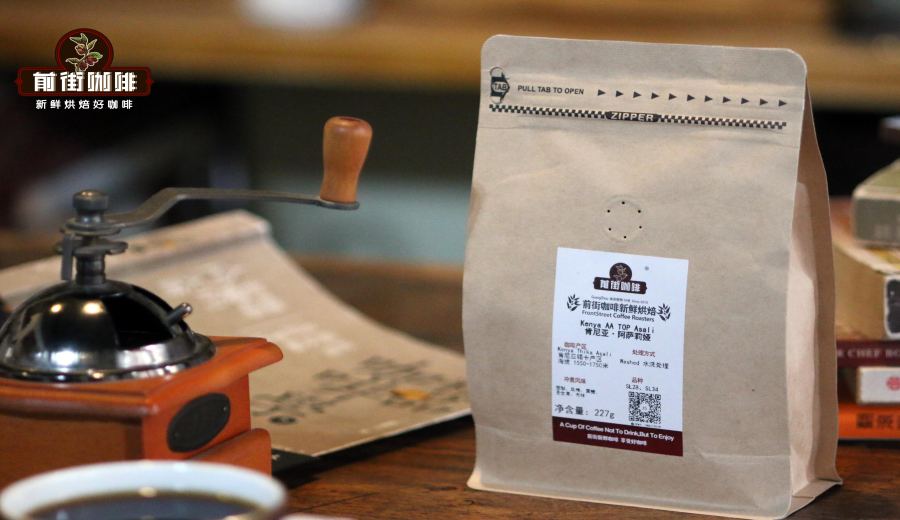
Introduction:Kenya AA coffee is renowned for its bright acidity and rich complexity, making it a classic choice for coffee enthusiasts exploring acidic flavor profiles. This article delves into its growing regions, the characteristics of the SL28 and SL34 varieties, the key steps of the K72 washed processing method, and offers practical pour over brewing parameters to help you fully appreciate the unique charm of this specialty coffee from origin to cup.
Kenya AA coffee has long been a popular choice for those new to acidic coffees due to its vibrant acidity and intense fruity aroma. This coffee not only delivers clear and layered flavors but also showcases exceptional cleanliness and complexity thanks to its processing methods and varietal traits. This article will comprehensively analyze the essence of Kenya AA—from regional geography, varietal background, grading system, processing techniques to practical brewing recommendations—offering a deeper understanding of the allure of this classic bean.
 In the specialty coffee world, Kenya AA is regarded as one of the benchmarks of high quality. Its flavor profile is both bold and layered, offering a bright acidity that is never harsh, often featuring notes of cherry tomato, black plum, and various berries. The overall flavor is well-balanced with a long-lasting finish. These qualities make it a top recommendation from many professional baristas for those just beginning to explore acidic coffees.
Kenya’s coffee-growing regions are primarily located in the volcanic highlands surrounding Mount Kenya, stretching from the capital Nairobi, at elevations of approximately 1600 to 2100 meters. This area enjoys a cool climate with significant diurnal temperature variations, and soil with a pH between 5.3 and 6.0. The acidic nature of the soil helps coffee cherries ripen slowly, allowing the beans to accumulate more aromatic compounds. The resulting acidity is more vibrant, while the bean structure is also firmer. This crescent-shaped fertile zone includes well-known regions such as Nyeri, Kirinyaga, Murang’a, and Thika, which are the main sources of Kenya’s specialty coffee.
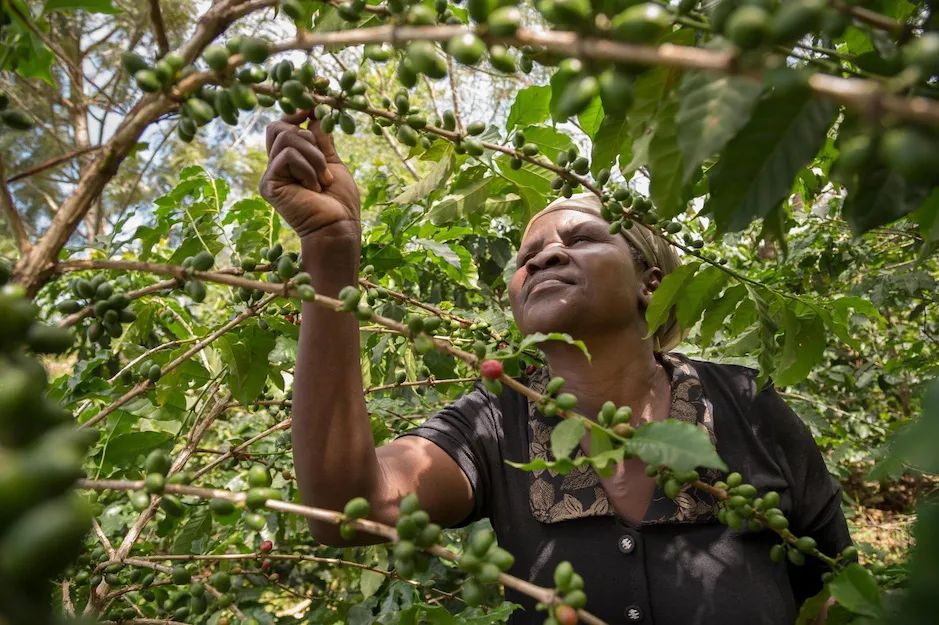 Coffee trees in Kenya typically have two main flowering periods, mostly concentrated between March and April, following the end of the long rainy season. The main harvest season runs from October to the end of the year. Additionally, some coffee trees flower in October or November, but the cherries do not mature until July of the following year. Notably, Kenyan coffee is harvested entirely by hand. Farmers pick only fully ripe red coffee cherries, and usually return to the same tree every ten days to ensure only optimally ripe coffee is selected, maintaining consistency and intensity of flavor.
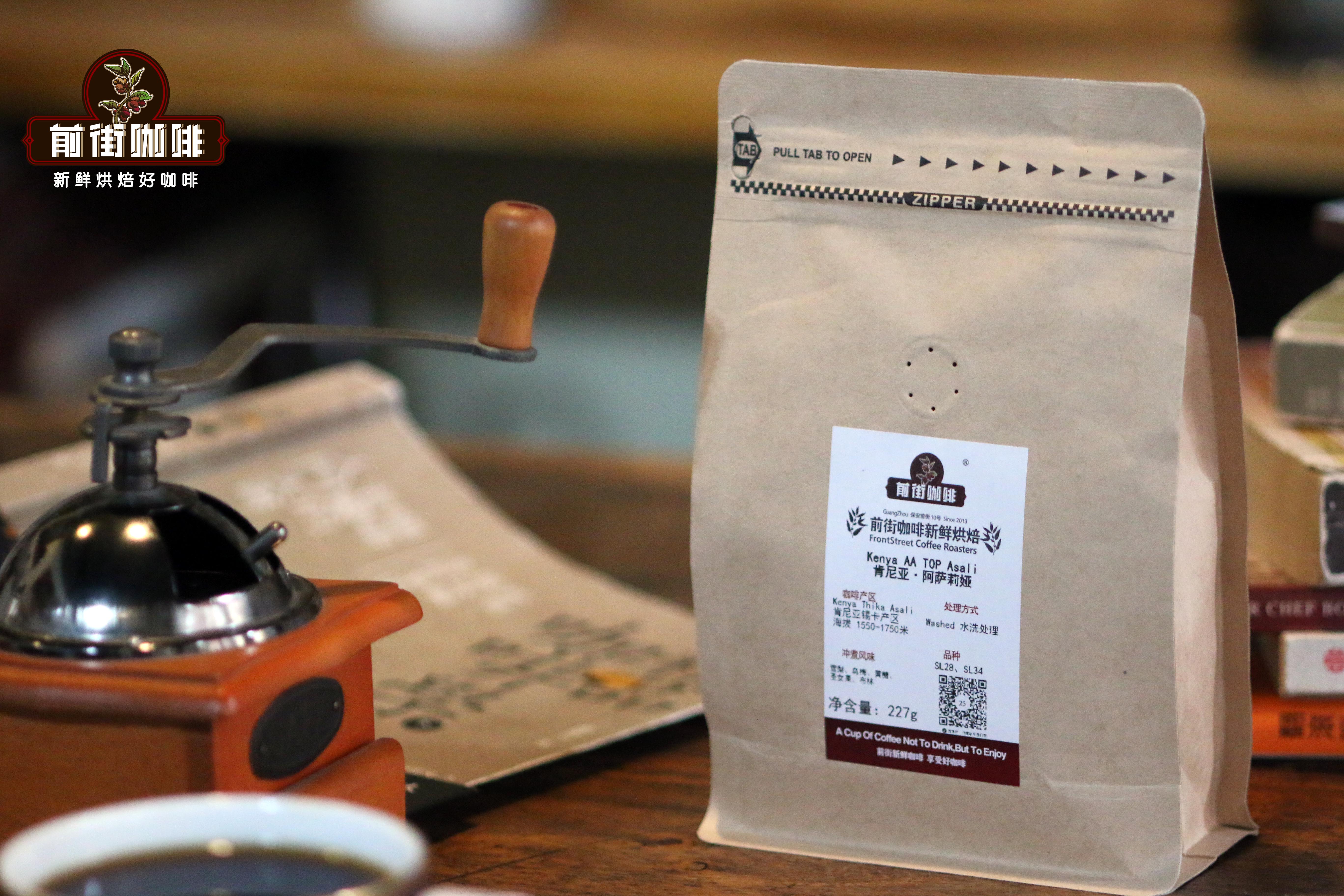
If you’ve purchased Kenya AA coffee beans, you may have noticed the varietal labels SL28 and SL34 on the packaging. These two varieties are among the most representative cultivars in Kenya, with the “SL” standing for Scott Laboratories. In the 1930s, tasked by the government to develop disease-resistant varieties to combat the then-widespread coffee berry disease, the laboratory bred several lines, among which No. 28 and No. 34 not only showed strong resistance but also exhibited outstanding flavor potential, leading to their widespread cultivation. Botanically belonging to the Bourbon family, these varieties express prominent acidity and sweetness in Kenya’s high-altitude environment, often showcasing complex notes of citrus and dark plum.
The grading system of Kenyan coffee is primarily based on bean size, with AA and AB being the most common grades and the main products in the market. AA grade refers to the largest beans, typically larger than 17/64 inch, and is considered to have the richest flavor potential.PB (Peaberry, round bean)is another special grade, accounting for only about 10% of total production. These beans develop with a single round seed instead of the usual two flat beans, resulting in higher density and more even heat exposure during roasting. They are often sorted and processed separately, commanding a relatively higher price. Peaberries usually exhibit more concentrated flavors and are highly sought after by coffee aficionados.
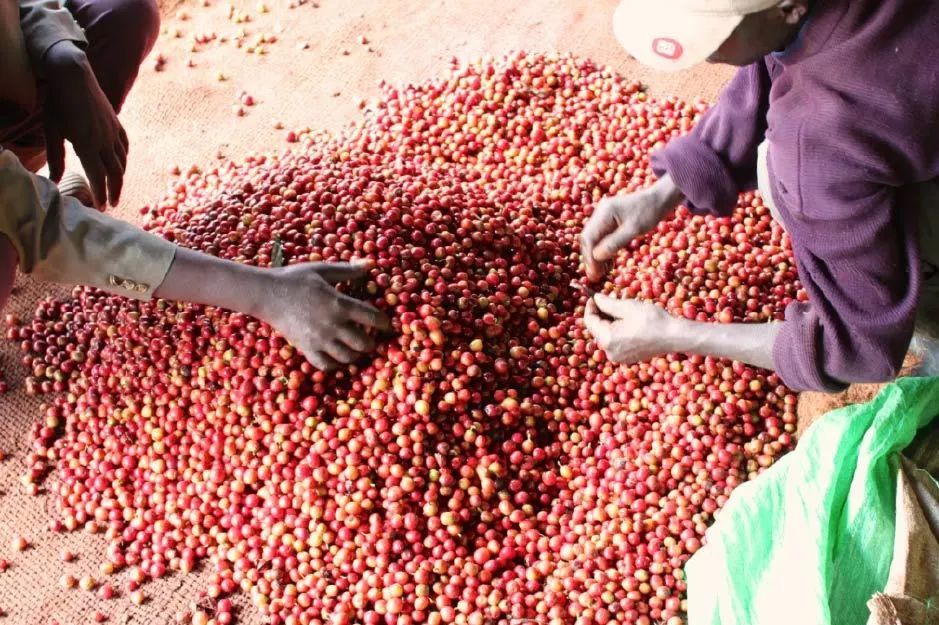 The distinctive fruity aroma and acidity of Kenyan coffee are largely attributed to its uniqueK72 washed processing method. This processing protocol is meticulous: after harvesting, the coffee cherries are first depulped to remove the outer skin and pulp, followed by a 24-hour initial fermentation, then rinsed clean. This is followed by a second 24-hour underwater fermentation, another rinse, and this cycle is repeated a total of three times. The entire fermentation and washing process accumulates to 72 hours. This lengthy and repeated fermentation effectively removes impurities and highlights the beans’ bright acidity and clean flavor profile.
In terms of roasting and brewing strategies, to preserve the classic traits of Kenya AA—its clear acidity and complex fruity and floral aromas—most roasters opt for a light roast. Through actual cupping and pour over testing, this coffee often reveals flavors such as nashi pear, plum, cherry tomato, dark plum, and brown sugar. For coffee lovers trying Kenya AA for the first time, starting with a pour over method is recommended to better appreciate its delicate and layered characteristics.
Brewing recommendations are as follows: use a V60 filter cone, with water temperature controlled at 92–93°C, a coffee dose of about 15 grams, and a brew ratio set at 1:15. Grind size can be referenced at grind setting 10 on an EK43s grinder, or approximately 80% extraction through a standard #20 sieve, equivalent to the coarseness of granulated sugar. The first pour is 30 grams of water for a 30-second bloom, followed by 95 grams of water (total around 125 grams), completed within about 1 minute. When the water level drops to two-thirds of the coffee bed, pour the remaining 100 grams of water (total around 225 grams), completed within about 1 minute and 35 seconds. The total brew time is approximately 2 minutes and 10 seconds, yielding a Kenya AA pour over coffee with bright flavors and clean acidity.
The above content is compiled by CoffeeHunters, a coffee news website.


