








Introduction:As one of Ethiopia’s most representative specialty coffee regions, Yirgacheffe is renowned for its unique fruity aromas and distinct floral notes. This article delves into the natural conditions and processing characteristics of the region, and provides a detailed explanation of the roast profile and pour over brewing recommendations for a washed Yirgacheffe coffee bean, helping coffee enthusiasts master key parameters and experience its bright, layered, and complex flavor profile.
Africa has always played a pivotal role in the global coffee supply chain, with Ethiopia and Kenya being the two most iconic producing countries. As the birthplace of coffee, Ethiopia still retains numerous wild coffee varieties, making it an important reservoir of coffee genetic diversity. The coffees produced here often feature bright acidity and bold aromatics, but compared to Central and South American coffees, they generally have a lighter body and more restrained sweetness.
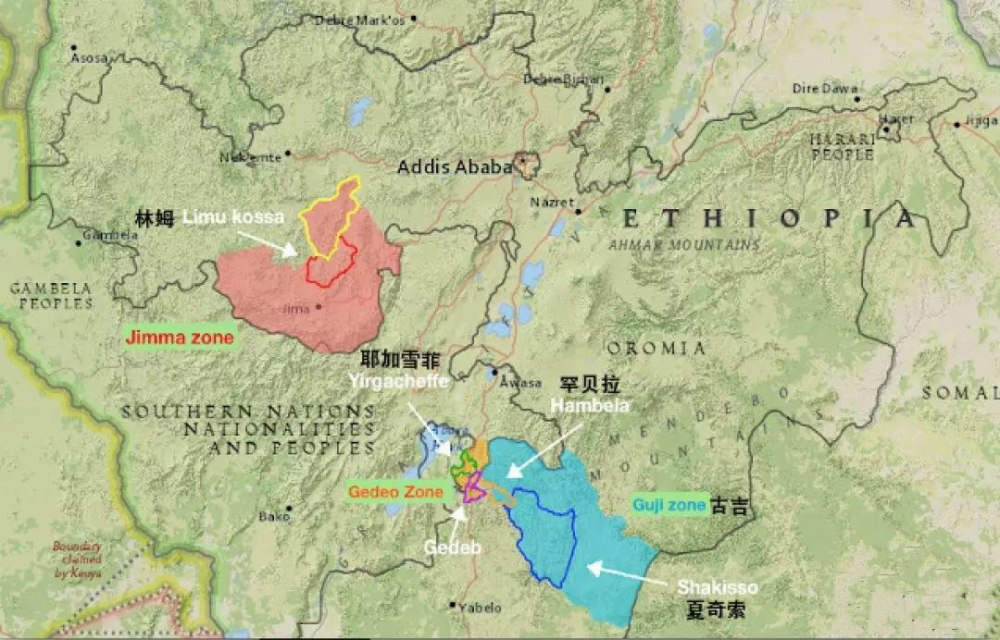
Although Yirgacheffe was once part of the Sidamo region, its exceptionally distinctive flavor profile has allowed it to stand out and become an independent and highly regarded specialty coffee micro-region. Its area includes not only the core town of Yirgacheffe but also surrounding sub-regions such as Wenago, Kochere, Gelena, and Abaya. According to the current grading system, grades prefixed with the letter A, such as Yirgacheffe A and Wenago A, typically indicate more stable quality and higher prices. In recent years, in addition to traditional washed and natural processing methods, the region has also experimented with innovative techniques such as honey processing and anaerobic fermentation.
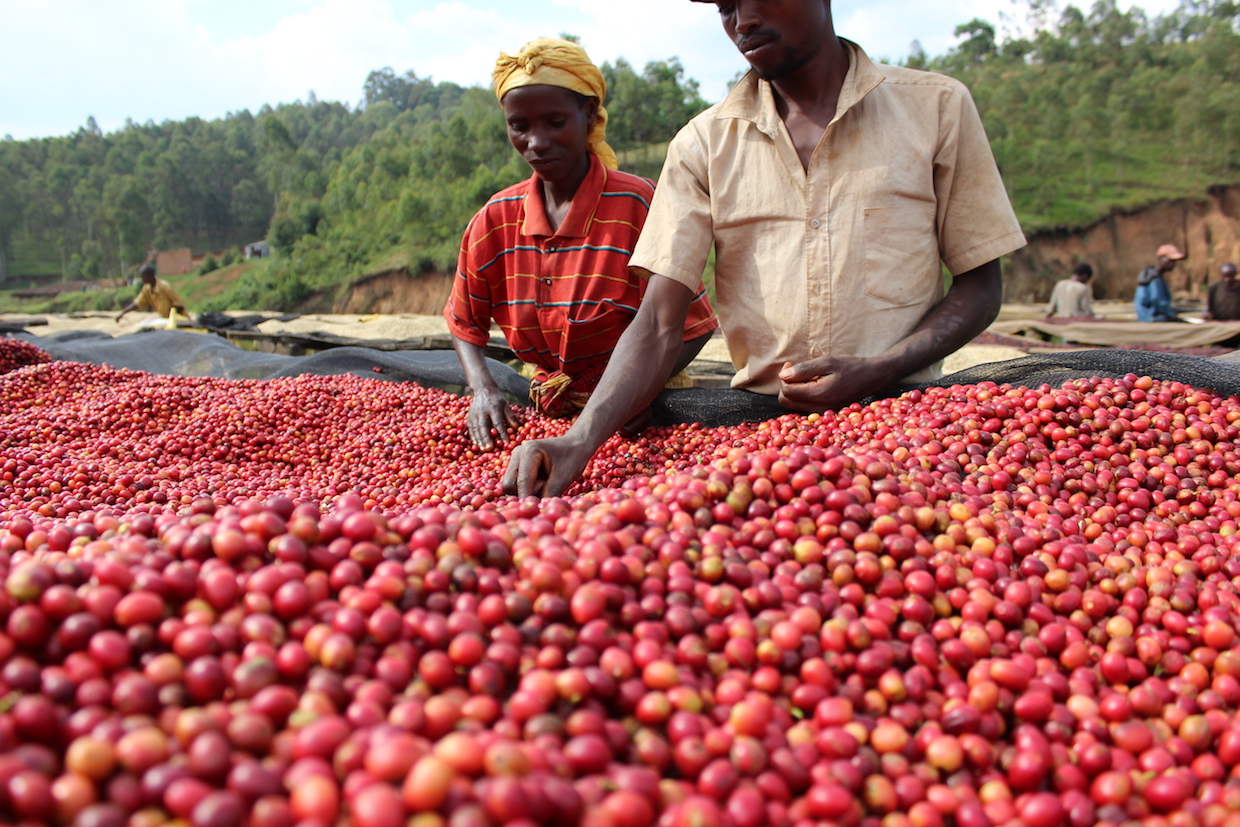
As the birthplace of coffee, Africa’s climate and geographical environment have nurtured many high-quality Arabica varieties, particularly concentrated in the East African highlands, such as Ethiopia, Kenya, and Rwanda. In contrast, some West African countries, such as Senegal and Cameroon, primarily cultivate Robusta. Ethiopia is not only the homeland of coffee but also one of the few places in the world that still preserves a large number of native and wild coffee genetic resources, making it of great academic and industrial value for breeding and variety research.
Overall, African coffees are commonly characterized by intense aromas and bright acidity, offering strong fruity and floral notes upon tasting, though their body and sweetness are often less prominent compared to other regions. Due to the dry climate and limited water resources in many areas, many coffee beans are processed using the natural method, resulting in more irregular bean shapes and slightly higher defect rates, but also imparting more unique regional flavors.
The Yirgacheffe region has an average altitude of between 1,800 and 2,000 meters and predominantly employs traditional garden coffee farming systems. This elevation and microclimate contribute to the region’s coffee’s pronounced acidity and delicate aromatic layers. The area mainly grows native coffee tree varieties, which have not undergone commercial modification and thus retain the most original flavor potential.
The ‘Guodingding Coffee Beans’ introduced in this article are grown at high altitudes in Ethiopia’s Yirgacheffe region, cultivated at elevations of 2,000 to 2,100 meters, produced by the local Guodingding Cooperative, and are of native variety, processed using the washed method. They are an excellent choice for experiencing the classic flavors of Yirgacheffe. These beans are known for their clean mouthfeel, prominent white floral notes, and bright citrus character, with a sweet lingering aftertaste, making them highly favored by professional baristas and coffee enthusiasts.
In terms of roasting, it is recommended to use a light-to-medium roast level to fully showcase its clear and bright acidity, good cup balance, and sweet finish.Roasting parameters are as follows: using a Yangjia 800N roaster, the charge temperature is 180°C. During the roasting process, around the 5-minute mark, the turning point is reached at 149.9°C. First crack begins at 8 minutes and 42 seconds at 183.8°C, and continues to develop for about 1 minute and 48 seconds, with the final roast ending at 193.5°C.
For pour over brewing, it is recommended to use a Hario V60 filter, with water temperature controlled at 90°C and a coffee-to-water ratio of 1:15. The grind size is set to medium-fine. The specific steps are as follows: first pour 30 grams of hot water for a 30-second bloom, then continue pouring with a steady and fine stream in a circular motion. At a total water weight of 125 grams, perform the first pour break. Wait for the water level to drop slightly and just before the coffee bed is exposed, pour again to reach a total of 225 grams. Then stop pouring and let the coffee drip through the filter until almost all the water has dropped. The total brew time is approximately 2 minutes, starting from the bloom.
After brewing this Yirgacheffe Guodingding coffee using pour over, the flavor profile initially presents clear citrus and black tea aromas. As the temperature slightly drops, the mid-palate reveals soft layers of cream, caramel, and almond, with a distinctly sweet finish. The overall mouthfeel is clean and refreshing, with balanced acidity and sweetness and well-defined layers, making it an excellent choice for those new to Yirgacheffe or practicing pour over techniques.
The above content is compiled by CoffeeHunters, a coffee news website.


