







Introduction:A well-known coffee brand’s Sidamo Huakui coffee beans have long been celebrated for their unique berry acidity and fermentation aromas, but the 2022 6.0 batch sparked discussion due to shipping delays and a higher-than-usual defect rate. This article delves into the origins of Huakui, the background of the Hambella region processing farm, explains why the brand switched to a sun-dried version from the same region, and provides practical pour over recommendations along with a complete flavor profile to help you master the brewing essentials of this classic bean.
The “Huakui” coffee beans from Ethiopia’s Sidamo region have long delighted many coffee enthusiasts with their captivating berry acidity and complex fermentation aromas. 2022 marked the sixth year of Huakui’s popularity, and as per tradition, the 6.0 batch was released. However, that year faced challenges such as tight international shipping resources and customs clearance delays due to the Shanghai pandemic, causing the first shipment of Huakui 6.0 to arrive in Guangzhou only in mid-April, further affecting the subsequent supply rhythm.
The brand did not receive the 6.0 batch green beans until the end of May. Upon opening the package, they found an overall higher defect rate and immediately communicated with the importer Hongshun. It was confirmed that not just this brand, but many other businesses reported the same issue. Hongshun officially provided further clarification in mid-June, pointing out that insufficient rainfall during the early growth stage of coffee cherries at the end of 2021 was the main reason for the increased defect rate. To maintain stable quality, the brand ultimately decided not to sell this batch and instead introduced a new season’s sun-dried Huakui from the same region and processing farm (Buku Abel), imported by Hongshun.
Many consumers wonder, if it’s not the 6.0 batch, why can it still be called Huakui? In fact, the name “Huakui” was not an official designation originally. In 2017, a naturally processed Ethiopian heirloom variety coffee bean from the Buku Abel processing farm in the Hambella region, owned by DW Company, won the sun-dried category at the TOH (Ethiopia Tea & Coffee Tasters Championship). It gained attention after a domestic barista used it in a competition, defeating Geisha and achieving outstanding results. Since then, Hongshun has imported this bean, and due to its excellent performance, the industry began referring to it as “Huakui.” It should be noted that “Huakui” is a commonly used name in the Chinese market, while internationally it is still called the Hambella sun-dried Ethiopian heirloom variety.
Ethiopia, as a genetic treasure trove of coffee varieties, is home to numerous heirloom types. However, due to complex classifications and government restrictions on public information, the industry generally refers to them collectively as “Ethiopian heirloom varieties.” Each year, natural conditions such as climate and soil vary, leading to differences in coffee quality. As a result, the harvest seasons are distinguished by “X.0,” such as the original Huakui in 2017, followed by 2.0, 3.0, up to the 6.0 of 2022.
DW Company operates several processing farms in the core Hambella region of Dimtu, including Buku Abel, Buku Saysay, Haro Soresa, and Tirtiro Goye, with a total annual output of about 1,100 tons. However, only a specific micro-region within the Buku Abel processing area was the origin of the 2017 Huakui. Therefore, strictly speaking, only the sun-dried Ethiopian heirloom varieties produced by Buku Abel qualify to be called “Huakui X.0.”
Through yearly cupping, the brand found that the 2017 Huakui excelled in body and aftertaste, but in subsequent seasons, despite efforts to maintain standards, it was difficult to replicate the flavor heights of that year. In 2018 and 2019, they detected aroma characteristics similar to 2017 in some small-sized coffee beans from the Buku processing farm. Further analysis revealed that these aromas mainly came from a small amount of very small-sized varieties in that batch. After validation in 2018 and 2019, the brand relayed this finding to the supplier, prompting the division of Huakui into two series starting in 2020: “Huakui X.0” and “Small-Bean Huakui.”
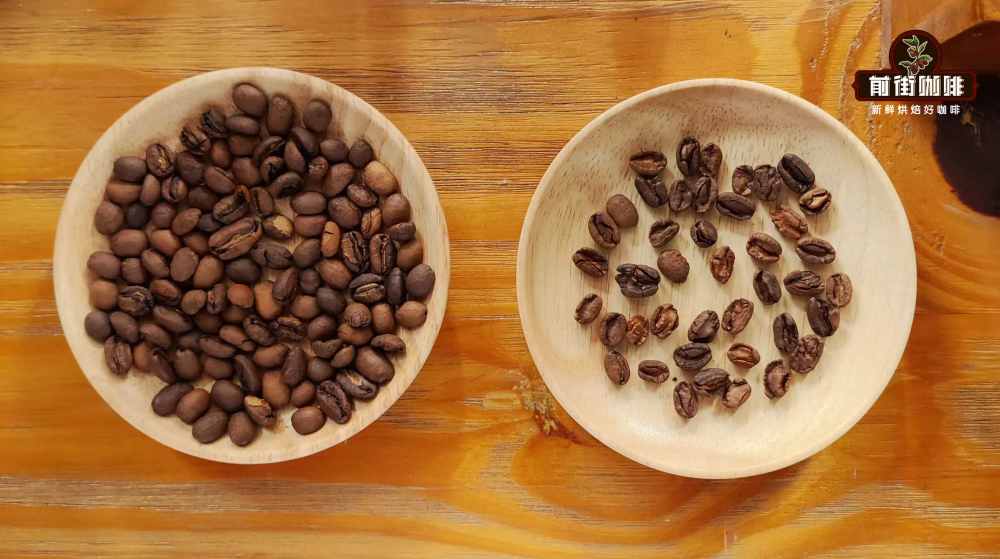
To fully showcase the rich juiciness and fermentation layers of Huakui coffee beans, the brand recommends a light roast. According to cupping results, the new season Huakui displays a rich berry sweet-and-sour profile, with tropical fruit fermentation aromas, and a lingering aftertaste reminiscent of black tea. The coffee beans received by consumers are all from fresh batches roasted within five days, ensuring optimal flavor expression.
For brewing recommendations, there’s no need for overly complicated equipment or techniques—using a V60 dripper with a three-stage extraction method is sufficient. The suggested grind size is medium-fine (about 75% extraction rate through a Chinese 20-number standard sieve), with water temperature controlled at 90°C, and a coffee-to-water ratio set at 1:15. This setup allows you to easily extract the delicate flavors of Huakui.
The specific brewing process is as follows: first, pour 30 grams of water for a 30-second bloom; then, pour water in small circles up to 125 grams, wait until the bed moisture is reduced by half, and continue pouring to 225 grams. The total dripping time is approximately 2 minutes and 20 seconds to 2 minutes and 30 seconds. This way, you can enjoy a well-balanced, layered Huakui pour over coffee.
The new season Huakui from this brand features a clear flavor profile, including passion fruit, fermented wine notes, strawberry, jackfruit, and black tea, making it ideal for coffee lovers who enjoy a blend of fruity and fermented notes. With the right extraction parameters, even beginners can easily brew a high-quality cup of Huakui.
The above content is compiled by CoffeeHunters, a coffee news website.


