







Introduction:Delve into the washed and natural processing methods of the Kochere region in Yirgacheffe, exploring everything from regional background and green bean characteristics to cupping and pour-over performance. This comprehensive analysis highlights the flavor differences between the two methods. It also introduces the origins and practices of the Red Cherry Project, helping coffee enthusiasts understand how processing methods deeply influence flavor and enhance their ability to select beans and refine brewing techniques.
In the world of specialty coffee, processing is one of the key factors that determine the flavor direction of coffee beans. Even beans from the same origin—such as Ethiopia’s Yirgacheffe Kochere—washed and natural processing can result in vastly different personalities and layers of flavor. This article uses the Kochere region as the focal point, comparing and analyzing the actual differences between washed and natural coffee beans through aspects such as green bean appearance, roast settings, cupping performance, and pour-over flavors. It also introduces the original intention and operational model of the “Red Cherry Project,” further deepening your understanding of the care behind high-quality coffee.
Processing is so important because it plays an extremely critical role in the transformation of fresh coffee cherries into green beans. In addition to variety, altitude, and microclimate, the processing method significantly impacts the final flavor profile. Generally speaking, washed coffee tends to exhibit a clearer, cleaner flavor profile with bright acidity, often featuring citrus, green tea, or white floral notes, and an overall more transparent tone. In contrast, natural processing enhances the fermentation process of the fruit pulp and mucilage, giving the coffee richer fruit, wine-like aromas, and a fuller body, usually resulting in bolder and more layered flavors.
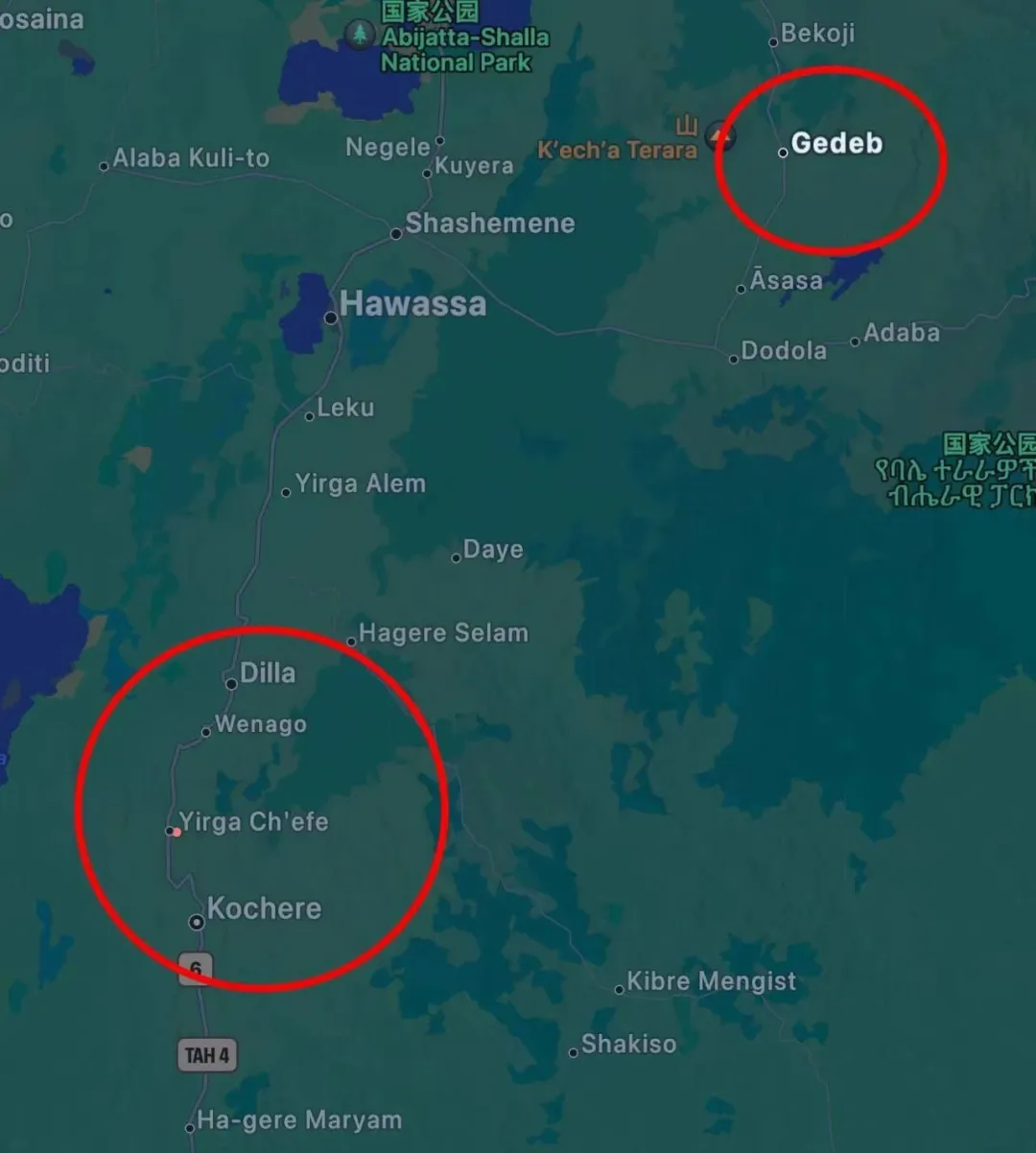
Taking the Kochere region in Yirgacheffe as an example, we can clearly observe the specific differences brought by the washed and natural processing methods. Located about 25 kilometers southeast of Yirgacheffe, Kochere is one of the most representative micro-regions in the area and a renowned specialty coffee origin in Ethiopia. The elevation here mostly ranges between 1,650 and 1,800 meters, with a cool climate and fertile soil—ideal conditions for growing high-quality Arabica coffee. Local smallholder farmers typically deliver harvested coffee cherries to cooperative processing facilities for standardized washed or natural processing, strictly adhering to G1-grade production standards.
Kochere is not only an important part of Yirgacheffe but is also surrounded by other well-known regions such as Wenago, Gelena, Abaya, and Gedeb, collectively forming the core flavor circle of Yirgacheffe. The coffee from this area generally offers bright aromas of lemon, jasmine, citrus, and honey, with clean and distinct layers, making it highly favored by international buyers and tasting panels. Among them, Kochere’s washed beans have even received a high score of 94 from the renowned review website Coffee Review, showcasing its outstanding quality.
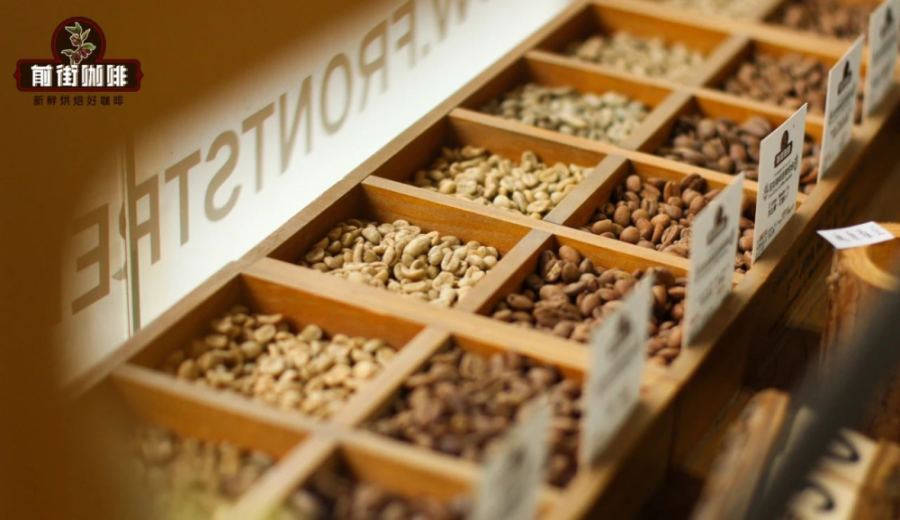
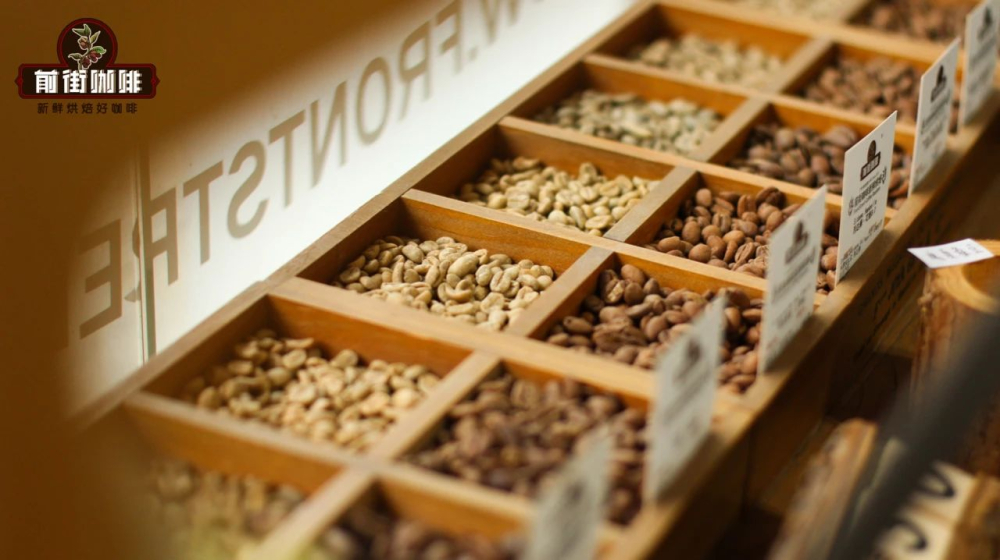
In terms of green bean appearance, washed beans are usually green to light green in color, with the silverskin already removed. They appear clean and possess a special luster, along with relatively low defect rates. Natural beans, on the other hand, retain the mucilage and silverskin, resulting in a yellowish-green hue, plumper beans, and often visible signs of natural fermentation. Screening for defective beans requires more precision. Taking the Yirgacheffe Kochere washed and Red Cherry natural beans compared in this article as examples, both belong to the G1 grade, but they already show clear differences in green bean state, laying the groundwork for subsequent roasting and extraction flavor variations.
For roasting, we used the Yangjia 800N machine and designed distinct roast profiles for the two beans. The Red Cherry natural entered the drum at 200°C, with a turning point around 1 minute and 35 seconds. First crack started at 9 minutes and 25 seconds, with a development time of 1 minute and 40 seconds. The drop temperature was 196°C, bean color value was 74.7, and Roast Delta was 0.316. This medium-light to medium roast setting helps highlight fruity and fermented layers. Meanwhile, the Kochere washed had similar entry conditions, but first crack began at 8 minutes and 53 seconds, with a development time of 1 minute and 45 seconds. The drop temperature was 195°C, bean color value was 62.7, and Roast Delta was 21.8. The overall roast level is slightly darker, helping to bring out a clean acidity and citrus tone.
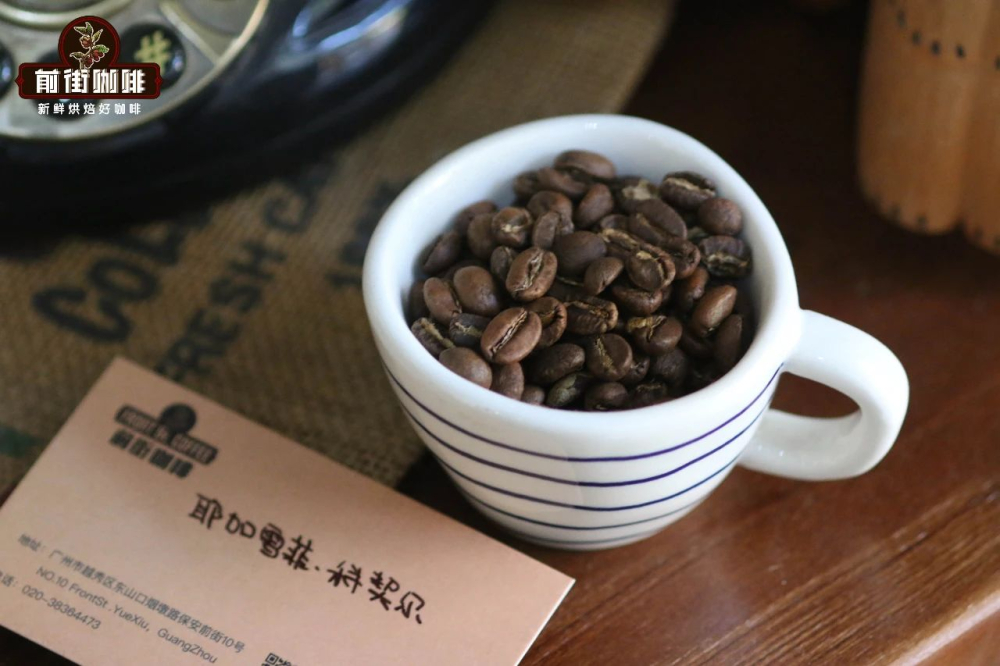
Cupping results showed that the Red Cherry natural exhibited intense berry, lemon, strawberry, and fermented wine aromas, with pronounced acidity and sweetness alongside caramel and creamy aftertastes. The overall flavor is bold and layered. In contrast, the Kochere washed showcased bright lemon acidity, green tea notes, jasmine, and citrus tones, with a clean and refreshing mouthfeel and a honey and oolong tea softness in the aftertaste. Its flavor profile is more focused and balanced.
In actual pour-over performance, using 15 grams of coffee, a 1:15 coffee-to-water ratio, 90°C water temperature, and the BG-5R filter, the Red Cherry natural highlighted lemon, licorice, berries, and sweet orange as its main flavor axis. It had a high sweetness level and an aftertaste with black tea and creaminess, presenting a rich and rounded profile. The Kochere washed emphasized lemon, floral, mandarin, and cane sugar notes. The flavor was clean, with a honey aroma and oolong tea aftertaste in the finish, making it ideal for those who prefer clean acidity and fruity layers.

Finally, one cannot overlook the “Red Cherry Project” (ORC). Launched in 2007 by Dutch green coffee importer Trabocca, this quality enhancement initiative aims to uncover hidden gems from Ethiopia’s high-altitude regions through strict harvesting and processing standards. The project requires farmers to harvest only fully ripe red cherries, which are then meticulously hand-sorted—particularly emphasizing the participation and training of women. Coffee under the Red Cherry Project is not only produced in limited quantities—typically between 1,500 and 3,000 kilograms—but also undergoes rigorous cupping evaluations by tasters in both Ethiopia and the Netherlands. Those that pass qualify for international auctions, often fetching prices several times higher than regular coffee.
The Red Cherry Project encompasses various processing methods, including washed, natural, semi-washed, and experimental processes, spanning multiple renowned regions such as Yirgacheffe, Sidamo, and Harrar. Trabocca has also invested in improving local infrastructure, providing modern sun-drying racks, shade nets, and financial support, all aimed at long-term enhancement of coffee quality and farmer income. The success of this project not only allows consumers to enjoy richer and more layered coffee flavors but also shows us a future for the coffee industry that values both sustainability and quality.
The above content is compiled by CoffeeHunters, a coffee news website.


