








Introduction:Although Ecuador is not a major coffee-producing country, it boasts diverse terroirs and unique varieties. From the Andes Mountains to the Galápagos Islands, each producing region offers distinct flavor profiles. This article takes an in-depth look at the Hacienda La Fortuna, renowned for its anaerobic washed Geisha, explores the secrets behind its COE high score, and provides professional pour over parameters and flavor guidance to help you master the brewing techniques for this high-altitude coffee.
Located in South America, nestled between Colombia and Peru, Ecuador’s coffee cultivation history dates back several centuries. The majority of coffee farming in the country is carried out by smallholders, with about 80% of coffee-growing areas covering less than five hectares, 13% between five and ten hectares, and only 7% exceeding ten hectares. Notably, around 20% of the nation’s approximately 300,000 hectares of coffee-growing land involves illegal occupation.
The country features multiple coffee-growing regions with vastly different styles, each showcasing unique microclimates and variety characteristics. For example, in the western foothills of the Andes south of Guayaquil and the coastal hills of Manabí Province,Intag Valleyprimarily produces Arabica coffee, which typically features a well-balanced profile of bright acidity, sweet body, and mild bitterness—ideal for coffee lovers who prefer a fresh cup. (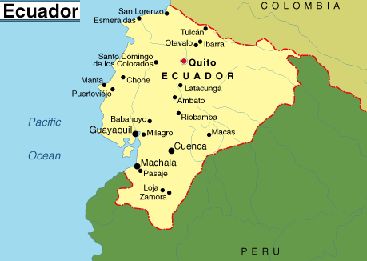 )
Moving to the northwest,Pichincha Provincemainly cultivatesRobustavarieties, offering a stark contrast to the more common Arabica and catering to consumers who prefer bold flavors or use coffee for instant drinks and espresso.
When it comes to special protection and ecological management,the Galápagos Islandsare undoubtedly the focal point. Located directly on the equator, these islands are home to numerous endemic species and have been designated a UNESCO "Human and Natural Heritage" site. Due to the extremely sensitive ecosystem, local laws strictly prohibit the import and use of fertilizers, herbicides, pesticides, and other chemical agents, resulting in an almost entirely natural farming environment.
In southern Ecuador, adjacent to the Andes, lies theLoja region, one of the highest-altitude coffee-growing areas in the world, with elevations ranging from 1,450 to 2,000 meters. This region is not only a key hub for coffee exports but also primarily grows improved Typica varieties using the washed processing method, with many plants cultivated under shade. The area’s distinctive variable climate, high altitude, and fertile soil together produce coffee beans with rich and layered flavors.
Ecuadorian coffee beans have long received mixed reviews in the international market—some batches are exceptional, while others are average. However, in recent years, a Geisha coffee fromHacienda La Fortuna in the Loja regionhas stood out and garnered significant attention.
Hacienda La Fortuna is a young specialty coffee farm that began focusing on organic premium coffee cultivation in 2017. Currently, the farm mainly grows well-known varieties such as Geisha, Wushwush, and SL28, and is committed to organic and sustainable farming practices. The Geisha coffee introduced here is processed usinganaerobic washed method, where the farm owner precisely controls the anaerobic time, pH, and temperature during fermentation. This successfully preserves the original bright and fresh notes of Geisha while adding greater complexity and depth—a key reason it ranked fourth in the 2022 Ecuador Cup of Excellence (89.10 points).
This coffee is medium-light roasted and, after cupping, reveals distinctchamomile, lemon, honeydew melon, and Longjing green teaflavor notes, combining freshness with a honey-like sweetness and a long, memorable finish.
If you’d like to try brewing this special Geisha at home, here are the professionally recommended parameters:
- Filter:Hario V60
- Brewing water temperature:90°C
- Coffee dose:15 grams
- Coffee-to-water ratio:1:15
- Grind size:Approximately 80% passing through a Chinese Standard No. 20 sieve (equivalent to medium-fine grind)
Specific steps are as follows: First, pour 30 grams of hot water fora 30-second bloom, then slowly circle the water from the center outward with a thin stream until reaching 125 grams. When the water level is about to expose the coffee bed, continue pouring in circles until225 grams. The total extraction time is recommended to be around2 minutesto fully release its unique aroma and layered flavor profile.
The above content is compiled by CoffeeHunters, a coffee news website.


