







Introduction:From the rich herbal notes of Southeast Asia to the bright fruity aromas of the African highlands, Golden Mandheling and Yirgacheffe represent two extreme directions of coffee flavor profiles. This article delves into the origin characteristics, processing methods, and roasting strategies of these two classic beans, and provides professional pour-over recommendations to help you choose the right coffee beans based on your taste preferences, while mastering key brewing parameters to bring out their optimal flavor expressions.
Coffee preferences vary from person to person—some enjoy bright acidity and fruity notes, while others prefer the bold flavors of chocolate and nuts. Golden Mandheling and Yirgacheffe are quintessential representatives of these two styles—the former hails from Sumatra, Indonesia, showcasing intense dark chocolate, herbal, and nutty aromas; the latter originates from Ethiopia, renowned for its vibrant floral, citrus, and honey sweetness. This article offers a comprehensive comparison of these two highly acclaimed coffee beans, covering everything from origin environment and variety traits to processing techniques, roasting, and brewing methods, along with practical brewing parameters to help you better understand the fundamental differences between Asian and African coffee beans.
Golden Mandheling is often considered the preferred coffee type among men, due to its steady, low-acid, and full-bodied profile; whereas Yirgacheffe is widely favored by women for its refreshing and lively taste with floral and fruity notes. Whether you're a beginner coffee enthusiast or a seasoned connoisseur seeking a reliable daily bean, understanding the characteristics of these two beans can help you make a more suitable choice.
Yirgacheffe Coffee: The Soulful Flavor of Ethiopia
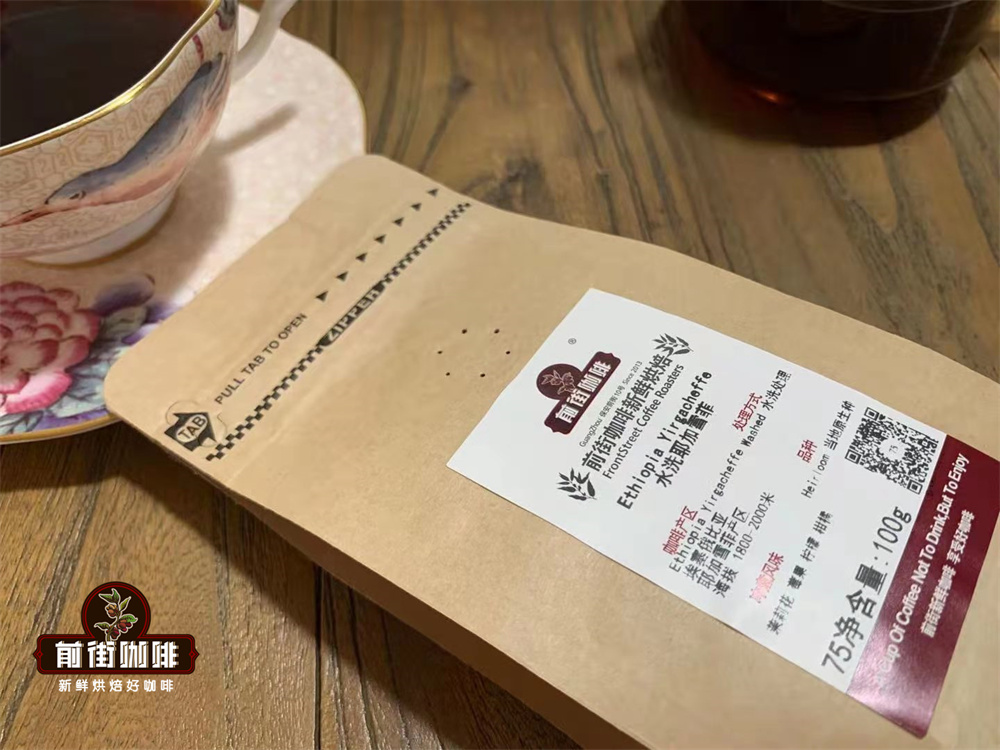
Yirgacheffe is one of Ethiopia's most representative specialty coffee regions and holds a pivotal position in the global specialty coffee market. The washed Yirgacheffe produced in this area is famed for its delicate floral notes, citrus acidity, and honey-like sweetness, making it a popular choice for many coffee beginners. It’s worth noting that Ethiopia boasts an extraordinarily rich coffee gene pool, with many varieties not yet fully classified—thus, most Yirgacheffe beans on the market are labeled as "Heirloom." These Heirloom varieties often vary in size, mixing long and round beans, yet this also contributes to their unique and complex flavor profiles.
Golden Mandheling Coffee: The Bold Classic of Sumatra
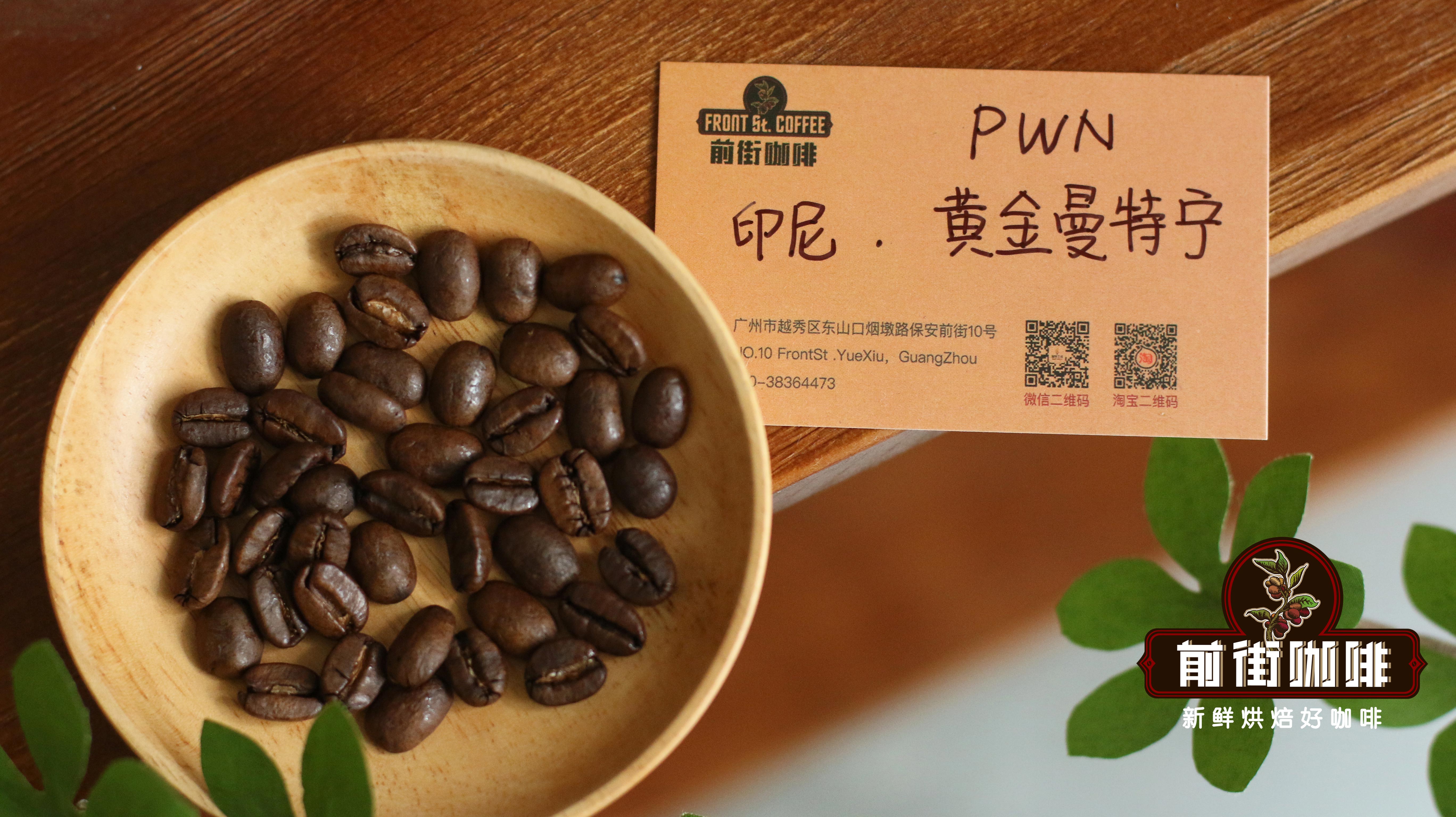
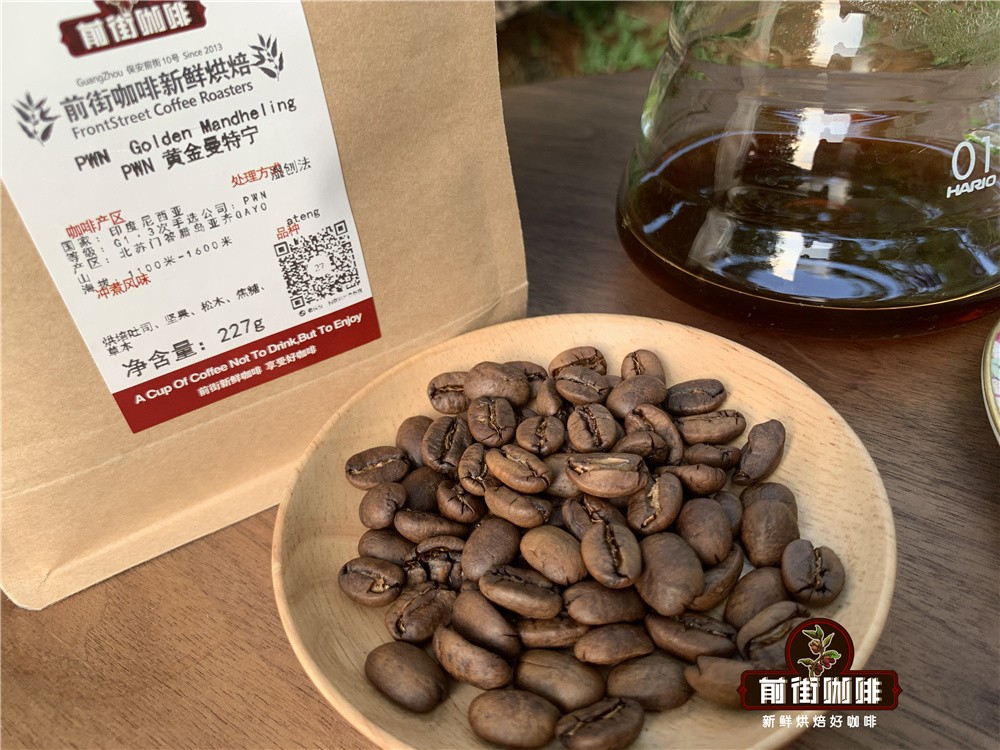
Golden Mandheling is produced in the Gayo Highlands of Aceh Province in northern Sumatra, Indonesia, at elevations of approximately 900 to 1,600 meters, and belongs to the Arabica species. This region features a tropical rainforest climate, with average annual temperatures of around 25 to 28°C, stable weather, and abundant rainfall, providing ideal growing conditions for coffee trees. The term "Golden Mandheling" does not refer to a coffee grade, but rather is a trademark registered by Indonesia’s PWN (Pusat Penyangga dan Pemasaran Kopi Nusantara). It represents strictly selected high-quality Mandheling beans. All Golden Mandheling from this origin comes from PWN, and each batch undergoes at least three rounds of manual sorting after harvest and processing, ensuring fewer than 3 defective beans per 300 grams—meeting the G1 top grade. The beans are plump and dark green in color.
Main Processing Method of Ethiopian Yirgacheffe: Advantages of Washed Processing
Initially, Yirgacheffe was primarily processed using the natural (sun-dried) method, but it was later discovered that washed processing better highlights its bright acidity and crisp mouthfeel, gradually becoming the mainstream. Washed processing preserves the terroir characteristics of the origin and delivers a cleaner flavor profile, thus widely used in specialty coffee. Its process includes: removing the pulp and skin, then fermenting the mucilage-covered beans in water for 12 to 36 hours, followed by washing in water tanks to remove residual mucilage, and finally drying via sun or mechanical means until the moisture content reaches about 12%. This process retains the silverskin layer, which is also one of the distinct features of washed beans.
Processing Method of Sumatran Golden Mandheling: Unique Flavors from Wet-Hulling
Due to Sumatra’s persistently humid and rainy climate, which is unsuitable for sun drying, local coffee farmers commonly use the wet-hulling method (Giling Basah). This technique involves initial water fermentation, then removing the parchment layer from the semi-dried beans before final drying. This special processing imparts unique herbal, medicinal, and earthy aromas to Mandheling, creating a distinctive character that sets it apart from other origins. Golden Mandheling also follows this traditional method to ensure its bold and consistent flavors.
Roasting Differences Between Golden Mandheling and Yirgacheffi
As Golden Mandheling is an Asian bean with a naturally heavier body and unique herbal nuances, roasters typically opt for a medium-dark roast to enhance its full-bodied richness and chocolate-like finish. In contrast, Yirgacheffe, being an African bean with a lighter body and bright acidity, suits a light roast to highlight its floral and fruity notes and citrus tones. Moreover, Yirgacheffe mostly consists of small beans (a mix of Heirloom varieties), which do not tolerate high temperatures or prolonged roasting, thus requiring shorter roast times to preserve its delicate flavors.
Pour-Over Recommendations and Parameter Settings
To fully showcase the potential of the coffee, it is recommended to use freshly roasted beans, ideally within 5 days of roasting, and after a 4 to 7-day degassing period. If purchasing pre-ground coffee, note that ground coffee begins oxidizing immediately upon grinding—use it promptly to retain optimal flavor.
Yirgacheffe Brewing Parameters (Suitable for V60 Dripper):
• Temperature:90°C
• Coffee Dose: 15 grams
• Coffee-to-Water Ratio: 1:15
• Grind Size: Medium-fine (approximately 80% passing through a #20 Chinese sieve)
• Dripper: Hario V60 (spiral ridges help improve flow rate and extraction uniformity)
These parameters help extract Yirgacheffe’s lemon acidity, citrus aroma, and black tea-like finish, resulting in a bright and layered cup.
Golden Mandheling Brewing Parameters (Suitable for Kono Dripper):
• Temperature:88°C
• Coffee Dose: 15 grams
• Coffee-to-Water Ratio: 1:15
• Grind Size: Medium-fine (approximately 70% passing through a #20 sieve)
• Dripper: Kono (low ridges extend water-coffee contact time, enhancing body)
This combination emphasizes Mandheling’s nutty, dark chocolate, and caramel notes, with a sweet and well-balanced finish.
Flavor Comparison Summary
Washed Yirgacheffe:Bright acidity, led by lemon and citrus, with honey-like sweetness and a subtle black tea finish—overall fresh and vibrant.
Golden Mandheling:Rich and layered flavors, grounded in herbal, dark chocolate, and nutty notes, with a pronounced caramel and cocoa aroma in the finish, offering a long-lasting aftertaste.
Whichever style you prefer, these two classic coffee beans offer distinctly different taste experiences. Exploring their characteristics will help you gain a deeper understanding of the diversity and depth of the coffee world.
The above content is compiled by CoffeeHunters, a coffee news website.


