







Introduction:Vietnamese coffee is renowned for its rich, sweet, and uniquely bold flavor, making it the world's second-largest coffee producer. This article delves into Vietnam’s main coffee varieties, the characteristics of French-style roasting, and the perfect pairing of classic drip filters with sweetened condensed milk. From the laid-back atmosphere of Hanoi street-side cafés to the flavor differences among five well-known brands, it also provides practical brewing tips and blend recommendations to help you fully appreciate the charm of Vietnamese coffee.
Vietnam is the world’s second-largest coffee producer, only after Brazil. Its coffee, known for its bold, sweet, rugged yet romantic flavor, holds a unique place in the hearts of coffee lovers worldwide. This style is shaped by Vietnam’s distinctive climate conditions, primary coffee varieties, and unique brewing methods. This article will begin with the four main types of Vietnamese coffee beans, explore the tradition of French-style roasting, introduce the classic combination of drip filters and condensed milk, take you through the leisurely vibe of Hanoi street cafés, and detail the characteristics of five representative brands—G7, Trung Nguyen, Vinacafé, Rolling Stone, and Saigon. At the end, we’ll also recommend a classic blend of freshly roasted coffee beans ideal for home brewing, allowing you to easily experience the captivating taste of Vietnamese coffee.
 Vietnam’s coffee cultivation is primarily concentrated in the southern highlands, where the climate is hot, dry, and humid, with average temperatures ranging between 32°C and 38°C—an ideal environment for coffee trees. The main bean varieties used in Vietnamese coffee include Arabica, Robusta, Cherry, and Catimor, with Robusta accounting for about 90% of production. This variety is known for its bold flavor and high caffeine content, and its quality is considered quite outstanding globally. To better preserve and highlight the authentic taste of French coffee, Vietnam employs a unique roasting method, often incorporating local cream, butter, and various herbal seasonings. This roasting technique inherits the romantic coffee craftsmanship of France and, after a century of development, has formed a distinctly Vietnamese coffee flavor. Every cup of rich Vietnamese coffee is slowly dripped through a unique filter, then mixed with local sweetened condensed milk. Blended from four types of beans, it offers a flavor that is both sweetly indulgent and ruggedly bold, full of exotic charm—especially when served over ice, it becomes a globally celebrated French-style iced coffee. Vietnamese coffee is generally low in acidity, moderately bitter, and offers an exceptionally balanced overall taste.
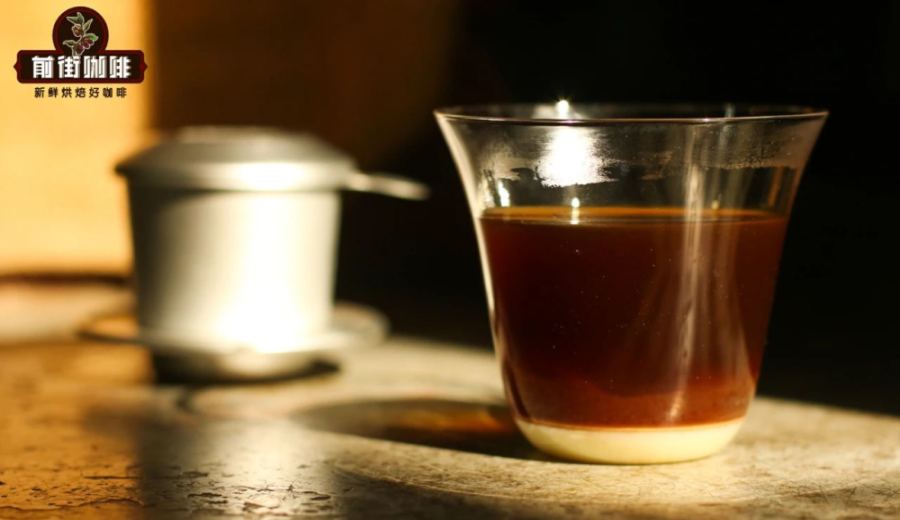
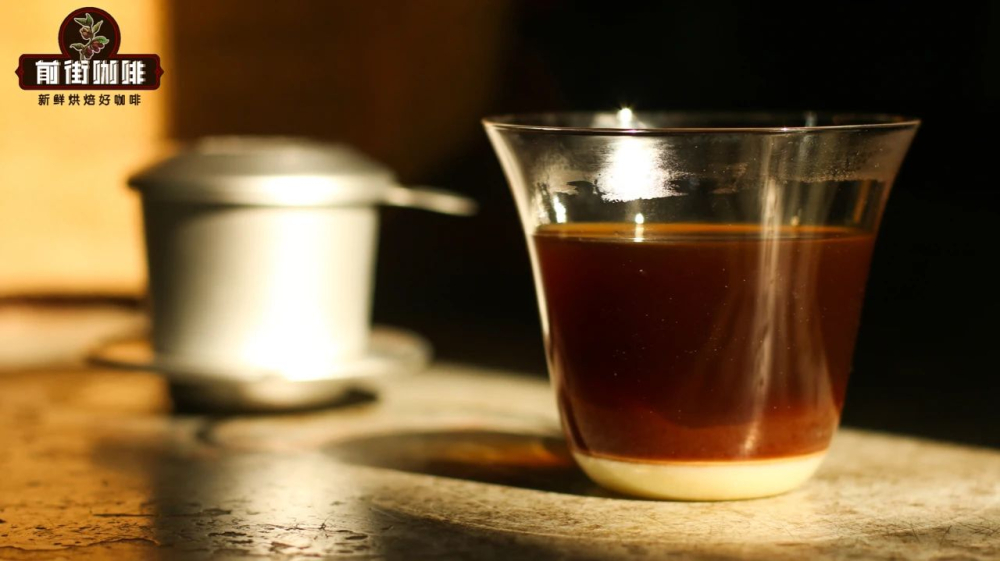
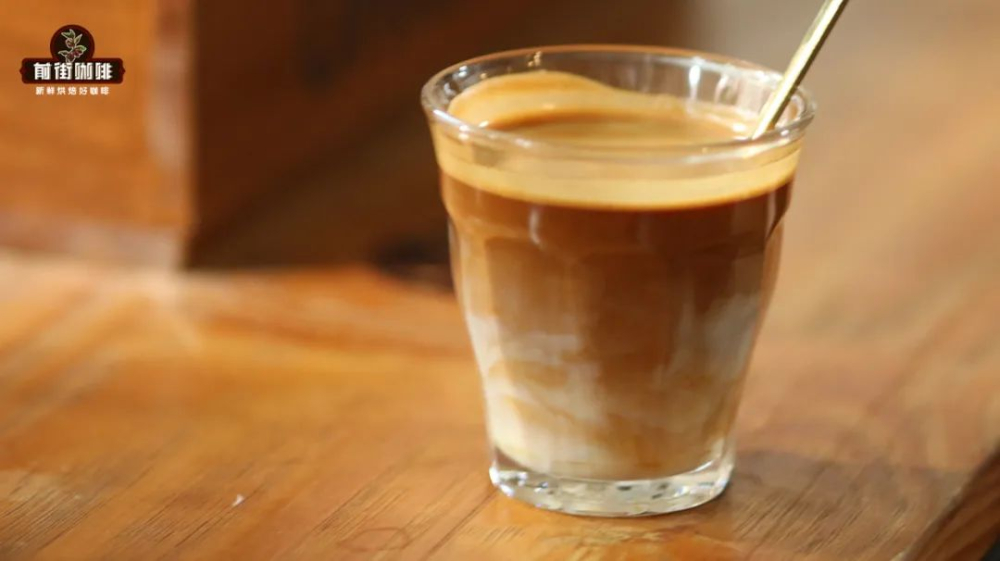
In Vietnam, drinking coffee is already a part of daily life. Street-side cafés are everywhere, offering a friendly, homely atmosphere at very affordable prices—just a few RMB can get you a cup. The Vietnamese way of brewing coffee is quite unique—not using traditional pots, but a specially designed drip filter that sits atop a quaint, patterned glass cup. To brew, the filter is placed over the glass, filled with an appropriate amount of coffee grounds, and covered with a perforated metal press. Then, hot water is slowly poured in, allowing the coffee to drip drop by drop into the cup—a process that may take around ten minutes. For a more refined touch, the glass can be placed in a bowl of hot water to keep it warm and prevent the coffee from cooling during the drip. Many people layer a thick base of sweetened condensed milk at the bottom of the cup, then stir it with the black coffee once it’s fully dripped, resulting in a sweet and smooth drink. Adding ice creates yet another unforgettable flavor. Even at the simplest roadside coffee stalls, this process is followed meticulously, showcasing the Vietnamese passion and patience for coffee.
 The abundance of coffee shops in Vietnam might just inspire you to open one yourself. In every corner of the city, cafés offer different styles and vibes. For example, in Hanoi, each branch of CAFESHOP has its own unique décor. Small, locally frequented cafés usually have modest storefronts, long and narrow interiors, curtains at the entrance, short tables and chairs, and a cup of black coffee for just 5,000 VND. There’s also a chain café located on West Lake where customers can choose to enjoy their coffee in a boat cabin or on the boat deck, sipping while admiring the lake scenery—a truly relaxing experience.
Vietnam’s five well-known coffee brands each have their own distinctive features:
G7 Coffeeis the only milk coffee brand in the Vietnamese market, produced using advanced European technology. It has a smooth taste, doesn’t cause dizziness or affect sleep, is suitable for daily consumption, and delivers a light and pleasant experience.
Trung Nguyen Coffeeis praised as “Trung Nguyen Coffee, Taiyuan Tea.” It offers both coffee powder and instant coffee, with rich flavors and a hint of milkiness. Its product range includes three-in-one coffee, various flavors of cappuccino, and it has entered the Chinese market with packaging in both Chinese and English.
Vinacaféhas maintained a market share of over 45% in Vietnam for a long time. It uses premium BUON METHUOT coffee beans paired with high-quality creamer and sugar, exuding a natural fragrance and delivering great value in the coffee experience.
Rolling Stone Coffeeoriginates from Vietnam and is known for its mellow, rich taste and long-lasting aftertaste. The GREEN HIGHLAND three-in-one coffee uses a golden ratio formula crafted by top baristas, providing a moment of tranquility amid the bustling city.
Saigon Coffeeis a Vietnamese overseas Chinese enterprise. Initially mainly providing contract manufacturing and raw materials for other coffee brands, it now has its own production bases domestically, with products exported to Europe, America, Japan, Thailand, Singapore, and the Middle East. Its quality is stable and highly favored in the international market.
For coffee enthusiasts who want to brew freshly roasted Vietnamese coffee beans at home, it is recommended to try a classic blend consisting of Brazilian semi-washed beans, Indonesian Mandheling beans, and Vietnamese Robusta beans. This blend is typically dark roasted to fully showcase the coffee’s rich, bold aroma and easily extract a thick, velvety crema. It’s suitable for both Americano-style coffee and milk-based drinks like lattes, making it an excellent choice for experiencing the flavors of Vietnamese coffee.
The above content is compiled by CoffeeHunters, a coffee news website.


