







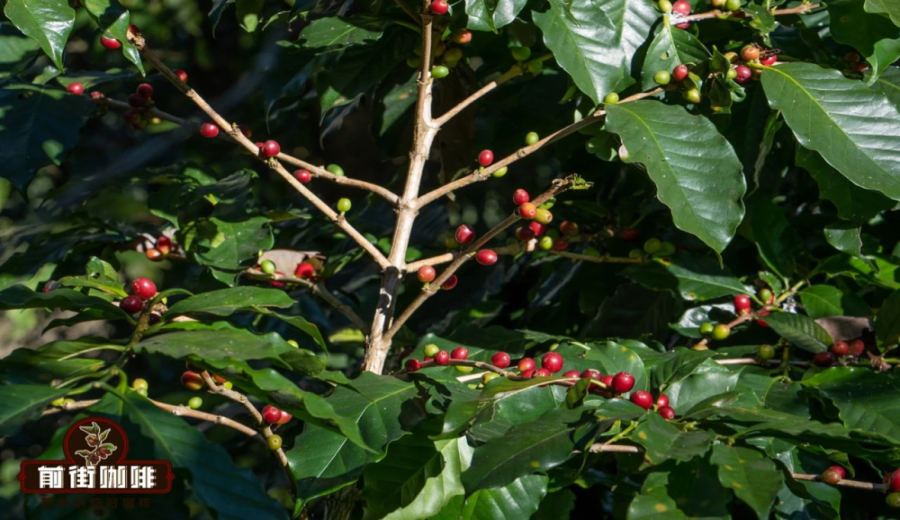
Introduction:Gain an in-depth understanding of China’s largest coffee-producing region—Yunnan—its geographical advantages, key growing areas, and the unique flavor profiles of the three major varieties: Catimor, Typica, and Bourbon. This article details the history of Yunnan’s small-grind coffee, its washed processing method, and recommended pour over parameters to help you master this nutty and brown sugar-forward entry-level specialty bean and find your ideal brewing style.
As the heart of China’s coffee industry, Yunnan has developed into a core base accounting for 70% of the country’s planting area and over 80% of its production since the introduction of the first coffee tree over a hundred years ago. The small-grind coffee produced here, with its plump beans and rich, balanced flavor, has gradually garnered market attention. This article will comprehensively break down the key elements of Yunnan coffee—from geographical environment, major producing areas, three main varieties, processing methods to practical pour over suggestions—to help you explore the potential of this Eastern-origin bean.
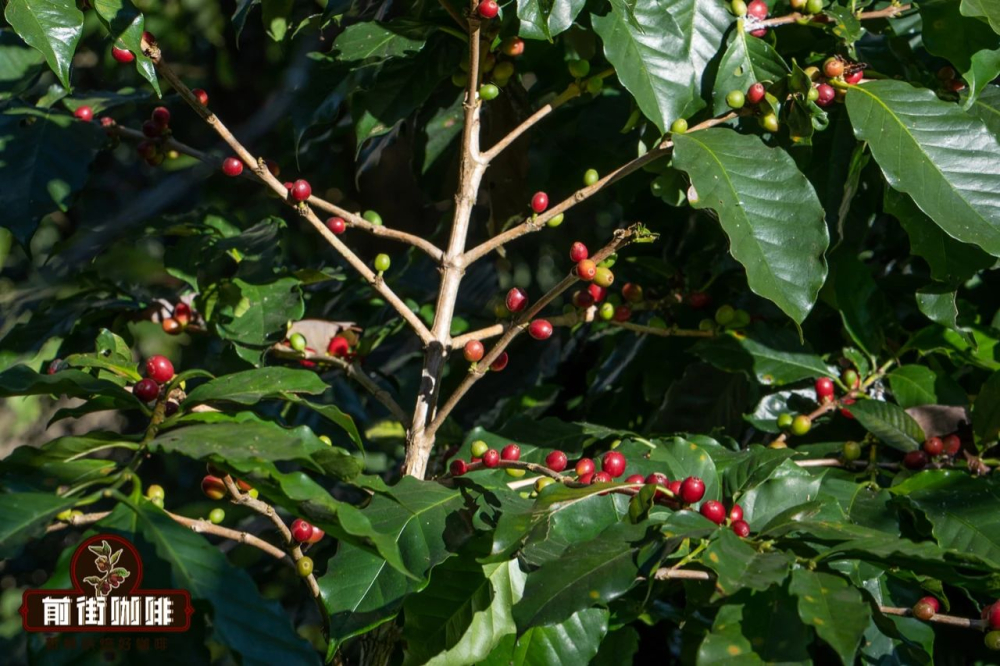
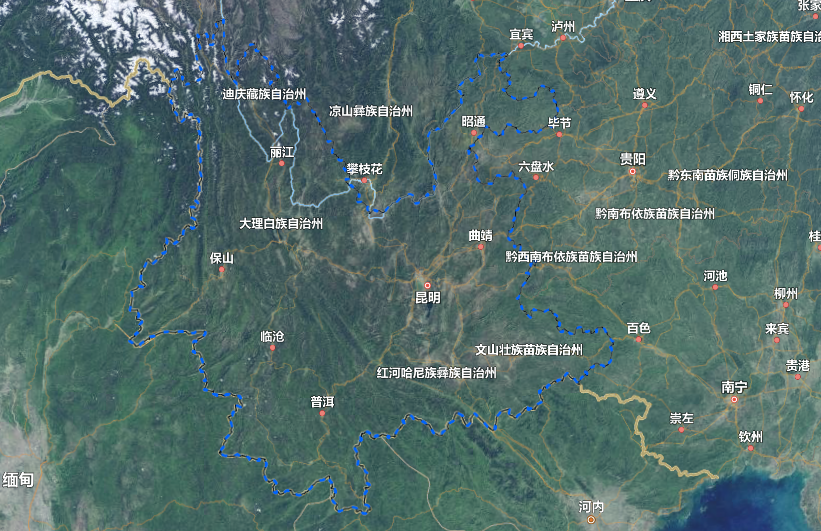
Yunnan coffee is commonly referred to as "small-grind coffee." Its beans are well-formed and uniformly sized, with flavor notes grounded in nuts and caramel sweetness, featuring clear layers and a smooth, lingering finish. Currently, the main varieties planted on a large scale in the region include Catimor, Typica, and Bourbon, distributed across Baoshan, Lincang, Pu’er, Dehong, and Wenshan. Each producing area imparts distinct personality traits to the beans due to differences in microclimate and altitude.
Tracing the history of Yunnan coffee, it dates back as early as 1904, when French missionary Father Timothée introduced the first coffee tree in Zhukula Village, Binchuan County, Dali, marking a significant starting point for the crop’s introduction to China. However, it wasn’t until the late 1980s that coffee began to develop on a truly large scale. With the entry of multinational companies and rising market demand, Yunnan gradually established an export supply chain. Starting in 1952, under the guidance of experts from the Baoshan Tropical Economy Research Institute, large-scale cultivation began in the Luguang area, which has now continued for nearly sixty years. As of recent years, Yunnan’s total coffee planting area has reached 7,800 hectares, accounting for a significant proportion of the national total, leading both in scale and output.
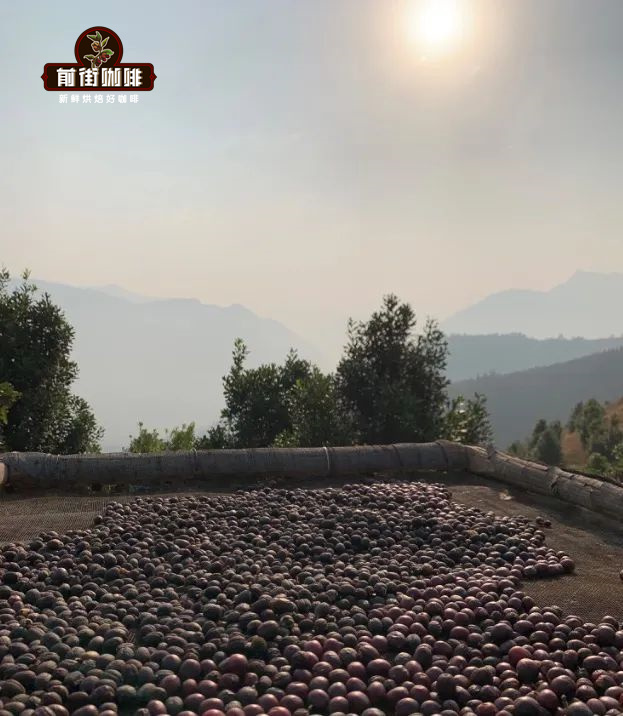
Yunnan’s geographical conditions are highly suitable for coffee cultivation. The province’s main producing areas are located between 15°N and the Tropic of Cancer, within a typical high-altitude tropical and subtropical climate zone. The terrain is dominated by mountains and slopes, featuring large diurnal temperature variations, abundant sunlight, ample rainfall, and fertile soil—all providing an ideal environment for coffee trees. Take Dehong as an example: regulated by the southwest monsoon from the Indian Ocean, the region enjoys warm, humid summers and dry, cool winters, with annual sunshine hours ranging from 2,281 to 2,453 and annual rainfall between 1,400 and 1,700 millimeters. The significant day-night temperature variation helps coffee cherries accumulate flavor compounds. The barrier effect of the Gaoligong Mountains further ensures minimal frost in winter, offering good protection for coffee plants during the colder months.
Baoshan, represented by the Luguang Basin, has gradually formed a unique three-dimensional climate since the introduction of coffee in the 1950s, with an average annual temperature of 14–17°C and distinct wet and dry seasons. Although rainfall distribution is uneven, the overall climate is moderate, conducive to stable production. Influenced by the warm, moist airflows of the Indian Ocean and the southwest monsoon, Lincang experiences distinct wet and dry seasons, with over 2,000 hours of annual sunshine, and some areas even remain frost-free year-round. The mountainous regions have an average temperature of about 13–15°C, making it very suitable for coffee cultivation. In addition to its reputation as the “Tea Capital,” Pu’er is also one of the regions in Yunnan with the longest coffee cultivation history, with records of planting dating back 150 years. The area has an average annual temperature of 15–20.3°C, a frost-free period exceeding 315 days, and annual rainfall ranging from 1,100 to 2,780 millimeters, offering diverse microclimates that support coffee planting at various altitudes.
In terms of varieties, Yunnan currently focuses on planting Catimor, Typica, and Bourbon. Among them, Catimor is the most widely planted variety. It is a high-generation hybrid of Arabica, resulting from a cross between the Timor variety (containing about 25% Robusta genes) and Caturra (a Typica variant), thus offering stronger disease resistance and higher yields. However, it is slightly inferior to pure Arabica varieties in terms of flavor delicacy. Typica is a classic, high-quality variety originating from Ethiopia, renowned for its elegant acidity and balance. It serves as the foundation variety for many famous producing regions such as Blue Mountain and Mocha, and in Yunnan, it exhibits a profile dominated by nuts and brown sugar, coupled with softer and clearer acidity. The Bourbon variety originated from Typica and was first planted on the island of Réunion (formerly known as Bourbon Island) in 1708. It boasts intense aroma and rich flavor, thrives at altitudes of 1,200 to 2,000 meters, and has slightly higher yields than Typica, making it a favored choice among many specialty coffee enthusiasts.
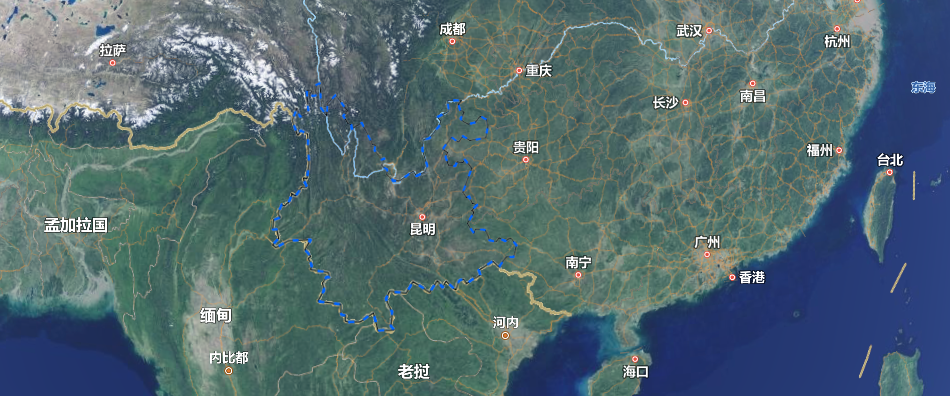
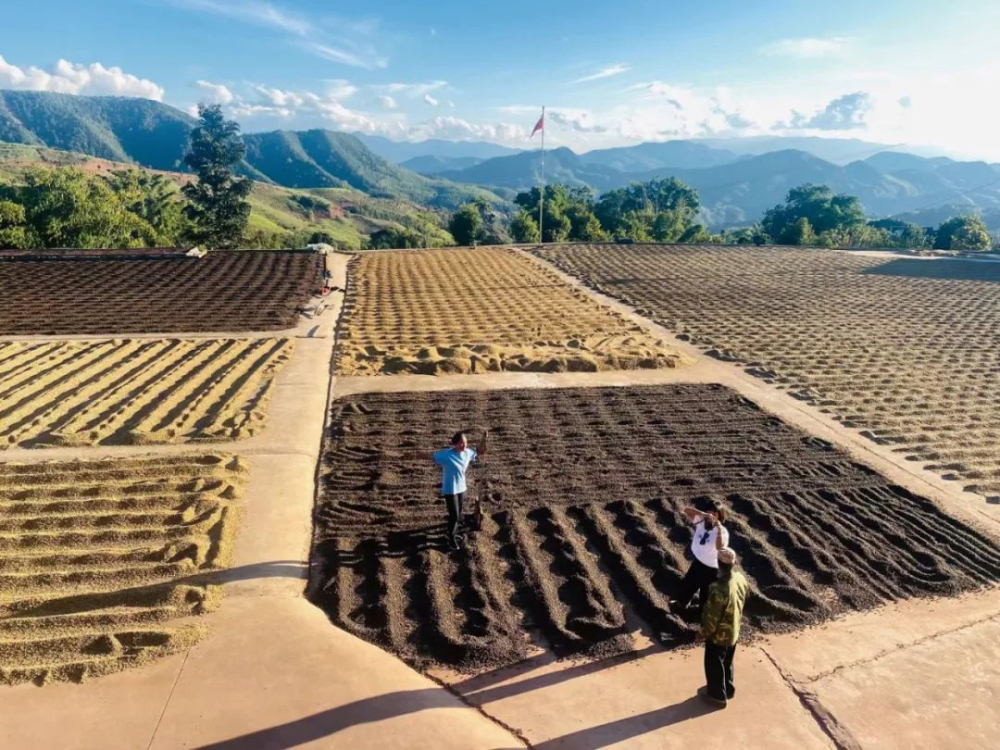
In terms of processing methods, Yunnan coffee primarily uses washed processing, which highlights the coffee’s cleanliness and acidity while maintaining stable flavor expression. The washed processing procedure includes: removing the coffee fruit’s skin and pulp, placing the mucilage-covered beans in a fermentation tank to break down the pectin, thoroughly washing them with clean water, and finally sun-drying or mechanically drying them. This method reduces defect rates and improves bean consistency, making it a processing method often chosen by professional roasters. Although the market has seen many innovative processing methods in recent years, such as honey processing or special fermentation, washed and traditional sun-drying remain the mainstream techniques in Yunnan and are key to maintaining its nutty and brown sugar profiles.
To brew Yunnan coffee at home and highlight its richness and balance, it is recommended to use medium-light roasted Catimor or Typica varieties, paired with medium grind (e.g., around 78% passing through a Chinese No. 20 sieve). The coffee-to-water ratio can be set at 1:15, or adjusted to 1:16 if a cleaner profile is preferred. For example, using 15 grams of coffee grounds with a V60 filter, it is suggested to control the water temperature at 88°C to help soften the acidity. Use a three-stage pouring method: start with 30 grams of water for a 30-second bloom, then pour in a circular motion up to 125 grams for the first pour, wait for the water level to drop and continue pouring to 225 grams, and finally wait for the water level to lower before removing the filter. The total extraction time is approximately 2 minutes and 10 seconds. These parameters help bring out the aromas of nuts, caramel, and a hint of brown sugar, while presenting a stable mouthfeel structure.
In summary, with its geographical advantages, diverse producing areas, and main varieties, Yunnan coffee has secured a place in China’s and even the international specialty coffee market. Whether you are a newcomer exploring the world of coffee or an advanced enthusiast seeking fresh flavors, understanding the story behind Yunnan coffee and practical brewing tips will allow you to more deeply appreciate this premium small-grind bean from the East.
The above content is compiled by CoffeeHunters, a coffee news website.


