








Introduction:As Ethiopia’s most iconic coffee-growing region, Yirgacheffe is renowned for its distinctive floral notes, citrus tones, and bright acidity. This article will delve into how its terroir gives rise to such unique flavors, explore how washed processing contributes to its clean taste, and provide beginner-friendly pour-over parameters, a three-stage extraction guide, and detailed flavor descriptions for Yirgacheffe washed beans—helping you fully appreciate the charm of this classic coffee.
In the world of specialty coffee, Yirgacheffe is undoubtedly one of Ethiopia’s most representative regions. It is famed for producing coffee with bright acidity, delicate floral aromas, and captivating citrus flavors—making it especially suitable for beginners to explore coffee diversity through pour-over brewing. This article begins with the region’s geography and growing environment, explaining how high altitude and unique climate shape its flavor profile, and takes an in-depth look at how washed processing enhances the coffee’s clarity and aroma purity.

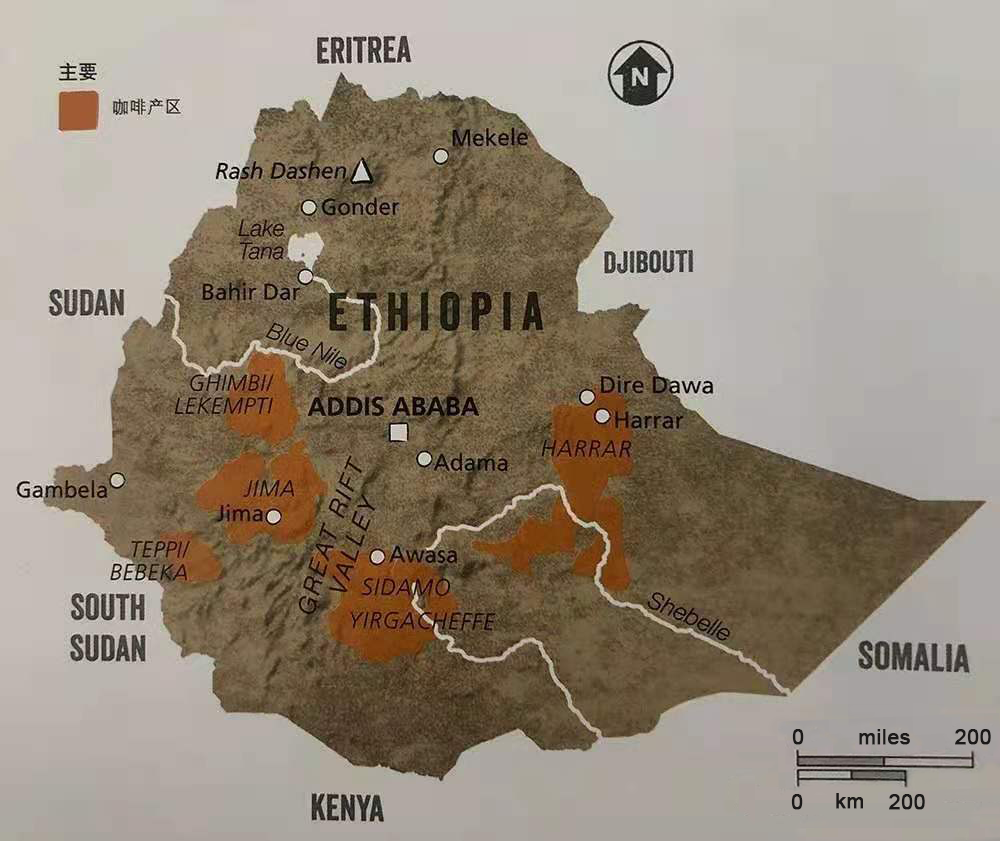
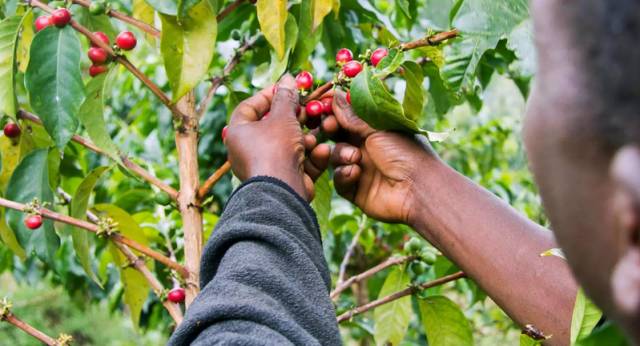
Although Yirgacheffe is just a small town located in central-southern Ethiopia and administratively part of the Sidamo region, its exceptional geographical conditions have made it a global focal point for coffee enthusiasts. With an average altitude exceeding 2,000 meters, the high elevation results in significant day-night temperature variations, slowing the ripening of coffee cherries and aiding in the accumulation of flavor compounds. Local farmers often grow coffee trees in their home gardens or intercrop them with other plants, employing small-scale, garden-style cultivation. Though yields are modest, this method preserves strong terroir characteristics. The main harvest season runs from October to January each year, during which farmers hand-pick coffee cherries from hillsides and backyard gardens before sending them to cooperatives for further processing.
Among the many micro-regions, Misty Valley stands out for its year-round foggy climate and mild, humid conditions, providing an ideal environment for coffee trees and contributing to the layered, dynamic fruit and floral notes in Yirgacheffe’s flavor profile. Additionally, notable micro-regions within the area include Kochere, Gedeb, and Wolkite, each with its own standout cooperatives and processing styles. In the southeastern part of Yirgacheffe, the “Gutiti Cooperative” in the Wolkite region, with around 300 dedicated members and solid cultivation and processing expertise, produces coffee celebrated for its bright flavors and vibrant acidity. Since 2012, it has been designated as an independent region, and its traditional washed processing method plays a key role in shaping Yirgacheffe’s distinctive taste.
When it comes to the unforgettable flavor profile of Yirgacheffe, washed processing technology plays a pivotal role. Introduced to Ethiopia from Central and South America by the government in 1972, this technique has become a crucial craft for elevating coffee quality in the region. Washed processing facilities require specialized washing tanks and a stable supply of fresh water, resulting in higher production costs but also ensuring greater consistency in green bean quality. During processing, coffee beans undergo fermentation, washing, and multiple rinses, with water flow and friction removing mucilage and impurities while eliminating defective beans. This results in coffee with purer aromas and brighter acidity. As such, Yirgacheffe can showcase distinct notes of yellow lemon acidity, elegant white floral scents, and an overall clean, refined mouthfeel—offering a striking contrast to the intense, bitter roastiness of traditional dark-roasted coffee.
The trend toward specialty coffee has led roasters to favor lighter roasts to preserve the original flavor characteristics of the beans, and Yirgacheffe is no exception. A moderate light roast not only highlights its fruity sweetness and floral tones but also heralds the era of “fruit-acid coffee,” catering to the preferences of most drinkers for balanced sweet-and-sour profiles with low bitterness. For consumers new to specialty coffee, this bean is an excellent entry point.
The launched Yirgacheffe everyday beans, processed via washed methods and medium-light roasted, fully present the classic flavor characteristics of the region and are suitable for various brewing methods such as pour-over, cold brew, and French press. The small packaging design is not only convenient for sampling but also helps prevent flavor loss due to prolonged storage—making it ideal for pour-over beginners to try. If you want to deeply experience Yirgacheffe’s floral and fruity aromas, we recommend brewing it as a black pour-over coffee to directly savor its refined layers.
To successfully extract the full flavor of Yirgacheffe, freshness is paramount. Generally, coffee beans roasted more than two months prior will have noticeably declined in aroma and flavor compounds, making it difficult to achieve optimal results even with skilled techniques. Therefore, we insist on shipping only beans roasted within five days, ensuring customers receive them at the peak of their flavor window.
Since Yirgacheffe is lightly roasted, the beans are relatively hard. We recommend using hot water at 92°C to 93°C to effectively bring out its floral and fruity notes. For grind size, opt for a medium-fine grind (approximately 78% passing through a Chinese standard No. 20 sieve, similar in size to fine sugar crystals). An overly coarse grind may lead to under-extraction, resulting in a thin-tasting cup, while an overly fine grind could cause over-extraction at high temperatures, leading to bitterness.
Based on cupping experience, this bean exhibits diverse flavor characteristics at different temperature stages, so we recommend using a three-stage extraction method to gradually release its layered flavor compounds. To maximize its bright, refreshing acidity, we suggest using a V60 filter cone—the unique spiral ridges help with gas release from the coffee bed, promoting aroma volatilization and flavor dissolution.
For brewing ratios, both 1:15 and 1:16 are suitable. If you prefer a stronger taste, choose 1:15; if you’d like to more clearly perceive floral and sweet notes, try 1:16 to allow the flavor layers to unfold more fully. Specific recommended parameters are as follows: use a V60 filter cone, control water temperature at 92-93°C, use 15 grams of coffee, a 1:15 coffee-to-water ratio, and a grind size similar to fine sugar (approximately 78% passing through a No. 20 sieve).
The suggested three-stage pouring steps are as follows: the first stage involves blooming with twice the coffee’s weight in water (about 30 grams) to wet the coffee bed and form a dome, lasting 30 seconds; the second stage uses a slow, circular pour from the center outward to reach 125 grams, then pause to allow the coffee bed to drop to about half the height of the filter cone before continuing the third stage pour to 225 grams until all the coffee liquid has dripped through, with a total extraction time of about 2 minutes. Once all the coffee has flowed into the server, remove the filter cone, gently swirl the coffee in the server, and start tasting from the high-temperature stage—progressively experiencing its bright acidity of lemon, citrus, and green tea, followed by the lingering notes of berries, cream, and sugarcane, with a pronounced aftertaste and a clean, sweet mouthfeel.
The above content is compiled by CoffeeHunters, a coffee news website.


