







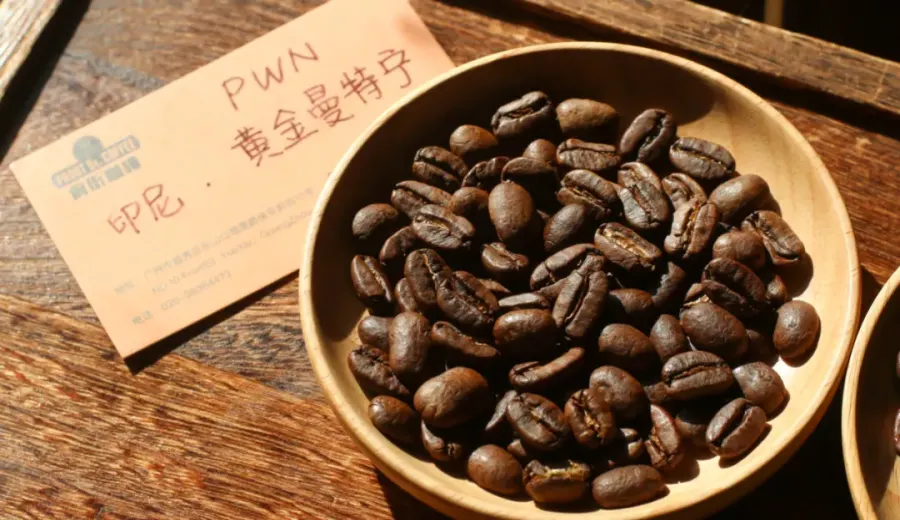
Introduction:Golden Mandheling is often mistaken for aged Mandheling, but it is actually high-quality Mandheling green beans carefully selected by Indonesia’s PWN company. This article details the origins of Golden Mandheling, the uniqueness of the PWN trademark, and how to identify authentic beans. It also provides professional pour over recommendations and actual flavor profiles, helping you understand the charm of this classic Indonesian bean and brew a rich, clean cup at home.
Walking into a café, you’ll often see “Golden Mandheling” on the menu. What makes this popular Indonesian bean so special? Is it really, as some claim, just aged Mandheling? In fact, the origins of Golden Mandheling are closely tied to PWN, a well-known Indonesian green bean trader. PWN stands for Pwani Coffee Company, which has long focused on sourcing high-quality Mandheling beans from premium growing regions in Indonesia. Through rigorous manual selection, they handpick beans with excellent appearance and quality. These top-tier beans, which have gone through multiple layers of scrutiny, are then given the name “Golden Mandheling” and registered as a PWN exclusive trademark. Therefore, only beans produced by PWN can be rightfully called Golden Mandheling.
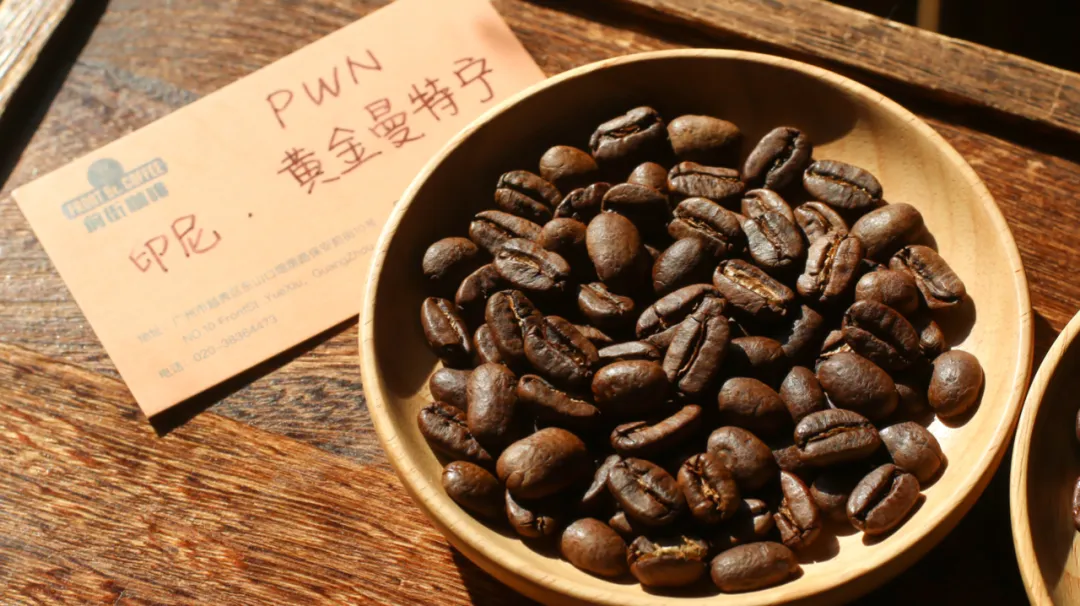
When talking about Golden Mandheling, the key letter PWN absolutely cannot be ignored. This company holds a pivotal position in Indonesia’s coffee industry, virtually monopolizing the supply of green beans from the country’s high-altitude and high-quality producing regions. Golden Mandheling is the top-grade Mandheling carefully selected under the PWN brand, with each bean meeting high standards. After harvesting, PWN conducts multiple rounds of manual sorting, selecting only those beans that are plump and free of obvious defects, ultimately achieving the highest grade of G1. These meticulously chosen beans have no more than three defective beans per 300-gram sample, and the bean size must be 18 mesh or larger, ensuring consistency and purity in flavor.
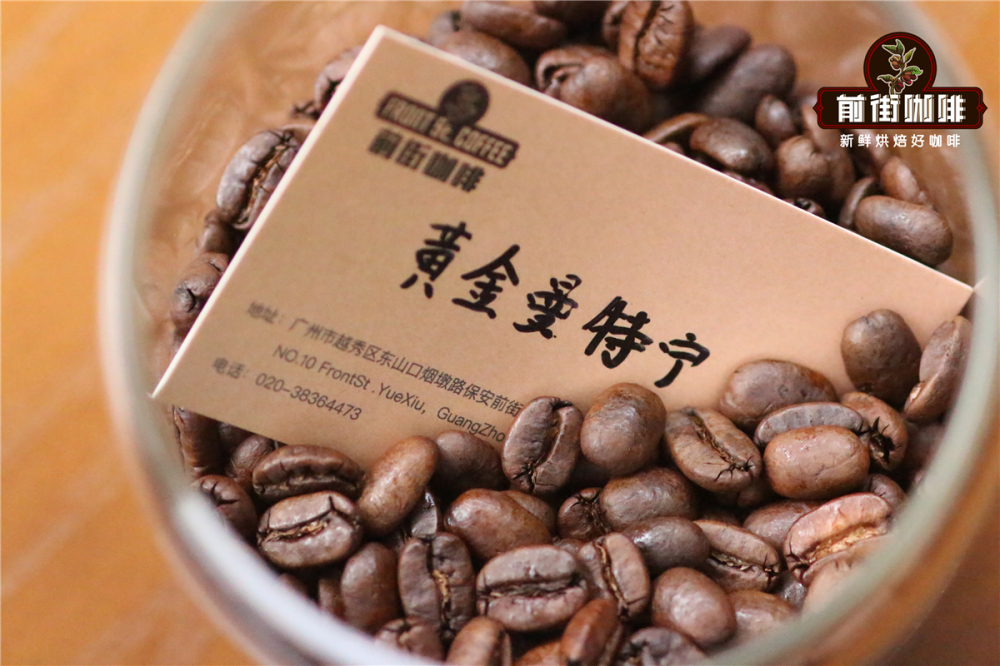
Visually, the PWN Golden Mandheling green beans sold by this shop have a deep green hue, are flat beans (non-peaberry), and exhibit an overall excellent appearance. Thanks to the strict selection process, these beans noticeably reduce the earthy or off-flavors commonly found in regular Mandheling, resulting in a cleaner, more transparent cup with distinct spicy and sweet aromatic notes. Many consumers often mistake Golden Mandheling for aged Mandheling, but in reality, it is not a long-aged bean. Instead, it is a premium freshly roasted bean carefully selected by PWN to high specifications — a common point of confusion for many coffee beginners.
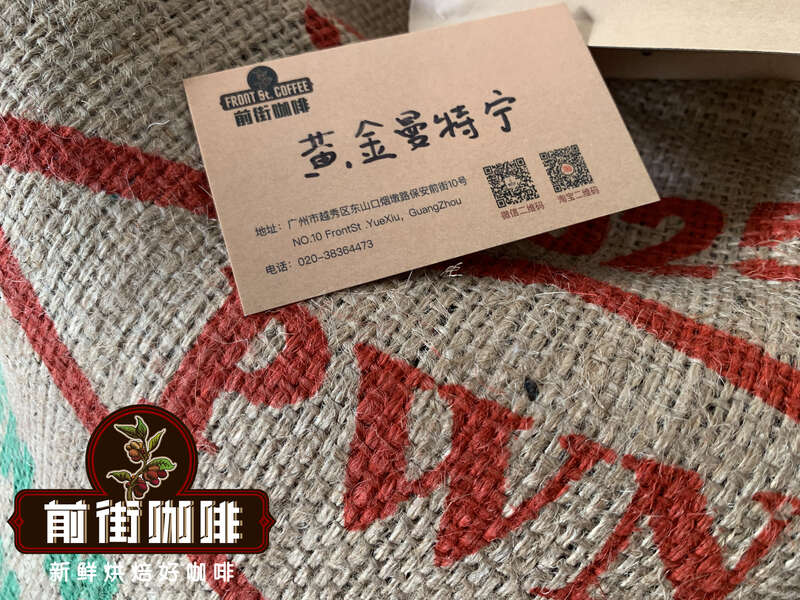
For consumers, how can you confirm that you’ve purchased genuine PWN Golden Mandheling? The identification is not difficult. Legitimately imported PWN Golden Mandheling will have the official PWN logo printed on the packaging, along with an origin certificate issued by PWN, both of which are key proofs of authenticity. The packaging of Golden Mandheling displayed at a well-known coffee shop, for example, clearly shows this information, with the certificate displayed in-store for customer review. If you see “Golden Mandheling” online or in physical stores without the PWN logo or related certificates, be cautious — it may be an imitation or mislabeled product.
Many coffee enthusiasts enjoy buying whole beans to brew pour over at home, but often encounter issues such as over-extraction leading to overly sour or bitter cups. For this PWN Golden Mandheling, one shop uses specific brewing parameters to fully showcase its rich and balanced flavors. It is recommended to use a KONO filter, which has an immersion function that effectively stabilizes extraction, especially suitable for medium to dark roasted beans such as Golden Mandheling and Blue Mountain No.1. Specifically, the suggested water temperature is controlled at88°C, the coffee dosage is set to15 grams, the coffee-to-water ratio is1:15, and the grind size should be such that the Chinese standard No. 20 sieve has a70%pass-through rate, equivalent to a medium-coarse to medium-fine grind.
The actual brewing process is as follows: First, pour30 gramsof hot water fora 30-second bloom, which helps release CO₂ from the coffee grounds and lays a stable foundation for subsequent extraction. Next, slowly pour water in a circular motion from the center of the coffee bed with a fine stream until you reach125 grams. When the water level drops to just about to expose the coffee grounds, continue pouring in circles until you reach225 grams, with the total brew time controlled at aroundtwo minutes. This brewing method effectively highlights the rich spices, sweet herbs, and cinnamon aromas of Golden Mandheling, while maintaining a full body and a caramel-like aftertaste.
It’s important to note that Golden Mandheling is a medium to dark roast, so it’s recommended to use a slightly coarser grind and a lower water temperature during extraction to avoid over-releasing bitter substances. Additionally, once ground, coffee beans have a larger surface area exposed to air, which accelerates flavor loss. Therefore, if you have a grinder at home, it’s best to buy whole beans and grind them fresh before brewing to fully experience their complete flavor profile. If you don’t have a grinder, although this shop also offers grinding services, please pay attention to the shelf life and freshness of pre-ground coffee.
Freshly roasted Golden Mandheling typically has an optimal resting period of 4 to 7 days. The beans shipped by this shop are all freshly roasted within 5 days and mostly reach a drinkable state upon arrival. During brewing, the initial bloom phase is crucial, as it helps release gases and ensures smoother and more stable extraction afterward. The finished cup not only showcases sweet herbs, spices, and citrus peel aromas but also delivers a rich caramel sweetness. As the temperature slightly cools, enticing melon and soft fruit notes emerge, making the overall profile full-bodied and balanced — a truly classic among Indonesian Mandhelings.
The above content is compiled by CoffeeHunters, a coffee news website.


