








Introduction:Want to understand the differences and allure of the three rare variants—red, yellow, and pink—within the Bourbon family? This article delves into the fruit color variations, flavor profiles, cultivation characteristics, and yield differences of Red Bourbon, Yellow Bourbon, and Pink Bourbon. It also provides practical pour over and roasting parameters to help you grasp the essence of these three classic Arabica varieties from origin to extraction.
With the rise of specialty coffee culture, consumers are becoming increasingly interested in the diverse cultivars under the Arabica species. In particular, Red Bourbon, Yellow Bourbon, and Pink Bourbon from the Bourbon family, known for their distinctive and vibrant flavors, have become popular choices for coffee enthusiasts looking to explore or collect. This article will explore the origins, appearance, processing flavors, and cultivation challenges of these three Bourbon variants, along with practical roasting and pour over brewing recommendations, to help you gain a more comprehensive understanding of the intricacies of this classic cultivar family.

Bourbon is one of the oldest varieties within the Arabica species. It was first introduced to Réunion Island in the Indian Ocean (then called Bourbon Island) before 1789, hence its name. Compared to the equally ancient Typica, Bourbon plants have wider leaves and denser canopies, with an average yield per plant about 30% higher. However, its beans are rounder and shorter, and the flavor often features bright berry acidity, rich creamy aromas, and abundant caramel and nutty notes, though it is relatively susceptible to diseases, posing higher cultivation challenges.
The most common variety within the Bourbon family is Red Bourbon. The fruit of this variety transitions in color during ripening from green to light yellow, then orange, followed by bright red, and finally deep red. Due to this distinct color change, it is called 'Red Bourbon.' Red Bourbon is known for its soft and bright acidity, wine-like aftertaste, and round mouthfeel. Common flavors include nuts, cream, chocolate, peanuts, and caramel. It is one of the main varieties in many Central and South American coffee-growing regions.

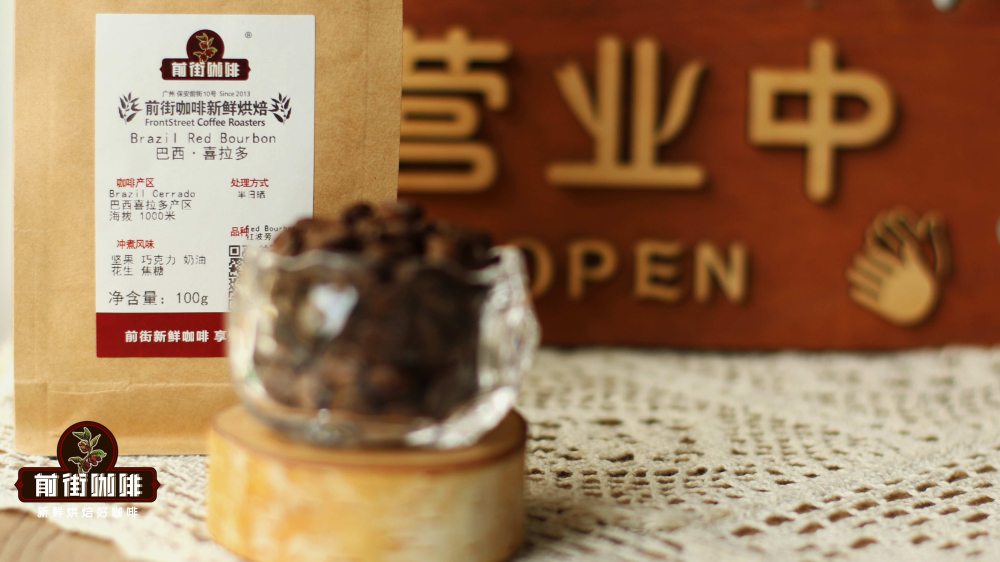
Take Brazil’s Cerrado region as an example. Many farms there choose to plant Red Bourbon not only because it adapts well to high-altitude climates but also due to its stable yield and appealing rich profile. The typical flavor profile includes nuts, chocolate, cream, peanuts, and caramel, making it suitable for coffee drinkers who prefer a bold and full-bodied taste.
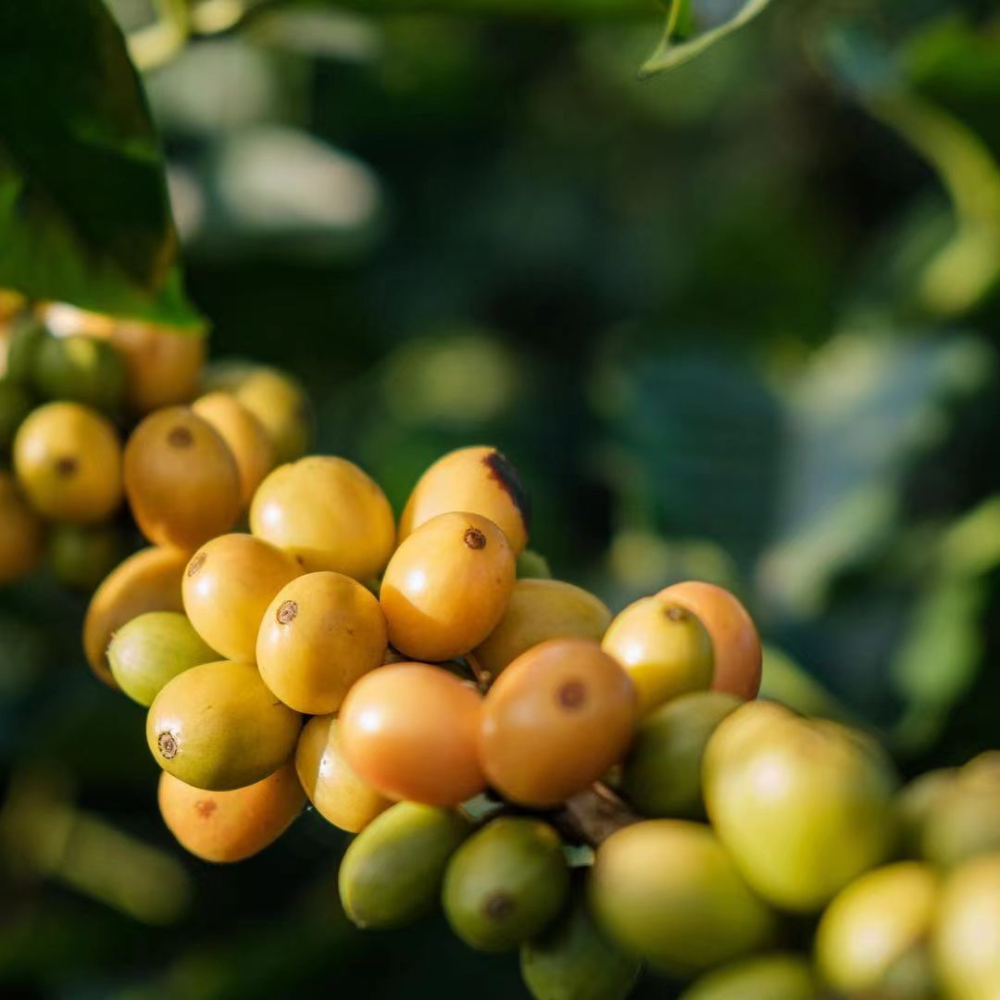
Yellow Bourbon is a variant that arose from a natural genetic mutation within the Bourbon family. Its most notable characteristic is that the ripe fruit turns a warm orange-yellow rather than red. This mutation first appeared in São Paulo State, Brazil, and performs particularly well at higher altitudes. It not only offers stable yields but also more nuanced flavor complexity. Yellow Bourbon has a softer and more balanced acidity, often featuring notes of nuts, cream, fermented fruits, and sugarcane sweetness. The overall flavor is fresh and bright, with low bitterness and a clean finish.
In specialty coffee competitions such as Brazil’s Cup of Excellence, Yellow Bourbon has consistently earned high praise, demonstrating its recognition in the international market. It is suitable for medium to high roasts to bring out its rich yet sweet characteristics. Common flavors include nuts, cream, peanuts, fermented fruits, and sugarcane. It is a selected variety in many high-altitude regions of Central and South America.
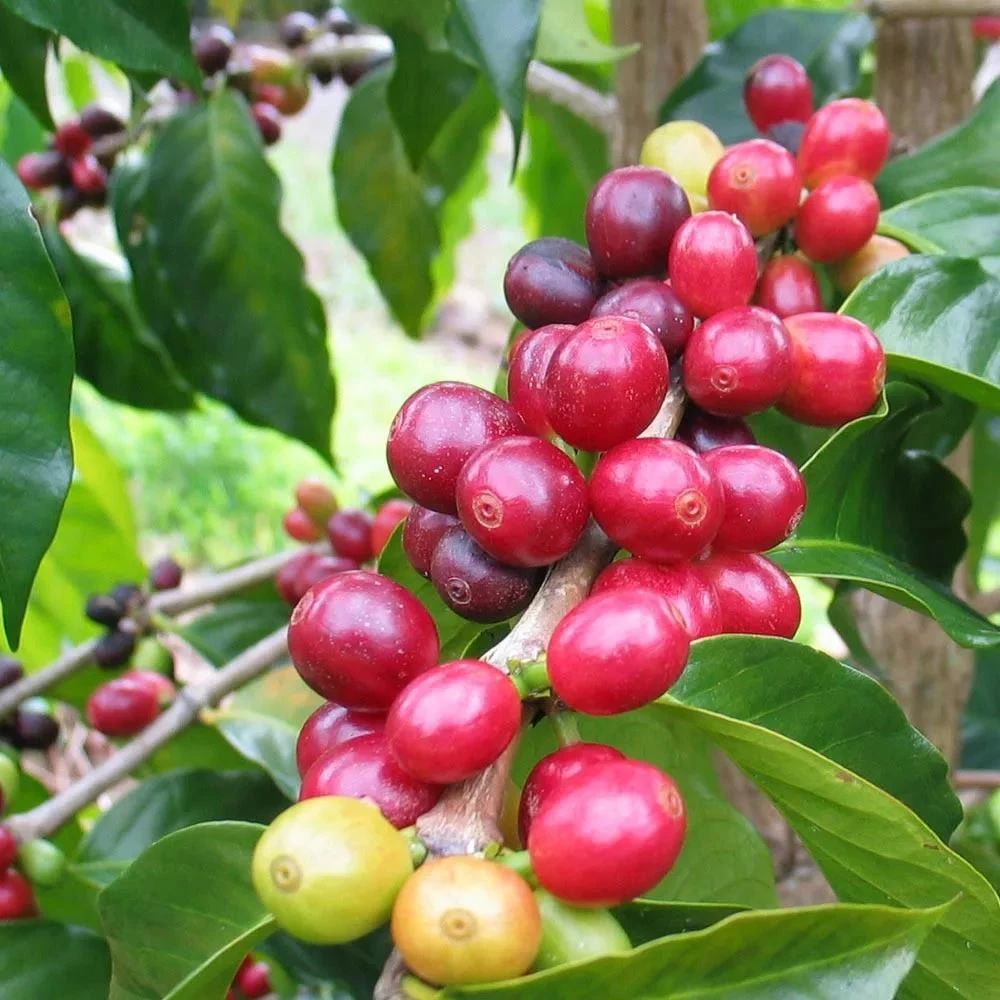
Pink Bourbon can be considered the 'hidden gem' of the Bourbon family, named for its rare pink-colored ripe fruit. However, this coloration is not commonly seen, mainly because Pink Bourbon is a rare natural hybrid offspring of Yellow Bourbon and Red Bourbon, and its pink expression is controlled by multiple recessive genes. It is highly susceptible to genetic interference, which can cause the fruit color to deviate, resulting in orange or other intermediate hues. As a result, plants that stably produce pure pink fruit are extremely rare, contributing to its prestigious status in the market.
It is understood that Pink Bourbon was first discovered in Palestine, Huila Province, Colombia, and is currently mainly cultivated in the high-altitude mountainous areas of that region. This variety is not only picky about its growing environment but also demands high technical standards for cultivation and harvesting, resulting in limited production and relatively high prices. Pink Bourbon often features bright acidity, such as cherry tomato, citrus, and berry notes, while also blending honey, floral, and dark chocolate undertones. Its flavor profile is nuanced and varied.
In terms of processing methods, all three Bourbon varieties are well-suited to techniques such as honey process, natural, or semi-washed that can highlight fruity and sweet characteristics. For example, Brazil’s Cerrado and Queen Estate use honey processing for Red Bourbon and Yellow Bourbon respectively to enhance richness and sweetness. Meanwhile, Pink Bourbon from Isabella, Colombia, is mostly processed using semi-washed methods to preserve its unique fruit acidity and aromatic expression.
In roasting, Red Bourbon and Yellow Bourbon, typically possessing higher body and rich caramelization potential, are recommended to be roasted at medium to medium-dark levels to highlight nutty, chocolatey, and creamy flavors. Pink Bourbon, on the other hand, is recommended to be roasted at medium-light levels to showcase its delicate fruit acidity and floral-fruity notes.
For pour over brewing, Brazilian Red Bourbon and Yellow Bourbon are suitable for the KONO filter cone, using medium grind (approximately 70% passing through a #20 sieve), 90°C water temperature, and a 1:15 coffee-to-water ratio. Immersion brewing helps to bring out a rich mouthfeel. Pink Bourbon, being a medium-light roast, is better brewed with a Hario V60 filter cone, using medium-fine grind (approximately 82% passing through a #20 sieve), 90°C water temperature, and a 1:16 coffee-to-water ratio to highlight its layered fruity and sweet flavors.
In summary, Red Bourbon, Yellow Bourbon, and Pink Bourbon not only differ visually in fruit appearance but also each have unique flavor profiles, cultivation challenges, and market positions. Whether you’re seeking a steady, creamy-rich taste or a refreshing, complex specialty coffee experience, these three Bourbon variants offer distinctly different flavor journeys.
The above content is compiled by CoffeeHunters, a coffee news website.


