







Introduction:An in-depth analysis of the flavor profiles and pour over brewing techniques of Ethiopian Huacai 5.0 and Mini Huacai, covering everything from green bean appearance and roast performance to cupping flavor wheels. This guide helps you understand the differences between these two popular bean varieties. It also traces the origin of the name "Huacai" and details of the natural processing method, while presenting the full flavor evolution of various Huacai versions from the 2021 harvest season. Practical pour over parameter suggestions and hands-on references are also provided.
The new 2021 season Huacai 5.0 coffee beans arrived as scheduled. These sun-dried beans from the Gedeo Zone’s Guji region in Ethiopia immediately became the focus of attention among coffee enthusiasts upon arrival. A coffee business quickly began roasting and cupping these beans, and conducted a pour over flavor comparison between this new batch and the previously well-received Mini Huacai, helping coffee lovers discern the subtle differences between the two.
In terms of green bean appearance, although both the 2021 Mini Huacai and Huacai 5.0 belong to the same season’s production, the former features noticeably smaller beans with a higher proportion of mini beans. This difference is also reflected in the post-roast cupping flavor profile: Mini Huacai showcases intense strawberry aroma and berry sweetness, with flavor layers resembling cream strawberries, citrus, and passion fruit, along with a distinct fermented wine note; whereas Huacai 5.0 excels in more vibrant berry acidity, bursting with bright fruit notes such as berries, citrus, honey, mango, and floral tones, delivering an overall fresher and more refreshing profile.
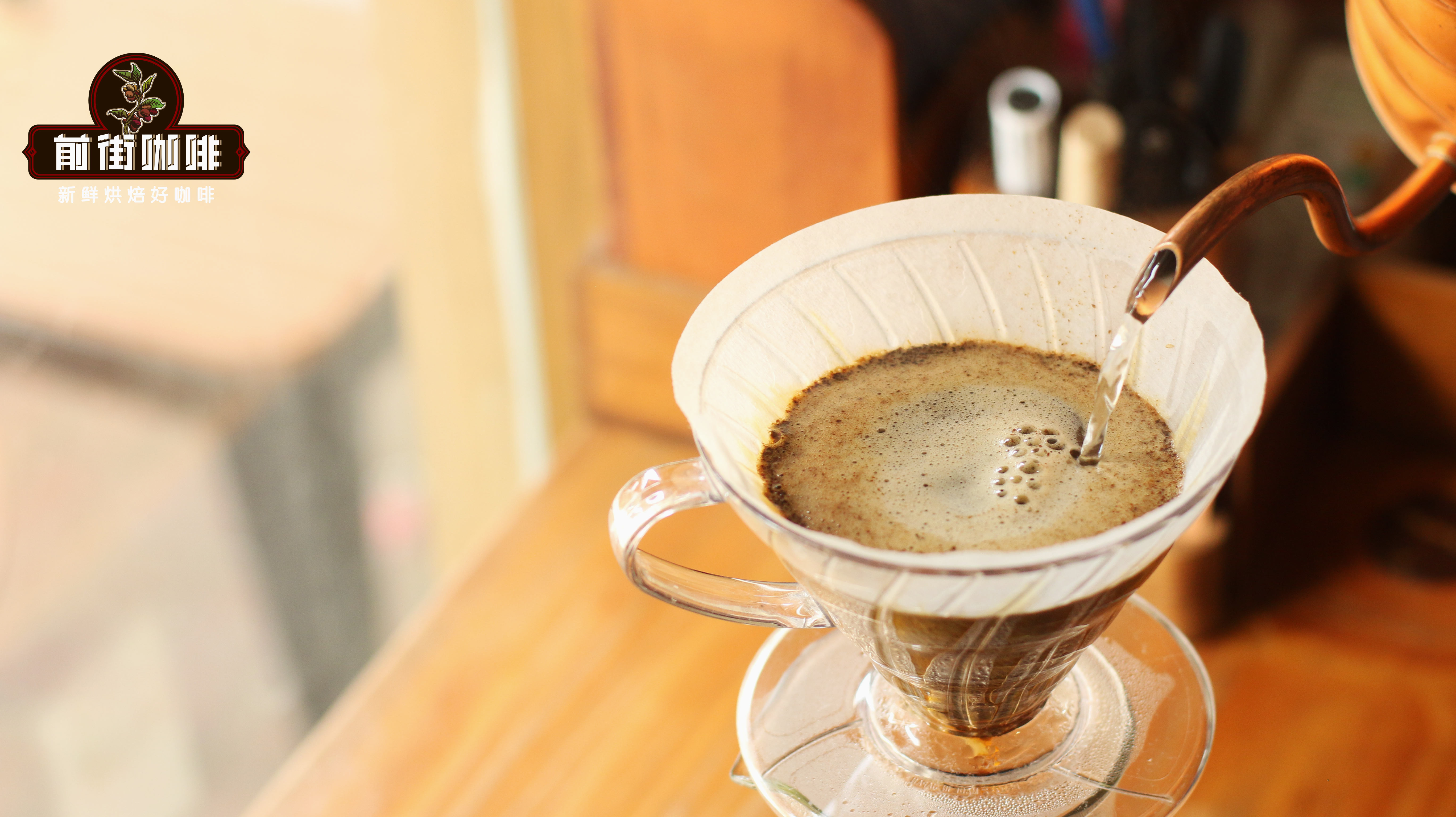
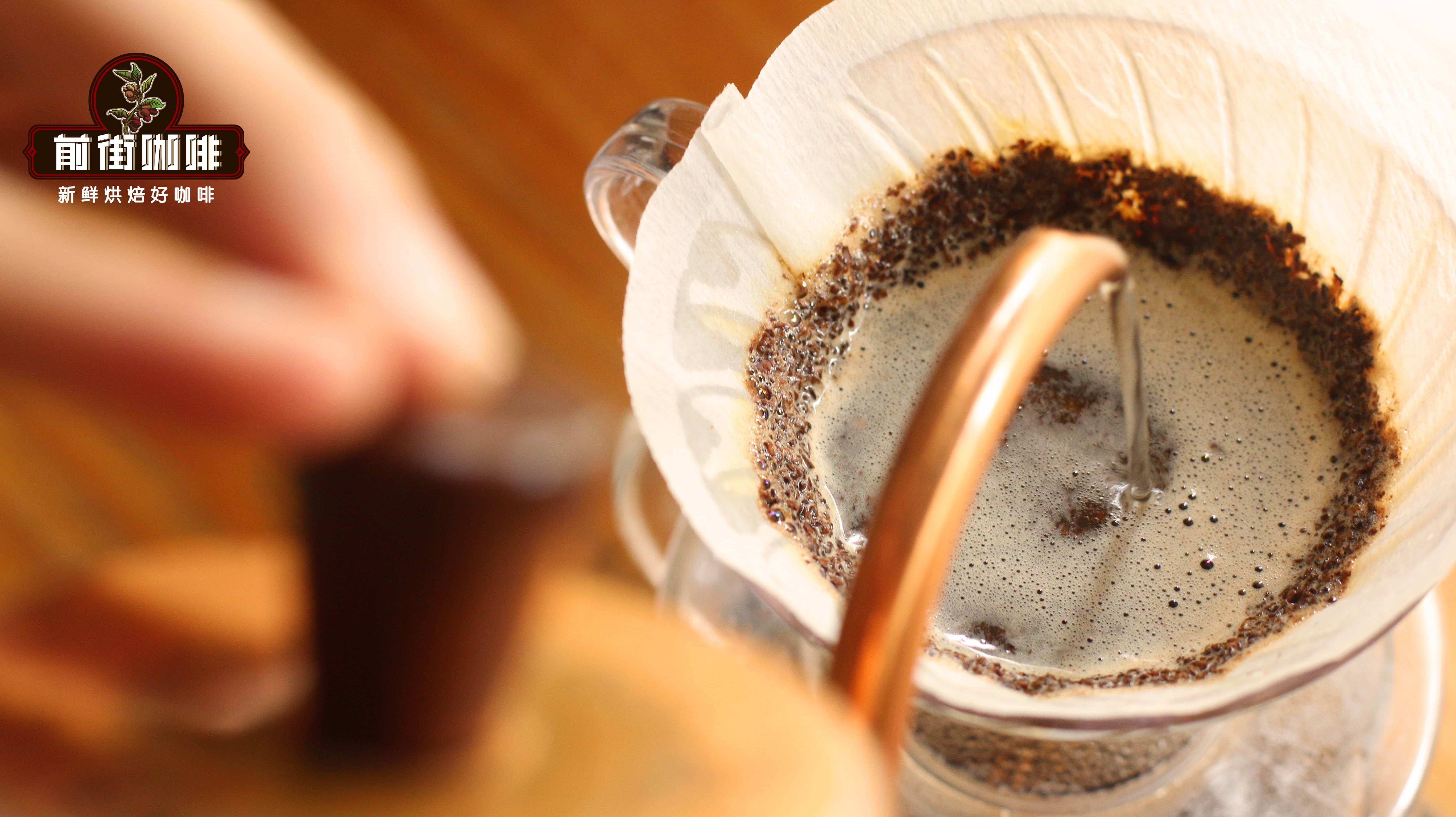
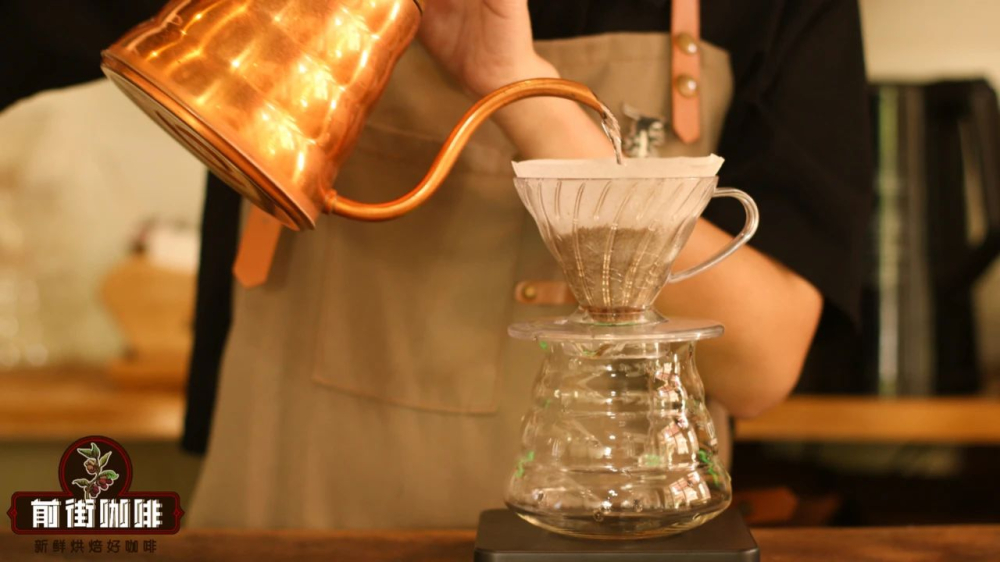
In our actual pour over tests, we used consistent parameters for a fair comparison: V60 #01 filter, water temperature controlled at 90–91°C, 15g coffee dose, 1:15 brew ratio, with medium-fine grind (80% passing through a standard Chinese No. 20 sieve). We employed the classic three-pour method: the first pour of 30g for a 30-second bloom, followed by slow circular pouring until reaching 125g for the first break, then continuing the pour until 225g total, removing the filter just before the bed is fully exposed, with a total brew time of about 2 minutes.
The results showed that Mini Huacai's extraction highlighted berry sweetness, with prominent aromas of cream strawberry and passion fruit, delivering a rich and layered mouthfeel; Huacai 5.0 exhibited a more diverse range of tropical fruit flavors, including floral, berry, citrus, and plum acidity balanced with sweetness, along with a juicy mango-like texture, and a honey and black tea sweet aftertaste, resulting in a smoother and more comforting overall profile.
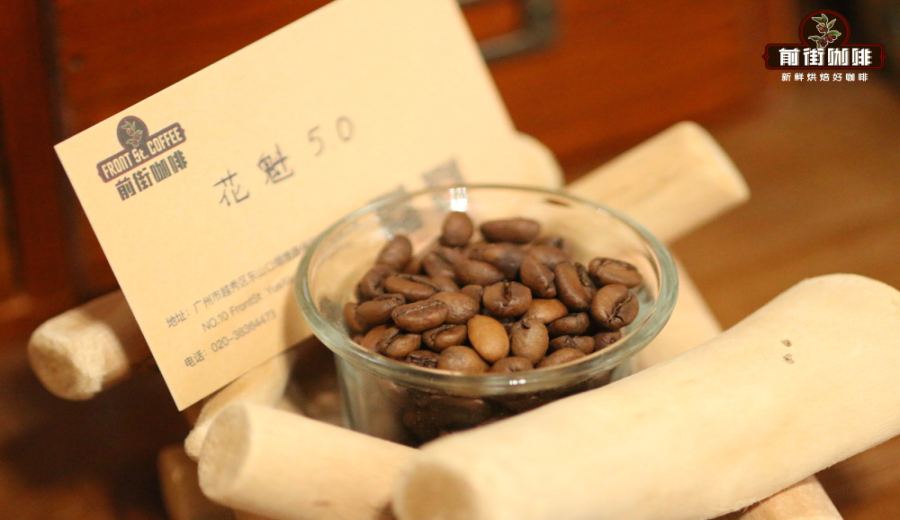
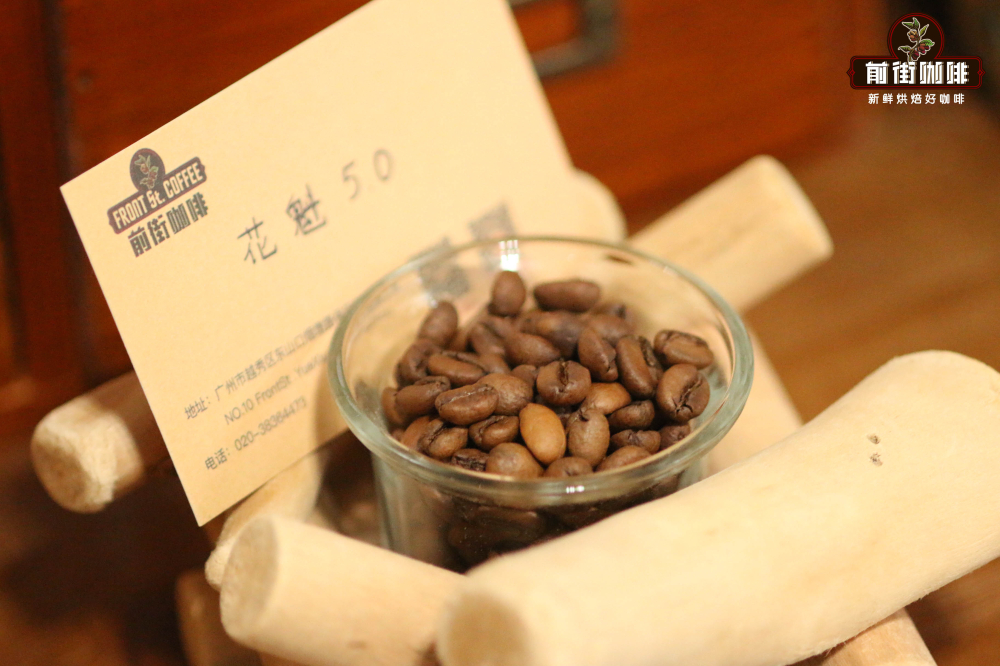
Speaking of the name "Huacai," it actually originates from the highest honor in Chinese imperial examination culture—the Zhuangyuan (top scholar)—symbolizing this coffee’s top-tier potential. The Chinese name "花魁" (Huacai) does not correspond directly to the English name "Hambella" (phonetically translated as Hanbella), but rather stems from the high expectations Chinese green bean importers had for the sun-dried beans produced by the Buku Abel washing station in the Guji region of Ethiopia’s Sidamo zone. Initially, due to the beans’ delicate vanilla and creamy flavor notes, coupled with the hope that they could rival Geisha, they were named "Huacai," signifying their status as the crème de la crème in the coffee world.
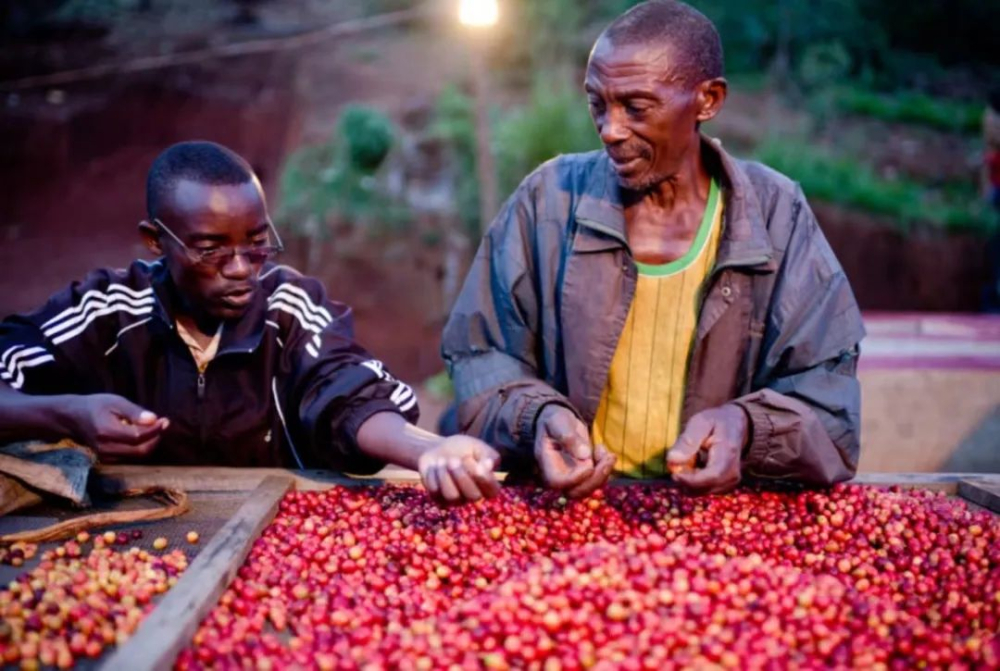
The unique flavor of this coffee is inseparable from its rigorous natural processing method. It is understood that farmers typically harvest between December and January, selecting only red cherries with a sugar content of over 30% for sun drying. During the drying process, the first two days require maintaining appropriate humidity to promote fructose fermentation, shading from the intense midday sun to avoid scorching, and covering with thick plastic sheeting at night to prevent rain. The entire fermentation and dehydration process is carried out slowly in a low-temperature environment, taking approximately 18 days for the moisture content of the green beans to drop to 13%, followed by about 50 days of resting period where moisture further reduces to 11% before subsequent hulling and other processing steps.
It is worth noting that commonly seen versions in the market such as Huacai 2.0, 3.0, 3.1, 4.0, and 5.0 are all named based on different years or batches of beans produced by the Guji Hambella Buku Abel washing station. These beans are mostly native Ethiopian varieties, and due to the lack of systematic variety records locally, along with undisclosed details of government protection policies, these varieties are collectively referred to as "Ethiopian heirloom." Although the names are similar, each version has its own unique flavor characteristics—for instance, Huacai 3.1 has been described as having flavors close to Panamanian Geisha, while Huacai 4.0 is closer to traditional Huacai style, though with differences in aftertaste and body.
The reason the Huacai series experiences slight flavor variations each year mainly lies in the inherent nature of coffee as an agricultural product—environmental factors such as climate, rainfall, and sunlight all influence the flavor profile of that year’s crop. Other sun-dried beans from the Sidamo region, such as Alsie, also exhibit distinctly different juice-like qualities and fermentation traits, providing an interesting contrast to Huacai’s tropical fruit flavors.
In terms of pour over performance, Mini Huacai’s berry sweetness and passion fruit flavors suit those who enjoy bold fruitiness; whereas Huacai 5.0’s multi-layered acidity and sweetness with black tea aftertaste appeals more to coffee lovers seeking balanced flavor. Below are pour over flavor descriptions for several Huacai versions for reference: Mini Huacai highlights sweet berry aromas with prominent cream strawberry and passion fruit; Huacai G1 offers a smooth mouthfeel with passion fruit and fermented wine notes; Huacai 2.0 is overall clean, with clear berry aroma and nutty undertones; Huacai 3.0 is more subtle, featuring strawberry jam and black tea notes; Huacai 3.1 is characterized by floral, creamy, and tropical fruit flavors; Huacai 4.0 presents citrus acidity and berry juice sensation, with a lemon-black tea sweet aftertaste; Huacai 5.0 combines floral, berry, citrus, and mango juice notes, with a honey and black tea aftertaste that lingers delightfully.
Finally, here is the roast curve data for some Huacai versions provided by a coffee business, for advanced enthusiasts’ reference: For example, Huacai G1 was roasted using a Yangjia 800N roaster, with a drop temperature of 160°C, first crack starting at 8'37'', and development time of 1'20''; Huacai 2.0 began first crack at 9'50'', with a development time of 1'30''; Huacai 3.0 saw first crack at 10'00'', developing for 1'40''; Huacai 3.1 initiated first crack at 8'28'', developing for 1'00''; Huacai 4.0 had first crack starting at 9'50'', with a 1'40'' development time—these data help understand the roasting characteristics and flavor development correlations of different versions.
The above content is compiled by CoffeeHunters, a coffee news website.


