







Introduction:Civet coffee is renowned for its unique flavor and rarity, but the correct brewing method is the key to unlocking its smooth and rich aroma. This article details the brewing parameters after grinding, including filter choice, coffee-to-water ratio, grind size, and pour-over techniques, along with step-by-step pour-over illustrations to help you brew a premium kopi luwak coffee with a rich body and caramel-like sweetness at home.
Civet coffee (Kopi Luwak) is one of the world’s most famous rare coffees, and its distinctive flavor comes from the unique fermentation process in the civet’s digestive system. However, even with high-quality beans, improper brewing can make it difficult to experience its full richness and aroma. This article will take you through the correct way to pour over freshly ground kopi luwak, covering everything from filter selection, dosage, water temperature to a three-stage pour, analyzing each key parameter so you can easily brew a smooth, layered specialty coffee.
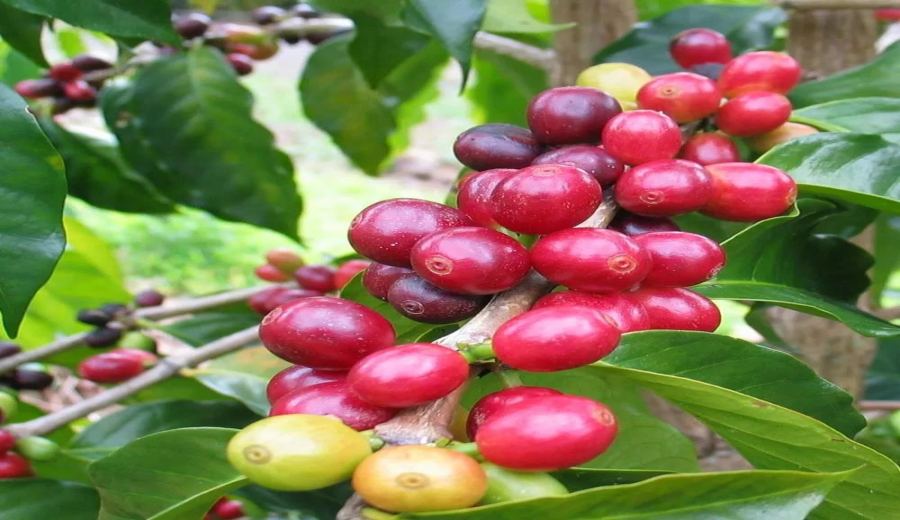
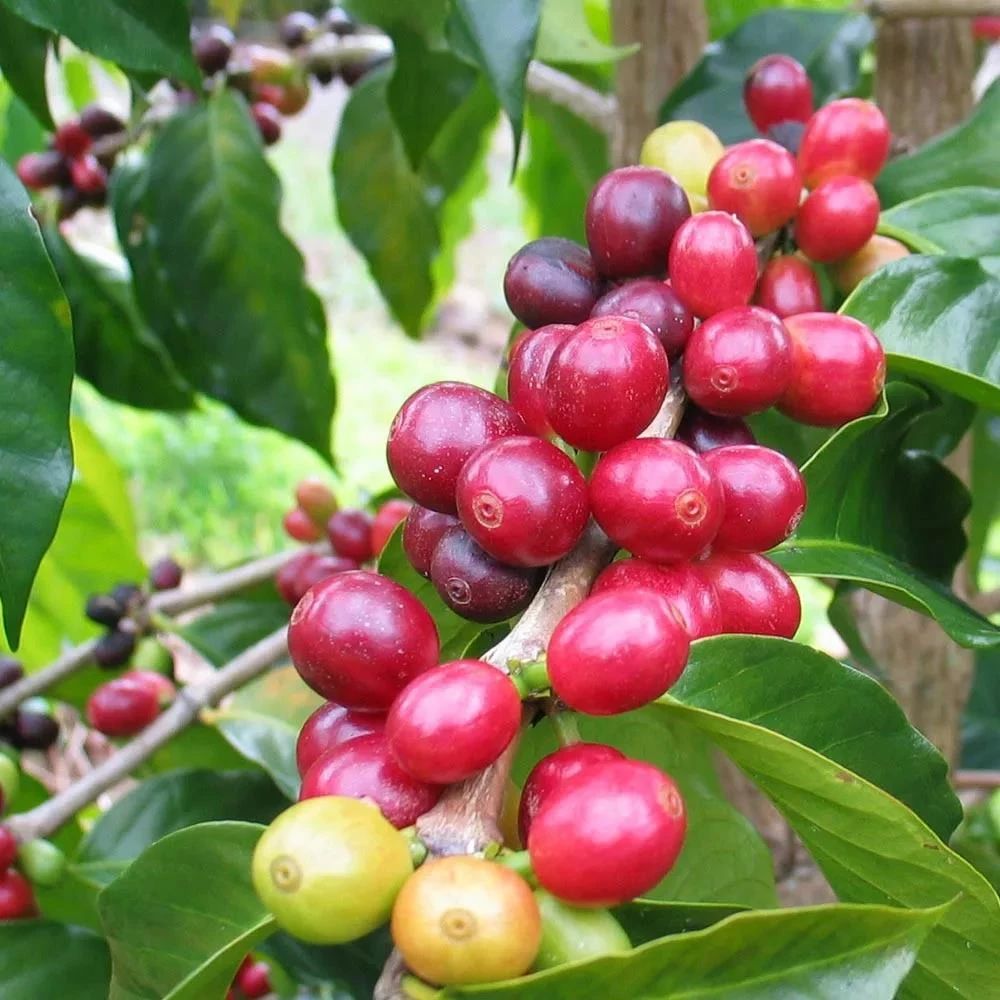
First, understanding the origin of civet coffee helps appreciate its uniqueness. The formal name of this coffee is Kopi Luwak, where “Kopi” means coffee in Indonesian, and “Luwak” refers to the civet. Legend has it that during the Dutch colonial period in Indonesia, locals were prohibited from drinking coffee produced on plantations, but they discovered that the beans excreted by civets after eating coffee cherries developed a vastly different flavor through their digestive systems. The civets only select the sweetest and ripest coffee fruits, and through fermentation and digestion in their intestines, the protein structure of the beans changes, reducing bitterness while adding a unique aroma.
These beans, “fermented” through an animal’s digestive system, feature a rich flavor and full-bodied mouthfeel, often with notes of caramel, nuts, and chocolate, and a refreshing coolness reminiscent of mint in the aftertaste—characteristics difficult to replicate with other processing methods. However, most civet coffee on the market today comes from captive breeding environments, and differences in feed and processing methods also affect the final flavor. Therefore, learning how to properly extract and fully showcase its potential flavors is a must-know topic for every coffee enthusiast.
For equipment, it is recommended to use filters like the Kono dripper, which feature a smooth middle wall and extended ribs at the bottom. Such drippers reduce bypass flow, allowing water to pass more centrally through the coffee grounds, enhancing extraction body. As for coffee dosage, use 15 grams as a base, suitable for 1–2 cups. If your dripper has a larger capacity, you may increase to 20 grams, but avoid overloading to prevent over-extraction or filter strain.
Regarding coffee-to-water ratio, a 1:15 ratio is recommended—that is, 15 grams of coffee to 225 milliliters of water. This achieves a good balance between richness and smoothness, avoiding being overly strong or thin. For a stronger profile, you may slightly adjust to 1:13, but be cautious as higher concentrations may lead to unwanted bitterness. Conversely, using a ratio above 1:16 may result in flavors that are too light, failing to highlight the bold and sweet characteristics unique to kopi luwak.
Grind size is one of the key factors influencing extraction. For dark-roasted kopi luwak beans, it is advised to set the grind to approximately 75% through a #20 sieve—slightly coarser than medium-fine beans but finer than very coarse French press grind. This grind size ensures proper porosity of the coffee grounds, preventing over-extraction and harsh bitterness while adequately releasing flavor compounds. Too fine a grind may cause over-extraction, resulting in rough texture and unpleasant bitterness; too coarse may under-extract, leading to thin flavor and prominent wateriness.

Water temperature should be controlled around 88°C. This temperature extracts aromatic compounds effectively while minimizing the risk of scorching or over-extraction. A temperature below 85°C may lead to under-extraction, incomplete flavor development, and possible unpleasant acidity. Stable water temperature is a critical foundation for successful brewing, and it’s recommended to use a gooseneck kettle with precise temperature control for optimal results.
For brewing technique, a three-stage pour is recommended to ensure even extraction and enhance flavor layers. Step one is the bloom: pour about 30 milliliters of hot water to evenly wet all coffee grounds, then let it sit for 30 seconds to release CO₂ and initiate extraction. The second stage involves pouring about 100 milliliters of hot water, suggested to be poured slowly from the center outward, taking around 45 seconds. The final stage adds 95 milliliters, focusing on extending extraction and enhancing sweetness and body. The total brew time should ideally be between 2 minutes 30 seconds and 3 minutes.
Through this brewing process, the full body, caramel sweetness, and the subtle nutty and chocolatey notes in the aftertaste of kopi luwak can be fully revealed.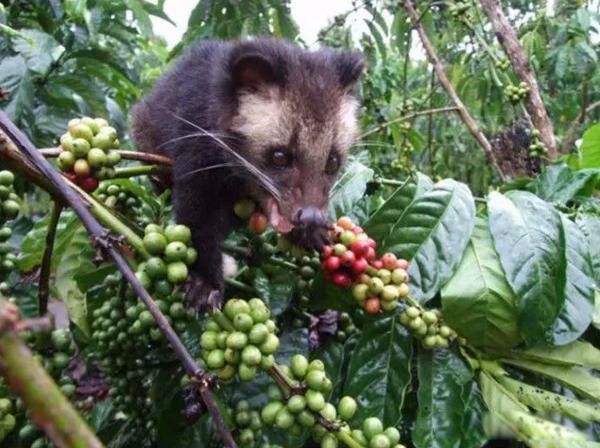 In terms of flavor, this coffee is often described as a blend of herbal and nutty notes, with a smooth mouthfeel and distinct layers, and a warm, sweet finish with a hint of unique freshness—features that set it apart from other coffees.
It’s important to note that since kopi luwak is mostly dark roasted, its flavor profile is relatively concentrated, so there’s no need to pursue excessive strength or prolonged brewing. Additionally, ground coffee oxidizes quickly when exposed to air, so it’s recommended to brew it as soon as possible after grinding for the best flavor. If possible, purchase whole beans and grind them fresh to ensure complete and fresh flavor expression.
In summary, brewing kopi luwak requires not only the right equipment and parameters, but also an understanding of its unique flavor background and processing. With precise grind size, appropriate water temperature, and multi-stage pouring techniques, you too can enjoy the unique charm of this world-class coffee at home.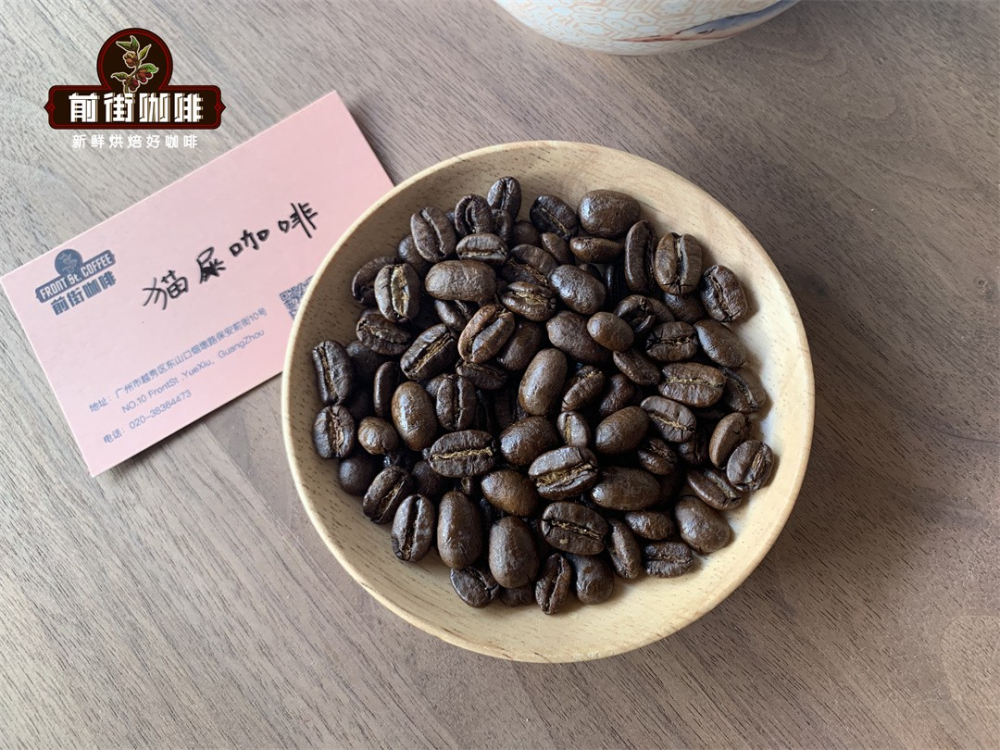
The above content is compiled by CoffeeHunters, a coffee news website.


