







Introduction:One of the key factors in the flavor performance of pour over coffee lies in mastering the grind size. Many coffee enthusiasts often hesitate when dealing with Starbucks coffee beans due to unfamiliarity with their grinder settings. This article delves into how grind size affects water flow rate, extraction efficiency, and final flavor, and provides an intuitive method for observing bed appearance as well as step-by-step testing with a 0.85mm sieve to guide you in adjusting to the optimal grind parameters based on different roast levels—enhancing the consistency of every pour over session.
Many beginners in pour over coffee, after purchasing Starbucks coffee beans, often feel puzzled by the various grind settings on their grinders, worried that grinding too coarse or too fine might affect the overall flavor of the coffee. In fact, grind size is a critical variable that influences both the speed at which water passes through the coffee bed and the extraction efficiency, and it’s also a key determinant of pour over success. This article will start from the basic principles of how grind size impacts coffee extraction, helping you understand the differences in bed appearance and drip performance, and will detail how to use a 0.85mm test sieve to measure the pass-through rate, thereby refining your grind adjustments. This will help you find the most suitable pour over grind settings for Starbucks coffee beans of varying roast levels.
Many people face a common question after bringing Starbucks coffee beans home: just how coarse or fine should the beans be ground? With the wide variety of settings on a grinder, many hesitate out of fear of grinding either too coarse or too fine, which can even impact the final brew. In truth, the extraction performance of pour over coffee is influenced by multiple factors such as water temperature, grind size, and coffee-to-water ratio, but among these, grind coarseness is the most crucial. It determines the size and uniformity of the coffee particles, which in turn affects the efficiency of extracting flavor compounds from the coffee with water. So, how should we adjust the grind size for Starbucks coffee beans of different roast levels to achieve the most ideal taste? Let’s take a deeper look together at the logic and practical techniques behind adjusting pour over coffee grind coarseness.
The reason grind size is so important is that it directly affects the density of the coffee bed and the speed at which water flows through. Through multiple hands-on pour over tests, it has been observed that when the grind is finer, the coffee particles pack more densely, increasing resistance to water flow, slowing down the flow rate, lengthening overall extraction time, and resulting in more soluble substances being extracted from the coffee—usually leading to a richer flavor profile. Conversely, if the grind is coarser, the gaps between coffee particles are larger, allowing water to flow more smoothly, speeding up the dripping process, shortening extraction time, and lowering extraction yield, resulting in a lighter flavor. So, what specific signs might you notice during actual pour over brewing if you accidentally grind the beans too fine or too coarse?
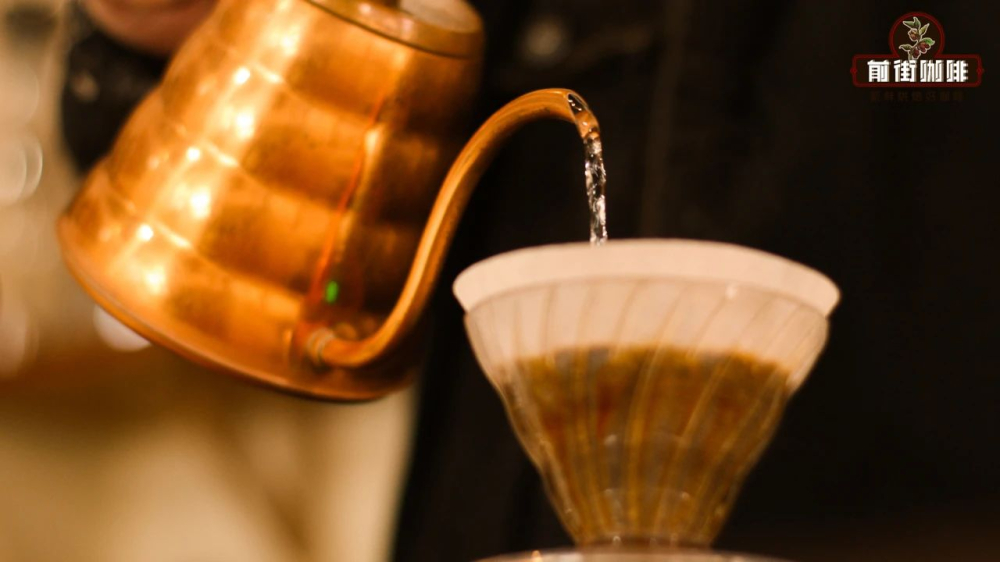
When coffee beans are ground too fine, the overall particle size is smaller and the distance between them becomes closer, making it difficult for water to penetrate the coffee bed smoothly, which significantly extends the dripping time. Additionally, because the particles are smaller, the coffee grounds tend to form a paste-like structure after absorbing water, causing the post-brew bed appearance to be blurry and hard to distinguish individual particles, often appearing sticky and uneven. On the other hand, if the grind is too coarse, the coffee particles are larger and spaced further apart, allowing hot water to pass through the bed more easily, thus accelerating the dripping speed. However, an overly coarse grind may also result in an incomplete or uneven coffee bed structure, often showing layering or distinctly separate particles, affecting extraction uniformity.
Grind level not only affects the final shape and size of the coffee particles, but also directly determines the total surface area of the coffee grounds. When coffee is ground finer, its total surface area increases, meaning more coffee particle surfaces are exposed to water, allowing a greater area to come into contact with water, thereby extracting a wider variety of flavor compounds. At the same time, a larger surface area also aids in the release of carbon dioxide within the coffee beans, subtly influencing the extraction process. Therefore, choosing the appropriate grind coarseness is crucial for balancing extraction yield and flavor performance.
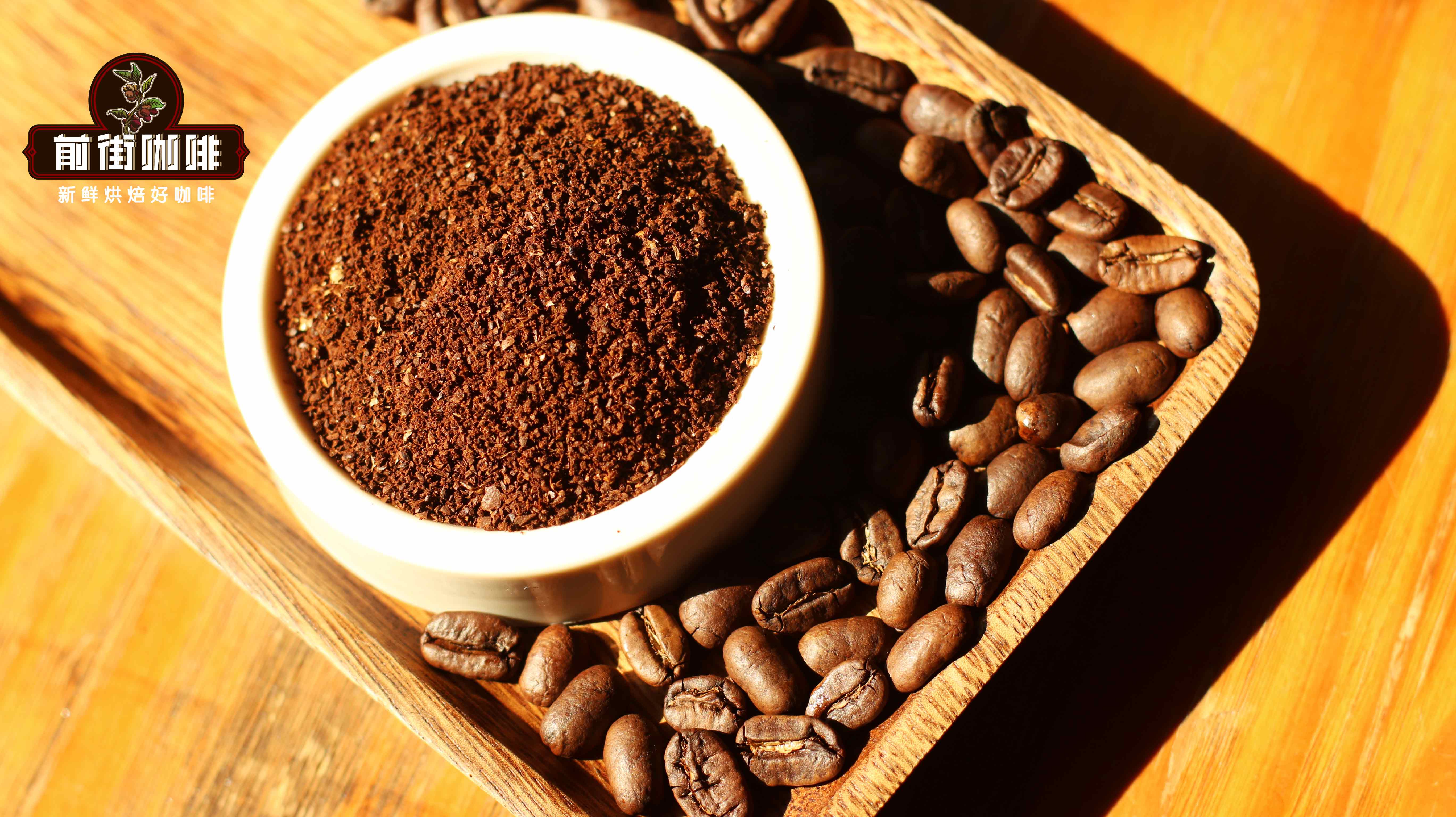
In daily pour over coffee preparation, even coffee grounds that appear uniformly ground actually exhibit significant differences in particle size. Generally speaking, the difference between the largest and smallest particles can be as much as 0.6mm. The industry typically classifies particles larger than 0.85mm as coarse grinds, and those smaller than 0.25mm as extremely fine grinds. If these two extreme types of particles make up more than 40% of your total coffee dose, it is usually not conducive to the stability and consistency of pour over extraction. If you’re confused about this, consider getting a 0.85mm test sieve. By following a simple sieving process, you can accurately determine whether your current grind size meets the needs of pour over brewing.
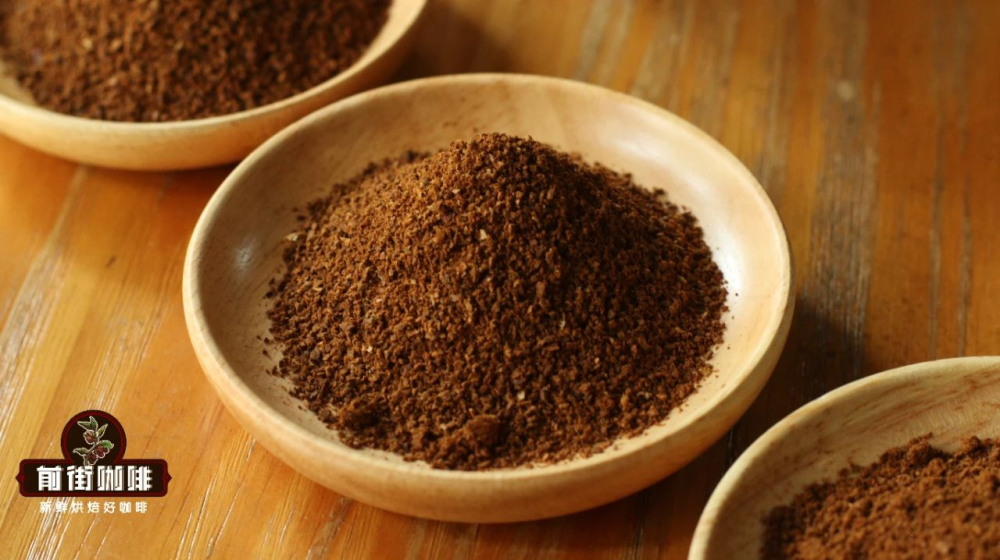
To use a sieve to confirm your coffee grind size, first weigh out 10 grams of coffee beans, and based on experience, adjust your grinder to a preliminary grind setting. Grind the beans into powder and pour them into the sieve for screening. While sieving, continuously shake the sieve until no more coffee powder can pass through. Then, weigh the amount of coffee powder that has passed through the sieve. If the final pass-through rate falls between 75% and 80% (i.e., about 7.5 to 8 grams of the 10-gram coffee powder sample passes through), it indicates that the current grind size is suitable for medium to light roasted Starbucks coffee beans; if the pass-through rate is between 65% and 70% (about 6.5 to 7.0 grams of powder sieved from 10 grams), it is more suitable for medium to dark roasted beans. If the actual test results fall outside the recommended ranges, you can appropriately adjust the grinder settings—if the pass-through rate is too high, it is advisable to make the grind coarser; if the pass-through rate is too low, you can make the grind finer, until you achieve the ideal extraction conditions.
The above content is compiled by CoffeeHunters, a coffee news website.


