







Introduction:To brew a rich and smooth shot of espresso, grind size is key. This article dives deep into why espresso requires a finer grind than pour over, guiding you from scratch on how to judge whether your grind is just right by observing flow rate, crema, and flavor. We also share practical tips on adjusting the coffee-to-water ratio and extraction time based on different grinder settings, along with recommended classic espresso blends that let you easily recreate café-grade espresso, americano, and latte at home.
In the process of making espresso, even slight differences in grind size can dramatically affect the final flavor. If the grind is too fine or too coarse, or if the particle distribution is uneven, it can lead to under-extraction or over-extraction—resulting in coffee that’s either weak and sour or bitter and harsh. Especially compared to pour over or cold brew, espresso demands an extremely fine grind because it’s extracted under high pressure in a short amount of time, which magnifies every tiny detail.
So, how fine should espresso coffee grounds be? Unlike the commonly used No. 20 sieve in China for assessing hand pour grind size, the coffee grounds used for espresso are as fine as flour—so fine that individual particles are barely visible to the naked eye, making sieve measurements impractical. That’s why determining whether the grind is appropriate mainly relies on observing the extraction flow rate and evaluating the actual flavor.
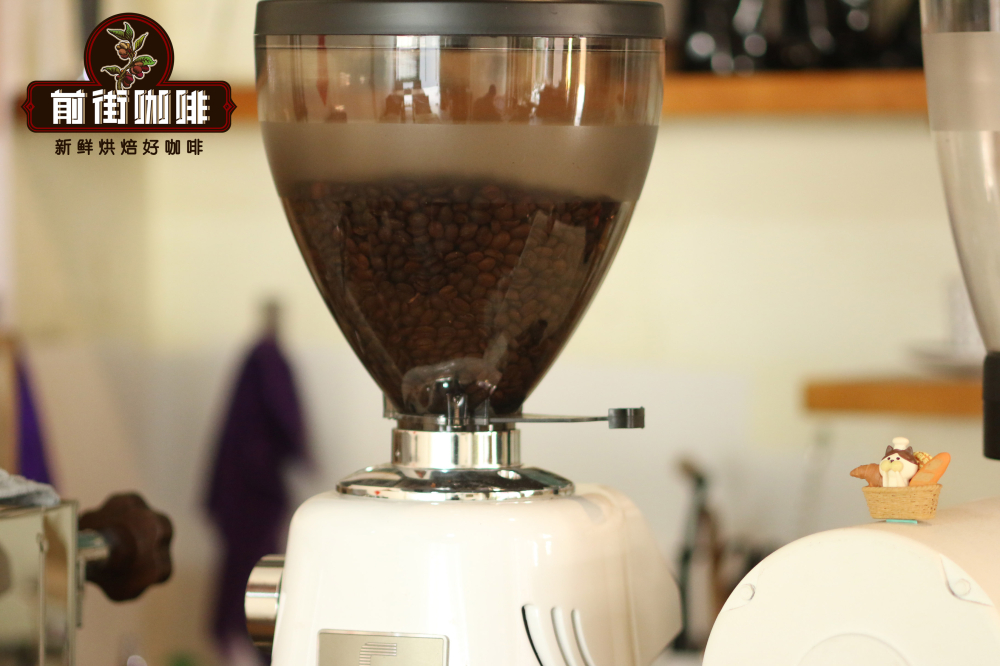
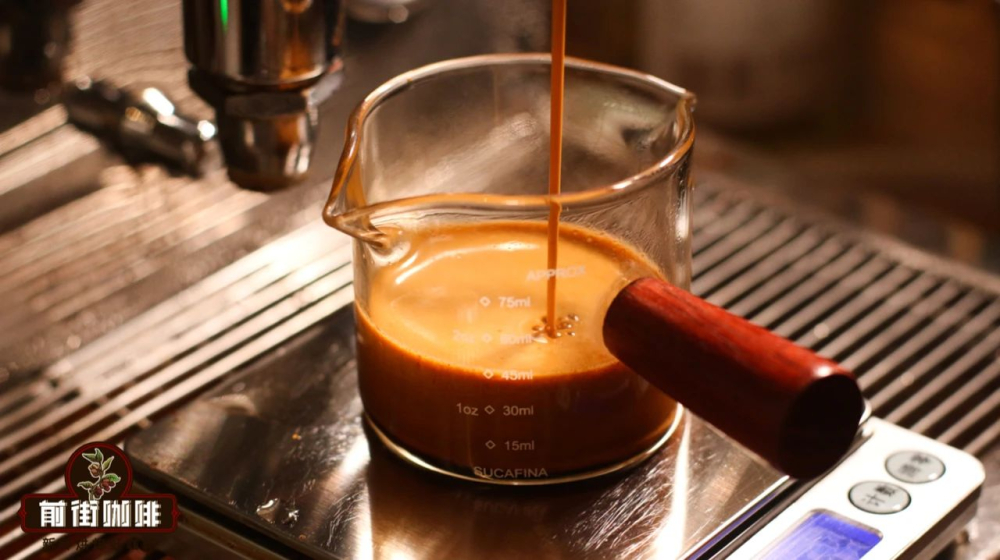
When you first get a new bag of coffee beans, or when you’re not yet familiar with your grinder’s settings, start by doing multi-stage test grinds with a small amount of beans. Ideally, the coffee grounds should feel as smooth as flour, with no coarse or rough particles—a good starting point. Then, follow the classic espresso extraction formula: use a 1:2 coffee-to-water ratio, meaning 1 gram of coffee grounds yields 2 grams of coffee liquid, and keep the extraction time between 20 to 30 seconds.
For example, if you’re using a 20-gram portafilter basket and putting in 20 grams of coffee, your goal should be to extract 40 grams of coffee liquid. If the extraction time is less than 20 seconds, it means the water is flowing too fast, likely due to a grind that’s too coarse. If it exceeds 30 seconds, the flow is too slow, probably because the grind is too fine. In such cases, you can make fine adjustments to the grinder settings—generally, adjust by 0.2 steps if the difference is minor, or by 0.5 to 1 step if the difference is more obvious, gradually dialing in to the ideal extraction.
However, the formula is just a guideline. To truly brew a delicious shot of espresso, you still need to rely on actual tasting and adjustments. If the coffee tastes noticeably burnt and bitter but has normal strength, it may be over-extracted due to too long an extraction time, releasing too many bitter compounds—in this case, you should make the grind slightly coarser. On the other hand, if the crema is pale and thin, it could be a sign of over-extraction toward the end of the shot, and you might want to increase the coffee-to-water ratio to 1:1.5–1:1.7 and reduce the liquid yield. If the flavors are rich but the aftertaste falls short, try extending the extraction time and adjust the ratio to 1:2.5 to pull out more coffee liquid.
Also, extraction time isn’t necessarily limited to 25–30 seconds. Some coffee beans actually perform best at 24 or 36 seconds. Likewise, the 1:2 ratio isn’t set in stone—sometimes ratios like 1:1.7 or 1:2.5 can better highlight the bean’s unique characteristics. At home, it’s recommended to record the grinder setting, coffee-to-water ratio, extraction time, and resulting flavor each time you brew. Through multiple trials, you can find the combination that best suits your taste and the beans you’re using.
Finally, choosing the right coffee beans is half the battle. If you want to replicate café-quality espresso, americano, or latte at home, go for a dark-roasted espresso blend. These beans typically combine coffees from different origins—such as Brazil, Indonesia, and Vietnam—offering a balance of caramel sweetness and rich body, and consistently producing thick crema, making them ideal for various espresso preparations. Whether you're a beginner or an experienced coffee enthusiast, mastering these basic techniques and principles will give you more confidence in tackling every brewing challenge.
The above content is compiled by CoffeeHunters, a coffee news website.


